
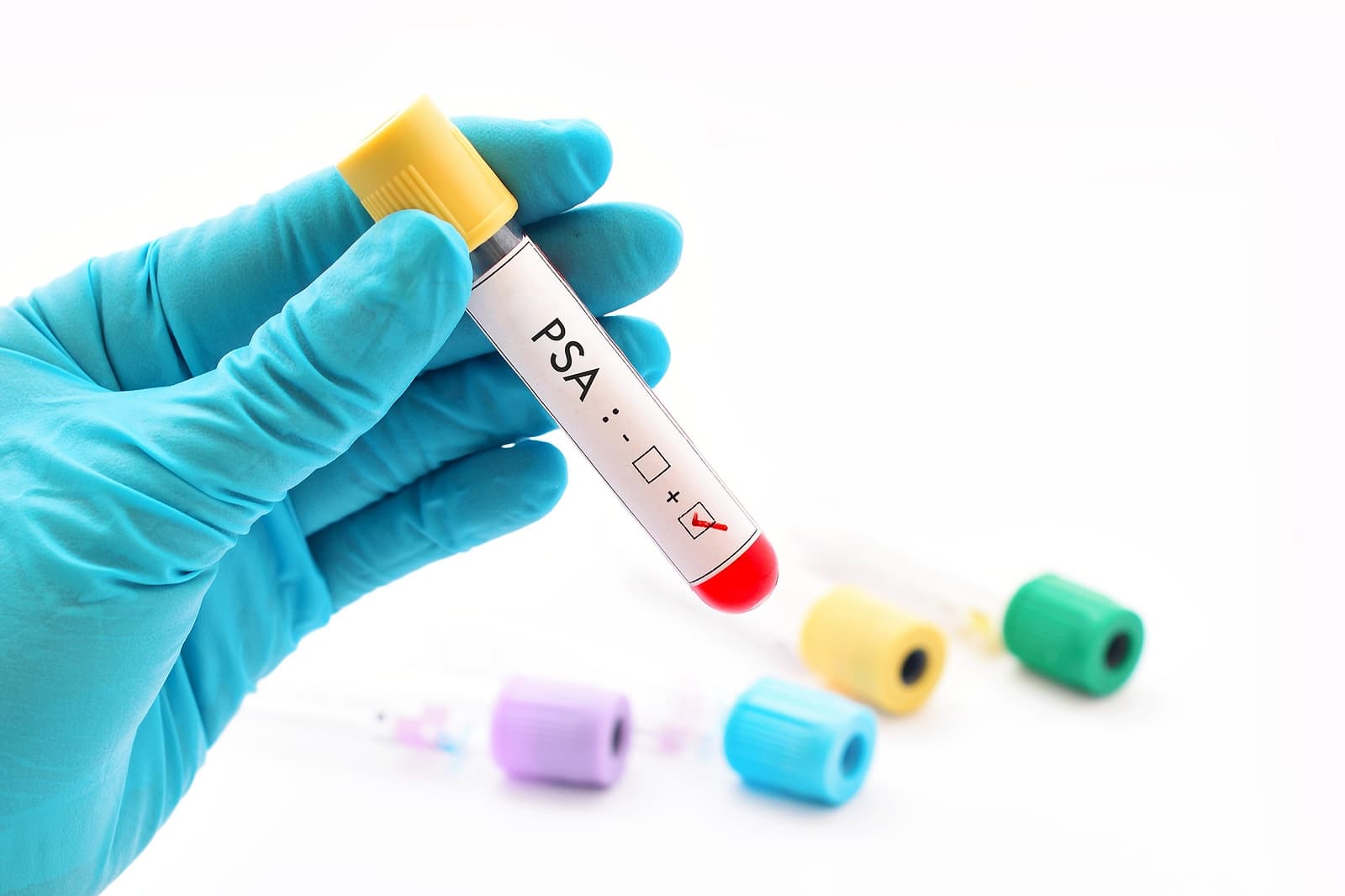
Breast cancer is the most common cancer affecting women, while prostate cancer is the most common for men. In 2022, the CDC found that approximately 255,000 men got a prostate cancer diagnosis. The same year, doctors diagnosed nearly 280,000 women with breast cancer. Breast & prostate cancer affect different patient populations and different parts of the body. Nonetheless, doctors have found common themes in diagnosing and treating these malignancies. We’ll learn how they are changing the odds.
At The People’s Pharmacy, we strive to bring you up‑to‑date, rigorously researched insights and conversations about health, medicine, wellness and health policies and health systems. While these conversations intend to offer insight and perspective, the content is provided solely for informational and educational purposes. Please consult your healthcare provider before making any changes to your medical care or treatment.
How You Can Listen
You could listen through your local public radio station or get the live stream at 7 am EST on Saturday, October 31, 2026, through your computer or smart phone (wunc.org). Here is a link so you can find which stations carry our broadcast. If you can’t listen to the broadcast, you may wish to hear the podcast later. You can subscribe through your favorite podcast provider, download the mp3 using the link at the bottom of the page, or listen to the stream on this post starting on Nov. 2, 2026.
Changing the Odds Against Breast & Prostate Cancer
Over the course of a lifetime, one in eight American women will get a breast cancer diagnosis. The odds for prostate cancer in men are similar. So are the chances of dying from these conditions: one in 43 women die of breast cancer. One in 44 men die of prostate cancer. How are oncologists changing the odds to improve survival from breast & prostate cancer?
Better Screening
The first step in controlling a condition is diagnosis. Screening techniques for breast & prostate cancer differ because breasts are easier to image. That’s why doctors prescribe mammograms to detect early signs of breast cancer.
Screening for prostate cancer starts with a blood test for prostate-specific antigen (PSA). Although it is imperfect, middle-aged men should find it a fairly easy first step. If the PSA turns up something alarming, doctors will probably proceed to order imaging, in this case an MRI of the prostate. An MRI reveals prostate tumors with greater accuracy than the old-fashioned unguided prostate biopsy could. A biopsy may still be needed as part of the diagnosis, but it is more likely to be guided by imaging, either MRI or ultrasound, than in previous decades.
Screening Controversies
Over the past few decades, public health experts have scrutinized screening in an effort to limit overdiagnosis. For several years, the United States Preventive Services Task Force (USPSTF) advised doctors against ordering PSA tests for men without symptoms. However, that approach led to more men being diagnosed at advanced stages of prostate cancer. These are more difficult to treat effectively. Now, men diagnosed with an early stage of cancer that does not require urgent treatment may be offered active surveillance. They are screened on a regular basis, and if the cancer starts to progress, the doctor offers surgery, radiation, chemotherapy or other treatment.
Mammography has also seen some controversy. Sometimes doctors disagree about when women should have their baseline mammogram and how often these should be done. Dr. Anders treats breast cancer patients. She recommends women start at age 40 and undergo mammograms every year.
Causes of Breast & Prostate Cancer
When we asked our guest experts about the causes of these cancers, they suggested that diet and lifestyle contribute. They also emphasized the importance of genetics. BRCA1 and BRCA2 gene mutations are well known for their role in elevating the risk for breast cancer. In addition, about 12% of men diagnosed with stage IV metastatic prostate cancer have a BRCA mutation. These genes also raise a person’s chance for ovarian or pancreatic cancer as well as melanoma.
Treating Breast & Prostate Cancer by Blocking Hormones
Both cancers are fueled by sex hormones. Many breast cancers (though not all) respond to therapies that block estrogen and/or sometimes progestogen. One example of such a medication is tamoxifen, a selective estrogen receptor modulator. Hormonal therapy for breast cancer might include a multiyear regimen of aromatase inhibitors such as letrozole, which block cells from manufacturing estrogen. Other treatment options include PARP inhibitors, which block DNA repair in actively dividing cells found in tumors.
Doctors frequently treat prostate cancer by blocking androgens such as testosterone. One exciting (though pricey) new therapy uses a radioisotope to target prostate-specific membrane antigen. This is an entirely different protein from the PSA used in screening for prostate cancer. It appears to extend life expectancy of men with advanced, metastatic prostate cancer by about half a year.
Preventing Recurrence
People who have completed treatment for either breast or prostate cancer will readily describe the sensation that they are living under a sword of Damocles for several years afterwards. What can people do to reduce the risk for recurrence? A healthful diet without plastic or chemical exposures is key. A Mediterranean-style eating plan seems to work well for many people.
Research indicates that physical activity can play an important role. Unfortunately, the insurance companies that compensate people for cardiac rehab have not yet seen fit to reimburse for cancer rehabilitation. That is despite the quite modest cost of prescribed exercise when compared to treatment for a recurrence. Social support, especially for breast cancer patients, is another crucial pillar.
Bone Health After Treatment
Bones use hormones to maintain their strength. Consequently, hormone-blocking therapies for both breast & prostate cancer can weaken bones and put patients at higher risk for osteoporosis. Unfortunately, administering these hormones creates a quandary–how much and what form of estradiol for women will strengthen bones without triggering recurrence? Likewise for men, there are questions regarding the safety of testosterone. It may strengthen bone, but it may not be safe for every man who has been treated for prostate cancer.
This Week’s Guests
Carey K. Anders, MD, FASCO, is Professor of Medicine in the Division of Medical Oncology at Duke University Health System. She is Director of the Duke Center for Brain and Spine Metastasis, Associate Director of Clinical Research and Translating Duke Health Scholar at Duke Cancer Institute & Duke University Health System.

Dr. Carey Anders, Division of Medical Oncology, DUHS
Photo by K. Huth
Andrew Armstrong, MD, is the George Barth Geller Distinguished Professor for Research in Cancer. He is Professor of Medicine at Duke University School of Medicine and Professor in Urology, Professor in Pharmacology and Cancer Biology, and Professor in Pathology. Dr. Armstrong is a Member of the Duke Cancer Institute.

Dr. Andrew Armstrong
Listen to the Podcast
The podcast of this program will be available Monday, November 2, 2026, after broadcast on Oct. 31. You can stream the show from this site and download the podcast for free. In this week’s episode Dr. Armstrong describes what to do if the PSA test is high and how to manage an increase in PSA over time. Both doctors mention that patients are interested in ivermectin, but clinical research is lacking. You can learn more about ivermectin and cancer at this link.

