
Age-related macular degeneration (AMD) is an important cause of vision loss among older people. Fortunately, researchers discovered more than twenty years ago that people with moderate AMD could slow the progression of their macular degeneration by taking a specific nutritional supplement (Archives of Ophthalmology, Oct. 2001). Later, scientists updated that trial (AREDS: Age Related Eye Disease Study). To their relief, they found that lutein and zeaxanthin could be substituted for beta-carotene and get equally beneficial results. Additionally, lutein and zeaxanthin do NOT increase the risk for lung cancer as beta-carotene does. According to the trial, adding fish oil to the supplement did not make a difference. (JAMA, May 15, 2013). You can read more about that study here.
Benefit from AREDS Vitamins Lasts a Decade
In a rare but important step, researchers have recently published the results of a ten-year follow-up (JAMA Ophthalmology, June 2, 2022). People taking the AREDS2 formulation containing lutein and zeaxanthin were less likely to have had their retinal damage get worse. In addition, those who took the formula containing beta-carotene were twice as likely to develop lung cancer during follow-up. Consequently, the scientists concluded that the AREDS2 supplement formulation is safe and effective for long-term use.
Readers may wonder whether taking AREDS vitamins will provide benefit for their eyesight. The answer may depend upon their risk for AMD.
Should You Take AREDS Plus Vitamins?
Q. After I had cataract surgery a few weeks ago, my ophthalmologist recommended that I take the PreserVision AREDS 2 supplement to slow the progression of age-related macular degeneration. I understand there is a valid clinical study that reports a slowing of degenerative changes by 27 percent. These pills have vitamins and antioxidants.
I’m already taking a daily multivitamin, so I’m concerned that I would be overdosing some vitamins. Then I saw that there are products called AREDS 2 + Multivitamins.
I looked at the selection of vitamins and minerals in the AREDS 2 + Multi and compared it to my multivitamins. To me, they looked pretty close. Can you tell me if there are any significant differences in the formulations?
Differences in Formulations
A. As we have just noted, the original study of the AREDS formulation concluded that this combination of antioxidants with zinc could significantly lower the risk that macular degeneration would progress (Archives of Ophthalmology, Oct. 2001). For the AREDS 2 trial, the investigators replaced beta-carotene with other carotenoids, lutein and zeaxanthin.
Although there are several other minor differences in these multivitamin formulations, there is only one that worries us. AREDS 2 + Multivitamins contain the same high level of zinc (80 mg) that the original formulation had. Excess zinc can interfere with copper metabolism. That might weaken muscles and lead to other unpleasant consequences (Clinical Neuropharmacology, July 31, 2026).
PreserVision AREDS3 has been reformulated. It contains 25 mg of zinc per day, which is a safer amount. In addition, it contains eight different B vitamins. For most of these, the level is two to three times the RDA and under the tolerable upper limit, if that has been established.
Ongoing Clinical Trial
The AREDS3 formulation is being tested in a clinical trial, but it is still incomplete. We won’t know whether it provides additional protection from macular degeneration progression beyond the AREDS2 formula until the data has been collected, analyzed and published.
Before then, AREDS3 could be a reasonable approach to supplementation. Do not take other multivitamin products with it, as that could lead to excessive intake of some nutrients. You are justified in being cautious.
Can AREDS Vitamins Put Macular Degeneration on Hold?
Q. I would like to know how to keep my macular degeneration from getting worse. Are there any supplements that can help? I strongly prefer a product that has a clinical trial to support it.
A. Two major clinical trials have demonstrated benefit from supplements to slow the progression of macular degeneration. These were termed AREDS and AREDS2 (JAMA, May 15, 2013; Advances in Nutrition, Jan. 2017). (AREDS3 is still underway, as we just explained.) The formula for AREDS contains vitamin C (500 mg), vitamin E (400 IU), beta-carotene (15 mg), zinc (80 mg) and copper (2 mg). AREDS2 discovered that switching out beta-carotene for lutein and zeaxanthin worked just as well and was safer for smokers.
You should be able to find a supplement that is based on the AREDS2 formula. However, you will want to read the label carefully to learn if it does.
Can You Get AREDS Vitamins in Your Diet?
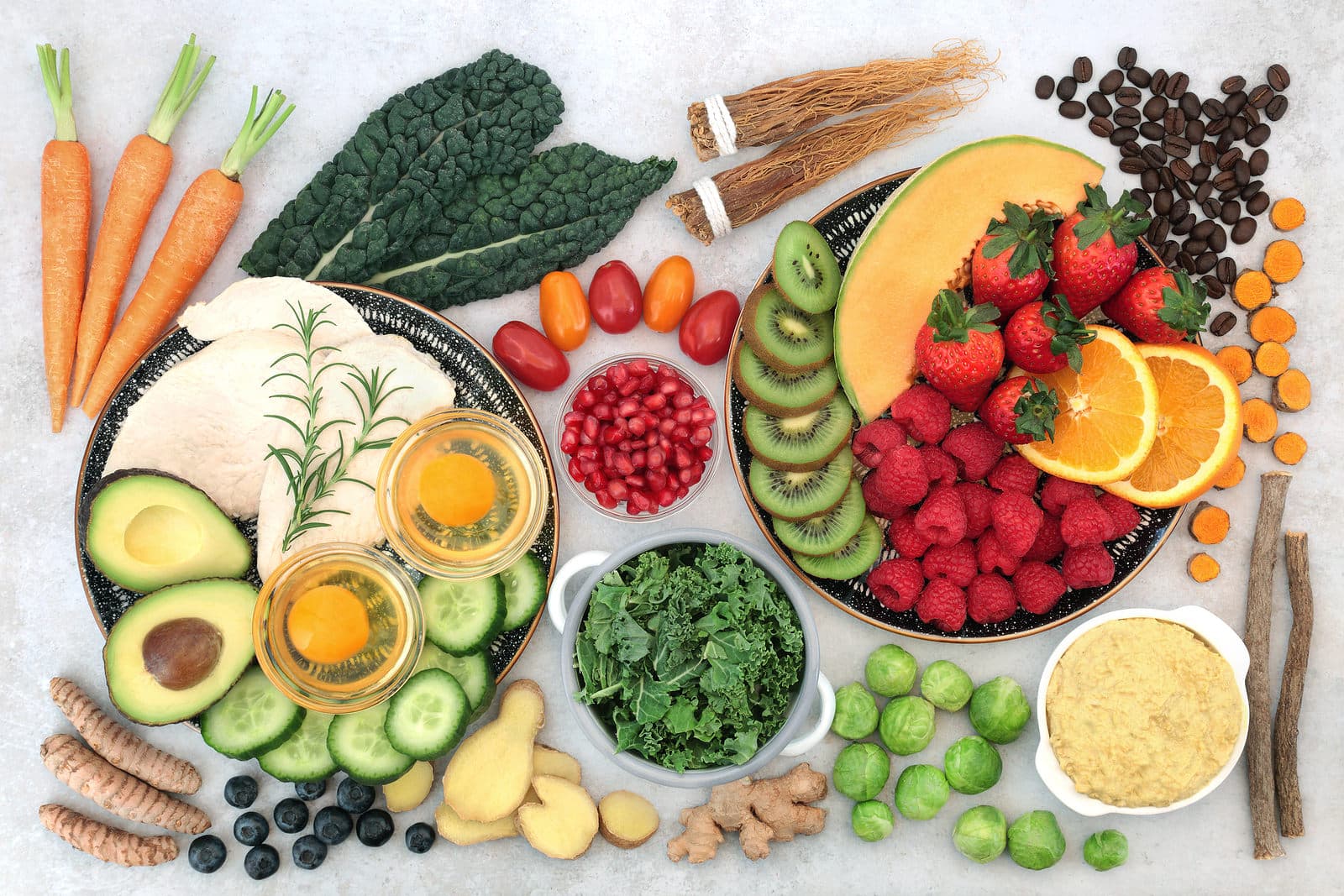
You may also want to change your diet so it contains the AREDS vitamins that are included in both formulas. This means getting plenty of antioxidants in your diet by eating berries, dark green leafy vegetables, corn and avocado (Antioxidants, April 2019).
According to a systematic review (Clinical & Experimental Ophthalmology, Jan. 2019),
“High consumption of vegetables rich in carotenoids and fatty fish containing omega-3 fatty acids was beneficial for those at risk of AMD.”
In addition, a study in which participants answered detailed dietary questionnaires at several intervals found that those who ate more meat and processed foods were three times more likely to develop late-stage macular degeneration than those on a more prudent diet rich in vegetables and fruits (British Journal of Ophthalmology, Dec. 6, 2019). As a result, one could conclude that focusing on brightly-colored produce is a good way to get AREDS vitamins that could help save your sight.
Learn More
Learn more about macular degeneration and strategies to slow its progression by listening to our one-hour free interview with Dr. Peter McDonnell, Director of the Johns Hopkins Wilmer Eye Institute. It is Show 1154: How to Take Good Care of Your Eyesight. Another useful resource is our interview with Dr. Sharon Fekrat. It is Show 1402: How You Can Protect Your Precious Eyesight and Keep Your Eyes Healthy.
Citations
- Age-Related Eye Disease Study Research Group, "A randomized, placebo-controlled, clinical trial of high-dose supplementation with vitamins C and E, beta carotene, and zinc for age-related macular degeneration and vision loss: AREDS report no. 8." Archives of Ophthalmology, Oct. 2001. DOI: 10.1001/archopht.119.10.1417
- Age-Related Eye Disease Study 2 (AREDS2) Research Group, "Lutein + zeaxanthin and omega-3 fatty acids for age-related macular degeneration: The Age-Related Eye Disease Study 2 (AREDS2) randomized clinical trial." JAMA, May 15, 2013. doi:10.1001/jama.2013.4997
- Chew EY et al, "Long-term Outcomes of Adding Lutein/Zeaxanthin and ω-3 Fatty Acids to the AREDS Supplements on Age-Related Macular Degeneration Progression: AREDS2 Report 28." JAMA Ophthalmology, June 2, 2022. DOI: 10.1001/jamaophthalmol.2022.1640
- Goodrich Z & Schneider J, "Zinc-associated copper deficiency myelopathy: A case report." Clinical Neuropharmacology, July 31, 2026. DOI: 10.1097/WNF.0000000000000701
- Gorusupudi A et al, "The Age-Related Eye Disease 2 Study: Micronutrients in the treatment of macular degeneration." Advances in Nutrition, Jan. 2017. DOI: 10.3945/an.116.013177
- Khoo HE et al, "Nutrients for prevention of macular degeneration and eye-related diseases." Antioxidants, April 2019. DOI: 10.3390/antiox8040085
- Chapman NA et al, "Role of diet and food intake in age-related macular degeneration: a systematic review." Clinical & Experimental Ophthalmology, Jan. 2019. DOI: 10.1111/ceo.13343
- Dighe S et al, "Diet patterns and the incidence of age-related macular degeneration in the Atherosclerosis Risk in Communities (ARIC) study." British Journal of Ophthalmology, Dec. 6, 2019. DOI: 10.1136/bjophthalmol-2019-314813

