
Depression is more than a simple case of the blues. A serious disruption in mood can also affect sleeping, eating, interest in sex and numerous other aspects of health. For many people, antidepressants can help reframe their situation in less bleak terms. Not everyone responds well, however. About one-third of those afflicted try numerous antidepressants with little or no relief. Psychiatrists continue to search for options to manage this type of treatment-resistant depression. Lately, a few studies suggest that hallucinogens might be worth considering.
Do Psychedelic Drugs Help Treatment-Resistant Depression?
For decades, various factors conspired to banish psychedelic drugs from mainstream medical research. LSD, psilocybin and related hallucinogens had attracted considerable scientific interest during the 1950s and 1960s. But a cultural and political backlash shut down any such research. The FDA and the DEA labeled hallucinogens as Schedule 1 drugs. Schedule 1 drugs have no accepted medical use and are considered dangerous. Over the last decade, however, investigators have demonstrated that certain psychedelic drugs appear to have significant antidepressant activity. Psychiatrists discovered some time ago that ketamine could alleviate some cases of intransigent depression, and that it acts relatively quickly. This research led to the development and FDA approval of the nasal spray esketamine (Spravato) to treat depression. In addition, a single dose of psilocybin could increase brain flexibility. The downside is that administering compounds like LSD and psilocybin requires time and expertise.
Toad Venom for Hard-to-Treat Depression
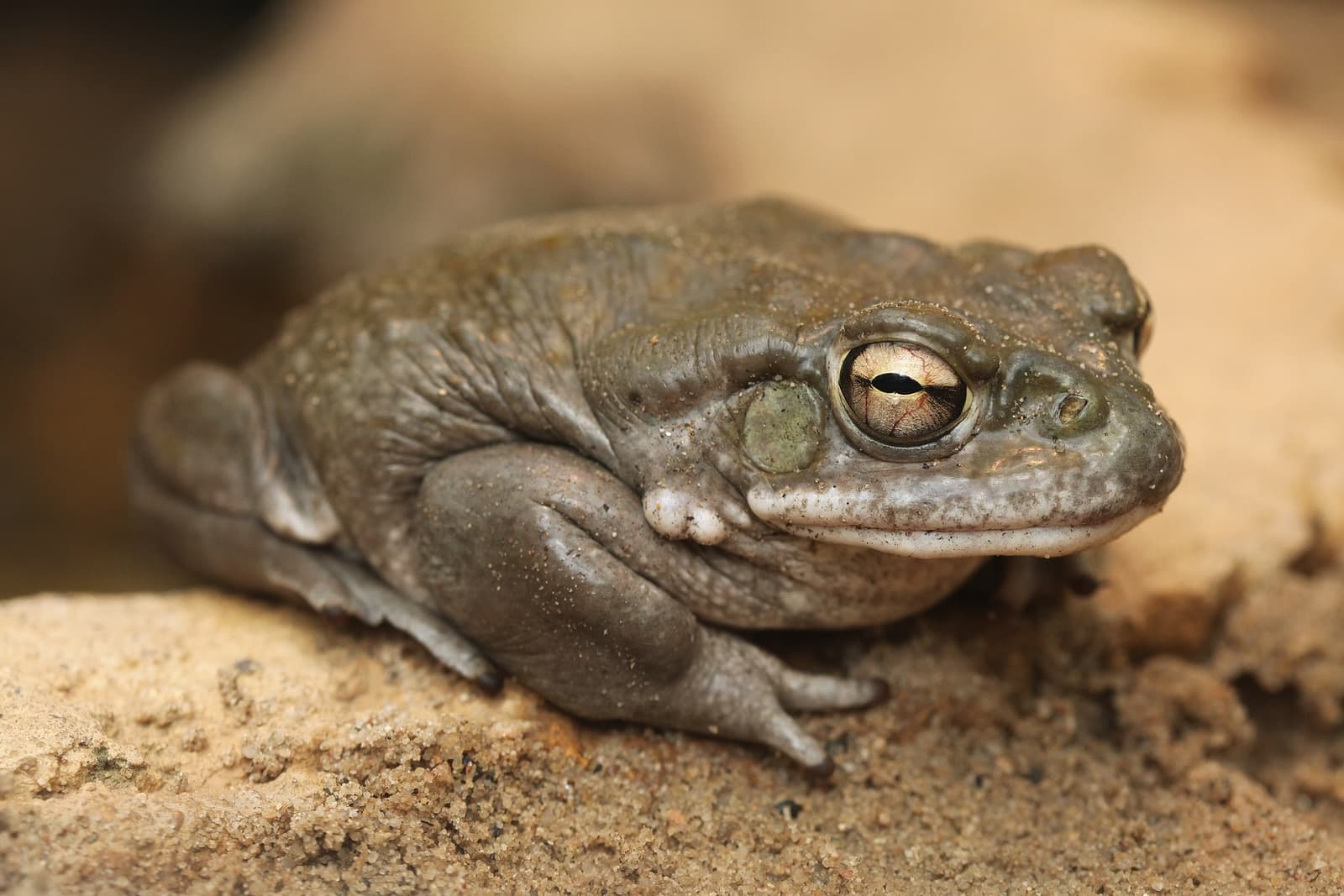
A new randomized, placebo-controlled study published in JAMA tested a different type of hallucinogen (JAMA, October 26, 2026). Mebufotenin (5-MeO-DMT) is found in certain plants and, notoriously, the Colorado River toad, which secretes toxic bufotenin from glands in its skin. NPR listeners might have heard twenty years ago about a cocker spaniel who got addicted to licking toads. We don’t know if the toads Lady was fond of licking were Colorado River toads (also known as Sonoran Desert toads, Incilius alvarius). Possibly not, since these toads are said to produce enough toxin to poison a dog. A few other species of toad also secrete hallucinogens in their skin.
Natural healers have used mebufotenin for thousands of years. It differs from many hallucinogens in that it has a rapid onset and short duration of action. Mebufotenin is not active when swallowed.
Using Mebufotenin for Treatment-Resistant Depression
An international team of researchers recruited 193 people with treatment-resistant depression that had not responded to ordinary antidepressants. They utilized synthetic mebufotenin benzoate administered as a nasal spray. Volunteers received a single dose. The investigators randomly assigned them to receive one of three different doses: 0.3 mg (subtherapeutic, used as a placebo or control), 8 mg and 12 mg. They assessed the effects on depression by having participants complete the Montgomery-Åsberg Depression Rating Scale. In this scale, higher scores mean depression is worse. People on both the 12 mg and 8 mg doses rated their depression significantly less serious at least a month after the dose. At two months out, 26% of those in the 8 mg group and 19% in the 12 mg group no longer met criteria for depression.
The psychedelic effects became apparent within a few minutes and lasted for up to an hour. Many patients were ready to leave the clinic within two hours.
The authors concluded that a single dose
“produced rapid, robust, and durable reductions in depressive symptoms.”
Adverse Effects of Mebufotenin
Undesirable effects were extremely common, although the researchers classified them as mild or moderate. Rates were 76% in those getting 8 mg and 85% in those getting a 12 mg dose in their nasal spray. Even the subtherapeutic dose produced unwanted effects in 73% of participants. The most common were nausea, headache and discomfort or pain in the nose. Some volunteers also reported anxiety, an increase in blood pressure, vomiting or trouble sleeping.
The scientists wrapped up their observations with these notes:
“The rapid postdose recovery time and therapeutic efficacy and durability of intranasal mebufotenin benzoate could increase patient acceptability while reducing health care resource utilization. Moreover, these findings suggest that a prolonged psychedelic effect is not required for durable antidepressant efficacy.”
Citations
- Feifel D et al, "Single intranasal administration of the psychedelic mebufotenin for treatment-resistant depression: A randomized clinical trial." JAMA, October 26, 2026. doi: 10.1001/jama.2026.18380

 alleviated treatment-resistant depression.&message=Hallucinogenic Toad Venom Eases Treatment-Resistant Depression&redirect_asPath=https://www.peoplespharmacy.com/articles/hallucinogenic-toad-venom-eases-treatment-resistant-depression)