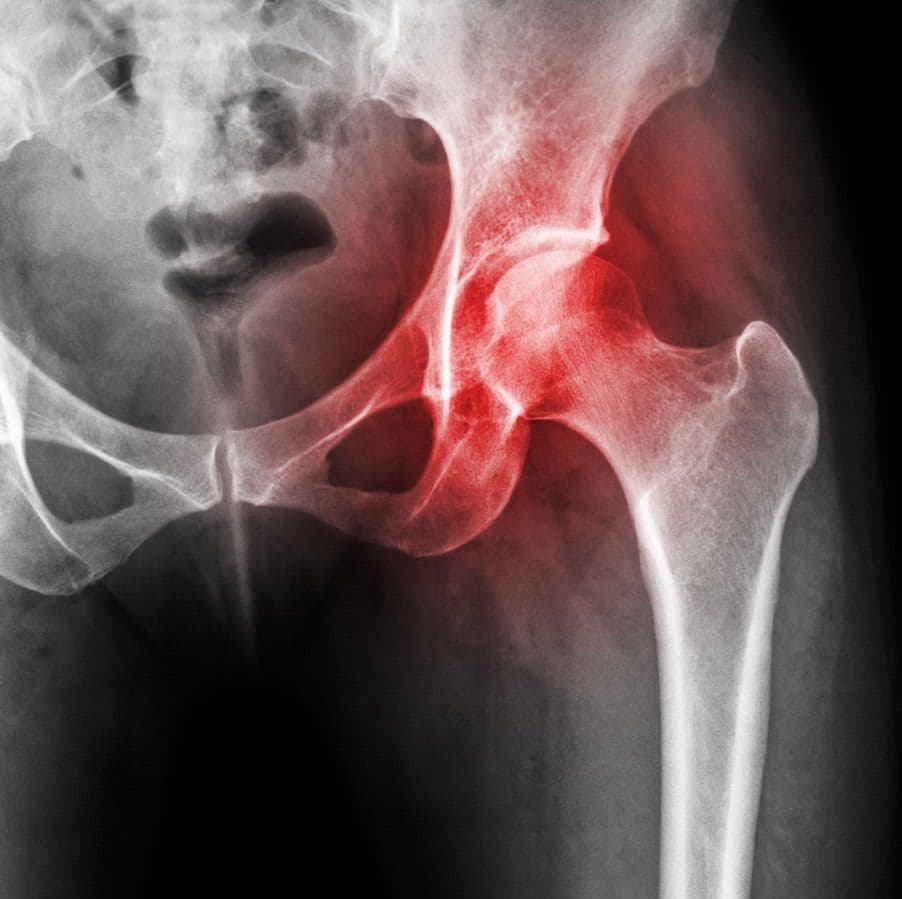
Healing Joints and Nerves
Millions of Americans are in pain. Arthritic joints make exercise difficult, even though moving is one of the best things we can do for joint pain. Pinched nerves can cause excruciating, long-lasting pain. The usual treatments, such as NSAIDs, may help ease the pain momentarily, but do nothing to help heal the underlying condition. What do you know about the new science of regenerative therapies?
At The People’s Pharmacy, we strive to bring you up‑to‑date, rigorously researched insights and conversations about health, medicine, wellness and health policies and health systems. While these conversations intend to offer insight and perspective, the content is provided solely for informational and educational purposes. Please consult your healthcare provider before making any changes to your medical care or treatment.
How You Can Listen:
You could listen through your local public radio station or get the live stream at 7 am EST on Saturday, April 11, 2026, through your computer or smart phone (wunc.org). Here is a link so you can find which stations carry our broadcast. If you can’t listen to the broadcast, you may wish to hear the podcast later. You can subscribe through your favorite podcast provider, download the mp3 using the link at the bottom of the page, or listen to the stream on this post starting on April 13, 2026.
You can also watch Dr. Buchheit talking with us on YouTube.
The New Science of Regenerative Therapies
What is the price of pain relief for aching, arthritic joints? We’re not talking about the drugstore sticker on a bottle of ibuprofen. Instead, we are referring to the potential negative consequences of utilizing such medicines for temporary symptomatic relief when the joint continues to hurt for weeks, months or years. Even more powerful treatments, such as corticosteroid injections into the sore joint, don’t heal the cartilage. In fact, they may contribute to further deterioration as they suppress the immune system. Our guest offers other ways to treat joint pain with regenerative therapies.
Immune Mechanisms That Resolve Inflammation
Dr. Tom Buchheit is a pain management specialist who has worked with elite athletes as well as seniors to get them moving well again after an injury. One of the reasons exercise can be so helpful is that the right kind and amount of movement creates good inflammation. Unlike chronic inflammation that causes further harm, good inflammation helps the immune system switch to a different phase, one in which destructive pathways are resolved. The three pillars of exercise are aerobic exercise, muscle building exercise and exercise to improve balance. Together, these types of exercise help recovery and healing and can even help heal damaged nerves. NSAIDs like naproxen, celecoxib or ibuprofen can interfere with the good inflammation exercise creates. Rather than taking such a pill before a game or workout, it makes sense to wait and take it afterwards if you need it.
Will Exercise Wear Out Your Joints?
Injury can damage the joints, but the idea of osteoarthritis as a consequence of wear and tear seems to be a medical myth. Instead, we might think of osteoarthritis as a chronic wound that may need regenerative therapies to heal properly. Immune system building blocks like omega-3 fats in the diet and a wide palette of colorful produce can help with the healing. Movement itself is part of the healing process.
What Are the Regenerative Therapies?
PRP
Some of the therapies we think of as “new” have actually been in use for several decades. One of these is platelet-rich plasma, which was initially developed to help wounds heal. In this treatment, the doctor uses the patient’s own blood. The plasma with as many platelets as possible concentrated in it is then carefully injected into the painful joint. The idea, again, is to cause “good inflammation,” alerting the immune system that healing is needed here and encouraging it to flip into inflammation resolution mode. Not all studies of platelet-rich plasma (PRP) have shown benefit, but some of that may be due to using plasma that is not truly rich in platelets. Properly prepared PRP works especially well for ligaments and tendons, according to Dr. Buchheit.
MSC
If you hear someone talk of getting a “stem cell” injection, they are talking about MSC. They were originally misnamed mesenchymal stem cells, but would be better termed medicinal signaling cells. They too are derived from the patient’s own body. Rather than rebuilding cartilage, they also signal the immune system to switch from long-term damaging inflammation to short-term healing inflammation. This is also the idea behind prolotherapy, in which the therapist injects sugar water into the joint. That may sound like a placebo, but it can be effective at easing pain and helping healing.
Autologous Conditioned Serum
Dr. Buchheit describes another of the regenerative therapies, autologous conditioned serum. Blood is drawn and encouraged to clot; then the serum is injected into the troublesome joint. Clotting helps create powerful signals that healing is needed. This therapy is not widely available, as only about ten places in the US have the dedicated laboratories required to prepare ACS properly.
Hydrodissection
Dr. Buchheit also describes how to use injections to free up trapped nerves in a process called “hydrodissection.” This is often very helpful in alleviating chronic neuropathy. We conclude the episode with a brief reminder of how to stay healthy once you get nerves and joints feeling good again.
This Week’s Guest
Thomas Buchheit, MD, served as Chief of Pain Medicine at Duke from 2013-2019 and led several NIH- and DoD-funded research studies. His focus is on immune mechanisms that resolve inflammation and pain.
In 2025, Dr. Buchheit completed his book, Healing Joints and Nerves: Immune Stimulation and the New Science of Regenerative Therapies, and founded Triangle Regen Medicine and Biologics Center. His overarching goal is to help patients understand and use regenerative therapies to activate their own healing and repair mechanisms. He continues to serve as adjunct associate professor at Duke and collaborates with colleagues at the Center for Translational Pain Medicine.
His website is https://triregenmed.com/
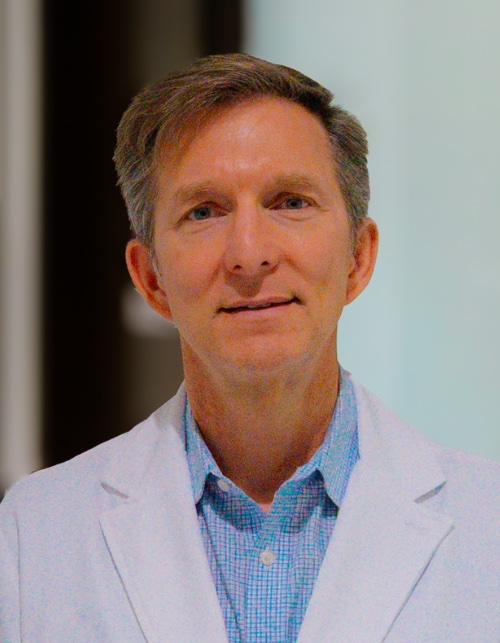
Dr. Tom Buchheit
The People’s Pharmacy is supported by readers and listeners. When you buy through a link on this site, we may receive a small commission, at no additional cost to you.
Listen to the Podcast
The podcast of this program will be available Monday, April 13, 2026, after broadcast on April 11. The podcast has additional information about how to use MSC as well as the cost of regenerative therapies. We also discuss the pros and cons of pharmaceutical pain relievers. You can stream the show from this site and download the podcast for free.
Download the show on mp3, or listen to the podcast on Apple Podcasts or Spotify.
Transcript of Show 1468:
A transcript of this show was created using automated speech-to-text software (AI-powered transcription), then carefully reviewed and edited for clarity. While we’ve done our best to ensure both readability and accuracy, please keep in mind that some mistakes may remain. If you have any questions regarding the content of this show, we encourage you to review the original audio recording. This transcript is copyrighted material, all rights reserved. No part of this transcript may be reproduced, distributed, or transmitted in any form without prior written permission.
Joe
00:00-00:01
I’m Joe Graedon.
Terry
00:01-00:05
And I’m Terry Graedon. Welcome to this podcast of the People’s Pharmacy.
Joe
00:06-00:27
You can find previous podcasts and more information on a range of health topics at peoplespharmacy.com.
Exercise is critical for good health, but when your joints or nerves hurt, it’s hard to keep moving. What can you do? This is the People’s Pharmacy with Terry and Joe Graedon.
Terry
00:34-00:49
Most people rely on non-steroidal anti-inflammatory drugs. Millions take over-the-counter ibuprofen or naproxen every day. Others rely on prescription medicines such as celecoxib or meloxicam. What are the downsides?
Joe
00:50-00:54
Our guest today is an expert in regenerative medicine.
Terry
00:55-01:00
What does that mean? And how does it differ from the usual way to manage pain and speed recovery?
Joe
01:01-01:06
Coming up on The People’s Pharmacy, the new science of regenerative therapies.
Terry
01:14-02:05
In The People’s Pharmacy Health Headlines: flu season is pretty much over, but every year it takes a toll, especially among frail elderly people in nursing homes.
A new study published in JAMA Internal Medicine asked whether using Tamiflu preventively could reduce hospitalizations and death. Researchers reviewed records covering 404 flu outbreaks in 318 nursing homes. More than 35,000 residents were covered by the study.
When Tamiflu was given to at least 70 percent of the residents within two days of the first flu cases, there were dramatically fewer hospitalizations needed within the next two weeks. That’s in comparison to situations where Tamiflu was not provided as a preventive medicine.
Joe
02:05-03:06
If you ask most cardiologists what causes heart disease, the answer is likely to be LDL cholesterol. They might also mention triglycerides, lipoprotein A, and high blood pressure.
They probably won’t consider lead, but a study of over 42,000 American adults who participated in the National Health and Nutrition Examination Survey tracked lead levels over many years. Those with the highest levels of lead in their bones were more likely to die from heart disease or stroke.
People born in the 1930s and 1940s, before lead was removed from gasoline and paint, have the highest lifetime lead exposures. Further reduction in lead exposure should lead to lower rates of cardiovascular mortality. An editorial in the journal suggests that coronary heart disease is in part attributable to lead and other environmental exposures.
Terry
03:07-04:00
What is the cause of memory loss as people age? A recent study of mice suggests it might begin in the gut. Specifically, the scientists tracked microbiome aging throughout the lifespan. They found that gut bacteria producing medium-chain fatty acids accumulate with aging and drive inflammation. This, in turn, weakens the signal from the vagus nerve to the brain, with the result that the hippocampus falters. The hippocampus is critical to memory.
In this study, the scientists introduced phage viruses to target the parabacteroides, gut microbes, causing the trouble. They suggest such interventions might counteract age-associated cognitive decline, although, of course, mice are different from humans. We look forward to research that might demonstrate its feasibility in people.
Joe
04:02-05:08
Fibromyalgia is a painful and chronic condition that affects soft tissue. It also causes fatigue, brain fog, and sleep problems. Millions of Americans are affected by this somewhat mysterious condition.
A study published in JAMA Network Open reports that the combination of physical therapy and transcutaneous electrical nerve stimulation, also known as TENS, can reduce pain. Over 380 patients participated in the trial. Volunteers were randomized to receive PT plus TENS or physical therapy alone. After two months, those getting physical therapy plus electrical stimulation reported significantly less pain than those in the PT-only group.
The authors note that the findings demonstrate effectiveness of this non-pharmacological intervention in reducing movement-evoked pain and suggest that the benefits of TENS are clinically meaningful in this population.
Terry
05:09-06:17
With warmer weather, tick season is right around the corner. In fact, it’s already here in many parts of the country. Most people have heard of Rocky Mountain spotted fever and Lyme disease, but ticks can transmit over a dozen different diseases, from anaplasmosis and babesiosis to ehrlichiosis and alpha-gal syndrome. It’s estimated that more than 500,000 people could be treated for Lyme disease between now and the first freeze this fall.
But there is potentially good news on the horizon. Pfizer is teaming up with a French company to produce a vaccine against Lyme disease. It triggers your body to make antibodies to a protein on the surface of the Borrelia bacterium. These antibodies keep the Lyme-causing bacteria from infecting you and causing disease.
And that’s the health news from the People’s Pharmacy this week.
Welcome to the People’s Pharmacy. I’m Terry Graedon.
Joe
06:17-06:27
And I’m Joe Graedon. You’ve heard us praise the power of exercise for good health. But it can be hard to keep moving when your joints hurt.
Terry
06:27-06:44
The usual approach is to take a non-steroidal anti-inflammatory drug, such as ibuprofen or naproxen. That is a short-term solution, and it comes with a handful of side effects. What else could we do to alleviate joint pain?
Joe
06:44-07:11
To help us understand some new options, we are talking with Dr. Tom Buchheit. He’s done research on immune mechanisms that resolve inflammation and pain. He serves as an adjunct associate professor at Duke University and collaborates with colleagues at the Center for Translational Pain Medicine.
His new book is “Healing Joints and Nerves: Immune Stimulation and the New Science of Regenerative Therapies.”
Terry
07:13-07:16
Welcome to the People’s Pharmacy, Dr. Tom Buchheit.
Dr. Tom Buchheit
07:17-07:27
Thank you, Terry, Joe. It’s wonderful to be here.
I have to say, I’ve been listening to your show since 1998 when my wife and I moved to North Carolina, and it’s just a delight to be here. So thank you.
Joe
07:27-08:36
Well, thank you so much for joining us. You know, Dr. Buchheit, I’d have to say that if people ask us, and they occasionally do, what’s the one most important thing we should do for good health?
The answer is simple. We say exercise. Exercise is absolutely critical. Move your body. Even if it’s just for a walk every day, if you can. And if you can do more, so much the better. Terry is a black belt in karate. I love to play tennis. We love to move our bodies.
There’s only one problem. What interferes with exercise? Pain. Injuries. You know, when you exercise a lot, you sometimes hurt yourself, and then you have to take a break. And for people who really enjoy exercising and want to do it, that can be both psychologically and physically very challenging.
So help us understand your field and how to help people get back moving again once they hurt themselves.
Dr. Tom Buchheit
08:37-10:02
Well, Joe, you brought up a really good point. Exercise plays a very important part of health for all of us. And I think we increasingly know the reasons why. One of the core topics that I talk about and like to focus on is the importance of healing and our body’s innate ability to heal. We turn those healing mechanisms on by stimulating certain immune cells, and one of the most powerful ways of doing so is exercise.
Exercise does it. Good inflammation does it. Some other regenerative therapies do it. And these are all bound together by the same healing mechanisms. But you’re right, exercise is core to that.
The challenge a lot of people run into is that they have an injury. They have arthritis, a problem in a joint. They’re unable to do that. And their question is, how do they get back to that activity? What I use, I use the phrase orthopedic limbo. That individual is in orthopedic limbo. They have an issue that prevents them from pursuing their tennis or their karate or just walking the dog or spending time with friends. And they’re trying to figure out how to get beyond that and move again, but they’re not necessarily a surgical candidate.
So what can they do? And that’s one of the reasons I like to focus on these things that stimulate a healing response and stimulate recovery to function.
Joe
10:02-10:11
And we’ll talk a little bit more about some of those strategies because they’re really intriguing. But first, why is exercise so important?
Dr. Tom Buchheit
10:13-10:16
Exercise is important because it produces good inflammation.
Terry
10:18-10:21
Whoa, whoa, whoa, wait. Inflammation is good?
Dr. Tom Buchheit
10:23-11:23
That’s an important topic, right? I think a lot of people hear inflammation, they think immediately inflammation is always bad. We have to get rid of it. We have to suppress it. We have to drive it down.
And there are, and I think you’ve talked about this in your show before as well, but there are good components of inflammation. We have to be careful we don’t throw the wheat out with the chaff with that. So chronic inflammation is always bad, right? It damages tissues. It drives arthritis. It drives chronic pain.
But short-term, brief, and fairly strong inflammation is how we heal. If I had an ankle sprain and I bled into that ankle sprain, that injury, that inflammation is what heals that ligament eventually. You bleed, you release growth factors, you turn on these immune systems.
Exercise does that same thing, but it’s good inflammation. So I think of good inflammation as short, reasonably strong, and able to flip an immune switch that begins a healing cascade.
Terry
11:24-11:33
Dr. Buchheit, in “Healing Joints and Nerves,” you talk about the three pillars of exercise. What are the three pillars and why do we need three of them?
Dr. Tom Buchheit
11:35-12:23
Well, great question. There are certain tremendous advantages of aerobic exercise. We know that people who have a high aerobic capacity and who can exercise at high levels, it doesn’t matter if it’s running, swimming, playing tennis, that’s linked to longevity. We also know that muscle mass, and increasingly people talk about muscle mass being very important and strength being very important to strengthen joints. And we see this with studies of even arthritis patients who have less joint pain if they can strengthen the support structures of that joint.
And then, of course, balance is such a wonderful thing, whether it’s through balance exercises or yoga or tai chi, just such wonderful exercises that brings all this together of strength, stability, and the ability to stay on two feet without falling down.
Joe
12:24-12:52
I want to know how exercise helps recovery, because that’s, you know, we often hear, “Oh, ice and rest and, you know, just don’t do anything for a week or two,” because a lot of tennis players, they want to get back on the court as fast as possible, and they’re told, “No, no, no, no, no, no, you got to rest those joints, that you pulled a muscle, you better let it rest.” And you’re suggesting that exercise actually helps with healing.
Dr. Tom Buchheit
12:53-13:52
It absolutely does. And it helps with healing because it flips that immune switch and turns on this healing cascade. There was a study that I think showed this well. It was patients who had ankle injuries and they were immobilized in crutches after an ankle injury and they measured the cartilage in their knees as a marker after immobilization.
And they found out that those who were in crutches for long enough actually had less cartilage in their knees. Their knees were never injured, but it was the lack of exercise that decreased the health of their joint cartilage. So our bodies need this. They need intermittent stress.
And I think this… we have kind of fallen into this trap where we think all inflammation is bad. I would push back on that. I think we need to stress ourselves, whether it’s studying for an exam, whether it is playing a tennis match, whether it’s going for a brisk walk. Our bodies use stress and use these intermittent bouts of exercise to strengthen.
Terry
13:54-13:57
I’m assuming we stress ourselves appropriately.
Dr. Tom Buchheit
13:57-14:30
Exactly. And that’s the Goldilocks phenomenon, right? If you want enough stress. So to look at it kind of biochemically, if you look, there are a lot of inflammatory proteins that a muscle will release if it’s been exercised.
Matter of fact, some of those will go up a hundred fold and they cause some of the aches that we’re familiar with after a strong workout. But those same inflammatory proteins will then flip and help our bodies to produce some of the anabolic proteins and things that rebuild tissues and strengthen tissues.
Terry
14:31-14:35
How does exercise help nerves regrow? You’ve said it does.
Dr. Tom Buchheit
14:35-16:00
That’s a great question. And that came as a bit of a surprise to me when I started doing research on this a bunch of years ago. We all thought of, and I think a lot of the medical profession thinks of, well, once you have neuropathy, it’s just a done deal. You’re never going to recover from it. Your nerves are gone. And neuropathy is nerve pain. Right, nerve pain and nerve dysfunction from the nerve pain.
And it can be different kinds. There can be sciatica somebody experiences after a disc herniation in the spine. There can be dying back of the nerves somebody experiences because of diabetes or they’ve had chemotherapy in the past. Those nerves can recover. And exercise is actually one of the important tools to help those nerves recover.
It does a few… through a few things. Some of the growth factors I talked about that exercise releases. It also does it through these very small immune particles called exosomes that we researched in lab that I’ve researched and looked at for a long time now. And they also help nerves recover.
[If] we think about it, nerves are energy hogs. And anything we can do to improve their energy supply through mitochondria, mitochondrial function, is going to help the nerve to recover. And so exercise and some of these other therapies can improve nerve function. They may not help a nerve regrow from the back all the way down to the foot, but they can take the nerves that are already there and help them work better and help people function better.
Joe
16:00-16:36
One of the things that most physicians, not all, but most physicians, especially the orthopedists like to prescribe are the non-steroidal anti-inflammatory drugs. So if you sprain your ankle, if you hurt your shoulder, if your back is giving you trouble, out come the NSAIDs. And of course, they’re also available over the counter, Aleve, naproxen, ibuprofen, Advil. And so people have come to just love non-steroidal anti-inflammatory drugs. You’ve suggested that they might be counterproductive in some ways.
Dr. Tom Buchheit
16:37-17:20
Well, they can be. And anti-inflammatory medications, what we call NSAIDs, they can, in fact, impair the strengthening our body’s experience with a workout. And this has been looked at in patients, this has been looked at in laboratory studies of laboratory animal models, that if you slow down or stop the inflammatory response to exercise, you also impair the muscle building and the strengthening you get from that workout. So NSAIDs, sometimes we may need to take them for a severe headache or a pain that’s keeping us from moving.
But if we take them chronically, they impair the very healing mechanisms that our bodies need to stay healthy and recover.
Terry
17:20-17:26
Now, if you were to take an NSAID for a workout, when should you take it and why?
Dr. Tom Buchheit
17:26-17:30
That’s a great question. So I think the clear answer is after the workout, not before.
Joe
17:32-17:42
A lot of my tennis buddies call it vitamin “I” and they take it religiously before they go out on the courts. So you’re suggesting maybe not such a good plan.
Dr. Tom Buchheit
17:42-18:06
I think if one can hold off until after the workout and wait as long as you can, it’s better off than before. I think it’s probably better for our joints and our bodies to have a shorter workout without an anti-inflammatory than a longer workout with.
Now, that’s never been studied in a randomized controlled trial, but I think it’s a good idea to avoid taking it before whenever possible.
Terry
18:07-18:15
You’re listening to Dr. Tom Buchheit, an expert in pain management and founder of the Triangle Regen Medicine and Biologic Center.
Joe
18:15-18:28
After the break, we’ll learn about steroid shots in joints. What might work to ease osteoarthritis pain? You may have heard of PRP and stem cells. We’ll get the details.
Terry
18:39-18:42
You’re listening to The People’s Pharmacy with Joe and Terry Graedon.
Joe
20:18-20:21
Welcome back to The People’s Pharmacy. I’m Joe Graedon.
Terry
20:21-20:39
And I’m Terry Graedon.
Joe
20:39-20:48
Today on The People’s Pharmacy, our topic is healing joints and nerves. What are regenerative therapies and how do they work?
Terry
20:48-21:14
Our guest is Dr. Tom Buchheit, founder of Triangle Regen Medicine and Biologic Center. Dr. Buchheit was chief of pain medicine at Duke University from 2013 to 2019 and is an adjunct associate professor there. His new book is “Healing Joints and Nerves: Immune Stimulation and the New Science of Regenerative Therapies.”
Joe
21:15-21:50
Dr. Buchheit, corticosteroids, very popular on the tennis court. You know, “Oh, my shoulder hurts. I need a steroid shot. Oh, my back aches.” Another steroid shot. “Oh, my knee is giving me trouble.” Another steroid shot. Doctors love them because people feel better oftentimes immediately after or within a few days and it lasts sometimes a couple weeks for some people maybe as long as a couple of months, but there’s a downside. What is it?
Dr. Tom Buchheit
21:50-23:48
Well, there is a downside, and it is true that a steroid injection can produce rapid pain relief, and can be helpful in some people to get them back to the gym, get them back to the workout.
My concern with steroid injections or corticosteroid injections is the repeated use of them. There was a study done now almost 10 years ago, and it was a randomized control trial looking at individuals who had osteoarthritis of both knees, and one group had saline injections into the knees. The other group had corticosteroid injections. And at the end of two years, there was no difference in the pain, which didn’t really surprise a lot of people because we know steroid injections tend to be shorter lived.
But the individuals that had repeat steroid injections actually had less cartilage in their knees than the ones that had saline. And I feel like that study was a bit of a wake-up call to all of us. And I did a lot of steroid injections at the time as well because patients seemed to do well with it. But it made me start rethinking how I was approaching this concept of how do you treat someone with joint pain, some arthritis, they don’t need surgery, again, the patient [in] orthopedic limbo.
We’ve relied on corticosteroid injections as a bit of a crutch, and I think we need to flip this paradigm and think about how do you improve cartilage health, how do you improve tissue health? This year is the 75th anniversary of the first corticosteroid injections that were done for arthritis pain. And it was a remarkable event.
But interestingly, I’ve gone back and I’ve read a lot of the historic literature on corticosteroids and their use in arthritis. And the physician who published the paper noted that 37 of 38 of his patients did extremely well after the steroid injections. But what he didn’t emphasize is some of the patients required up to 17 injections per year to maintain that.
Terry
23:48-23:49
Oh, my.
Dr. Tom Buchheit
23:49-24:00
And I think that’s the part that we’ve been missing within the medical world, is that a steroid injection can be an important tool, but I would argue it’s an overused tool in a lot of settings.
Terry
24:01-24:15
Well, 17 injections a year definitely sounds like it’s being overused. And one of the things that steroids do is they suppress the immune system. What’s the impact of long-term immune system suppression?
Dr. Tom Buchheit
24:17-25:22
Well, gosh, there’s a lot of things that [it] would do. Obviously, we could go into, you know, bone health and bone density. We could go to the endocrine system and looking at, you know, someone who is borderline diabetic who becomes frankly diabetic after repeated steroid injections.
We can look at tissue healing as well. But if I kind of focus on the cycle, I think we need to think of our bodies as cycles, right? We cycle day and night. We sleep. We wake up. And exercise and this immune stimulation that keeps our joints healthy is also a cycle. It’s a cycle of exercise and recovery.
And anyone who’s trained knows this inherently. You have hard workout days. You have recovery days. And I think if we use tools like steroids or anti-inflammatories continuously, we remove those necessary cycles of stress and recovery, stress and strengthening. And steroids, I think, act in some ways have similar effects as the anti-inflammatories do. And I can quote, we can talk about a study as well that dives into that.
Joe
25:23-25:52
Well, I’d like to talk about one of the reasons that a lot of people get steroid injections and one of the reasons why they take a lot of the anti-inflammatory drugs, and that’s osteoarthritis. And it can affect your fingers. It can affect your shoulders. It can affect your knees. It can affect your hips. It can affect just about every joint in your body. And I remember someone saying a long time ago, well, exercise is going to make it worse.
Dr. Tom Buchheit
25:53-27:48
Right, that’s the old wear and tear hypothesis and that was the hypothesis about osteoarthritis for years which is that well you just you’re just wearing your joints too much and they’re just wearing down.
That ignores the fact though that exercise restores cartilage health, and you know some people talk about well someone loses weight and they have less joint pain and it must be less weight on their joints and less wear and tear. But the hand arthritis also gets better if you lose weight.
And so I think it’s an issue of a systemic chronic inflammatory problem that’s improving with weight loss. We’ve then moved from the wear and tear hypothesis to the inflammatory hypothesis of arthritis. And it made sense. We can see inflammation on ultrasound if we do an ultrasound exam of a joint. You can pull out fluid, and it looks inflammatory if you look at it under biochemical analysis. The patients feel the inflammation, but if you treat the inflammation, it doesn’t improve the disease state. And that’s been shown so many times.
There have been at least four studies of strong inflammation suppressors in the rheumatoid arthritis drugs that have been looked at for osteoarthritis. They did not work. There have been studies of corticosteroid injections. Again, they tend to worsen the problem, not make it better.
The concept that I think we need to focus on is osteoarthritis is a chronic wound. And we need to think about how to heal the wound. If you heal the wound, the chronic inflammation also improves as well. And that explains, I think, the chronic wound concept explains why studies have failed in the past and why some of the therapies we do now, such as some of the regenerative therapies, can actually have a role.
Terry
27:49-28:09
Well, maybe you could tell us a little bit about what could work for osteoarthritis, because so far, we’ve talked about things that are less than ideal. The steroid injections, the NSAIDs, those are the most common. And there have to be things, maybe even a lot of things, that can be useful.
Joe
28:09-28:22
Well, first, what the heck is regenerative therapy? And second, why would exercise, because you’ve sort of alluded to that, be helpful for osteoarthritis? So give us the one-two punch.
Dr. Tom Buchheit
28:23-28:36
I always think of it as we start with a healthy diet, healthy fruits, vegetables, healthy fats, and exercise to that. And that is the core, I think, of keeping joints and nerves healthy.
Terry
28:36-28:37
And the rest of us.
Dr. Tom Buchheit
28:37-30:03
And the rest of the body as well, right? What’s good for your heart tends to be good for your joints as well, right? It’s enough for a lot of people, but it’s not enough for everybody. And it’s not enough for people who have had injuries in the past. It’s not enough people who have a systemic inflammatory issue going on.
And that’s when I think about layering on what some people call regenerative therapy. Some people may call it an ortho-biologic. These are ways of stimulating those immune cells I talked about and pushing them into a state where they are resolving and building tissues again, where they’ve been suppressed in the past and they’re kind of low level. They’re chronically inflamed. They’re not behaving well.
You need to push them into a new state, this resolving state. And I think of it not as suppressing inflammation but resolving it. And it might sound like a little bit like splitting hairs a bit. But if I think of suppressing inflammation or fighting inflammation, I think of you’re putting a drug on it to tone it down temporarily.
When I think of resolving inflammation, I think of our body’s natural processes that resolve it. There are some wonderful fats that do this. They’re called SPMs. They’re derivatives of omega-3 fatty acids. Our bodies use those and other compounds to naturally resolve inflammation. Matter of fact, in the lab, some of those compounds are more powerful than morphine in animal models of nerve pain to resolve inflammatory pain in models.
Joe
30:04-30:07
Wow, that’s amazing. Tell us, how do you do that?
Dr. Tom Buchheit
30:08-30:10
Well, our bodies make these compounds.
Terry
30:10-30:22
And you say they make them from omega-3 fats like fish oil or walnut oil or the fats that we get in very small quantities from dark green leafy vegetables.
Dr. Tom Buchheit
30:23-30:53
Precisely. If we eat a diet rich in healthy fats, as you pointed out, from walnuts, nuts, cold water fishes like salmon and anchovies and tuna, as long as it’s not too high in mercury, our bodies take those fats and they make other compounds from them. And those other compounds will resolve inflammation.
They work with the leafy green vegetables and all the colorful vegetables that you all have talked about that are so important to overall health.
Terry
30:53-30:55
We love talking about colorful vegetables.
Dr. Tom Buchheit
30:56-31:13
But that all works together. And that, to me, is the foundation of really regenerative medicine is what our bodies are already doing and how can we promote those activities themselves. A lot of people focus on a procedure and injection, and they can be helpful, but we have to start with our own bodies.
Joe
31:13-31:43
So it sounds like diet is critical and the healthy fats, the omega-3s are especially beneficial. So your body can do this resolving stuff. And exercise is also important, presumably if it’s, you know, mild exercise, if you’ve injured yourself so that you don’t re-injure yourself.
But what are some of these other agents, this regenerative process that you’re talking about that you practice when you see patients who have had injuries?
Dr. Tom Buchheit
31:43-33:05
Yeah, great question. I would put them in three different categories, things like platelet-rich plasma, which we’ll talk about, stem cells, or something called autologous conditioned serum. Some people know it as the Regenokine program. PRP or platelet-rich plasma is probably the one I’d start with because it directly activates our own healing cascade.
Interestingly, back to my analogy of the wound in a joint, PRP was first used to treat wounds. It was first used by a wound surgeon published in 1986. It’s been around for a while. Then it was used in the oral surgery field to heal non-healing wounds. And then it kind of leapt into the world of arthritis and nerve issues and things like that. But what it is, is if you take blood and you spin it down and you collect the platelets and the white blood cells there, they can act with the growth factors and act in a way to flip that immune switch I was talking about to start to rebuild tissues.
So it’s a way to almost use that, almost like exercise. It’s almost like exercise in a tube in a way. You take that blood product and you inject it onto a knee or a shoulder or hip, and it further turns on those healing mechanisms that our body can have, but aren’t always strong enough by themselves.
Joe
33:05-33:17
Now, let’s make it very clear. We’re not talking about someone else’s blood. We’re talking about our own blood is being removed. And I assume it’s not gallons. It’s just a little bit. How much?
Dr. Tom Buchheit
33:18-33:30
Well, actually, that’s a very good point. You need a fair amount. You need a fair amount because you have to make sure the PRP dose is right. So how much is 60 to 120 milliliters?
Joe
33:31-33:33
So for people who are not metric.
Terry
33:34-33:40
So a cup is roughly 250 milliliters. So we’re talking less than a cup.
Joe
33:40-33:44
Less than a cup. Right. So it’s not gallons. It’s a little bit of blood.
Terry
33:44-33:46
Maybe a half a cup, more or less. Half a cup, a cup.
Joe
33:47-33:57
And you’re removing that blood, and then you’re spinning it down, and you’re extracting the platelet-rich plasma.
Dr. Tom Buchheit
33:57-33:59
Exactly. Now…
Joe
33:59-34:00
And re-injecting it.
Dr. Tom Buchheit
34:00-34:20
And re-injecting it. PRP has become quite controversial. One of the reasons is because there have been a couple of very large trials that have shown it hasn’t worked.
But if you go back and analyze the studies, which I’ve done with some colleagues, it turns out that if the plasma isn’t rich in platelets, it doesn’t work. And it sounds a bit, you know, axiomatic.
Terry
34:21-34:26
Right. So you have to have the right stuff in order for it to work the way it’s intended.
Dr. Tom Buchheit
34:26-34:26
Exactly.
Joe
34:27-34:31
So is it a little less controversial now? Are there studies demonstrating benefit?
Dr. Tom Buchheit
34:32-34:44
There are with high doses, and I think that’s the key. If the dose isn’t right, it just doesn’t work. And that’s why it’s important. And one of the things that I do is I measure the doses of every PRP to make sure that dose is correct.
Joe
34:45-35:03
So our listeners and a lot of your colleagues learn from stories. Can you share a story with us about somebody who came to your practice in pain and maybe not able to exercise, and that person benefited from PRP?
Dr. Tom Buchheit
35:05-35:24
I think it’s a common scenario. I would use the scenario of someone who’s had a prior ACL tear or a lot of knee ligament tear. Especially young women athletes seem to have this quite commonly. The problem with these tears is that it sets them up for early arthritis.
Joe
35:25-35:28
And we know the surgery itself has some issues.
Dr. Tom Buchheit
35:29-36:15
Right. Well, joint replacement surgery can be very successful, but you also don’t want to do that when you’re 45 years old and still active because you may wear out your joint. You might wear out the replacement.
And that to me is a good candidate for what I would call regenerative therapy or biologic therapy, where you can turn this inflammatory process, this chronic wound of a knee that’s had a prior injury and can’t quite get into the healing mode, and you can add PRP or another therapy to it to really turn the corner of that knee and allow it to start healing.
What other joints benefit? Really any joint can benefit. Most of the studies have been done in knee osteoarthritis because it’s so common.
Terry
36:15-36:18
So common and so troublesome if you have it.
Dr. Tom Buchheit
36:18-36:39
Precisely. Precisely. But shoulder, hip, other joints, and actually some of… there’s some very good literature for PRP for ligaments and tendons.
So for the outside of the hip, the trochanter or tennis elbow is a very common, very common scenario. Again, that’s a scenario where a tendon is there and it’s just not healing up and you want to add growth factors to it to get it to heal.
Joe
36:39-36:45
Are the orthopedic surgeons embracing PRP these days or are they still a little resistant?
Dr. Tom Buchheit
36:45-37:06
Well, I think the orthopedic community is embracing this to a fairly significant extent. And it does compete. There’s a question of does it compete with surgery for some people, but I think it has a clear role.
And as we understand what makes a regenerative therapy more effective, they’re going to, I think, gain more and more acceptance.
Terry
37:06-37:09
What about side effects of PRP?
Dr. Tom Buchheit
37:09-37:25
The main side effect for PRP is a flare-up of pain. If you think about it, you’re turning on an immune system, you’re turning on these white blood cells. So I tell people it’s an expected side effect. They’re going to have oftentimes discomfort, sometimes even swelling for a few days afterwards.
Terry
37:25-37:30
So you’re creating short-term inflammation to overcome the long-term inflammation.
Dr. Tom Buchheit
37:30-37:31
Just like exercise.
Terry
37:32-38:05
You’re listening to Dr. Tom Buchheit, author of “Healing Joints and Nerves: Immune Stimulation, and the New Science of Regenerative Therapies.” Dr. Buchheit founded the Triangle Regen Medicine and Biologic Center.
His research has focused on immune mechanisms that help resolve inflammation and pain. From 2013 to 2019, he was chief of pain medicine at Duke University, and now he is an adjunct associate professor there.
Joe
38:05-38:14
After the break, we’ll consider the case of a long-distance runner who has developed hip arthritis that interferes with his running.
Terry
38:14-38:20
Do stem cells help cartilage grow back? If not, what are they doing to ease pain?
Joe
38:21-38:36
What is prolotherapy and how does it work? Injecting dextrose, that’s sugar water, sounds almost like a placebo treatment. Is it effective and how long has it been available?
Terry
38:36-38:45
It does sound like a placebo. You’ll also find out about autologous conditioned serum. What is that? How does Dr. Buchheit use it?
Joe
38:46-38:53
Some of the same therapies that work for joints can also help nerves. How do they work for that?
Terry
39:06-39:21
You’re listening to The People’s Pharmacy with Joe and Terry Graedon.
Welcome back to The People’s Pharmacy. I’m Terry Graedon.
Joe
39:21-39:38
And I’m Joe Graedon.
Terry
39:39-39:57
Today, we’re discussing some new therapies for arthritic joint pain. We’ll also find out what can be done for trapped nerves. Have you ever heard of prolotherapy? It involves the injection of sugar water into an injured joint. How could that possibly be beneficial?
Joe
39:57-40:33
To learn more about prolotherapy and PRP, as well as other new options, we’re talking with Dr. Tom Buchheit. He’s done research on immune mechanisms that resolve inflammation and pain. He founded the Triangle Regen Medicine and Biologic Center. Dr. Buchheit serves as an adjunct associate professor at Duke University and collaborates with colleagues at the Center for Translational Pain Medicine. His new book is “Healing Joints and Nerves: Immune Stimulation and the New Science of Regenerative Therapies.”
Terry
40:34-41:33
Dr. Buchheit, I’d like to ask you about a scenario. I know a person happens to be related to me, not Joe, not Dave, but this individual actually dislocated his hip on a construction site when he was in his early 20s. He is now 75. He has been a long-term, long-distance runner, and he has recently had a problem with hip pain on the hip that he dislocated back when he was a young guy.
So he went to the doctor, and the doctor said, yeah, you’ve got a lot of arthritis there. What would you advise this fellow for relieving his pain? He said, well, I don’t think I’m going to be running anymore. He does walk. But what advice do we have?
Joe
41:33-41:37
And he loves to run. I mean, this is a long-distance runner for decades.
Dr. Tom Buchheit
41:37-42:08
It’s a common scenario. And to me, there are a couple of questions. What is their level of function they’re at now? What do they want to be? How much cartilage do they have? It’s easier to use some of these regenerative therapies for people who have some cartilage left.
And I always think of this as a way to improve tissue health, improve the health of tissues and cartilage that’s already there. It’s not going to regrow cartilage. Even stem cells don’t regrow cartilage. And that’s something we can talk more about, but that’s a misconception out there.
Terry
42:08-42:11
So people think that stem cells will regrow cartilage.
Dr. Tom Buchheit
42:11-42:27
People think that they do, but they don’t. And there’s, I think, a couple of reasons why. The stem cell story is a really interesting story of great science that’s been misinterpreted over the years, and we can talk a bit about the details of that but…
Joe
42:27-42:56
But I’d like to get back to the PRP alternatives. So you’ve made a strong case for plasma rich… for platelet-rich plasma, PRP.
What other regenerative strategies do you have and how else can they help either osteoarthritis or an injury or some other situation that is interfering with exercise?
Dr. Tom Buchheit
42:57-43:16
It all kind of depends on the severity, what’s going on, what the joint looks like. And when I say it looks like, what does it look like under MRI, under x-ray, under ultrasound? And what does it feel like to the patient?
It can be from a, if it’s a tendon or ligament issue, you can use things like prolotherapy to stimulate a healing response.
Terry
43:16-43:19
That’s great. We want to know what prolotherapy is.
Joe
43:19-43:20
What is it?
Dr. Tom Buchheit
43:22-43:27
Prolotherapy was commonly used. Now we use it… Dextrose, actually.
Joe
43:27-43:30
That’s sugar. Sugar water. Sounds like a placebo.
Dr. Tom Buchheit
43:32-43:41
Amazingly, it does sound like a placebo. But if you put sugar water in high enough concentration, it will set up an inflammatory reaction in that same immune response we’ve been talking about.
Joe
43:42-43:44
And prolotherapy’s been around for decades.
Dr. Tom Buchheit
43:44-43:49
It’s been around for, yes, it’s been around for 70, 80 years. Absolutely.
Joe
43:50-43:56
And a lot of times, I think some of your colleagues have said, “Yeah, that’s nonsense.” But you believe it works.
Dr. Tom Buchheit
43:57-44:08
I do. And I use it most often for tendons and ligaments that need, again, they need to flip that switch and they need to go into healing mode because it will set up that immune response.
Joe
44:08-44:13
So you’re injecting sugar water, dextrose, into the area that is painful.
Dr. Tom Buchheit
44:14-44:51
Exactly. Now, it’s partly what you’re injecting. It’s partly how you’re injecting because you do a technique that actually purposefully does minor injury to the tendon or ligament. People call it a fenestration. It has different words to it, but you do a little bit of a peppering technique of the tendon and you add this high concentration of sugar water.
The body responds to that inflammatory cascade and says, we have a problem here to fix. And the body sends in its messengers, just like it’s been an ankle sprain or another injury, sends in white blood cells, and then they start to get to work. So it’s really a calling card for immune systems.
Terry
44:51-45:06
So here again, you’re creating a short-term inflammation to overcome this chronic inflammation that is causing the pain.
You’ve said a couple times that the body needs to flip the switch. Can you tell us a little bit more about that, please?
Dr. Tom Buchheit
45:07-46:10
Yes. And your description is perfect. That’s exactly it. If we go back to the healing cascade and back to, say, the ankle sprain, there’s bleeding, there’s platelet release. The platelets not only release growth factors, but they pull in white blood cells.
One of those white blood cells is called a monocyte or macrophage. There’s been a lot of research into the macrophage that can change personalities. I liken it to the kind of the Incredible Hulk, Bruce Banner becoming Incredible Hulk. He’s uh mild-mannered in the bloodstream. He finds an injured tissue, becomes the Incredible Hulk and very angry.
But once he can resolve that anger, the anger of that macrophage, he can become kind of a subdued Hulk and start rebuilding these tissues. And so to me, it’s the work of the macrophage, which is this white blood cell that is key for healing. And when I refer to the switch, I’m referring to the macrophage switch.
Joe
46:11-46:24
So we’ve talked a little bit about PRP. You’ve mentioned prolotherapy, which is injection of dextrose into the area of pain and discomfort. What other regenerative therapies are there?
Dr. Tom Buchheit
46:25-46:31
There’s stem cells, and then there’s autologous conditioned serum, which is one that I’ve researched in lab and clinically as well.
Joe
46:31-46:32
What is that?
Dr. Tom Buchheit
46:33-46:51
That is a therapy that was developed in the 80s and 90s by a German orthopedic surgeon, Dr. Peter Wehling. And they were looking at ways to, again, resolve inflammation. And they found that if you take blood and let it clot over an extended period of time, again, the blood clot being important here.
Terry
46:51-46:52
Platelets.
Dr. Tom Buchheit
46:52-47:55
Exactly. Platelets and the things that the immune cells… Actually immune stimulation, if you stimulate that system in a test tube and then you pull off that serum, it has all kinds of inflammation-resolving proteins in it and growth factors.
And it’s been studied. It’s been used to… There are a lot of athletes that fly to Germany for this therapy. I use this therapy as well in my clinic now in Chapel Hill. But there was part of it that didn’t make sense because it was lasting longer than you’d expect just a growth factor or an anti-inflammatory protein to work.
So that’s when we started looking at the mechanisms. We found out that actually a lot of the effect of it is driven by these tiny immune particles called exosomes that can reprogram how cells behave.
So in a way, it’s kind of reprogramming tissues and how tissues behave. And that, to me, I think was the kind of the secret of the sauce, which is it’s allowing cartilage, allowing a tendon or ligament to become more youthful, for lack of a better term, because it’s being reprogrammed.
Joe
47:55-48:32
So how would somebody who’s either injured themselves, as Terry’s relative… [we] won’t mention any names… with his dislocated joint, and the osteoarthritis that has resulted, or an athlete who is elite, you know, one of the great basketball players at Duke University who comes to you and says, “Oh, I got to get back in the game next week.”
How do you do this autologous thing that you’re talking about? How do you make this stuff and how safe is it?
Dr. Tom Buchheit
48:32-49:06
Well, right now we make it in the lab. We built a lab for this and it’s actually quite safe. It’s been used for 20 years, a couple hundred thousand patients across the globe. It’s been used more in Europe than it has in the United States, but it has a very long track record, partly because the quality control of it is just so tight.
There are only a couple of places, there are only about 10 places in the United States where you can get it. And the lab, our lab technique, and everybody’s trained very highly. So I think the key to it is the standardization of processing and the quality control of the processing.
Joe
49:06-49:07
And what exactly is it?
Dr. Tom Buchheit
49:08-49:10
It’s a serum product, so serum from blood.
Joe
49:10-49:15
So again, we extract some blood from the individual and you do the magic sauce thing.
Dr. Tom Buchheit
49:16-49:27
Yes, exactly. And then occasionally things are added to that magic sauce, depending on the individual in front of you. And it’s injected in several different times, usually over the course of a week or so.
Terry
49:27-49:49
We have spent most of our time together talking about joints, bones, cartilage, and tendons and ligaments. And I would like to ask about nerves because healing joints and nerves, you’re talking about nerves, and nerve pain can be really awful. Why does it last so long?
Joe
49:50-49:51
And what can you do about it?
Dr. Tom Buchheit
49:51-50:16
Right, importantly. Why is it there and what do you do about it? A nerve will cause pain if it’s firing on its own. It has different names, autonomous firing. But if a nerve is compressed, strangled, or otherwise restrained, it tends to fire on its own spontaneously. And that spontaneous firing we feel is pain.
Terry
50:16-50:21
So sometimes we call that entrapment or impingement. They’ve got fancy terms for it, but it’s trapped.
Dr. Tom Buchheit
50:22-50:56
Exactly. If you trap a nerve, if you trap a nerve with a disc herniation in your spine, you’re going to have rip-roaring sciatica down your leg, and that’s an entrapped nerve. If you have carpal tunnel and you have a trapped nerve in your wrist, that’s going to cause nerve pain in your hand. If you have a nerve that’s entrapped around an old surgical scar, that’s going to become entrapped.
And so the key is there are ways to decrease the firing of the nerve with drugs. But to me, that’s an important part to free the nerve up so it’s no longer entrapped. And so that’s a lot of things that a lot of things that I do are freeing nerves up.
Joe
50:56-50:56
How do you do that?
Dr. Tom Buchheit
50:57-51:50
There’s a technique that’s called hydro-dissection that we do. And basically, it’s kind of gently injecting fluid of one of several different types around a nerve to open the space around that nerve so it can glide more freely through that space. And it’s a technique that makes sense.
You know, years ago you know I was… I’m old enough to have been done doing nerve blocks before ultrasound was ever used, and occasionally we’d see patients who got better longer term after a nerve block, and I kind of scratched my head trying to figure out why is this person better long term because all we did was shut the nerve off for a few hours.
In retrospect we were probably doing hydro-dissections without knowing it. Now we can see it. So under ultrasound, you place a needle very carefully around the nerve and you use a fluid to open the space up. So you don’t have to do it surgically now. You can just do it through a needle and through ultrasound.
Terry
51:50-51:54
So that’s what the ultrasound is for, to be able to visualize what you’re doing.
Dr. Tom Buchheit
51:55-51:55
Precisely.
Terry
51:55-51:56
How to do it right.
Dr. Tom Buchheit
51:57-52:04
Precisely. And to make sure you get good separation of the tissues with it. Because you can see it almost looks like a halo around the nerve when you’re done.
Terry
52:04-52:05
How well does it work?
Dr. Tom Buchheit
52:06-52:32
It depends on the nerve and depends on the entrapment. If there’s a true entrapment around a scar, it can work wonderfully. And once or twice, it can completely relieve pain. Other areas, if the nerve is sick for other reasons, for, you know, because of diabetes or other issues, it may work partially.
But my philosophy is if there’s ever an entrapped nerve, you want to release the entrapment first before you start adding drugs to it.
Terry
52:33-52:36
And one other thing, what about side effects?
Dr. Tom Buchheit
52:37-52:57
Side effects of hydrodissection are very low as long as the person doing it has a good view and experience doing it. Because if you put a needle into a nerve, you can injure the nerve. So you have to be very delicate and very confident in being able to place the nerve gently around it but not in it. And that’s the key.
Joe
52:57-53:02
Are there any nutritional supplements that can be helpful for people with neuropathy?
Dr. Tom Buchheit
53:04-53:14
I’m not an expert in supplements, but there are a few that I look at. I look at things that make nerves healthy and make mitochondria work better.
Joe
53:14-53:15
Such as?
Dr. Tom Buchheit
53:15-53:20
Well, one of my favorites, partly because so many people are taking statins, is making sure they’re on CoQ10.
Joe
53:21-53:21
Right.
Dr. Tom Buchheit
53:22-53:40
So I look at that. I am a big believer in omega-3 supplements unless someone is eating sardines daily, which most people don’t do. And I’m also a believer in things like turmeric and some of the other supplements, especially if they allow us to take fewer anti-inflammatory drugs.
Terry
53:42-53:52
Dr. Buchheit, I wonder if you could tell us a little something about stem cells. What are they and how should they be used? Are they useful at all?
Dr. Tom Buchheit
53:53-55:14
It’s a great question. And stem cells have captured the imagination of many Americans and people across the globe. That story started with a scientist named Dr. Arnold Kaplan. And he found these cells that were growing in our bone marrow that he could grow and turn into cartilage. And this was in the 1990s.
Everyone thought he had a cure for osteoarthritis at that moment. The challenge is that when you take those cells and inject them into a joint, they live for a while, but then they die off. And it’s really very clear now that what we call stem cells have a benefit for our immune response.
So, for instance, we talked about that macrophage that flips a switch. They will flip that macrophage switch, but stem cells are actually working through our own immune systems. So the cells that someone gets injected into a knee, a hip, or a shoulder, they’re not living long-term. They’re not growing new cartilage. They’re turning on our own repair systems.
And that’s the myth that’s been out there for a very long time is someone thinks that they’re going to have a stem cell injection. They’re going to grow new tissues. They may have much healthier tissues, but those cells that are injecting aren’t living long-term.
Terry
55:15-55:19
But what I’m hearing you say is there still could be benefit.
Dr. Tom Buchheit
55:19-55:50
Absolutely. Absolutely. The cells can be very beneficial in a lot of ways. There’s many ways to harvest them. You can harvest them from bone marrow. You can harvest them from adipose tissue. Now, stem cells have also become controversial because they can come from our cells, like PRP or the autologous conditioned serum, or they can come from a donor. And those donor products, you might imagine, need to go through a higher level of regulatory scrutiny to make sure that there’s no infection that occurs in that process.
Terry
55:50-55:52
I would want them to be regulated.
Dr. Tom Buchheit
55:53-56:12
Absolutely. And so there really are yet to be any approved stem cell therapies from donors in the United States. If you hear of people going overseas to overseas clinics, various countries around the United States, they can do those incubated products over there, but you really can’t do it in the United States right now.
Joe
56:13-56:43
I’d like to ask you about cost. I guess, but I could be completely mistaken, that insurance companies are going to do their best to deny things like prolotherapy or PRP injections, or maybe even the autologous conditioned serum. If they could say, no, no, no, no, no, we don’t really pay for that, how much would it cost if somebody had to pay out of pocket?
Dr. Tom Buchheit
56:44-57:07
Well, it’s a whole spectrum, right? There are certain things, prolotherapy is very inexpensive and stem cells and autologous conditioned serum are much more expensive.
And it is true, insurance doesn’t cover any of these right now. Now I think eventually they will. My way… I look at it is insurance covers therapies that suppress the immune system. They don’t cover therapies that augment the immune response.
Joe
57:08-57:09
That sounds crazy.
Dr. Tom Buchheit
57:10-57:56
But it’s true if you think about it, right? If you want a steroid injection, it’ll be covered. If you want an anti-inflammatory medication, it’ll be covered. But if you want prolotherapy or PRP or any of the other therapies we’re talking about, it’s not. We also need to redo some of the studies. I mentioned before some of the PRP studies that were negative because what they were using really wasn’t strong enough.
And the insurance company can very easily go to that… point to that study and say, “Look, here’s a large randomized control trial that says it doesn’t work. It’s experimental. We will not cover it.”
So it’s I think it’s incumbent on the field to redo these studies and redo them in a strong way, in a multicenter way with good products and then have the evidence. And I think that will happen, but I think it’s going to be a few years.
Terry
57:57-58:28
Dr. Buchheit, we’ve talked today about arthritis and what you do about it. We haven’t really talked as much about what causes it. We have talked about chronic inflammation. And so I want to ask you about one potential cause, which would be infection. For example, a Staph aureus infection, a Borrelia burgdorferi infection.
Do you have anything to say about that?
Dr. Tom Buchheit
58:28-59:24
It’s not an area that I know deeply. I know it is one of the things looked at, and it makes sense. Any driver of chronic inflammatory change is going to chew up cartilage. And if you think about it, so if you have a chronic inflammatory state, regardless of what’s driving that inflammatory state, your body’s going to produce enzymes that digest cartilage tissue. And that’s what osteoarthritis is. It’s the enzymes. The inflammation releases the enzymes. The enzymes digest the tissue.
And so we need to find a way to prevent that from happening. But any chronic inflammatory state would do that. A chronic infection would do that. A chronic inflammatory state would do that. An injury that hasn’t quite recovered would do that. So I’m not an expert in the infectious cause, but if a chronic infection causes chronic inflammation, absolutely it could drive osteoarthritis.
Joe
59:25-01:00:39
Dr. Buchheit, I’d like to ask about pain because pain gets your attention very fast. And people want relief and they can’t sleep. Their back hurts or their shoulder’s giving them trouble. They can’t lie on their shoulder.
It used to be that doctors prescribed opioids in massive quantities, Percocet, hydrocodone, oxycodone. And of course, now because of the opioid epidemic and all of the people who have died, there’s a tremendous reluctance for both physicians as well as patients to rely on opioids, especially long-term.
What’s replaced opioids, however, is gabapentin. It’s [an] anti-seizure drug. At least that’s how it was originally developed. And another medication that has both sort of antidepressant-like activity as well as some subtle opioid-like effect called tramadol. These are the big pain relievers these days.
Your thoughts about gabapentin and or tramadol and what we should be doing instead?
Dr. Tom Buchheit
01:00:40-01:01:36
That’s a great question. So I’ve been using and I’ve been using and seeing people on gabapentin since the late 90s when it came out, right? And it came out, as you pointed out, as a seizure drug. It does, and it can reduce nerve pain. We talked about nerve pain being from, if you have a nerve that’s entrapped, it starts firing on its own spontaneously and gabapentin can quiet that down.
The challenge with gabapentin, and the concern about gabapentin, though, is that it will affect the brain. It was designed to affect our brains as a seizure drug. And so I think it’s a bit of magical thinking to think that we’re not going to have cognitive side effects to gabapentin over time. And that’s my concern.
Some people can do very well with it. Some people need it because they cannot function because of a neuropathy or another issue. But a lot of people are on it, and I do have concerns about the cognitive side effects.
Terry
01:01:36-01:01:41
And the person who says gabapentin gives me such brain fog, I can’t function, they shouldn’t be taking it.
Dr. Tom Buchheit
01:01:42-01:01:45
If they can avoid taking it, it sounds like a good idea to avoid taking it.
Joe
01:01:46-01:02:28
We like to say that pain is personal. Everybody’s different. And my mom, for example, if she had a bellyache, it would be like a 10 out of 10. I mean, she was just incapacitated. Terry’s mother, on the other hand, you know, cut to the bone and she’d say, “Oh, maybe my pain’s at two.” You know, she was a tough old bird.
And so the idea that we can generalize about your pain is very challenging. Some people get great benefit from gabapentin. Other people say it didn’t work hardly at all. How do we find the right strategy for pain relief?
Dr. Tom Buchheit
01:02:28-01:03:56
Oh, it’s hard. It really is hard. And this has been decades and decades of pain research trying to identify therapies based on symptoms. I tend to look also at function.
The reason is that if I have someone who is having 6 over 10 knee pain and can walk a quarter of a mile, if we do a therapy on them and they can walk now 3 miles, but their pain is still 6 over 10, that’s still an improvement, right? Their function is better.
And my hope is that as the function improves, the pain will eventually follow. But it is hard because, right, pain is in us and it is subjective and no one can experience it outside of the individual. And that makes it hard to gauge, right?
But the other part of this is that we’ve tried to objectify osteoarthritis, for instance, by looking at an x-ray and saying this is grade 1, 2, 3, 4, depending on how big the space is between bones. And it turns out that there’s very little relationship between someone’s function, someone’s pain, and how much space is between the bones.
So our attempts at defining treatments based on x-ray is equally as poor. So I think pain is an important part of this. And it’s a very important part of helping someone to function better. And you’re right, there’s no other way of doing it other than just asking them and talking to the patient.
Joe
01:03:56-01:04:21
Well, we only have about two minutes left, and so this gives us the opportunity to summarize all the things that we should be doing and some that we should not be doing to allow us to keep moving which is critical to your game plan and to reduce our likelihood of ending up in pain for a long period of time?
Dr. Tom Buchheit
01:04:22-01:04:50
Well, I think first off is figure out where you’re starting. Everybody starts at a different place, but I like to say, you know, measure where you are and maybe you can walk a quarter mile. Maybe you can only walk a few steps. Maybe you can go and do aqua therapy, find out where your, where your level is of exercise and then work on building that, but build it slowly.
You know, if you have someone who can’t walk more than a quarter mile and they go walk two miles, they’re going to be in bed for three days and then they’ve lost ground, right?
Joe
01:04:51-01:04:58
And walking is good. You don’t have to be a marathoner to benefit from just plain walking.
Dr. Tom Buchheit
01:04:58-01:05:03
Exactly. And the studies for osteoarthritis are very convincing. Walking is good for joints.
Joe
01:05:04-01:05:05
What about diet?
Dr. Tom Buchheit
01:05:07-01:05:27
Live like the folks that are in the Mediterranean basin. So I always think of fish, fruits, vegetables, nuts, olive oils as the foundation for food. And that diet that’s good for our hearts is also very good for joints and nerves. And it’s been shown and studied to actually decrease arthritis pain as well.
Joe
01:05:27-01:05:42
And when we sprain an ankle or injure a shoulder or our back is hurting, what can we do to avoid taking all those NSAIDs or getting those steroid shots to ease the pain and get us back moving again?
Dr. Tom Buchheit
01:05:42-01:06:17
Well, that’s a great question. And I would argue that we should not soak ourselves in steroid injections and anti-inflammatories. And I had this personal experience of having had a couple of knee injuries. And one, the first one a bunch of years ago, I soaked in anti-inflammatories. And then the second one, I didn’t.
And I can tell from personal experience, it hurts more, but my healing was faster. And I would encourage when people can do it and go without the steroids and the anti-inflammatories to minimize or avoid them if they can.
Terry
01:06:17-01:06:24
Dr. Tom Buchheit, thank you so much for coming and talking to the People’s Pharmacy today.
Dr. Tom Buchheit
01:06:24-01:06:27
Thank you, Joe and Terry. It’s been a pleasure to be here. Thank you for having me.
Terry
01:06:28-01:06:48
You’ve been listening to Dr. Tom Buchheit, author of “Healing Joints and Nerves: Immune Stimulation, and the New Science of Regenerative Therapies.”
Dr. Buchheit founded the Triangle Regen Medicine and Biologic Center. He collaborates with colleagues at the Center for Translational Pain Medicine at Duke University.
Joe
01:06:49-01:06:58
Lyn Siegel produced today’s show. Al Wodarski engineered. Dave Graedon edits our interviews. B.J. Leiderman composed our theme music.
Terry
01:06:59-01:07:06
This show is a co-production of North Carolina Public Radio, WUNC, with the People’s Pharmacy.
Joe
01:07:07-01:07:23
Today’s show is number 1,468. You can find it online at peoplespharmacy.com. That’s where you can share your comments about this episode. You can also reach us through email, radio, at peoplespharmacy.com.
Terry
01:07:23-01:07:54
Our interviews are available through your favorite podcast provider, whichever one that is. You’ll find the podcast on our website on Monday morning. In this week’s podcast, you can learn more about stem cells and PRP. We discuss the pros and cons of pain relievers, including opioids and gabapentin. Pain is so personal. How can we find the right strategy for pain relief for each individual?
Joe
01:07:54-01:08:02
And because we are so individual, the one size fits all does not work. We have to individualize it.
Terry
01:08:02-01:08:02
Exactly.
Joe
01:08:03-01:08:32
At peoplespharmacy.com, you could sign up for our free online newsletter to get the latest news about important health stories. When you subscribe, you also have regular access to information about our weekly podcast. We would be so grateful if you’d write a review of The People’s Pharmacy and post it to the podcast platform you prefer. If you find our topics thought-provoking, please share them with friends and family. In Durham, North Carolina, I’m Joe Graedon.
Terry
01:08:33-01:09:09
And I’m Terry Graedon. Thank you for listening. Please do join us again next week.
Thank you for listening to the People’s Pharmacy Podcast. It’s an honor and a pleasure to bring you our award-winning program week in and week out. But producing and distributing this show as a free podcast takes time and costs money.
Joe
01:09:09-01:09:19
If you like what we do and you’d like to help us continue to produce high-quality, independent healthcare journalism, please consider chipping in.
Terry
01:09:19-01:09:24
All you have to do is go to peoplespharmacy.com/donate.
Joe
01:09:24-01:09:37
Whether it’s just one time or a monthly donation, you can be part of the team that makes this show possible. Thank you for your continued loyalty and support. We couldn’t make our show without you.