
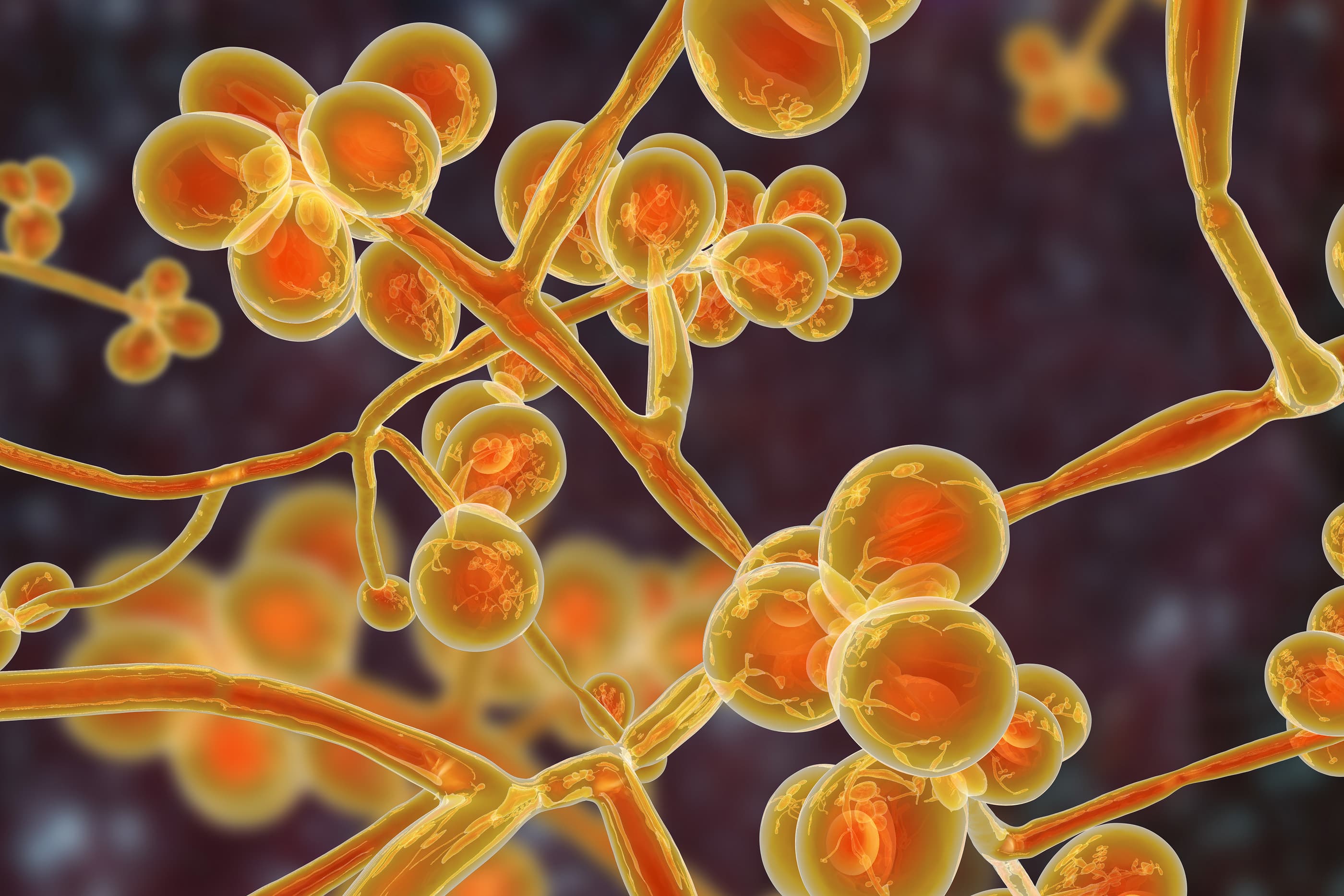
Several years ago, we spoke with New York Times writer Matt Richtel, who described the alarming spread of a novel fungus, Candida auris. Although it had only recently been discovered (2009), the usual antifungal drugs were already ineffective against it in many cases. In addition, it could be extremely difficult to eradicate it from hospital rooms or nursing homes with standard cleaning techniques. C. auris has continued its spread, with nearly 85,000 cases reported by the end of 2025 (Clinical Microbiology Reviews, June 11, 2026). The CDC recently included this fungal infection on its list of urgent public health threats. https://arpsp.cdc.gov/artr/antimicrobial-resistance-threats However, it is just one of several deadly fungi that have infectious disease doctors worried.
At The People’s Pharmacy, we strive to bring you up to date, rigorously researched insights and conversations about health, medicine, wellness and health policies and health systems. While these conversations intend to offer insight and perspective, the content is provided solely for informational and educational purposes. Please consult your healthcare provider before making any changes to your medical care or treatment.
How You Can Listen
You could listen through your local public radio station or get the live stream at 7 am EST on Saturday, November 14, 2026, through your computer or smart phone (wunc.org). Here is a link so you can find which stations carry our broadcast. If you can’t listen to the broadcast, you may wish to hear the podcast later. You can subscribe through your favorite podcast provider, download the mp3 using the link at the bottom of the page, or listen to the stream on this post starting on Nov. 16, 2026.
The Urgent Threat of Deadly Fungi
Candida auris has not gone away, although scientists have changed its name to Candidozyma auris. C. auris is still an all too present and unwelcome threat. Much of the time, infections with C. auris are resistant to at least one and possibly two or more classes of antifungal medications. C. auris also tolerates heat up to 42 degrees Celsius, about 108 degrees Fahrenheit. That poses big challenges for clinicians trying to treat patients infected with C. auris. No one can mount a fever high enough to discourage its growth.
This yeast is not at all selective about where it sets up housekeeping. Consequently, it may be found on the skin, in the lungs or other organs, in the digestive or urinary tracts or even in the bloodstream, where it can cause sepsis. Sometimes people unwittingly host the fungus without getting sick. The term for this is “colonization.” If the immune system is not able to hold it off and the fungus starts to get the upper hand, that is an infection and can rapidly become a crisis. Approximately 7% of those who have been colonized go on to develop an infection.
C. auris and Biofilms
One of the nasty tricks that C. auris uses is to form biofilms. These aggregates of yeast and occasionally other pathogens (for example, Proteus mirabilis, Klebsiella pneumoniae) can sometimes present a barrier to medication being able to get to the tissue that needs it (Virulence, Dec. 2026). This ability might also contribute to its ability to persist on patient skin for months. On the other hand, certain common skin bacteria such as Staphylococcus hominis or S. epidermidis seem to discourage skin colonization with C. auris.
How Dangerous Is C. auris Infection?
A diagnosis of C. auris frequently comes as a surprise. It is scary because 30 to 60 percent of diagnosed bloodstream infections end up being fatal. Clearly, an organism that infects the heart or the lungs is dangerous, especially so if it does not respond to medication. We don’t always know if a facility is struggling with C. auris infections because not all states require healthcare providers or institutions to report cases. Immune-compromised patients are at greatest risk for this infection, but many people are taking “biologics”–drugs that are designed to dampen the immune system somewhat to control symptoms of psoriasis, eczema, ulcerative colitis or Crohn disease. Decreasing the immune response could give the fungi an opportunity to spread.
Cleaning C. auris Away
Vigorous handwashing does appear to help control these deadly fungi. Most hospitals use disinfectant cleaning solutions containing quaternary ammonium compounds for everyday room cleaning. These are not effective against C. auris, but bleach works. It is even able to disrupt biofilms.
Other Deadly Fungi in Healthcare Settings
We turn from our discussion of C. auris with Dr. Melissa Johnson to a colleague of hers, Dr. Ilan Schwartz. His research interests are emerging fungal infections and global health. In particular, he studies a condition called blastomycosis that is caused by fungi that can be transmitted on the wind, through spores in dust. He explained that fungi are more similar to human cells than viruses or bacteria are, so the compounds that damage yeast or mold cells often harm us as well. That is true even for fungi that haven’t developed multi-drug resistance. You will want to hear about the lung-transplant recipient who developed a blastomycosis lung infection.
This Week’s Guests

Melissa Johnson
Melissa DePaoli Johnson, PharmD, MHS is a Professor in Medicine in the Division of Infectious Diseases at Duke University and a Liaison Clinical Pharmacist for the Duke Antimicrobial Stewardship Outreach Network (DASON)
Her research interests are treatment and prevention of invasive fungal infections, including new antifungals and host directed immunotherapy, as well as antifungal and antibiotic stewardship. Her website is: https://scholars.duke.edu/person/johns200

Ilan Schwartz, MD, PhD, Duke University
Ilan Schwartz, MD, PhD, is an Associate Professor in the Division of Infectious Diseases at Duke University. His research interests are emerging fungal infections and global health. His website is: https://scholars.duke.edu/person/ilan.schwartz
Listen to the Podcast
The podcast of this program will be available Monday, November 16, 2026, after broadcast on Nov. 14. You can stream the show from this site and download the podcast for free. In this week’s episode, Dr. Johnson discusses the use of ultraviolet C light and other techniques to help eradicate C. auris. We also consider how to reduce the risk of contamination.
Citations
- Bing J et al, "Global emergence and rapid spread of Candidozyma auris (syn. Candida auris): epidemiology, biology, and antifungal resistance." Clinical Microbiology Reviews, June 11, 2026. DOI: 10.1128/cmr.00394-25
- Phan-Canh T et al, "Pathogenicity and virulence of Candida auris." Virulence, Dec. 2026. DOI: 10.1080/21505594.2026.2707827

