
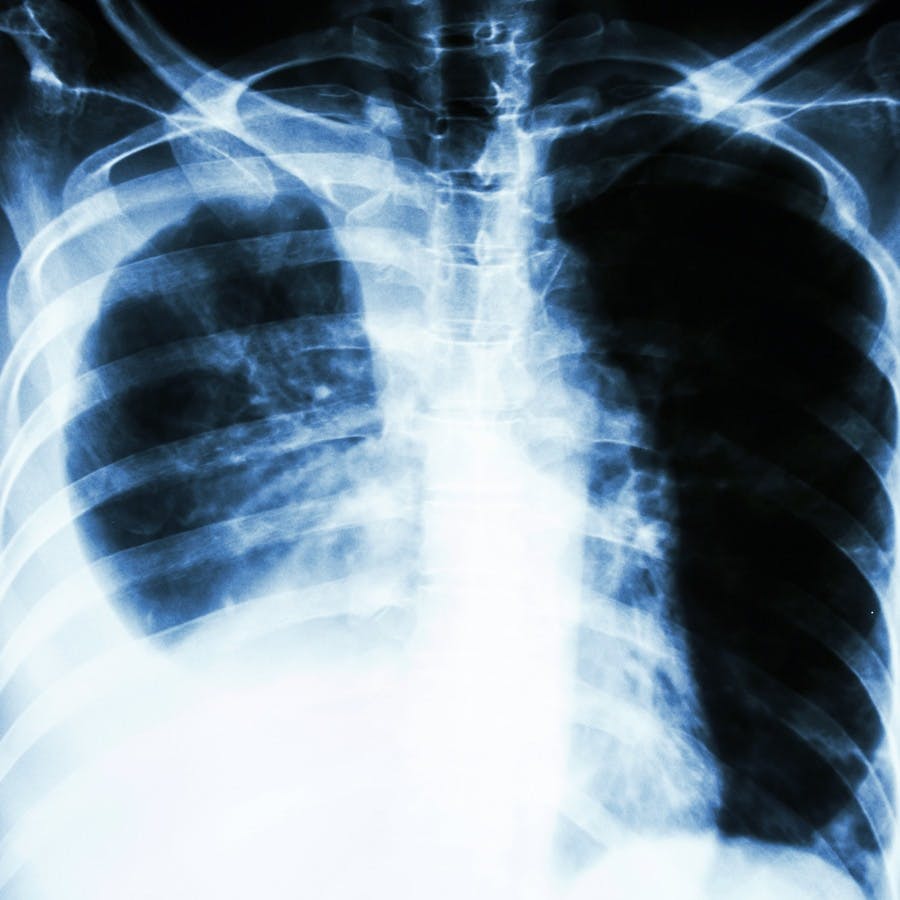
Most of us fear a diagnosis of cancer. If it has a serious prognosis, as lung cancer does, the diagnosis suddenly changes your life expectancy and how you imagine your life unfolding. In this episode, we talk with a physician who did research with patients who had lung cancer. Then this nonsmoker was diagnosed with lung cancer himself, at stage 4. We ask him, when cancer changes your future, how do you live today?
At The People’s Pharmacy, we strive to bring you up‑to‑date, rigorously researched insights and conversations about health, medicine, wellness and health policies and health systems. While these conversations intend to offer insight and perspective, the content is provided solely for informational and educational purposes. Please consult your healthcare provider before making any changes to your medical care or treatment.
How You Can Listen
You could listen through your local public radio station or get the live stream at 7 am EST on Saturday, November 7, 2026, through your computer or smart phone (wunc.org). Here is a link so you can find which stations carry our broadcast. If you can’t listen to the broadcast, you may wish to hear the podcast later. You can subscribe through your favorite podcast provider, download the mp3 using the link at the bottom of the page, or listen to the stream on this post starting on Nov. 9, 2026.
A Diagnosis of Lung Cancer
Lung cancer is still the leading cause of cancer-related death in the US. Most people imagine that this dreaded malignancy results from smoking, but nearly 20% of lung cancer patients are nonsmokers. Possibly because of the association with smoking, there still appears to be a stigma attached to lung cancer. Perhaps the example of Pope Leo, a nonsmoker recently diagnosed and treated for lung cancer will help change that. While less well known than the pope, our guest Bryant Lin, MD, is also striving to set an example for how to react when cancer changes your future.
Better Screening for Lung Cancer?
The United States Preventive Services Task Force (USPSTF) does not recommend screening the population for lung cancer. In fact, its recommendation is that only smokers undergo screening.
However, screening also makes sense for people with certain risk factors. Nonsmokers are at increased risk if there is lung cancer in their family tree. Asian women, in particular, may benefit from screening, as they have a higher likelihood of lung cancer despite not smoking. Scientists are not entirely certain why, but that is what the epidemiological data demonstrate.
Screening for Lung Cancer
Screening for lung cancer consists of a low-dose CT [computed tomography] scan. If a suspicious area shows up on the image, further testing is required. In many cases, this will include a biopsy in which a small bit of tissue is removed from that part of the lung for detailed microscopic examination.
When Cancer Changes Your Future, Why Not Teach a Course?
Dr. Lin shared the diagnosis with his wife and adolescent sons with great transparency. Then he went further, and decided that medical students at Stanford, where he teaches, should have the opportunity to learn from his experience. To make this happen, he organized a course titled “From Diagnosis to Dialog: A Doctor’s Real-Time Battle with Cancer.” Despite feeling nauseated or fatigued from chemotherapy, Dr. Lin found that the classes and the students’ positive reactions to them were uplifting. Afterwards, he expanded his syllabus into the book, “Sunshine: An Exploration of Living When You Are Dying.”
Even though Dr. Lin had taken care of many patients with lung cancer, he found that the actual experience of being a patient changed his perspective significantly. It feels different to be the person with the cough or shortness of breath, the one who is trying to cope with symptoms caused by treatment.
One aspect he had not anticipated was becoming the recipient of numerous well-meaning recommendations for unproven and sometimes quite dubious supplements or treatments. Despite his natural optimism, he would appreciate people refraining from such recommendations. No doubt many other cancer patients harbor similar feelings.
When Cancer Changes Your Future, Your Insurance Company Shouldn’t Make Treatment More Difficult
Throughout our conversation, Dr. Lin acknowledged that he has privileges as a physician at a research-oriented medical school. His oncologists know about the latest research and the most promising treatments. Plus, he has good insurance. Consequently, he was shocked when the insurance company denied authorization for a medication essential to the next step of his treatment. How did he overcome this challenge? He put up a post on LinkedIn that quickly went viral. Not every patient can do this to achieve the goal, but he also offers advice for others to help them if they must battle insurance company negativity.
When Cancer Changes Your Future, Make the Most of Today
Dr. Lin tells us spirituality has turned out to be surprisingly important to him during this experience, although he is not a religious person. He is doing well emotionally and spiritually, but the cancer is still progressing. He is hoping for a clinical trial that will be able to halt it, at least for a while. In the meantime, he is savoring the good days that he has right now.
This Week’s Guest
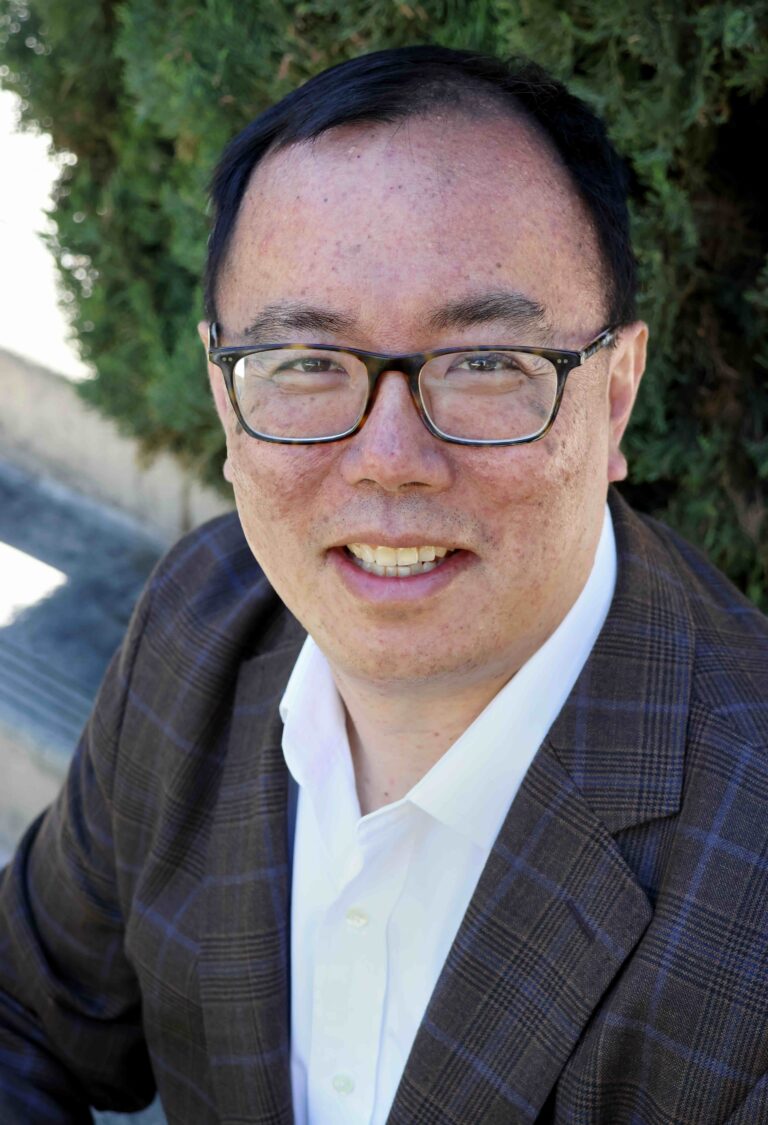
Bryant Lin, MD, author of Sunshine
Bryant Lin, MD, is a primary care physician, educator and researcher at the Stanford University School of Medicine. In 2024, Dr. Lin was diagnosed with Stage 4 Lung Cancer, despite never having smoked. He started a course “From Diagnosis to Dialog: A Doctor’s Real-Time Battle with Cancer,” based on his case. Dr. Bryant is the author of Sunshine: An Exploration of Living When You Are Dying.
The People’s Pharmacy is reader supported. When you buy through links in this post, we may earn a small affiliate commission (at no cost to you).
Listen to the Podcast
The podcast of this program will be available Monday, November 9, 2026, after broadcast on Nov. 7. You can stream the show from this site and download the podcast for free. In this week’s episode, Dr. Lin tells us how he decided to switch from engineering to medicine and what has been the most gratifying part of his practice.

