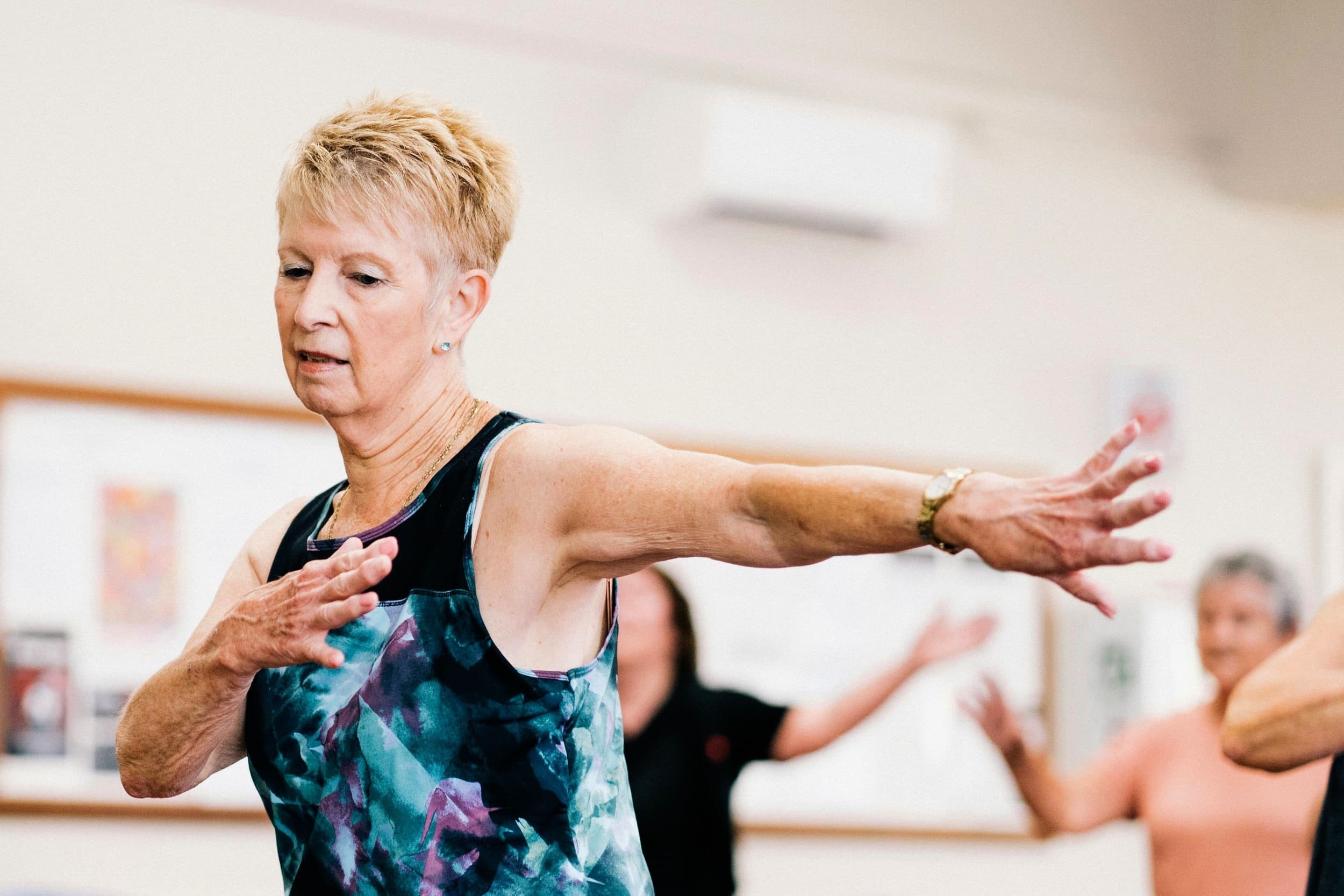
Why Your Doctor Should Prescribe Exercise to Treat Depression, Cancer & Aging
If you had to name one thing that could contribute to better health throughout the lifespan, what would it be? We think exercise, or at least physical activity deserves the top spot. Yet in 2025, fewer than half of adults met the guidelines for aerobic physical activity. And less than one-quarter were doing both aerobic and muscle-strengthening exercises on a regular basis. Perhaps your doctor should prescribe exercise. What could we expect as the benefits?
At The People’s Pharmacy, we strive to bring you up to date, rigorously researched insights and conversations about health, medicine, wellness and health policies and health systems. While these conversations intend to offer insight and perspective, the content is provided solely for informational and educational purposes. Please consult your healthcare provider before making any changes to your medical care or treatment.
How You Can Listen
You could listen through your local public radio station or get the live stream at 7 am EST on Saturday, April 25, 2026, through your computer or smart phone (wvtf.org). Here is a link so you can find which stations carry our broadcast. If you can’t listen to the broadcast, you may wish to hear the podcast later. You can subscribe through your favorite podcast provider, download the mp3 using the link at the bottom of the page, or listen to the stream on this post starting on April 27, 2026.
Would Your Doctor Prescribe Exercise for Depression?
Earlier this year, the Cochrane Collaboration published a review of 73 randomized clinical trials of exercise as a treatment for depression (Cochrane Database of Systematic Reviews, Jan. 8, 2026). Most of these compared physical activity to antidepressants or to psychological therapy for depressed patients. Some of them compared the exercise prescription to no treatment or wait list.
Comparing exercise to no treatment revealed an advantage for exercise, although the quality of the trials left something to be desired. Ten trials compared exercise to psychological therapy. In addition, five trials weighed exercise against antidepressant medication. Neither comparison showed a clear tilt for or against exercise as a superior intervention against depression.
Exercise in the Cancer Center
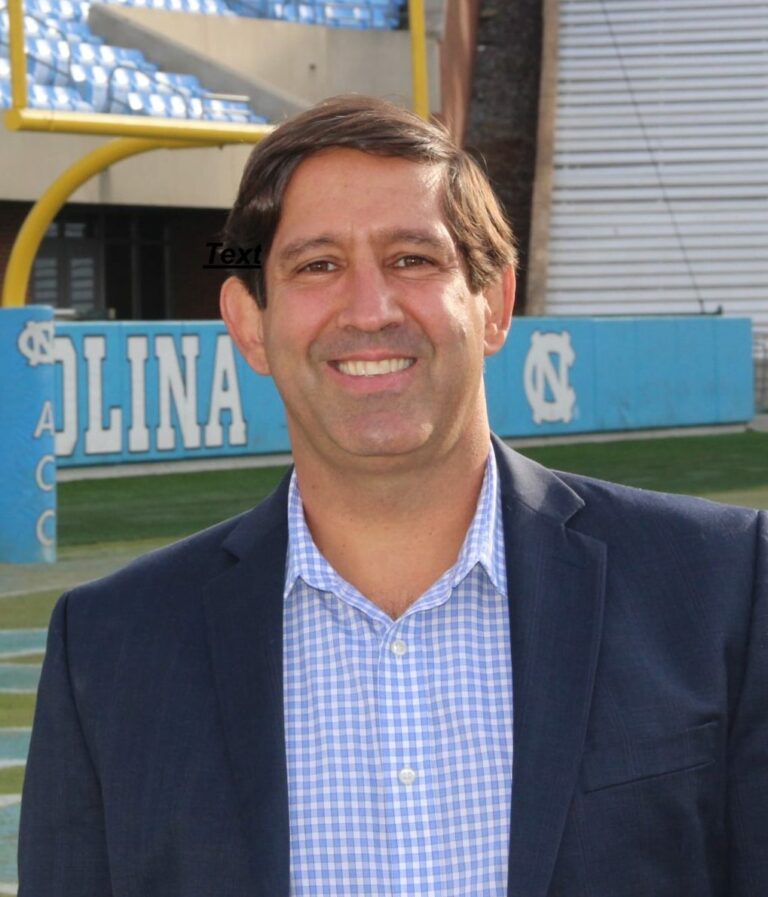
Dr. Claudio Battaglini of the University of North Carolina at Chapel Hill was not surprised by this finding. The exercise program he oversees for cancer patients often results in lifting their spirits as well as improving their health. That may help explain the very high adherence in his program.
Will Physical Activity Reduce the Risk of Cancer?
According to a review of the evidence, regular physical activity can reduce the number of people who die prematurely. In addition, it helps with weight control, quality of life and bone health. Older people are less likely to fall or experience declining cognition if they exercise regularly. The review found that physical activity improves quality of life and promotes emotional benefits (European Journal of Cancer Prevention, Jan. 1, 2025).
If oncologists should prescribe exercise, don’t cancer patients deserve to have their insurance company cover the cost? Insurers rarely blink twice at cardiac rehab. Although cancer rehab is also super-helpful, insurance companies often don’t choose to pay for it.
What Role Could Coaching Play in Guiding Physical Activity?
Lots of doctors tell their patients to get more exercise. The patient wants to and intends to, but perhaps they just don’t know how. What activity should they choose? What is the proper technique? How often and how much do you need to move? All these questions can be answered by a coach. The coach will take into account your objectives and preferences as well as your prior experience. What do you love doing? Are there any moves you should avoid to reduce the risk of injury? That’s why when doctors prescribe exercise, they should include coaching to provide this sort of guidance.
If Doctors Prescribe Exercise, Will That Help Motivation?
Many of us know we should be active, but we don’t always follow through. How can we get motivated to move? According to Dr. Jordan Metzl, the first step is to find something you love doing. For Joe, for instance, having the doctor prescribe exercise of runniing a mile a day is not going to work. But he’ll cover much more than a mile–and quickly–if he is playing a competitive game of tennis. Joe loves tennis.
Terry is not a runner either. On the other hand, karate club is a highlight of her week, and she has worked to achieve some skill in it. Dr. Metzl advocates for finding the activity that gets you excited and making it a priority in your life. If you are having fun, that is a great motivation.
Reducing the Cost to Act
Another thing to consider is overcoming the cost to act. If your activity requires a lot of preparation that feels like a chore, the cost to act is high. If you can make it easier and break down that barrier, you are much more likely to accomplish your exercise.
External rewards can also play a role. Joe loves winning, so he likes to play with guys at about his same level of skill. That way, he has a chance to win if he tries. For Terry, there was a progression through belt levels in karate, from yellow to green to blue, and so on. Now, she looks forward to closing the rings in the fitness app on her watch.
When Doctors Prescribe Exercise, Does That Give You a Push?
For Dr. Metzl, the idea of pushing yourself and maybe your friends is a positive notion. We asked him about people who dig in their heels when pushed. What approach do they need to perceive and pursue their goals? He summarized the three ingredients of healthy motivation as knowledge, emotion and belief. That’s knowledge of the benefits of activity, an emotional response of appreciating and enjoying activity and a belief that you can achieve your goal.
This Week’s Guests
Claudio Battaglini, PhD., FACSM, is Professor in the Dept. of Exercise and Sport Science at The University of North Carolina at Chapel Hill. He is also Director Emeritus of the Get REAL & HEEL Breast Cancer Research Program and Co-Director of the Exercise Oncology Research Laboratory.
Jordan D. Metzl, MD is an internationally recognized sports medicine physician, bestselling author, and fitness instructor who practices at the Hospital for Special Surgery in New York City. He lectures around the world and founded the first physician-led online fitness community, IronStrength, with more than 50,000 members. He created the Ironstrength Workout, a functional fitness program for improved performance and injury prevention that he teaches in fitness venues throughout the country. An elite athlete himself, Dr. Metzl is also a 40-time marathon runner and 14-time Ironman finisher.

Dr. Jordan Metzl, author of Push, runs the New York City Marathon 2025
Dr.Metzl’s latest book is Push: Unlock the Science of Fitness Motivation to Embrace Health and Longevity
The People’s Pharmacy is reader supported. When you buy through links in this post, we may earn a small affiliate commission (at no cost to you).
Listen to the Podcast
The podcast of this program will be available Monday, April 27, 2026, after broadcast on April 25. On this episode, Dr. Metzl talks about the joy of teaching medical students to offer an exercise prescription and the challenge of getting specialties other than cardiology to integrate physical activity into their rehab process. Dr. Battaglini discusses the contrast between cardiac rehab, which is covered by insurance, and cancer rehab, which is not. He also describes the value of swimming, especially for older people with sore joints. Walking is good exercise and easy for most people. What if the weather is bad? Perhaps an indoor walk around the mall would be a good alternative, and if you can recruit some friends to join you, so much the better. You can stream the show from this site and download the podcast for free.
Citations
- Clegg AJ et al, "Exercise for depression." Cochrane Database of Systematic Reviews, Jan. 8, 2026. https://doi.org/10.1002/14651858.CD004366.pub7
- Albini A et al, "Physical activity and exercise health benefits: cancer prevention, interception, and survival." European Journal of Cancer Prevention, Jan. 1, 2025. DOI: 10.1097/CEJ.0000000000000898