The Sleep Reset
Do you have trouble sleeping? An occasional late night or early morning is probably not dangerous, but too many people get too little sleep on a regular basis. How does that affect their health? Even more importantly, what can they do to change the situation? You’ll want to listen to find out if you need a sleep reset.
At The People’s Pharmacy, we strive to bring you up to date, rigorously researched insights and conversations about health, medicine, wellness and health policies and health systems. While these conversations intend to offer insight and perspective, the content is provided solely for informational and educational purposes. Please consult your healthcare provider before making any changes to your medical care or treatment.
How You Can Listen
You could listen through your local public radio station or get the live stream at 7 am EST on Saturday, July 18, 2026, through your computer or smart phone (wunc.org). Here is a link so you can find which stations carry our broadcast. If you can’t listen to the broadcast, you may wish to hear the podcast later. You can subscribe through your favorite podcast provider, download the mp3 using the link at the bottom of the page, or listen to the stream on this post starting on July 20, 2026.
The podcast will be available on Monday (July 20, 2026)
Do You Need a Sleep Reset?
Why is sleep so important for good health? Our guest is a sleep medicine specialist who uses a metaphor of Disneyland. Crucial maintenance on the theme park happens at night, when there are no visitors. Streets are cleaned, flower beds are weeded, and rides are inspected and, if needed, repaired. None of that can happen while the park is open for business. Our bodies and brains also need time for maintenance and repair, and some of that happens while we are sleeping. When we don’t get the rest we need, we may find ourselves at increased risk for diabetes, cardiovascular problems, cancer, cognitive challenges and even premature death.
Unfortunately, anxiety about not sleeping can keep people awake all on its own. How can people break that cycle? We’ll also discuss ways that people can get help avoiding screens at night. That is an important part of a sleep reset. Blue light from the screen signals the brain to be alert instead of relax. Scrolling social media can often be emotionally upsetting, which also makes it more difficult to fall asleep.
Is Your Diet Keeping You Awake?
Most of us recognize that a big midnight snack, á la Dagwood Bumstead of the Blondie comic, is probably not conducive to sleeping well. How does nighttime eating affect our circadian rhythm? Are there diets that we should avoid because of their impact on sleep? Dr. Seheult describes a study in which volunteers had their sleep stages monitored closely during the time they were consuming different diets (Obesity, July 2023). When they followed a high-fat, high-sugar diet, it disturbed the pattern of their brain waves during what should have been restorative sleep.
How Do Sleep Problems Affect Eating Habits?
A lot of us are aware that when we are sleep deprived, we are more inclined to become hangry and we may be less discerning about what we eat. A recent study shows that the sleep deprivation can have an effect even if it is fairly mild and short-term. Scientists recruited people who normally sleep seven to eight hours a night and asked them to stay up an extra hour and a half (Annals of Internal Medicine, July 7, 2026). During the six weeks of that part of the experiment, people were less active during the day. They also ate more, so they gained about a pound, on average, during those six weeks. Presumably, disrupting sleep for a longer period of time would result in greater weight gain and metabolic disruption.
Would a Ketogenic Diet Help with a Sleep Reset?
A ketogenic diet, in which the body relies on ketones rather than glucose for energy production, may be helpful. In particular, fasting overnight for at least 14 hours helps the body do what it must during sleep time. To figure out when you should stop eating, identify when you usually start to feel sleepy. That should be your bedtime. Having your last meal of the day about three hours before that will generally offer enough time for digestion so that you don’t experience reflux in the middle of the night.
Morning Light and Afternoon Naps
Your sleep reset may depend on getting your own circadian rhythm to synchronize with the rest of the world. That is where early exposure to morning light comes in. It’s beginning to feel a bit like The People’s Pharmacy is on repeat: get morning light exposure! It sets your system up for feeling awake and alert during the day and starting to feel sleepy as the light fades in the evening. Obviously, this is most helpful for people who work during daylight hours. Those working overnight shifts would have to organize their days differently.
People who have trouble falling asleep may be tempted to take a nap in the afternoon to make up for the lost sleep. That could be a mistake, as it relieves the sleep pressure that helps people fall asleep without trying.
Learning to Fall Asleep
If you interact with parents of very young children, you may have heard of sleep training. People have strong feelings about this, both pro and con. Adults rarely need sleep training, though. What we are more likely to need is “not-sleeping un-training.” Too many people approach the bedroom as though it were a stage, and sleep is the performance. No wonder they may develop some performance anxiety about sleeping! Other individuals have learned to associate the bedroom with tossing, turning and watching the clock. Consequently, their bodies tense up instead of relaxing when they get between the sheets. There is no easy quick fix for this problem, but cognitive behavior therapy for insomnia has been proven effective for most people.
How About PM Pain Relievers?
Even though there isn’t an easy fix for sleep troubles, many people want one. They reach for the PM pain reliever and hope it will offer them a good night’s sleep without a prescription.
The “PM” part of that pain reliever is an old-fashioned antihistamine called diphenhydramine. You might be more familiar with its brand name: Benadryl. You’ll also find it in Tylenol PM, Advil PM and all the other PM meds because it tends to make people feel drowsy.
What’s wrong with that? To start with, it isn’t clear that it remains effective after a week or two. In addition, people with restless leg syndrome often find that it makes their condition worse. Other folks report that diphenhydramine can result in an unpleasant “hangover” the next day, in which they feel drowsy though not asleep for a good part of their waking hours.
What Wakes You Up at Night?
If your sleep problem is waking in the wee hours and having trouble getting back to sleep, you should consider the possibility that you have sleep apnea. The REM sleep of those early morning hours is not as deep as some other sleep stages. Consequently, an alarm signal from your brain saying you haven’t taken a breath for 20 or 30 seconds may be more likely to wake you. Sleep apnea may be treated by providing air so that the pressure props the collapsing airway open. We discuss this in greater detail along with a new alternative to a CPAP machine in the podcast for this week.
This Week’s Guest
Dr. Roger Seheult is an Associate Clinical Professor at the University of California, Riverside School of Medicine. He is also an Assistant Clinical Professor at the School of Medicine and Allied Health at Loma Linda University. He is quadruple board-certified in Internal Medicine, Pulmonary Diseases, Critical Care Medicine, and Sleep Medicine through the American Board of Internal Medicine. His current practice is in Beaumont, California. He is a critical care physician, pulmonologist, and sleep physician at Optum California.
Dr. Seheult lectures routinely across the country at conferences and for medical, PA, and RT societies. He is the director of a sleep lab and the Medical Director for the Crafton Hills College Respiratory Care Program. He is co-founder and presenter for MedCram.com, a site that offers concise and easy-to-follow medical videos on a range of topics.
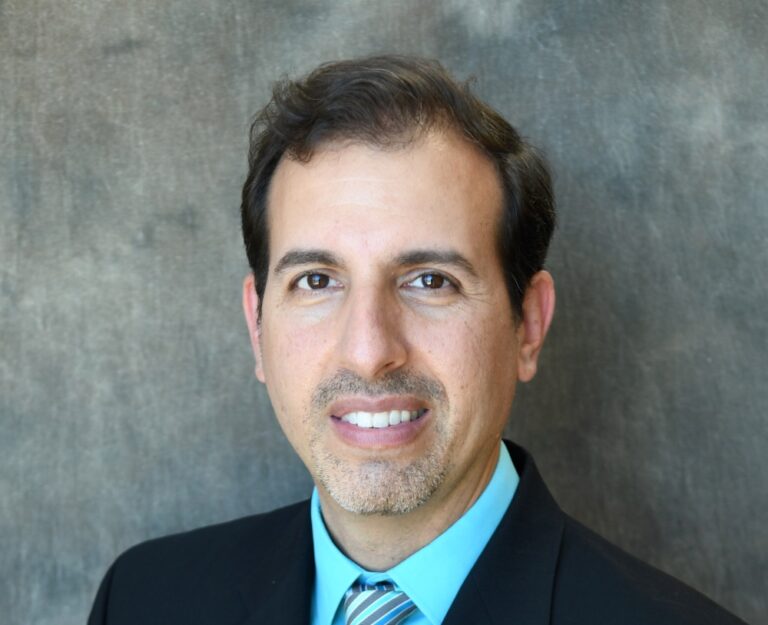
Roger Seheult, MD, MedCram, Loma Linda, UC-Riverside
Listen to the Podcast
The podcast of this program will be available Monday, July 20, 2026, after broadcast on July 18. You can stream the show from this site and download the podcast for free.
Download the mp3, or listen to the podcast on Apple Podcasts or Spotify.
Citations
- Brandão LEM et al, "Exposure to a more unhealthy diet impacts sleep microstructure during normal sleep and recovery sleep: A randomized trial." Obesity, July 2023. DOI: 10.1002/oby.23787
- Zuraikat FM et al, "Prolonged Short Sleep and Its Effect on Body Weight and Composition : A Pooled Analysis of Randomized Trials." Annals of Internal Medicine, July 7, 2026. DOI: 10.7326/ANNALS-25-01660