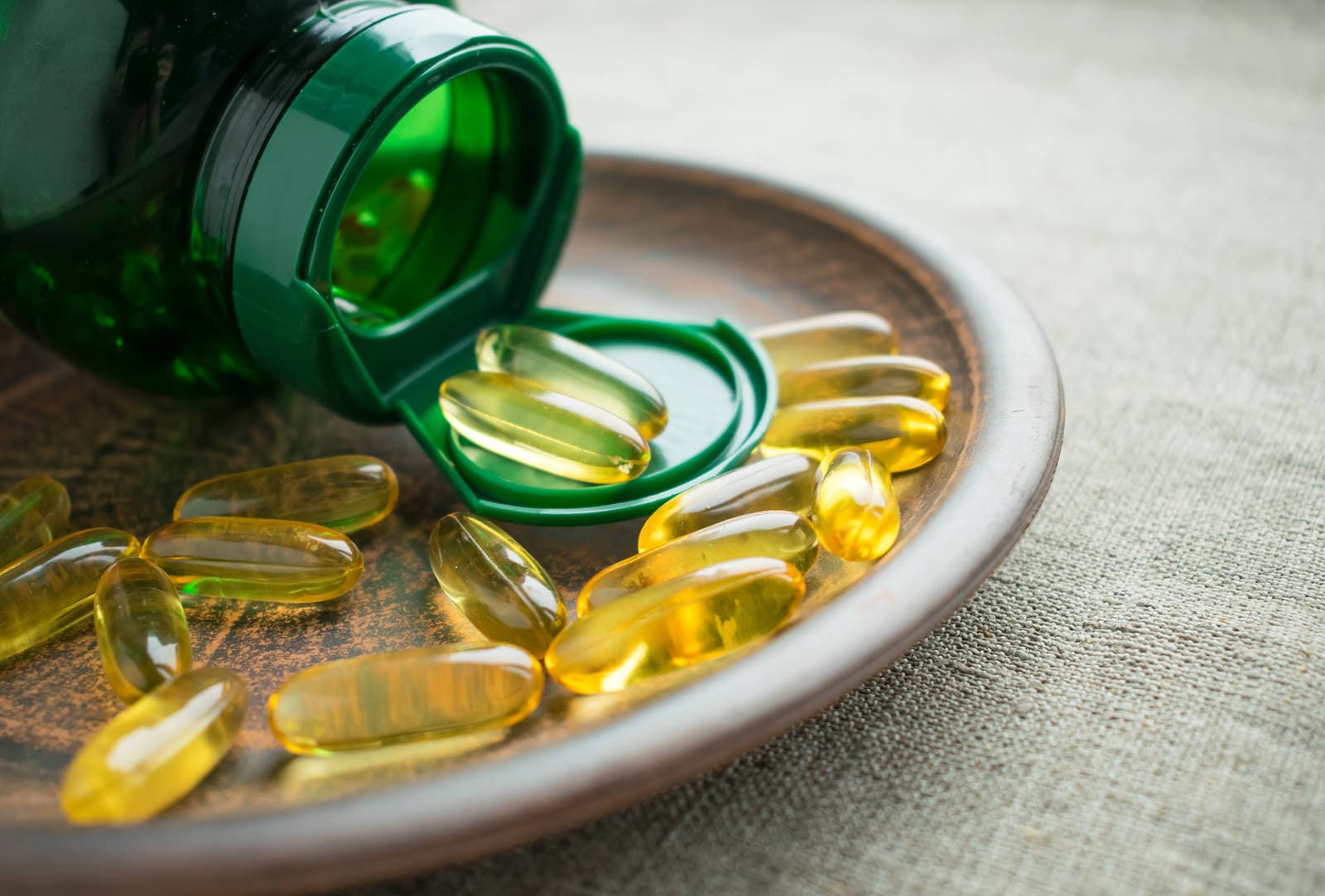
Vitamin D is essential for strong bones. When young children don’t get enough vitamin D, they can develop a bone deformity called rickets. This nutrient acts as a hormone in the body. It is vital for hundreds of activities, including calcium regulation. Probably that is why doctors have been urging older women for decades to take vitamin D along with calcium supplements. They thought this regimen would keep bones strong. But do vitamin D supplements make for stronger bones?
Will Taking Vitamin D supplements Lead to Stronger Bones?
Q. I am confused about vitamin D. I have been taking it for years along with calcium to protect my bones. Recently I read that there is no evidence it works and that too much could be harmful. Can you help me understand how much is enough and how much is too much?
A. A study published in the New England Journal of Medicine (July 28, 2022) revealed that middle-aged people taking supplements of vitamin D3 (2,000 IU daily) did not have a lower likelihood of fractures in a randomized clinical trial lasting more than five years. Likewise, an independent Cochrane review did not find evidence that vitamin D with or without calcium could improve bone mineral density (Cochrane Database of Systematic Reviews, Jan. 27, 2023). That review was limited specifically to stronger bones in women before menopause.
Vitamin D supplements may have other benefits, however. To learn more about the pros and cons of vitamin D as well as how to determine the correct dose, you may wish to consult our eGuide to Vitamin D and Optimal Health.
What Has the USPSTF Said About Supplements?
Several years ago, the United States Preventive Services Task Force (USPSTF) considered whether vitamin D supplements result in stronger bones. The experts said there’s not enough evidence to answer that question (JAMA, April 17, 2018).
A draft review of the evidence from randomized controlled trials suggested that the advice to take supplements might not have been supported by good data.
The task force offered this preliminary conclusion:
“Among community-dwelling populations of postmenopausal women and older men without known vitamin D deficiency, bone conditions, or prior fracture, the evidence suggests no reduction in fractures, falls, or mortality from supplementation with vitamin D (with or without calcium) compared with placebo.”
The draft was supposed to be available for public comment through January 21, 2025. We expected that it would be updated at that time, but we have not seen an update.
Studies Don’t Support Stronger Bones from Vitamin D Supplements
You may be aware that previous analyses of the research on this topic reached a similar conclusion. Millions of people take both vitamin D and calcium supplements in an effort to maintain stronger bones as they age.
But eight years ago, a meta-analysis of 81 randomized controlled trials involving over 50,000 participants concluded “that vitamin D supplementation does not prevent fractures or falls, or have clinically meaningful effects on bone mineral density” (The Lancet Diabetes & Endocrinology, Nov. 2018). This was true even in studies that used doses of 800 IU vitamin D daily instead of the standard 400 IU.
Vitamin D Supplements Fall Short
Can supplements adequately replace the vitamin D that human skin makes when it is exposed to sunshine? We don’t have good studies to answer that question. It is one that has long bothered researchers. One trial a decade ago produced disappointing results (JAMA Internal Medicine, Oct. 2015).
The randomized controlled trial assigned 230 postmenopausal women 75 years old or younger to get either high-dose vitamin D supplements (50,000 IU every two weeks), low-dose vitamin D supplements (800 IU daily) or placebo pills. All of the women had low levels of circulating vitamin D when they entered the study.
Vitamin D Supplements Had Little Impact
After a year, the women getting the high dose of 100,000 IU each month had raised their blood levels of vitamin D. There were no measurable differences among the groups on anything that counts, though; bone density, muscle mass, muscle function and falls were the same in all the groups.
This study did not offer evidence supporting the use of vitamin D supplements for bone health or fall prevention in older women. Those are the key reasons many people take this vitamin, so it may be time to re-think that strategy.
Preventing Bone Loss
What can you do to keep your bones strong? If you get calcium from your diet and vitamin D from moderate sun exposure, you should have the nutritional foundation for bone health. Bones also respond to regular exercise such as running, walking, dancing or playing tennis.
You can learn more in our Guide to Vitamin D and Optimal Health, which tells more about sources and doses of this very important vitamin.
How Can You Maintain Stronger Bones?
The USPSTF did not compare supplements and osteoporosis drugs. Experts usually advise weight-bearing exercise for stronger bones. Consuming a diet rich in calcium from a variety of sources including green leafy vegetables (which also supply vitamin K, magnesium and other nutrients vital for stronger bones) is also wise. Perhaps getting vitamin D from the sun or from fatty fish would be the best approach. Our interview (Show 752) with Michael Castleman, co-author of Building Bone Vitality: A Revolutionary Diet Plan to Prevent Bone Loss and Reverse Osteoporosis, and Walter Willett, MD, DrPH, Chairman of Nutrition at Harvard School of Public Health, may also be of interest. Our most recent podcast on bone health is Show 1446: The Science of Strong Bones: Lifestyle, Medication and Movement.
Citations
- LeBoff MS et al, "Supplemental vitamin D and incident fractures in midlife and older adults." New England Journal of Medicine, July 28, 2022. DOI: 10.1056/NEJMoa2202106
- Méndez-Sánchez L et al, "Calcium and vitamin D for increasing bone mineral density in premenopausal women." Cochrane Database of Systematic Reviews, Jan. 27, 2023. DOI: 10.1002/14651858.CD012664.pub2
- USPSTF, "Vitamin D, Calcium, or Combined Supplementation for the Primary Prevention of Fractures in Community-Dwelling Adults: US Preventive Services Task Force Recommendation Statement." JAMA, April 17, 2018. DOI: 10.1001/jama.2018.3185
- Bolland MJ et al, "Effects of vitamin D supplementation on musculoskeletal health: a systematic review, meta-analysis, and trial sequential analysis." The Lancet Diabetes & Endocrinology, Nov. 2018. DOI: 10.1016/S2213-8587(18)30265-1
- Hansen KE et al, "Treatment of vitamin D insufficiency in postmenopausal women: A randomized clinical trial." AMA Internal Medicine, Oct. 2015. doi:10.1001/jamainternmed.2015.3874