Have you ever looked for a natural cough medicine that you can take until you recover from your cold or bronchitis? Some readers have encountered cold remedies in Europe that they found helpful. When they look for them in the US, however, they are often stymied. One reader recalls the plant-based cough syrup her Italian-born grandmother made.
Natural Cough Medicine for Croup
Q. When I was very young, I often suffered from croup and bronchitis. My parents were born and raised in New York, where we lived. My mother’s people came from Naples, and my father’s ancestors were from a place in Southern Italy that most non-Italians have never heard of. All four grandparents were highly intelligent. They had little education, but they were resourceful. That got them through the Great Depression.
All four grandparents’ favorite beverages were coffee or water. Their diet contained a lot of oranges, apples, pears, plums, dried figs, fresh figs, grapes, raisins, prunes, onions, garlic, dates, nuts, vegetables, mint, basil, olive oil, etc. They worked hard and had lots of family and friends and cared about others.
My grandparents all believed in what we now refer to as “natural” cures for common ailments. The best example was a concoction that was handed down from generation to generation in my father’s family. Every year, my grandmother supervised the production of a cough syrup made from plants. My parents often took me to doctors for the croup. But that homemade cough syrup was the only thing that ever helped.
Plants That Help Calm a Cough
A. Thanks for sharing your memories. There are a number of herbs or spices that might have been part of that cough syrup your grandmother made. Basil, for example, contains many compounds with antimicrobial, antioxidant, antiviral and anti-inflammatory properties (Natural Product Research, March 2025). Caraway, cinnamon, cumin, fennel, sage and thyme might also be helpful for respiratory infections. So are ginger, onion and garlic. Many readers have told us that onion syrup was an effective cough medicine in their childhood.
A Hunt for German Cough Medicine
Another reader has been searching for a cough remedy they encountered more recently.
Q. I am trying to find out how to purchase German Sambucha extra strength cough medicine. It is the only thing that helped me when I was in Germany. I can’t find it anymore.
A. Your question threw us for a loop. We searched high and low for “Sambucha” and came up blank. There is something called sambuca. It is an Italian liqueur. It is sweet and tastes a lot like licorice. We’re pretty sure that is not what you are inquiring about.
Kombucha is a fermented tea beverage. It is made by using a yeast and bacteria culture. We doubt that is what you are seeking either.
Sambucus-Based Cold Medicines
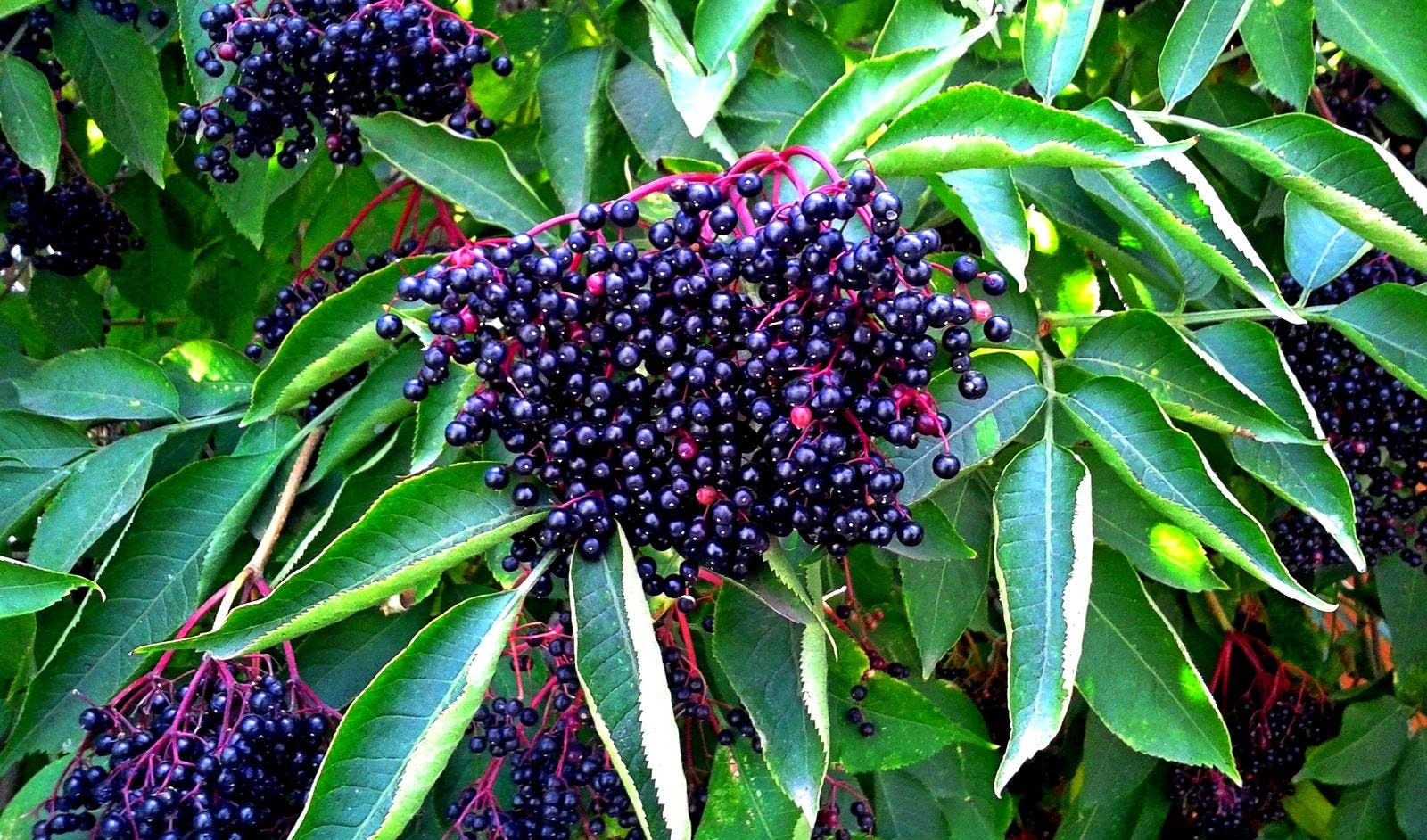
We suspect you’re looking for the ingredient Sambucus nigra or Sambucus canadensis. These natural ingredients are both known by the common name elderberry. There is evidence that elderberry extract has activity against viruses that cause both influenza and colds (Journal of Functional Foods, March, 2019; BMC Complementary and Alternative Medicine, Feb. 26, 2011).
There are lots of sambucus (elderberry) products available in health foods stores, pharmacies and online under brand names such as Sambucol or Umcka. You can find capsules, syrups, gummies and lozenges. They may not mirror the German cough medicine you are seeking but they may be helpful nevertheless.
Traditionally, people used tea made from dried elder flowers to treat colds and coughs (Herbal Drugs and Phytopharmaceuticals, CRC Press, 1994). We don’t know of any commercial cough medicine containing elder flowers, however. If you harvest and dry elder flowers in the late spring, you can make them into tea throughout the year.
Natural Cough Medicine with Other Ingredients
One of the difficulties in locating natural cough medicine that works is a dearth of controlled studies. German scientists reviewed the research several years ago and concluded that there is strong evidence that a proprietary mixture of ivy, primrose and thyme works (Forschende Komplementarmedizin, Dec. 14, 2015). They also found strong evidence supporting the efficacy of the Chinese herb Andrographis paniculata.
Learn More
You can learn much more about all of these herbs and numerous spices in our 200-page book, Spice Up Your Health: How Everyday Kitchen Herbs & Spices Can Lengthen & Strengthen Your Life. It is available in the Books section of the store at www.PeoplesPharmacy.com.
If you wish to make your own thyme cough medicine, you can find instructions here. You may find that natural cough medicine tastes better than standard drugstore products and can be quite helpful. For more information on calming a cough or easing cold symptoms, you could turn to our eGuide to Colds, Coughs & the Flu. Let us know what you think about natural cough medicine!
Citations
- Vassilina G et al, "Bio-active compounds and major biomedical properties of basil (Ocimum basilicum, lamiaceae)." Natural Product Research, March 2025. DOI: 10.1080/14786419.2024.235766
- Torabian G et al, "Anti-influenza activity of elderberry (Sambucus nigra)." Journal of Functional Foods, March, 2019. https://doi.org/10.1016/j.jff.2019.01.031
- Krawitz C et al, " Inhibitory activity of a standardized elderberry liquid extract against clinically-relevant human respiratory bacterial pathogens and influenza A and B viruses." BMC Complementary and Alternative Medicine, Feb. 26, 2011. DOI: 10.1186/1472-6882-11-16
- Wagner L et al, "Herbal medicine for cough: A systematic review and meta-analysis." Forschende Komplementarmedizin, Dec. 14, 2015. DOI: 10.1159/000442111
- Bisset, NG, ed. Herbal Drugs and Phytopharmaceuticals: A handbook for practice on a scientific basis. Translated from the German (Stuttgart 1989). CRC Press, Boca Raton, Ann Arbor, London, Tokyo: 1994. pp.446-447.