The People's Perspective on Medicine
Articles categorized as Parkinsons Disease
Loading articles..
The People's Perspective on Medicine© 2026 The People's Pharmacy
All Rights Reserved
The People's Perspective on MedicineLoading articles..
The People's Perspective on Medicine© 2026 The People's Pharmacy
All Rights Reserved

Chemical exposure to pesticides on golf courses may be linked to Parkinson's risk. What about other toxins such as solvents and herbicides?

An intriguing study reveals that what you feed your microbiota influences the variety of microbes in your intestines. The relationships are unique to you.
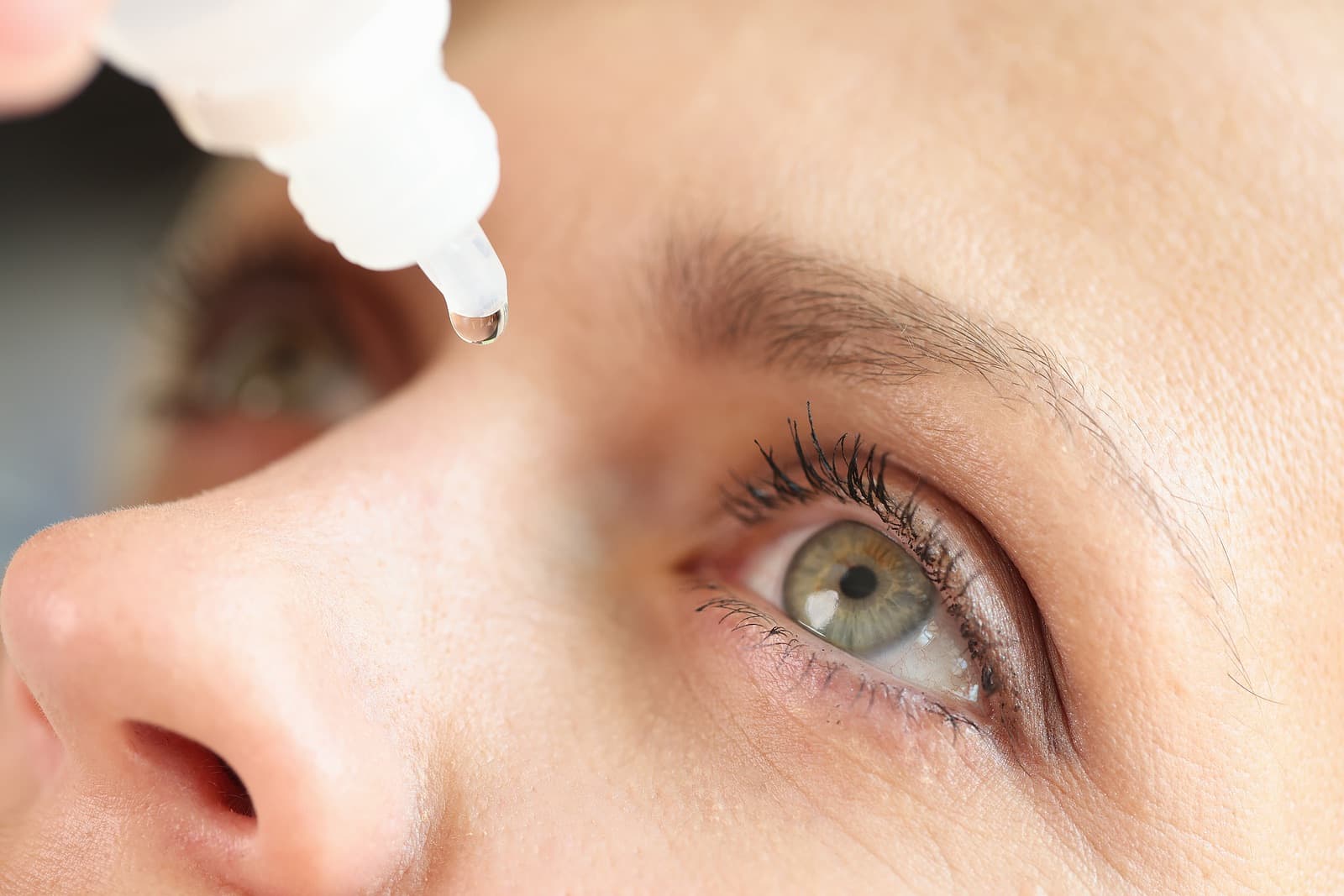
This interview with Dr. Fekrat addresses your questions about how to keep your eyes healthy and protect your precious eyesight.

Do you wash your fruit and vegetables? Is that good enough? New research reveals that washing fruit does NOT get rid of pesticides.

Chronic exposure to air pollution may increase your chance of Parkinson disease in the future. Cleaning up sources should be a priority.

A multi-year study of nearly 500,000 individuals shows that loneliness increases the risk of Parkinson disease significantly.

A randomized controlled trial demonstrates clearly that people who exercise at high intensity delay progression of Parkinson's disease symptoms.
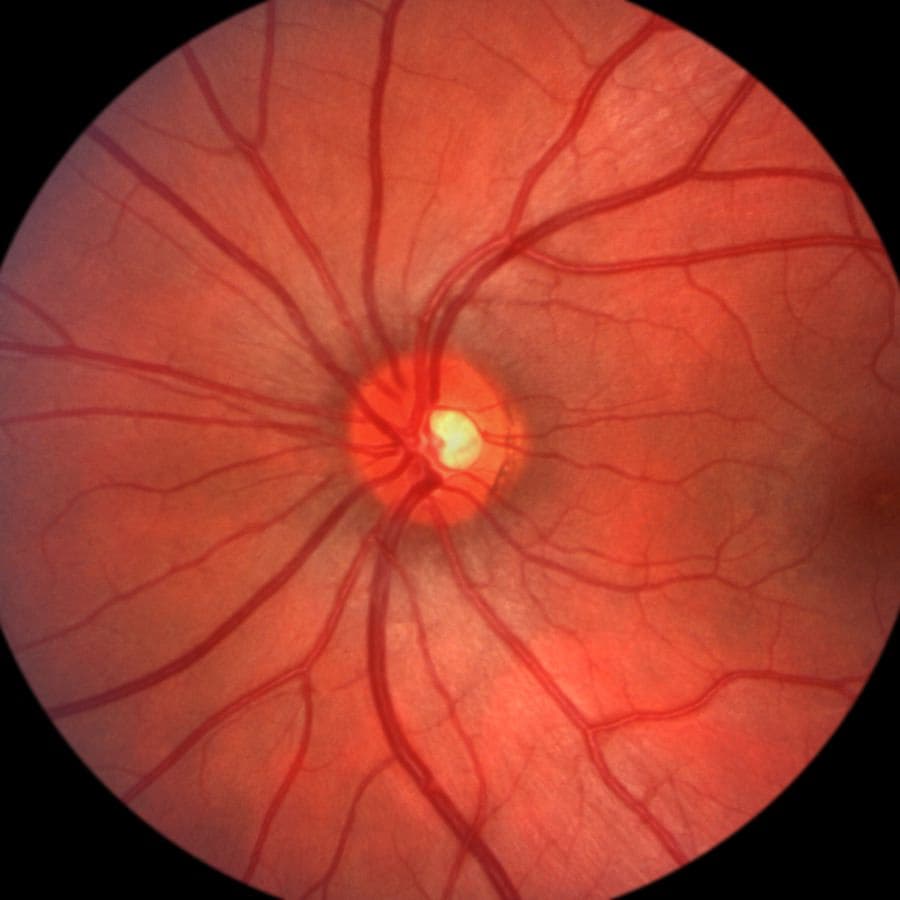
Find out how eye doctors can use the eyes as windows to the brain. Special retinal scans reveal early signs of neurological problems.

Millions of Americans suffer with long illness. Conventional medicine doesn't always have treatments for these conditions.

Researchers studying more than 119,000 people for decades found that those following any of several healthful diets live longer and better.
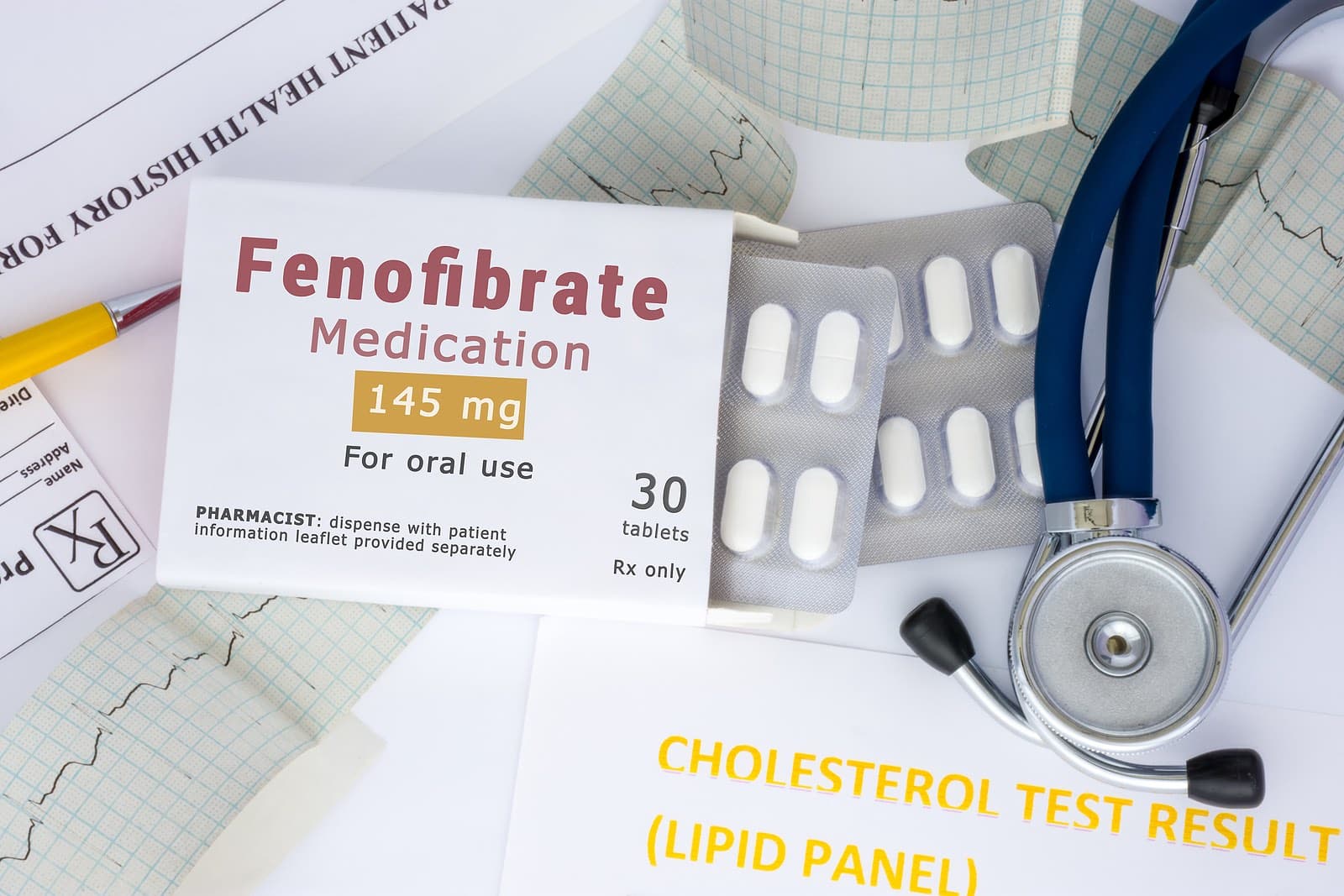
Fenofibrate (Tricor) has been used for over 20 years to lower triglyceride levels. There may be new uses for fenofibrate for the brain.
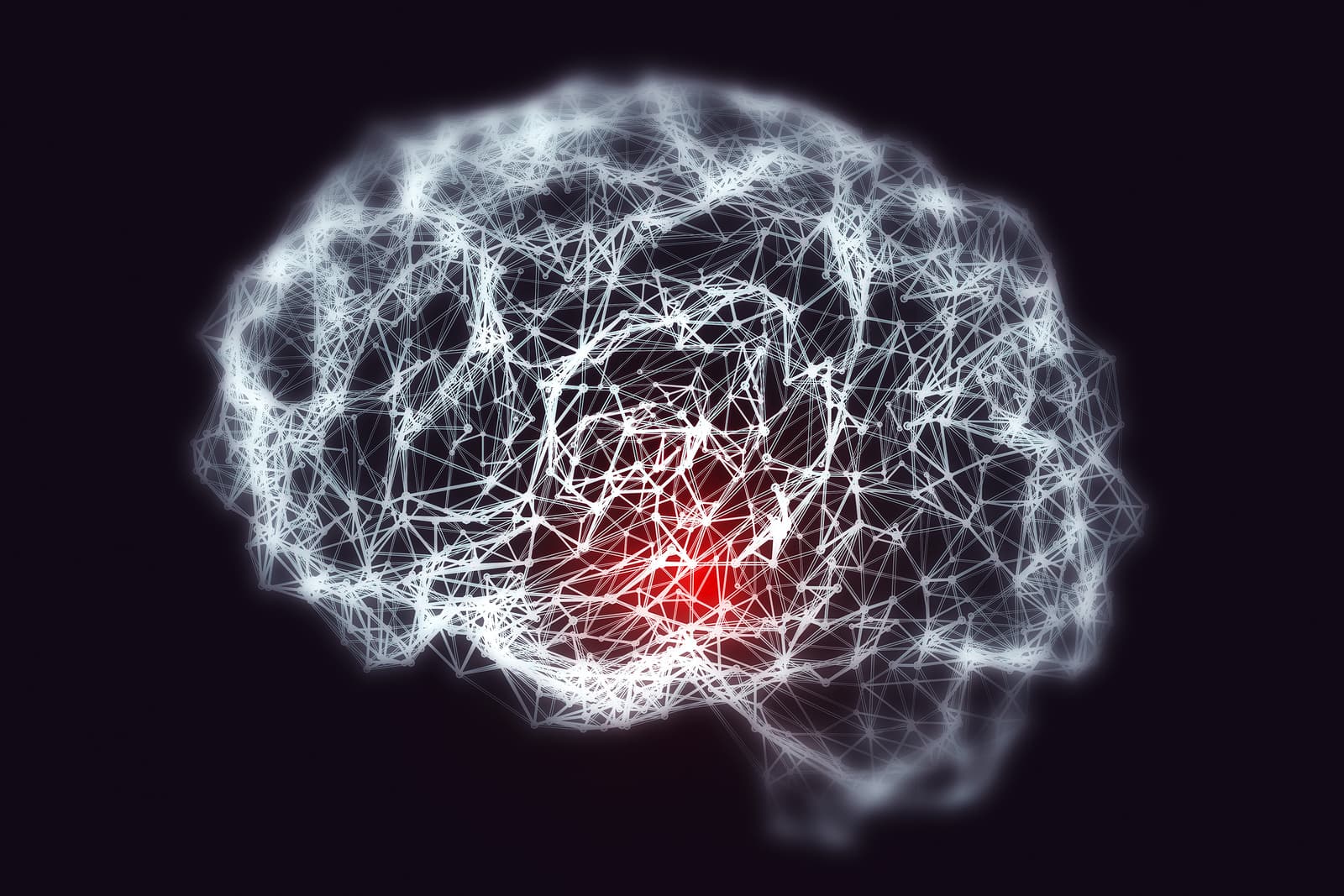
Neurologists worry that SARS-CoV-2 infection may affect the brain and raise the possibility of later dementia as a consequence.

Scientists tested dark roast and light roast coffee as well as decaf to see what components of coffee may prevent amyloid plaques.

Learn about treating Parkinson's disease and how to prevent this movement disorder. What policy changes are needed to protect the public?
All FDA-approved medicines are supposed to be both safe and effective. What does that mean in the real world? What's the story on Nuplazid (pimavanserin) for Parkinson's hallucinations?

Could you ever imagine a medicine that could turn you into a gambler, a compulsive shopper or someone obsessed with sex? Read on to learn about such drugs.
A tiny pilot trial suggests that a leukemia drug, nilotinib, might reverse the symptoms of people with Parkinson's disease.

The cancer drug nilotinib may help reverse the movement difficulties and dementia due to Parkinson's disease; who can afford it?