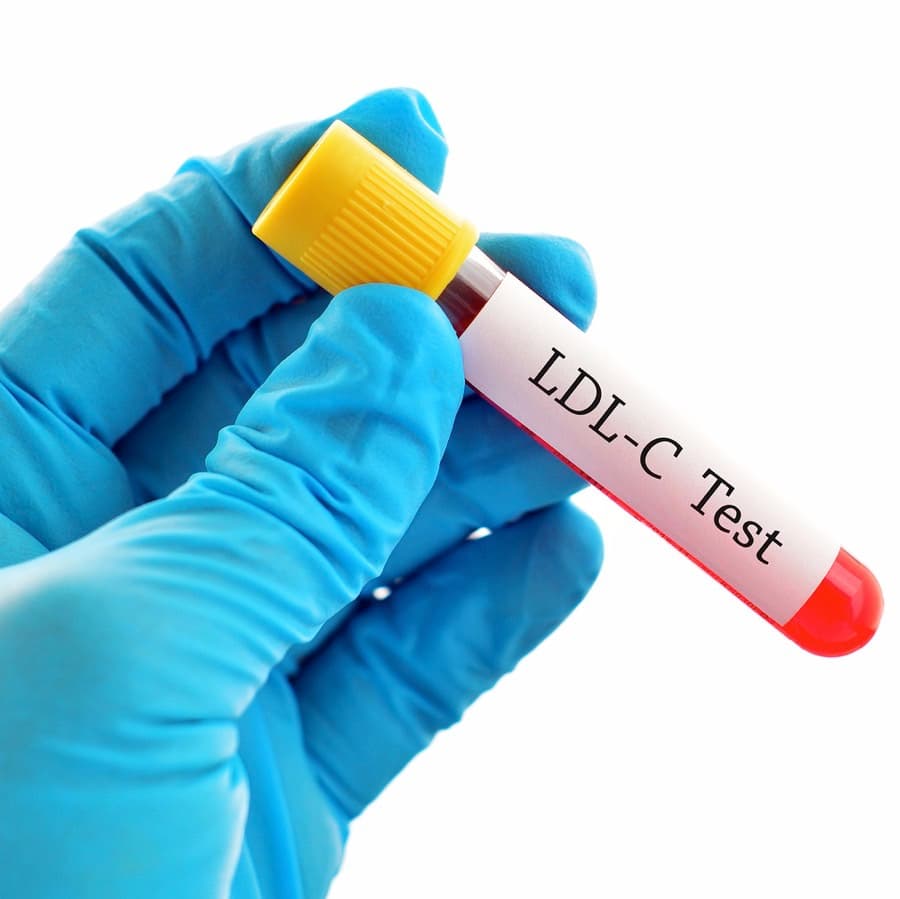
Most people are aware that high levels of LDL cholesterol might indicate susceptibility to cardiovascular problems like blocked arteries or heart attacks. When doctors see such a result on a blood test, they often like to address it by prescribing statins. That frequently brings LDL down to an acceptable range, but sometimes it doesn’t appear to be enough. Physicians could turn to additional medications, but patients may be interested in ways to lower LDL cholesterol naturally.
Oatmeal and Flaxseeds Helped Lower LDL Cholesterol Naturally
Q. Last year, my internist wanted to put me on statins. I met with two different cardiologists who also wanted me on statins. I asked both if I could lower my cholesterol with diet. They, like my internist, said diet wouldn’t work.
I asked the physician assistant if I would be able to get off the statin once I started. She replied that once you are on a statin you are always on it.
I got the prescription filled. But before I took it, I googled it. The side effects worried me. I have prediabetes and the statin could make that worse.
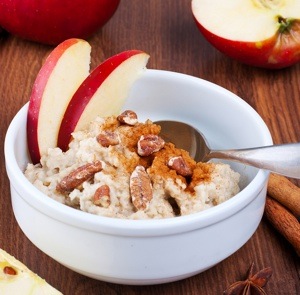
A friend recommended her dietitian, and I followed the recommended meal plans. They included a lot of steel-cut oatmeal with flaxseeds.
I also switched my primary care physician. In about a month, my total cholesterol had gone from 236 to 185. My LDL went from 160 to 111. My triglycerides went from 152 to 109. I have lost 22 pounds. I believe it was the dietitian’s meal plans that worked for me. Food is medicine!
A. Diet can make a difference for many people. Years ago, we heard from a reader who lowered her LDL cholesterol 44 points in five weeks by changing her eating pattern to avoid spikes in blood sugar. To do that she eliminated refined carbohydrates, ate a high-protein breakfast, added soluble fiber to most meals and focused on fish.
Could Walnuts and Flaxseed and Cinnamon Help Control Cholesterol?
Q. I started including walnuts and ground flaxseed in my meals when possible, along with Ceylon cinnamon. My LDL had risen to 180 and I thought I should do something about that. My good HDL has always been high.
After three months of this regimen, my LDL dropped 40 points, and my HDL rose 12 points. My triglycerides also dropped significantly. My doctor and I are very pleased with the quick response to my dietary changes.
Flaxseeds for Lower Lipids:
A. Congratulations on your sensible new diet. Flaxseeds contain fiber and fats that help normalize cholesterol components in people with elevated blood lipids (International Journal of Angiology, Dec. 2020). Eating flaxseeds doesn’t seem to have much impact on people with normal blood lipids.
Walnuts as Part of a Cholesterol-Lowering Diet
A review of meta-analyses shows that walnuts, along with whole grains rich in fiber as well as peas, beans and hazelnuts can lower LDL cholesterol for most people (Nutrition, Metabolism, and Cardiovascular Diseases, May 6, 2021). In addition, a vegetarian diet has a positive effect on gut microbiota and can help reduce cardiovascular risk (Journal of the American Heart Association, Sep. 15, 2020).
Cinnamon to Lower LDL Cholesterol Naturally
An analysis of studies of cinnamon at various doses found that this supplement can lower triglycerides and LDL cholesterol and raise HDL cholesterol (Nutrients, June 30, 2023). In contrast to some previous research, these studies found no significant effects of cinnamon on fasting blood glucose or HbA1c, a measure of blood sugar over time.
You Can Lower LDL Cholesterol with Diet
Q. I’d like to learn more about natural ways to lower LDL cholesterol. I can’t take niacin or statins because my liver enzymes are elevated. My doctor and I are concerned that my LDL has been rising. Do you have any recommendations?
A. Another reader was able to lower her LDL cholesterol 44 points in five weeks by changing her diet. She stopped eating before bedtime, added cruciferous vegetables, started drinking green tea, used fish as her primary protein and olive oil as her main fat. She also added soluble fiber and eliminated refined carbohydrates.
Can You Lower LDL Cholesterol Naturally by Eating Avocado?
Q. I have been tracking my cholesterol for over six years on a monthly basis. I lost weight, hoping it would go down. I ate oatmeal every day, but nothing helped.
Then I read that avocados can lower cholesterol. I started eating one every week. Since January, my cholesterol level has averaged 176. Before that, the average for the previous five years was about 215. Others may want to try this approach.
A. Your success is impressive. The research on adding avocados to the diet to lower cholesterol is not well known. But in the mid-1990s several Mexican research teams conducted studies that indicated eating avocados could reduce total cholesterol, bad LDL cholesterol and triglycerides (Archives of Medical Research, winter 1996). A review several years ago concluded that there is evidence consuming avocados and/or turmeric can lead to moderate to large reductions in LDL (Nutrition, Metabolism, and Cardiovascular Diseases, May 6, 2021).
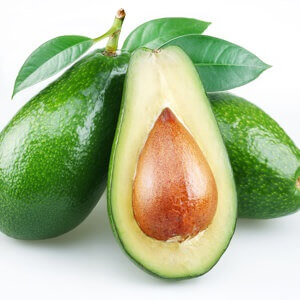
Avocados were once considered off limits because they have such a high fat content. But research reveals that they are an excellent source of mono-unsaturated fatty acids. These are the same type of healthful fats found in olive oil.
Learn More:
We have included other approaches to lower LDL cholesterol naturally in our eGuide to Cholesterol Control & Heart Health. You can read more about how our reader lowered her LDL cholesterol 44 points in five weeks with diet. We also discuss many other preventive strategies in this online resource.
Citations
- Prasad K et al, "Flaxseed and Its Components in Treatment of Hyperlipidemia and Cardiovascular Disease." International Journal of Angiology, Dec. 2020. DOI: 10.1055/s-0040-1709129
- Schoeneck M & Iggman D, "The effects of foods on LDL cholesterol levels: A systematic review of the accumulated evidence from systematic reviews and meta-analyses of randomized controlled trials." Nutrition, Metabolism, and Cardiovascular Diseases, May 6, 2021. DOI: 10.1016/j.numecd.2020.12.032
- Djekic D et al, "Effects of a Vegetarian Diet on Cardiometabolic Risk Factors, Gut Microbiota, and Plasma Metabolome in Subjects With Ischemic Heart Disease: A Randomized, Crossover Study." Journal of the American Heart Association, Sep. 15, 2020. DOI: 10.1161/JAHA.120.016518
- Schoeneck M & Iggman D, "The effects of foods on LDL cholesterol levels: A systematic review of the accumulated evidence from systematic reviews and meta-analyses of randomized controlled trials." Nutrition, Metabolism, and Cardiovascular Diseases, May 6, 2021. DOI: 10.1016/j.numecd.2020.12.032