Beyond Lyme
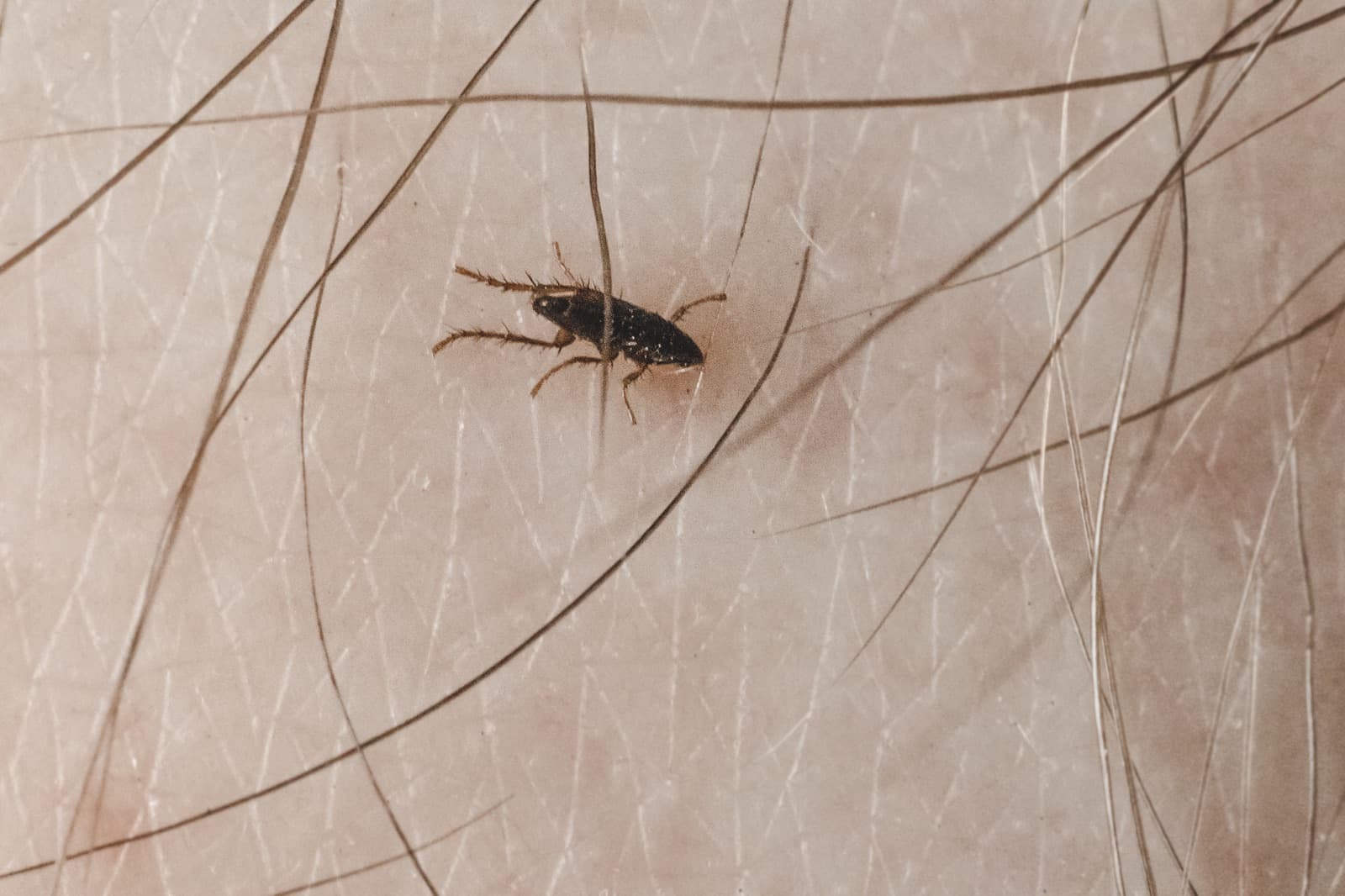
Tick season is well underway in many parts of the country. It seems that a mild winter and a warm spring have brought the nymphs out seeking blood. If that blood is yours, you may be exposed to a range of pathogens. What’s more, ticks are not the only creatures ready to bite you. Fleas are an even bigger problem when it comes to transmitting bacteria called Bartonella. That genus is responsible for cat scratch disease and trench fever. When the infection goes chronic, it’s called bartonellosis. What are the dangers of flea and tick bites?
At The People’s Pharmacy, we strive to bring you up to date, rigorously researched insights and conversations about health, medicine, wellness and health policies and health systems. While these conversations intend to offer insight and perspective, the content is provided solely for informational and educational purposes. Please consult your healthcare provider before making any changes to your medical care or treatment.
How You Can Listen:
You could listen through your local public radio station or get the live stream at 7 am EST on Saturday, May 9, 2026, through your computer or smart phone (wunc.org). Here is a link so you can find which stations carry our broadcast. If you can’t listen to the broadcast, you may wish to hear the podcast later. You can subscribe through your favorite podcast provider, download the mp3 using the link at the bottom of the page, or listen to the stream on this post starting on May 11, 2026.
You can watch us interviewing Dr. Breitschwerdt on YouTube.
The Hazards of Flea and Tick Bites
Ticks can transmit a dizzying number of pathogens, including viruses, bacteria and protozoa. Rocky Mountain Spotted Fever, for example, occurs when a tick injects Rickettsia rickettsii into a person through a bite. If not treated properly, it can be fatal. Fortunately, however, it usually responds to doxycycline. The NCSU laboratory has developed a reliable diagnostic test that picks it up quickly.
Another tick-borne disease that has become familiar over the last few decades is Lyme disease. It is carried by deer ticks infected with Borrelia burgdorferi. If treated promptly, most people clear the disease, but sometimes it morphs into a stealth infection that is quite controversial.
You may not think much about flea bites, but they too could be the source of a stealth infection. Fleas transmit Bartonella (and so do body lice, ants, pigeon mites, rat mites and sand flies). Cats can be infected (with three different species of Bartonella) and so can dogs (only two species). When people develop bartonellosis, it can cause liver disease and neurological problems such as headaches and memory loss. In some cases, infected people suffer seizures.
Preventing Flea and Tick Bites
Once Bartonella get into the body, it likes to hide. The bacteria can enter virtually any cell in the body and make itself at home. As a consequence, the immune system may have difficulty tracking it down and eliminating it. Antibiotics don’t always get to it, either. Treatments of entrenched infections need to be very intensive.
So it is better to prevent flea and tick bites. One way is to make sure that pets are protected. Veterinarians can prescribe preventive medicine for them, either oral or topical. Another important step is to protect yourself. Wear effective insect repellent when outside or cover your long pants with permethrin-treated gaiters. And absolutely do not skip the tick check when you come inside. If you find a tick that has bitten you, remove it with tweezers, seal it in a plastic bag, date the bag and put it in the refrigerator. That could provide useful identification if you begin to feel ill over the next several days. When the type of tick is identified, it helps to point the infectious disease expert in the correct direction for what condition you may have.
This Week’s Guest
Dr. Edward B. Breitschwerdt is a professor of medicine and infectious diseases at North Carolina State University College of Veterinary Medicine. He is also an adjunct professor of medicine at Duke University Medical Center, and a Diplomate, American College of Veterinary Internal Medicine (ACVIM). Dr. Breitschwerdt directs the Intracellular Pathogens Research Laboratory in the Institute for Comparative Medicine at North Carolina State University. He also co-directs the Vector Borne Diseases Diagnostic Laboratory and is the director of the NCSU-CVM Biosafety Level 3 Laboratory. Dr. Breitschwerdt’s clinical interests include infectious diseases, immunology, and nephrology.
https://www.galaxydx.com/about-us/meet-the-team/edward-breitschwerdt-dvm-dacvim-saim/

Dr. Ed Breitschwerdt, NCSU College of Veterinary Medicine
Listen to the Podcast
The podcast of this program will be available Monday, May 11, 2026, after broadcast on May 9. In this week’s podcast, we talk about developing treatments for these challenging conditions. A major focus for Dr. Breitschwerdt is prevention, so he and his colleagues are working on a vaccine that could prevent Bartonellosis. We also discuss the possibility that Bartonella might contribute to arthritis. Find out about the complications of another vector-borne infection, Babesiosis. You can stream the show from this site and download the podcast for free.
This episode of our podcast was sponsored in part by MUD\WTR. Start your new morning ritual & get up to 43% off your @MUDWTR with code PPOD at mudwtr.com/PPOD