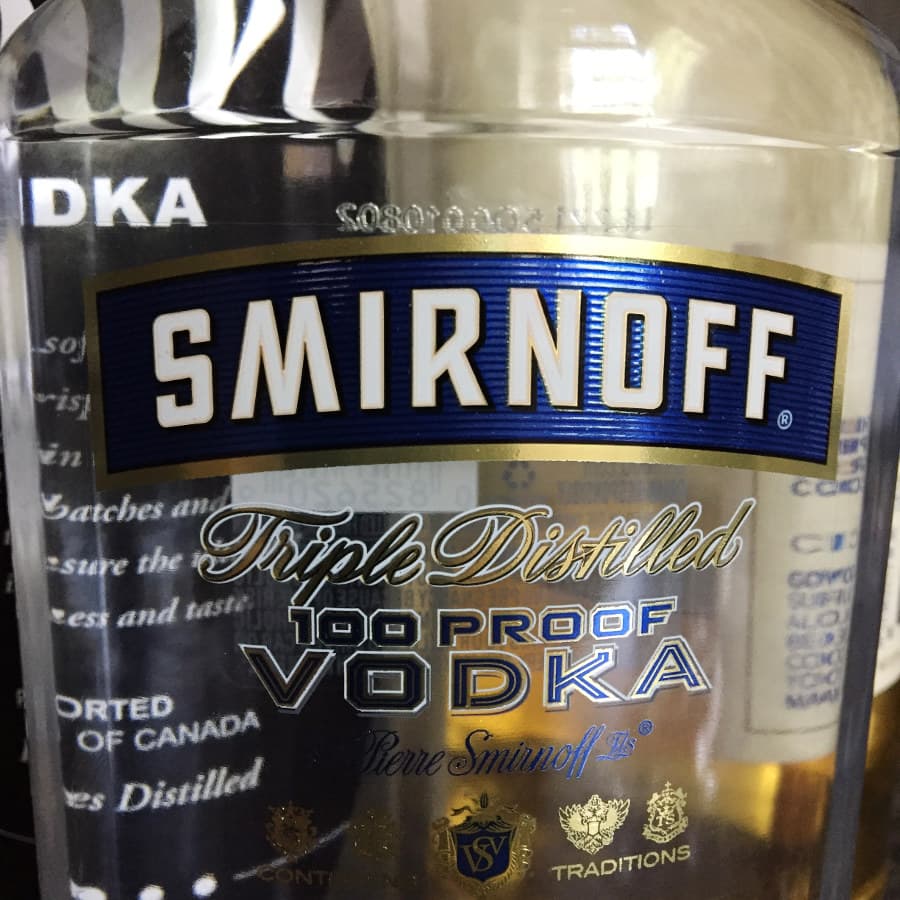
Something surprising is happening to people who take drugs like semaglutide (Wegovy, Ozempic) and tirzepetide (Mounjaro, Zepbound). These drugs have changed the way we think about weight loss as well as diabetes. Now researchers are asking a far more unexpected question: Could these same medications help curb alcohol cravings? There are reports that some people are finding that cocktails lose their appeal. Others stop after one glass of wine, rather than two or three glasses. Scientists are starting to see if these popular medications may reduce alcohol consumption by altering the brain’s reward system.
Study Finds Semaglutide May Help Alcohol Use Disorder
Semaglutide, the active ingredient in the diabetes drug Ozempic and the weight loss medication Wegovy, has gotten most of the attention. The results for those conditions have been undeniably impressive.
Now, semaglutide is making headlines again because of a study titled “Oral Semaglutide for Alcohol Use Disorder” (American Journal of Psychiatry, July 29, 2026). In this randomized clinical trial, researchers recruited 50 people with moderate to severe alcohol use disorder. The volunteers took oral semaglutide or placebo pills for two months. The primary outcome was alcohol craving measured in a laboratory setting set up to elicit such a response. There was no difference between people on semaglutide and those on placebo when it came to this particular outcome. However, those on semaglutide reported fewer heavy drinking days during the study and fewer drinks taken on drinking days. They also experienced fewer alcohol-related consequences and reduced their risk drinking level more than those on placebo.
The authors conclude that
“These findings confirm previous results among non-treatment seekers with less severe alcohol use disorder and suggest that continued development of semaglutide for AUD [alcohol use disorder] is warranted.”
GLP-1 Agonists Hold Promise Against Alcohol Use Disorder
Previous studies of the weight-loss drug semaglutide had already hinted that people using either Ozempic or Wegovy had less troublesome alcohol cravings. A Danish study confirmed that this drug may help reduce problem drinking (The Lancet, May 2, 2026).
The researchers enrolled 108 volunteers with obesity who also wanted to be treated for their out-of-control alcohol use. Everyone in the study was treated with cognitive behavioral therapy. Half the participants also got semaglutide every week while the other half got a placebo shot. The trial lasted half a year. During that time, those in the semaglutide group reduced their heavy drinking days by more than 40%. That was a greater reduction than those on placebo.
The scientists estimate the number needed to treat (NNT) for semaglutide to cut alcohol consumption is 4.3. That is much better than the NNT for established treatments, which come in at 7 or higher.
Earlier this year, animal research published in eBioMedicine (February 2026) added to a growing body of evidence suggesting that medications acting on the GLP-1 system may one day play a role in treating alcohol use disorder (AUD).
Animal Study Suggests How Drugs Could Curb Alcohol Cravings
In the study, researchers in Sweden tested tirzepatide, a medication that activates both GLP-1 and GIP receptors, in rats that had developed a strong habit of drinking alcohol.
The results were striking:
- Rats given tirzepatide cut their alcohol intake by at least 50% compared to untreated animals.
- After a period without access to alcohol, the treated rats did not relapse to their previous drinking levels.
- Brain studies showed that tirzepatide blunted surges of dopamine, a neurotransmitter deeply involved in reward and reinforcement.
The authors offer this explain their findings this way:
“Here we demonstrate that tirzepatide, a dual GLP-1R/GIPR agonist, affects alcohol intake and alcohol-related responses across both sexes in rodents. Our findings reveal that tirzepatide attenuates alcohol-induced dopamine signalling, reduces alcohol consumption, and suppresses relapse-like behaviours.”
Because alcohol, nicotine, and many drugs of abuse hijack the brain’s reward circuitry, dampening dopamine spikes could help explain why alcohol seemed less compelling to the animals.
Of course, rats are not people. The researchers emphasized that human studies are essential before drawing clinical conclusions. Still, these findings provide a biologically plausible explanation for reports that some people on GLP-1 drugs seem to lose interest in alcohol.
Is There Any Human Evidence That Such Drugs Could Curb Alcohol Cravings?
Animal data are persuasive, but what about real people?
A large U.S. study published in the Journal of Clinical Investigation (March 6, 2025) analyzed electronic health records from the Veterans Affairs system spanning 2008 to 2023. Researchers compared people prescribed GLP-1 receptor agonists with those taking other diabetes drugs or no such medications.
Here is what they found:
- People taking GLP-1 drugs reported greater reductions in alcohol consumption than comparison groups.
- The effect was much stronger among individuals with diagnosed alcohol use disorder or hazardous drinking patterns.
An analysis of this research offers this overview (Journal of Clinical Investigation, May 1, 2025):
“As research on GLP-1RAs and AUD [alcohol use disorder] advances, it is becoming increasingly clear that these medications have the potential to reduce alcohol consumption.
“Rather than aiming for individuals to commit to complete abstinence, these medications may allow for meaningful reductions in alcohol consumption, decreasing both the intensity and frequency of heavy drinking episodes. A particularly compelling aspect of GLP-1RAs is their effectiveness in individuals who are not actively seeking AUD treatment. Large-scale real-world data and clinical trials indicate that GLP-1RAs reduce alcohol intake even among those without the explicit goal of quitting alcohol consumption.”
More Evidence That GLP-1 Drugs Can Curb Alcohol Cravings
In another study (JAMA Psychiatry, Feb. 12, 2025), scientists recruited 48 people who appeared to have a drinking problem. The volunteers were not particularly interested in changing their drinking behavior. At the beginning of the study, participants were provided with their favorite brand beverage and told they could earn money if they held off drinking for 50 minutes. After that time, they had two hours to drink as much as they wanted. The researchers kept careful tabs and also measured breath alcohol at the end of the time.
Half of the participants self-injected low-dose semaglutide once a week; the other half gave themselves placebo shots. Neither the scientists nor the “subjects” knew who was in which group. Following two months of treatment, volunteers were once again offered their favorite beverage for two hours, as before. They also answered questionnaires about how much they drank, how often they binged on booze and how much they craved alcohol.
There were no differences between groups on the number of days a week that they chose to drink. However, participants on semaglutide drank much less, with a higher proportion of zero heavy drinking days than those on placebo. They reported less weekly craving and during the test at the end, they drank less and had lower breath alcohol than they had during the initial session.
You will not be surprised to learn they also lost weight during those two months, about 5% of their initial weight on average. One additional result of this study was a reduction in smoking for those who used cigarettes.
Tobacco?
There is also a preliminary suggestion that semaglutide might help people with tobacco and other drug dependencies (Annals of Internal Medicine, Aug. 2017). We agree that researchers should explore this potential benefit of GLP-1-type drugs for addictions. We don’t know if semaglutide will become an all-purpose tool for a wide range of addictive behaviors, but we agree with the investigators that larger clinical trials would be appropriate.
Could Semaglutide Help Curb Alcohol Cravings and Other Yearnings?
A reader overcame sugar cravings after starting Wegovy:
Q. I took Wegovy for a few months last fall until I was unable to find a pharmacy that could fill my prescription. They were all out of stock.
I lost 17 lbs, and my A1C went from 6.5 in October to 5.4 in late December. Luckily, I had no side effects at all while taking Wegovy.
I have since lost 30 pounds by reading labels for sugar and fats, going from 225 to 195 as of the other day. You’d be amazed how many different foods contain sugar! I also look at sodium content, although my blood pressure has always been considered low. Even if I eat something salty, I generally have no problem with swollen fingers or feet.
I think Wegovy gave me a kickstart. I was able to stop my sugar cravings, which felt like an addiction for me. My doctor said patients have told him they were able to stop drinking and even quit cocaine use while taking Wegovy. Then they got into programs like AA or therapy for addiction.
Based on my experience and what my doctor said, scientists need to study Wegovy as a means of helping addicts get straight, not just as a weight loss drug.
Why Might These Drugs Curb Alcohol Cravings and Other Dependencies?
GLP-1 receptors are found not only in the gut and pancreas but also in key brain regions involved in reward, impulse control, and motivation. By calming exaggerated reward signals, GLP-1 drugs may reduce the “pull” of alcohol, nicotine, sugar, and possibly other substances.
This does not mean these medications are a cure-all for addiction. Most experts believe that if GLP-1 drugs are eventually approved for alcohol use disorder, they would likely work best alongside counseling, peer support, or therapy.
What We Still Don’t Know
- These drugs are not FDA approved for alcohol use disorder.
- Long-term effects on drinking behavior remain uncertain.
- Side effects such as nausea, vomiting, and GI upset may limit use for some people.
- Cost and access remain significant barriers.
Still, the convergence of animal studies, observational data, and early clinical trials makes this one of the most intriguing new directions in addiction research.
The Bottom Line on Drugs to Curb Alcohol Cravings
GLP-1 drugs like semaglutide and GLP-1/GIP receptor agonists such as tirzepatide were originally developed to treat diabetes. They became blockbuster weight-loss medications almost by accident. Now, they may be opening an entirely new chapter in the treatment of addictive behaviors.
We don’t yet know whether these medications will become standard tools for alcohol use disorder. But the science is moving fast, and the early signs suggest this possibility deserves serious, large-scale clinical trials.
For people struggling with alcohol cravings, that’s a development worth watching closely.
Citations
- Schacht JP et al, "Oral semaglutide for alcohol use disorder: A randomized clinical trial." American Journal of Psychiatry, July 29, 2026. DOI: 10.1176/appi.ajp.20260003
- Klausen MK et al, "Once-weekly semaglutide versus placebo in patients with alcohol use disorder and comorbid obesity: a randomised, double-blind, placebo-controlled trial." The Lancet, May 2, 2026. DOI: 10.1016/S0140-6736(26)00305-3
- Edvardsson, C., et al, "Tirzepatide reduces alcohol drinking and relapse-like behaviours in rodents," EBioMedicine, Feb. 2026, doi: 10.1016/j.ebiom.2025.106119
- Farokhnia, M., et al, "Glucagon-like peptide-1 receptor agonists, but not dipeptidyl peptidase-4 inhibitors, reduce alcohol intake," Journal of Clinical Investigation, March 6, 2025, doi: 10.1172/JCI188314
- Petrie, G.N. and Mayo, L.M., "GLP-1 receptor agonists for the treatment of alcohol use disorder," Journal of Clinical Investigation, May 1, 2025, doi: 10.1172/JCI192414
- Hendershot, C.S., et al, "Once-Weekly Semaglutide in Adults With Alcohol Use Disorder: A Randomized Clinical Trial," JAMA Psychiatry, April 1, 2025, doi: 10.1001/jamapsychiatry.2024.4789
- Wang, W., et al, "Association of Semaglutide With Tobacco Use Disorder in Patients With Type 2 Diabetes : Target Trial Emulation Using Real-World Data," Annals of Internal Medicine, Aug. 2024, doi: 10.7326/M23-2718