Here at The People’s Pharmacy, Terry and I try to bring you the health news that matters to you. Often, these are long articles that may take several minutes to read. Today, though, we are introducing a new element in our Friday newsletter: Health in a Hurry.
These are short medical and pharmaceutical news items that caught our attention over the past week. We hope you find this quick snapshot of the health headlines timely, informative, and easy to digest.
Bayer and Roundup: $7.25 Billion Settlement
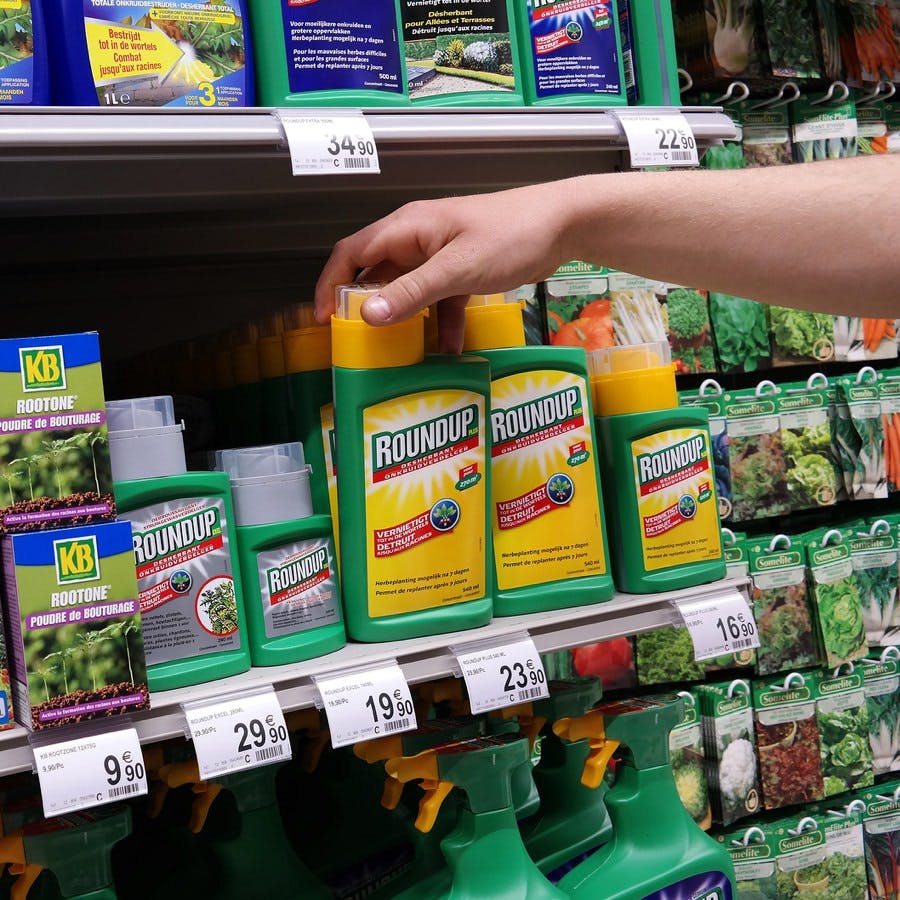
Bayer® Aspirin is a household name. The same German pharmaceutical company that developed aspirin, and many other medications, is a biotech behemoth. More than seven years ago it acquired Monsanto, the company that developed the glyphosate-based weedkiller Roundup. It also inherited lawsuits alleging that this herbicide caused cancer (non-Hodgkin lymphoma).
This week, the company announced a sweeping new settlement aimed at bringing long-running litigation under control. Under the proposed agreement, Bayer’s Monsanto unit would allocate up to $7.25 billion to fund declining annual payments for as many as 21 years for plaintiffs who claim non-Hodgkin lymphoma linked to long-term Roundup use. The deal requires court approval, but several major plaintiff law firms have already asked a St. Louis court to sign off.
Bayer emphasized that the settlement includes no admission of wrongdoing, noting that regulators, including the U.S. Environmental Protection Agency, continue to say glyphosate is not carcinogenic when used as directed. CEO Bill Anderson described the move as choosing “speed and containment over a protracted legal battle.” This seems especially relevant as the Supreme Court reviews a prior $1.25 billion Roundup verdict.
Why this matters: Massive settlements can limit legal risk for companies, but they don’t necessarily resolve lingering questions about long-term safety or public trust. I always find it fascinating to read that a company admits no wrongdoing while simultaneously paying out billions to settle pending litigation.
Erections in a Hurry: Health in a Hurry Meets a New ED Option
The U.S. Food and Drug Administration has approved Vybrique, the first tongue-dissolving oral film version of sildenafil (the same active ingredient found in Viagra) for men with erectile dysfunction. Instead of swallowing a pill, men place a small film on the tongue, where it dissolves without water. It can be taken 30 minutes to 4 hours before sex, with or without food.
The drug was tested in a 12-week clinical trial involving 475 men, with doses ranging from 25 to 100 mg. Researchers found improvements in erectile function compared to placebo. The manufacturer, IBSA USA, says the discreet, portable format may appeal to men who value privacy or dislike pills. U.S. availability is expected later this spring.
But make no mistake: this is not a new drug, just a new delivery system for sildenafil. That means the same precautions apply. Men who take nitrates, have certain heart conditions, or use specific blood pressure medications should avoid it. Serious side effects—though rare—can include sudden vision or hearing loss and prolonged erections requiring emergency care.
Why this matters: New delivery formats may make treatment more convenient, but “easier” doesn’t mean risk-free. Men should still talk with a healthcare professional before trying a new erectile dysfunction medication—even one that dissolves on the tongue.
FDA Chief: “Everything Should Be Over the Counter”
FDA Commissioner, Marty Makary, says most medicines should be available over the counter without a prescription unless they are unsafe, addictive, or require close medical monitoring. Dr. Makary said the U.S. Food and Drug Administration plans to begin updating its OTC “monographs” to allow more prescription drugs to be sold without a doctor’s supervision.
The agency is reviewing what Makary called “basic, safe” medications, including nausea drugs and vaginal estrogen for menopausal symptoms. He framed the effort as a way to lower drug costs and improve access, aligning with the Trump administration’s emphasis on reducing health care spending. Critics worry, however, that easier access could also mean less medical guidance for patients.
People’s Pharmacy Concerns: Many people assume that over-the-counter means super safe. If there is a familiar brand, such as Advil, Aleve, Motrin, Mucinex, Tylenol, or Vicks, many people may assume the product must be super safe. They may not even bother to read the instructions, cautions or warnings. Popular NSAID pain relievers, for example, can cause heartburn, stomach ulcers, kidney damage, high blood pressure and even heart attacks. “Basic, safe“?
Oh yes, one more thing! Most OTC drugs are not covered by insurance! That could mean consumers will have to pay more for OTC drugs than identical prescription generic medications covered by insurance.
Why this matters: Expanded OTC access could save time and money, but it also shifts more responsibility for safe use onto consumers. People will need to do their homework before using OTC vaginal estrogen products or anti-nausea meds.
FDA Drops Longstanding Two-Study Rule for Drug Approval
In another major policy shift, the FDA says it will no longer routinely require two large clinical trials to approve new drugs. Instead, the agency’s new default will be “one pivotal study,” according to a recent article by FDA leaders in The New England Journal of Medicine (Feb. 19, 2026).
FDA Commissioner Dr. Marty Makary and deputy commissioner Vinay Prasad argue that modern science—better trial design, improved biomarkers, and more precise data—makes the second study unnecessary in many cases and could speed patient access to new treatments. Here is their announcement in their own words:
“Going forward, the FDA’s default position is that one adequate and well-controlled study, combined with confirmatory evidence, will serve as the basis of marketing authorization of novel products.”
Drug companies should be thrilled with this announcement. Critics counter that requiring two independent trials has long served as a crucial safeguard against exaggerated benefits and overlooked risks. Here at The People’s Pharmacy, we have written extensively about the delayed discovery of serious drug side effects here and also here!
Why this matters: Faster approvals may bring treatments to market sooner, but fewer studies could also mean more uncertainty about safety and effectiveness.
FDA Targets Antibiotic Overuse in Livestock
The FDA has issued a new “guidance” urging drugmakers to define how long medically important antibiotics should be used in food-producing animals. The recommendations call for adding duration limits to antibiotics that can currently be used continuously for certain livestock diseases. As I write this, it is my understanding that farmers can include antibiotics in animal feed for long periods of time.
According to CIDRAP (Center for Infectious Disease Research and Policy, Dec. 18, 2025):
“US sales of antibiotics for livestock climbed 16% last year, FDA report shows”
Steven Roach is the director of the Safe & Healthy Food Program at Food Animal Concerns Trust (FACT).
He told CIDRAP:
“At FACT, we attribute it [increase in antibiotic use] to a failure to put in place common sense steps such as eliminating antibiotic use in animals without diagnosed bacterial infection and failure to set targets for reduction in antibiotic use either by the meat industry or the federal government.”
About 28% of medically important antibiotics given to animals lack specific time limits, according to the FDA’s Center for Veterinary Medicine. While the agency says clearer labeling could help slow antibiotic resistance, critics argue the guidance is voluntary and does not go far enough to protect human health.
Why this matters: Antibiotic use on farms can directly fuel resistance in humans, making infections harder—and sometimes impossible—to treat. It also allows “factory farms” to engage in animal crowding and less humane animal protection.
Weight-Loss Drug Race Heats Up: Health in a Hurry!
Injectable weight-loss drugs such as Wegovy (semaglutide) and Zepbound (tirzepatide) have captured headlines for a couple of years. They have become huge best sellers and have made billions for drug companies such as Novo Nordisk and Lilly. But some people are a bit squeamish about self-injecting a medication, even if it’s “only” once a week.
Pharmaceutical companies have been racing to develop oral versions of GLP-1-type medications. Daily pills could make obesity treatment more appealing to people who are unwilling or unable to use injections and may eventually lower costs. The FDA approved oral Wegovy pills in January and Novo Nordisk began distributing them last month. According to industry analysts, sales took off like a shot. Not surprisingly, other drug companies are also developing their own oral GLP-1 drugs.
Still, experts caution that long-term safety data are limited, insurance coverage remains uncertain, and surging demand could invite counterfeit or improperly compounded products into the market.
Why this matters: Easier-to-take pills could expand access to weight-loss treatment, but may also accelerate use before risks are fully understood.
Final Words About Health in a Hurry:
We’d love to know what you think. Does this new Health in a Hurry format work for you? If a story caught your eye, or if you think we missed one, please let us know. Are there health or medical news stories you’d like us to cover in future editions? Do you have questions you’d like us to explore more deeply?
Please feel free to share your thoughts, suggestions, or concerns. Your feedback helps guide what we cover next. If you found this approach worthwhile, we would be ever so grateful if you would take a moment to share it with friends and family. The only way we can keep this newsletter and website going is with your support. Please share our articles on your social media posts and encourage your acquaintances to subscribe to our free newsletter. Thank you so much for your ongoing encouragement.
Citations
- Prasad, V. and Makary, M.A., "One Pivotal Trial, the New Default Option for FDA Approval - Ending the Two-Trial Dogma," Feb. 19, 2026, doi: 10.1056/NEJMsb2517623