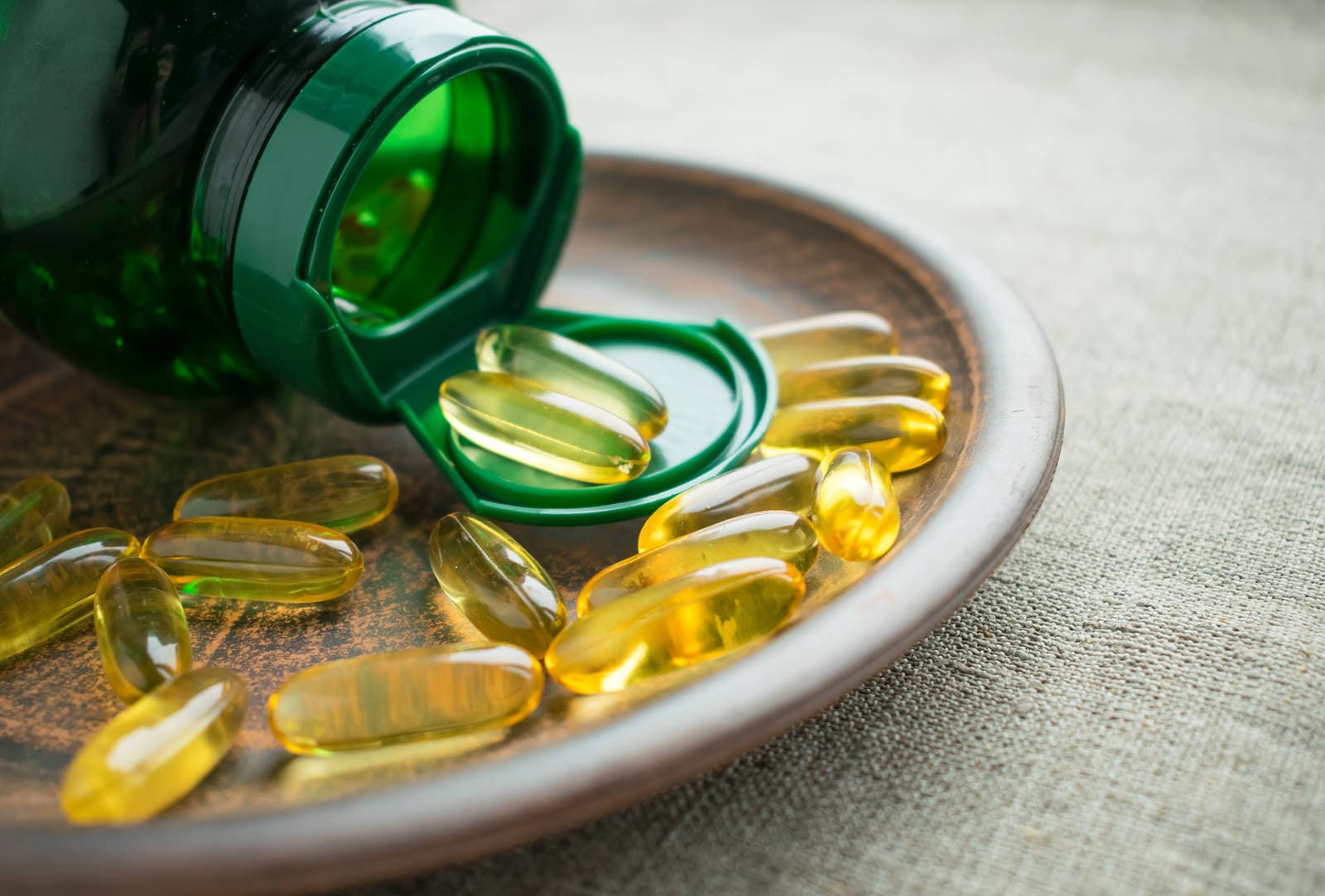
Most people think of vitamin D primarily as a compound that can help bones stay strong. However, research has shown that immune system cells such as macrophages or monocytes rely on vitamin D as well (Reviews in Medical Virology, Jan. 2017). That would explain why clinicians and scientist tried to find out if high-dose vitamin D could help people resist serious infections like COVID-19.
Vitamin D Did Not Speed Recovery but Might Reduce Risk of Long COVID
Now that the pandemic is over, we understand the urge to put COVID-19 into the history books. That doesn’t get it out of our lives altogether, though. Just like flu and the “common cold” (which is sometimes caused by a coronavirus), SARS-CoV-2 will be part of our infectious disease landscape going forward. Learning what we can about preventing, treating and recovering from it is worthwhile.
Harvard researchers and their Mongolian colleagues have just published a study of Vitamin D3 supplementation during COVID infection (Journal of Nutrition, March 12, 2026). Previous studies of vitamin D against COVID infection were frustratingly inconclusive, and this one is also.
The investigators recruited patients from both the US and Mongolia. Over 1,700 volunteers with newly diagnosed COVID-19 infections participated. They were randomized to received either high-dose vitamin D or placebo. The dose of vitamin D3 was 9600 International Units for the first two days and 3200 IUs daily for the next month. According to the researchers, they found no differences in symptom severity or chance of hospitalization whether people were taking the vitamin or placebo.
There was, however, an intriguing hint that people in the vitamin D3 group were about 20 percent less likely to develop long COVID after their infection. That assessment was based on symptoms at eight weeks after diagnosis. This reduction was not statistically significant, but the signal was strong enough that it deserves further study.
Can High-Dose Vitamin D Fight Infection?
During the pandemic, we wrote the following about the impact of vitamin D on COVID-19 outcomes. The plan for the trial described above was outlined in this publication from the height of the pandemic (Contemporary Clinical Trials, Jan. 2021).
Q. I have read that high-dose vitamin D did not make a difference when people were admitted to the hospital with COVID-19. Perhaps you should have higher levels of vitamin D circulating in your body when you are first exposed to COVID-19, instead of receiving a massive dose of D after you are already sick and in the hospital. Higher levels of D at the get-go might prevent the inflammation and immune system overreactions that make COVID-19 so serious for some people.
A. You are referring to a Brazilian study (MedRxiv, Nov. 17, 2020). In it, 240 hospitalized COVID-19 patients got either placebo or 200,000 IU of vitamin D in a single giant dose. There was no difference between the groups with respect to hospital stay, intensive care or ventilator use.
Low Vitamin D May Make People More Susceptible to COVID-19
Other research suggests that people with low vitamin D levels in their bodies may be more vulnerable to COVID-19 (Health Security, Dec. 14, 2020). Vitamin D helps calm inflammation. As a result, some scientists hypothesize that people without enough vitamin D are more likely to suffer deadly cytokine storms if they become infected (Aging Clinical and Experimental Research, Sep. 2, 2020). In other words, they agree with you that people with adequate vitamin D before infection are better off than having sick people take super high-dose vitamin D.
Learn More:
You can learn more about vitamin D in our eGuide to Vitamin D and Optimal Health. In it, you’ll learn about supplementation and symptoms of inadequate vitamin D as well as details on what it does. Is high-dose vitamin D dangerous? We lay out its possible toxicity.
You may also wish to listen to our podcast on the topic. It is Show 1240: The Link Between Vitamin D and COVID-19. In it, we interview guest experts David O. Meltzer, MD, PhD, and Bruce Hollis, PhD.
Citations
- Zdrenghea MT et al, "Vitamin D modulation of innate immune responses to respiratory viral infections." Reviews in Medical Virology, Jan. 2017. DOI: 10.1002/rmv.1909
- Ganmaa D et al, "A randomized trial of vitamin D supplementation and COVID-19 clinical outcomes and long COVID: The Vitamin D for COVID-19 Trial." Journal of Nutrition, March 12, 2026. DOI: 10.1016/j.tjnut.2026.101398
- Wang R et al, "The vitamin D for COVID-19 (VIVID) trial: A pragmatic cluster-randomized design." Contemporary Clinical Trials, Jan. 2021. DOI: 10.1016/j.cct.2020.106176
- Murai IH et al, "Effect of vitamin D3 supplementation vs placebo on hospital length of stay in patients with severe COVID-19: A multicenter, double-blind, randomized controlled trial." MedRxiv, Nov. 17, 2020.
- Mariani J et al, "Association between vitamin D deficiency and COVID-19 incidence, complications, and mortality in 46 countries: An ecological study." Health Security, Dec. 14, 2020. DOI: 10.1089/hs.2020.0137
- Daneshkhah A et al, "Evidence for possible association of vitamin D status with cytokine storm and unregulated inflammation in COVID-19 patients." Aging Clinical and Experimental Research, Sep. 2, 2020. doi: 10.1007/s40520-020-01677-y