There is a strong consensus that Americans get too much sugar in our diets. As a result, manufacturers have turned to sugar substitutes for some popular foods and beverages and also some medications. One of those is xylitol. What do you know about it? Readers are wondering if it is safe.
Is Xylitol Dangerous?
Q. I’ve read for years that xylitol is good for oral health and sinus issues. Consequently, I’ve used a toothpowder (in lieu of toothpaste) that has xylitol in it. And I chew two pieces of xylitol gum each day.
I also use a neti pot about a dozen times a year and add xylitol to the salt water for washing my nasal passages. I have no other artificial sweeteners and little sugar in my diet.
Now I’m hearing that xylitol may be dangerous. How worried should I be about my risk?
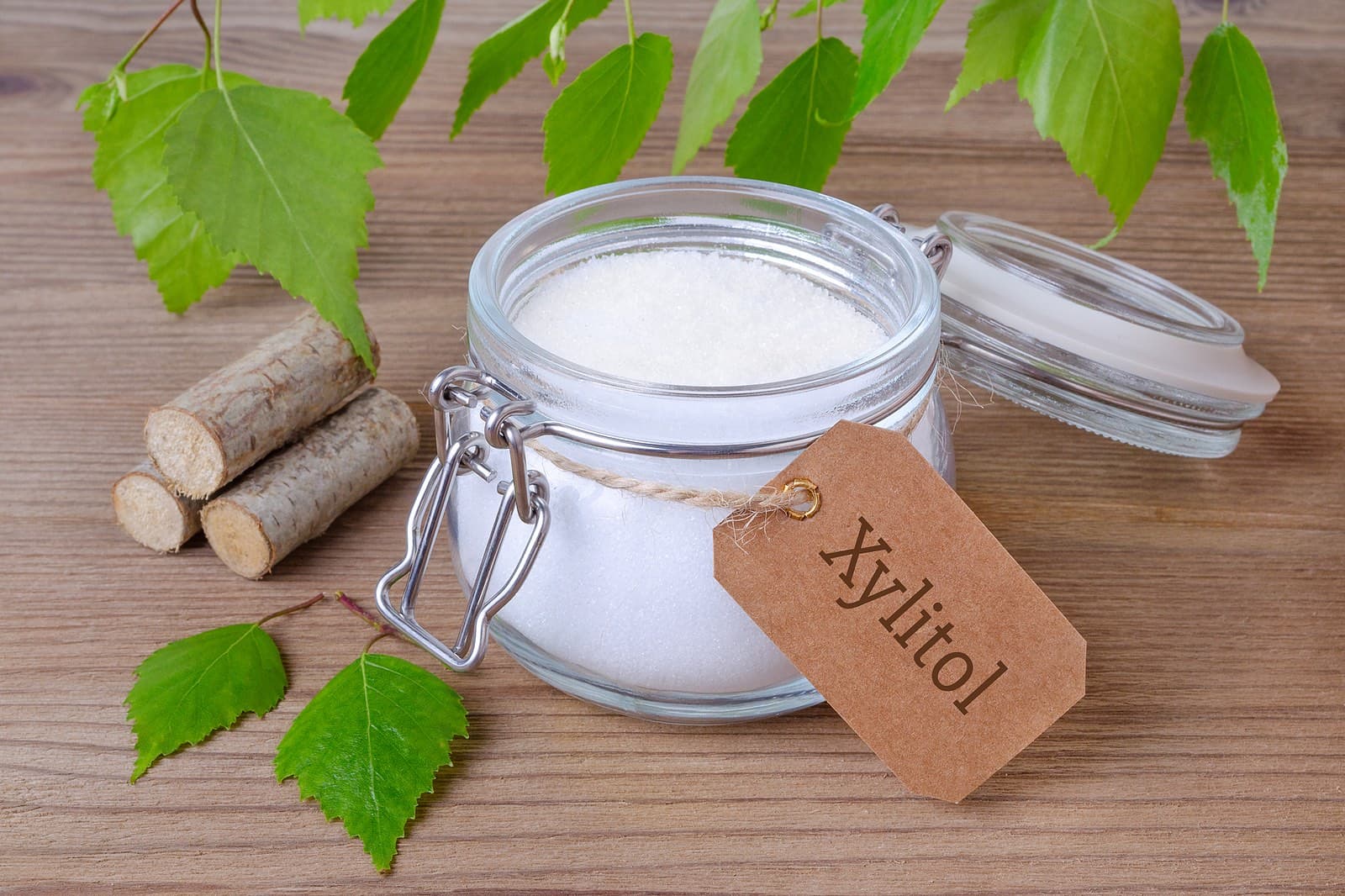
A. Xylitol is a naturally occurring sugar substitute, sometimes called birch sugar. It has a reputation for fighting nasal congestion and it seems to be helpful against dental plaque (Special Care in Dentistry, Jul-Aug. 2026). Because xylitol does not raise blood sugar levels, it is sometimes used in foods designed for people with diabetes.
The latest research on safety is disconcerting, as it suggests that regular xylitol consumption might increase the chance for cardiovascular disease. The study followed more than 17,000 individuals in the Canadian Longitudinal Study on Aging and the European Prospective Investigation Into Cancer (EPIC) in Norfolk, UK over many years.
People with the highest levels of xylitol in their bloodstreams were significantly more likely to suffer heart attacks, strokes or death from either one. The research has not been published but was presented at the European Society for Cardiology annual meeting in August 2026.
Will Xylitol Harm Me?
Q. I received an unsolicited newsletter that gave a list of harmful ingredients in medications. On the list was xylitol.
I’ve been using Xlear spray two times per day for allergies and chewing Trident gum daily for some years. Both Xlear spray and Trident contain xylitol.
Please tell me what this ingredient is doing to me.
A. Xylitol is a sugar substitute originally derived from xylose in birch bark. Raspberries and mushrooms as well as other fruits and vegetables contain small amounts of this compound. The xylitol used in commercial products like chewing gum, lozenges, toothpaste or sugar-free candy is primarily made by processing corncobs.
Don’t Get Too Much Xylitol
Like sorbitol or maltitol, which are also used as sugar substitutes, xylitol can cause bloating, flatulence and diarrhea if it is consumed in large enough quantities.
Xylitol in modest amounts may have health benefits, however. Children who chew gum with this sweetener may have fewer ear infections. It may also discourage cavities (Archives of Oral Biology, June 6, 2016).
Xylitol Is Not for Dogs!
The most immediate danger with xylitol comes with any canine companions. This compound is quite toxic to dogs and must be kept away from them. Since some dogs have an amazing talent for getting into things they shouldn’t, it might be safest to keep sugar-free gums, candies and medications in closed or even latched drawers or cupboards if there are dogs in the house.
In one case, a Chihuahua developed liver failure after getting into the xylitol in a sugar bowl (Journal of Medical Toxicology, June, 2016). Dogs may develop vomiting, lethargy and low blood sugar (Journal of Veterinary Emergency and Critical Care, Sep-Oct., 2015). With intensive emergency treatment, many dogs survive, as the Chihuahua did. It would be better not to tempt fate, however.
We heard from one reader, RL, an important warning about xylitol and dogs:
“Your discussion concerning xylitol caught my eye. I work part time veterinary emergency medicine. I wish you would have warned people that one stick of xylitol gum is likely to be fatal to a 20 pound dog. Blood glucose drops quickly to comatose levels. Within 12 hours or so there is liver and kidney failure, even with vigorous treatment. I contacted Mars Corp and suggested they put warnings on their packages. I was ignored.”
Another reader shared this story:
Q. I read your column about using xylitol spray to ease symptoms of nasal congestion and sinusitis. Please warn your readers that xylitol is very toxic to dogs. A friend’s dog got into a pack of sugar-free chewing gum sweetened with xylitol and nearly died!
A. You are quite correct that the sugar substitute xylitol is dangerous for dogs. This sweetener can cause a sudden drop in blood sugar, resulting in vomiting, staggering, weakness and even seizures or coma. Xylitol-containing products such as sugar-free gum or candy should be kept where dogs can’t get to them.
The packaging of the product we discussed, Xlear Nasal Spray, should make it hard for dogs to ingest the solution. That said, it makes sense to keep all medications, gum and candy out of the reach of pets.
Citations
- Söderling E & Pienihäkkinen K, "Beneficial effects of xylitol chewing gum and candies on oral health in older people and individuals with disabilities: A systematic review." Special Care in Dentistry, Jul-Aug. 2026. DOI: 10.1111/scd.70209