Human beings evolved as outdoor creatures, but nowadays we spend 93% of our time indoors, on average. What is that doing to our health? Training our eyes on screens instead of scanning the horizon can contribute to near-sightedness. In addition, cutting ourselves off from natural daylight rhythms may interfere with our sleep.
The 17-Minute Prescription
Dr. John La Puma has spent his career considering how our daily habits influence our health. You can learn more about him at Show 1478. He points out that just 17 minutes a day outside can counteract the harms we experience from being shut up inside. What should we be doing outdoors?
Seven Parts of the Outdoor Prescription
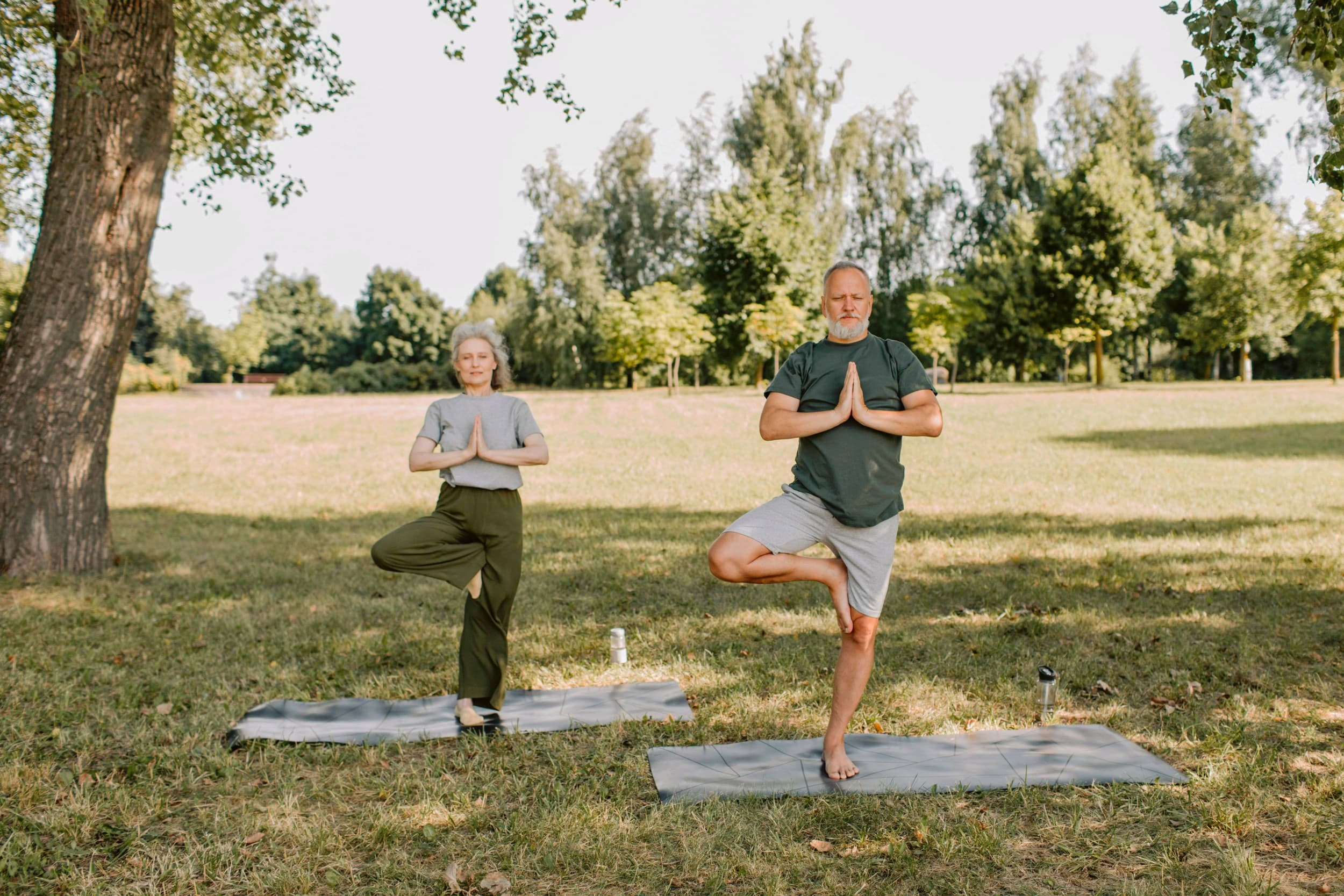
Morning light within an hour of waking can set the tone for the entire day and help us sleep better at night. Forest bathing and exercising or walking outside help relieve our stress and lower our blood pressure. We can get additional benefits from gardening. Hands in the dirt help expose us to soil microbes and may improve our own microbiome diversity.
Meeting friends outdoors is another wonderful way to reap the benefits of nature and counteract loneliness. New data suggest that being lonely is as bad for our health as smoking 15 cigarettes a day! Exercising (like playing tennis or pickleball) or even walking with a friend can magnify the benefits of stepping outside.
What Is Forest Bathing?
Dr. La Puma describes the benefits of “forest bathing,” a practice developed in Japan. Just two hours among the tress, paying attention to all five senses, can lower blood pressure as much as medication. And the effect is surprisingly long lasting, for up to a. month. The idea is not accomplishing goals and checking boxes off the to-do list. Rather, just being there and experiencing touch, sound, sight, smell and even taste reduces stress and blood pressure. You don’t need a big forest to make a difference. Being mindful in a small urban park can provide many of the same benefits.
Watch the short video, then listen to the entire podcast at your convenience.
Listen to the podcast on Apple Podcasts or Spotify. If you like our show and find value in the information that we bring to you, please consider subscribing and rating or reviewing our show in Apple Podcasts or Spotify. It really helps new listeners find health information that they wouldn’t hear elsewhere.