
Birth rates have been dropping for years. This is happening in many parts of the world, not just the US. Demographers estimate that women need to have 2.1 children, on average, to replace the population. (The US is currently at about 1.7 or 1.8 children per woman.) Where the average number of babies falls below replacement, the country may end up with more elderly people than children. Eventually, this can have economic and social consequences. In this episode, we explore the baby bust. Why is fertility falling?
At The People’s Pharmacy, we strive to bring you up to date, rigorously researched insights and conversations about health, medicine, wellness and health policies and health systems. While these conversations intend to offer insight and perspective, the content is provided solely for informational and educational purposes. Please consult your healthcare provider before making any changes to your medical care or treatment.
How You Can Listen
You could listen through your local public radio station or get the live stream at 7 am EST on Saturday, October 3, 2026, through your computer or smart phone (wunc.org). Here is a link so you can find which stations carry our broadcast. If you can’t listen to the broadcast, you may wish to hear the podcast later. You can subscribe through your favorite podcast provider, download the mp3 using the link at the bottom of the page, or listen to the stream on this post starting on Oct. 5, 2026.
Why Is Fertility Falling?
Fertility in the US is at a historical low, according to our guest, Dr. Linnea Zimmerman. Whether or not this baby bust constitutes a crisis depends upon your perspective, however. Those who see young people primarily as eager working hands could perceive the economic effects of falling fertility as a future crisis. Others who worry that we are straining the ecological limits of the planet might view a decline in fertility more positively.
We asked Dr. Zimmerman about the sources of this baby bust, and she explained that the factors are complex. Although there will almost certainly be some economic consequences of a steep drop in fertility, economic considerations are also important for people considering parenthood. Housing is expensive, and so is childcare. Do they feel confident about their healthcare coverage?
It is not clear that the lifetime fertility rate of American women has declined as steeply as the statistics suggest. One good aspect of the current situation is fewer teenage pregnancies. In addition, many women in their 20s, when past generations would have been bearing babies, may be waiting until they feel more settled in their lives, or until they find a suitable partner to raise children with. This can take time.
Has Environmental Contamination Affected Fertility?
We asked Dr. Zimmerman if we could attribute fertility falling to exposure to environmental factors such as forever chemicals. While PFAS compounds are certainly not good for humans and should be avoided as much as possible, we don’t yet have evidence that they are contributing to a baby bust.
What Can You Do About Fertility Challenges?
We turned to Dr. Genevieve Neal-Perry to learn about what options people might have if they discover they need help conceiving. According to Dr. Neal-Perry, the available technology has improved greatly over the years, and fertility specialists are frequently able to help a woman conceive and carry the pregnancy to term. Moreover, many more people now have fertility benefits as part of their health insurance. In past years, this was much less common.
The source of a fertility challenge is not always obvious. Dr. Neal-Perry suggests that a third of the time, the difficulty lies with the female, a third of the time with the male and a third of the time with the combination. If a woman has endometriosis and is not ovulating, that would need to be addressed first. Men’s fertility begins to drop when they are in their 40s or 50s. Men who take testosterone may have lower sperm counts. In addition, people with very high BMI (40 or above) often have reduced fertility.
How Long Should You Wait for Nature to Take its Course?
Dr. Neal-Perry suggests that healthy women 35 and under could try for a year before seeking out assistance. Beyond that age, six months is a more realistic time frame. Women who plan to freeze their eggs for future pregnancy should also consider doing this while they are in their mid30s, as they have the best chance of retrieving viable eggs for future use at that age.
How Do Medications Affect Conception and Pregnancy?
Obstetricians do not recommend that people undertake major weight loss while they are trying to become pregnant. Although there has been some media attention to the phenomenon of “Ozempic babies,” we do not have safety data for GLP-1 agonists such as semaglutide or tirzepatide during pregnancy. In fact, a preconception review of medications a few months before beginning the attempt for a pregnancy is highly advised.
Interventions to Promote Conception
If the woman has intact fallopian tubes, intrauterine insemination may be helpful. It overcomes barriers that may exist at the cervix and helps the sperm unite successfully with the egg. If the fallopian tubes are not open or not present, the best option may be in vitro fertilization. The eggs are removed and inseminated in the laboratory (“in vitro” implies in glass). The embryos are incubated for the first few days of development. The doctor may then take tiny samples of the embryo to do genetic testing before introducing it into the uterus. As Dr. Neal-Perry put it, the implantation is “out of our hands.”
Throughout the fertility journey, from before conception to after birth, people are encouraged to continue their best health practices: following a well-balanced diet without junk food, getting regular physical activity and sleep, avoiding chemicals that may be harmful.
This Week’s Guests
Linnea Zimmerman, PhD, MPH, is an associate professor of Population, Family and Reproductive Health at the Johns Hopkins Bloomberg School of Public Health. Dr. Zimmerman studies family planning and women’s reproductive health, evaluates use and barriers to critical maternal and newborn health interventions. Her website is https://publichealth.jhu.edu/faculty/3046/linnea-a-zimmerman

Linnea Zimmerman, PhD, MPH, Johns Hopkins University
Genevieve Neal-Perry, MD, PhD, is Department Chair of Obstetrics and Gynecology at the University of North Carolina at Chapel Hill. She is the Robert A. Ross Distinguished Professor of Reproductive Endocrinology and Infertility.
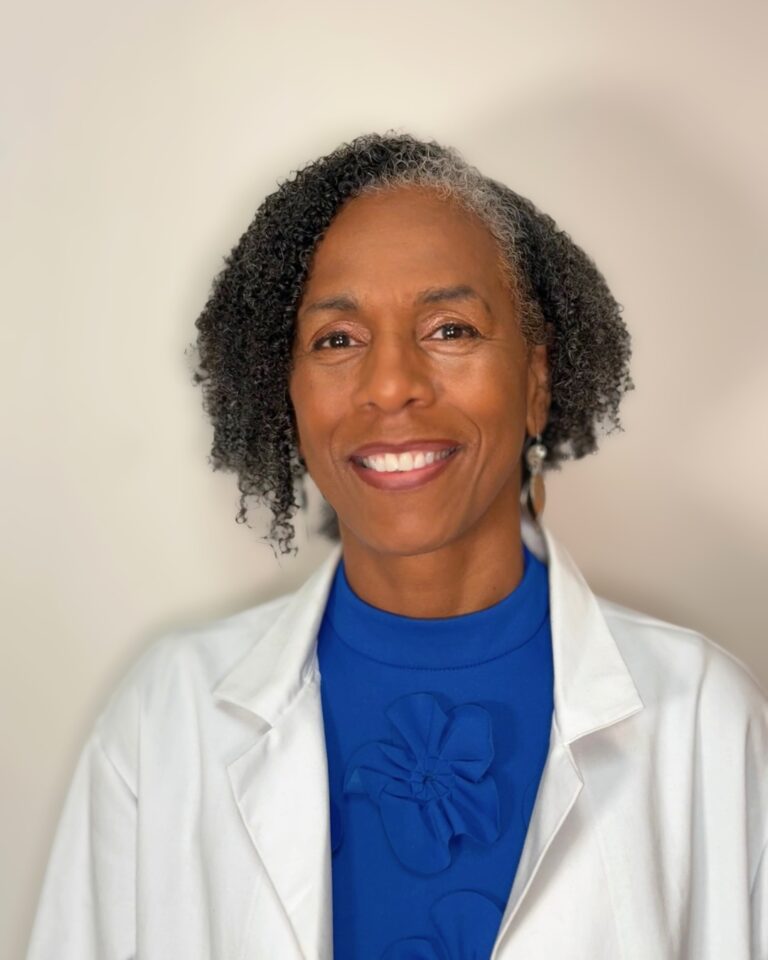
Genevieve Neal-Perry, MD, PhD, UNC Chair of OB-GYN
Listen to the Podcast
The podcast of this program will be available Monday, October 5, 2026, after broadcast on Oct. 3. You can stream the show from this site and download the podcast for free. This week’s episode contains additional discussion on over-the-counter drugs to avoid during pregnancy and some possible treatments for the future.