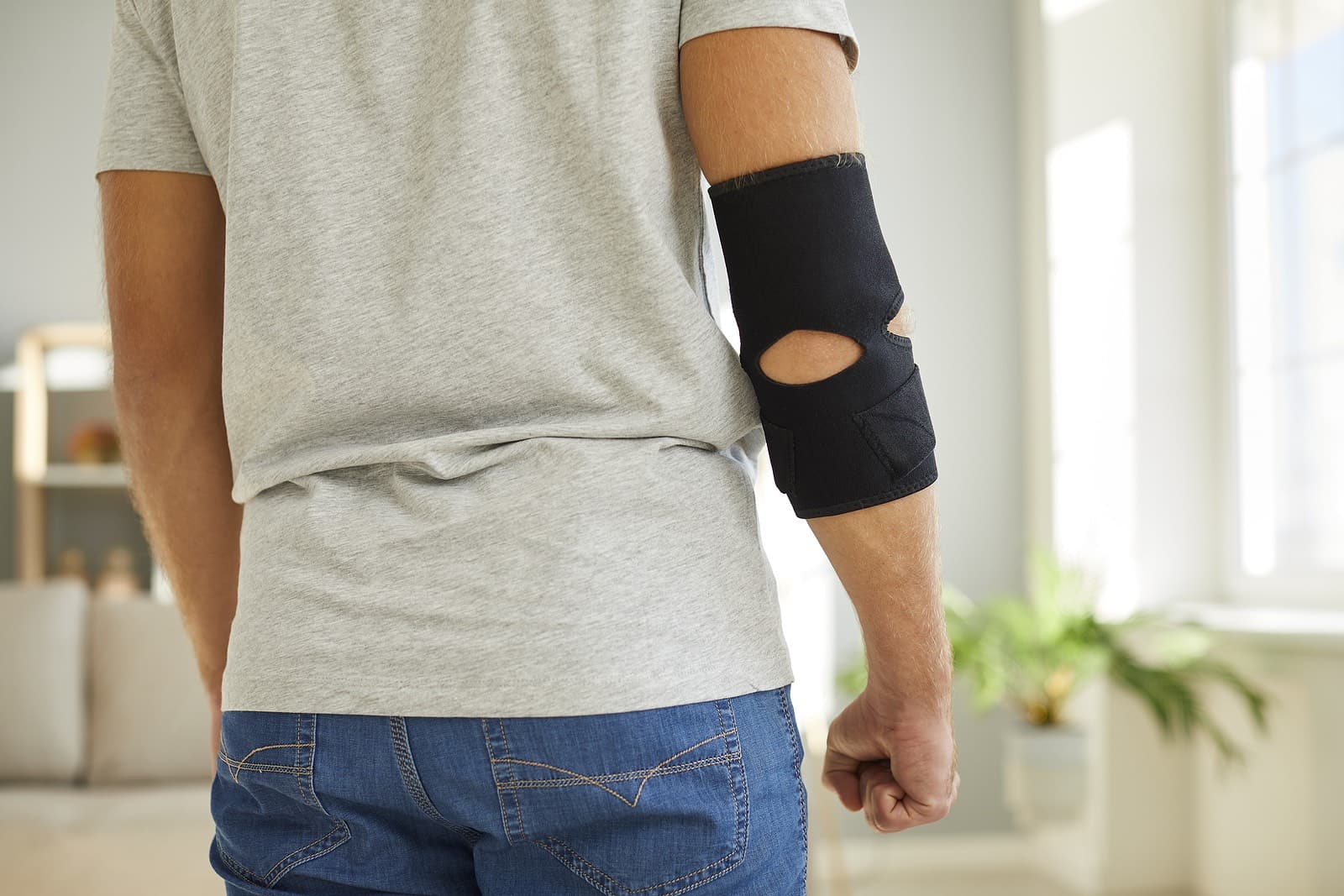
Sprains, Strains and Tears
For years, anyone who sprained an ankle or twisted a knee got some standard advice: ice it, rest it, wrap it with compression tape and keep it elevated. The acronym for Rest, Ice, Compress and Elevate is RICE. New research shows that following this advice alleviates the pain from the injury in the short term, but it may actually slow healing. What can help you in healing faster from this type of problem? You can hear it directly from a scientist applying cutting-edge research with tendons and rats to getting NBA players back on the court sooner.
At The People’s Pharmacy, we strive to bring you up to date, rigorously researched insights and conversations about health, medicine, wellness and health policies and health systems. While these conversations intend to offer insight and perspective, the content is provided solely for informational and educational purposes. Please consult your healthcare provider before making any changes to your medical care or treatment.
How You Can Listen
You could listen through your local public radio station or get the live stream at 7 am EST on Saturday, September 12, 2026, through your computer or smart phone (wunc.org). Here is a link so you can find which stations carry our broadcast. If you can’t listen to the broadcast, you may wish to hear the podcast later. You can subscribe through your favorite podcast provider, download the mp3 using the link at the bottom of the page, or listen to the audio stream on this post starting on Sept. 14, 2026. We will also be putting up a YouTube video podcast so you can watch our guest do some demonstrating.
Healing Faster from Injuries
Sports medicine expert Dr. Gabe Mirkin coined the acronym RICE in the 1970s. At the time, many physicians and physical therapists embraced this approach to treating injuries. It helped reduce the pain in the immediate term, and it doesn’t seem to do any harm over the longer term. It can take quite a while to heal damaged tendons and ligaments, however. Sometimes, that takes even longer than for broken bones to knit.
Eventually, Dr. Mirkin reversed his RICE recommendation. But very few professionals took note. Is there a happy medium between applying RICE and toughing it out by trying to walk a sprained ankle off? Our guest on this episode has been studying the topic of healing faster from injuries and has some concrete advice to offer.
Trying to Fool Mother Nature
Many of the precautions that amateur athletes take are designed to undermine the body’s inflammatory response. Yet acute inflammation is exactly how the body tries to heal itself from injury. Ice and ibuprofen are anti-inflammatory, so taking ibuprofen before exercise or icing a sore knee afterwards might be counterproductive.
What Is a Better Approach to Healing Faster?
According to Dr. Keith Baar, immobilizing a joint (“rest”) leads quickly to loss of muscle and force. When he put rats on bed rest (listen to learn how), they lost strength rapidly. On the other hand, moving a joint gently helps to reduce swelling by pumping fluid out. This, in turn, is an early step in healing faster. How do you move a joint gently? Dr. Baar has developed his own acronym: 3LD isometrics.
How Do You Practice 3LD Isometrics?
First of all, what does 3LD even mean? It stands for low-load, long-duration isometrics. During isometric exercise, instead of moving a muscle quickly, you hold it in position until it fatigues. Physical therapists recommend isometrics, such as planks or wall squats, to strengthen the muscles around joints.
In low-load long-duration exercises, you provide some support so you are not putting your entire body weight on the joint. In other words, you lessen the load. Rather than moving quickly through the motion, you find the point at which you can feel the tension in the muscle but it doesn’t actually hurt. Dr. Baar describes this as ooh instead of ouch. Then you hold that position (with the support, remember) for 30 seconds or so. This is a relatively long duration.
Healing Faster from Sports Injuries
Dr. Baar describes how he helped his nephew, a college-team football linebacker, heal an injured shoulder. Sports injuries are not the only joint problems that could benefit from healing faster with 3LD isometrics. Other common complaints are carpal tunnel syndrome in the wrist or plantar fasciitis in the foot.
Changing the Culture of Treating Injury
Dr. Baar describes his work with a rugby player who injured his hamstring tendon and was able to resume playing much earlier than the surgeon initially anticipated. Baar’s team has also worked with a basketball player who ruptured an Achilles tendon last year. Healing faster with 3LD isometric work got him back on the court last year–the only NBA player with such an injury to manage that. As elite athletes learn the advantages of 3LD isometrics, physical therapists will begin offering it to ordinary people who simply want to resume their usual activities sooner.
This Week’s Guest
Keith Baar, PhD, is a professor of molecular exercise physiology at the University of California, Davis who leads the Functional Molecular Biology Laboratory. Dr. Baar is a leading expert in musculoskeletal health, studying how muscles, tendons, and ligaments respond to mechanical loading and nutrition. His websites are https://biology.ucdavis.edu/people/keith-baar and https://health.ucdavis.edu/basic-sciences/physiology/team/faculty/baar

Keith Baar Headshot
Listen to the Podcast
The podcast of this program will be available Monday, September 14, 2026, after broadcast on Sept. 12. You can stream the show from this site and download the podcast for free. And we are hoping to get the video podcast up on YouTube. Just search for People’s Pharmacy next time you go to YouTube.
Download the mp3, or listen to the podcast on Apple Podcasts or Spotify.