Answering Your Questions About Vision Problems
Humans have five senses, but for most of us, sight dominates. That’s why vision problems are so distressing. Have you been dealing with difficulties with your eyes? During this broadcast episode, our guest expert is ready to answer your questions about vision problems.
At The People’s Pharmacy, we strive to bring you up to date, rigorously researched insights and conversations about health, medicine, wellness and health policies and health systems. While these conversations intend to offer insight and perspective, the content is provided solely for informational and educational purposes. Please consult your healthcare provider before making any changes to your medical care or treatment.
How You Can Listen
You could listen through your local public radio station or get the live stream at 7 am EST on Saturday, June 20, 2026, through your computer or smart phone (wunc.org). Here is a link so you can find which stations carry our broadcast. If you can’t listen to the broadcast, you may wish to hear the podcast later. You can subscribe through your favorite podcast provider, download the mp3 using the link at the bottom of the page, or listen to the stream on this post starting on June 22, 2026.
On this episode, we will be taking calls from listeners. You can ask your question ahead of time by emailing radio@PeoplesPharmacy.com. Or call 888-472-3366 directly between 7 and 8 am EDT on Saturday, June 20, 2026.
Are More People Nearsighted?
Myopia, the technical term for nearsightedness, is increasing at a rapid rate. Globally, 23 percent of the world’s population had myopia in 2000. By 2020, that rate had risen to 34 percent. Some experts estimate that it could reach 50 percent by 2050. Rates among children and adolescents are even higher in some places, reaching 70 percent among East Asians and an alarming 86 percent among Singaporean Chinese youth 15 and under (British Journal of Ophthalmology, July 2016). Why are so many people, including young people, myopic? Are there implications beyond a need for corrective lenses (glasses or contacts)? Can we reverse this trend by limiting screen time or encouraging more time outdoors? Are there treatments that can help children and adolescents improve their vision?
Which Vision Specialist Should You See?
Eyes are complicated, and caring for vision problems has become increasingly specialized and technically sophisticated. As a result, ophthalmologists (eye doctors) now often treat just one part of the eye, such as the retina or the cornea. Some surgeons specialize in removing cataracts. Others, like Dr. Sharon Fekrat, are expert in retinal surgery. There are also pediatric ophthalmologists who treat children. In addition, some people need to consult a neuro-ophthalmologist or someone who specializes in inherited retinal degenerations, uveitis or ocular oncology. How can you determine which type of eye doctor you should see to address your particular problem most effectively?
What Is in a Complete Eye Examination?
Dr. Fekrat will describe the elements of a complete eye examination. Why is each one included? What further steps are needed if trouble is detected? This will give you an idea of how vision problems are assessed and where to turn for treatment.
Managing Dry Eyes
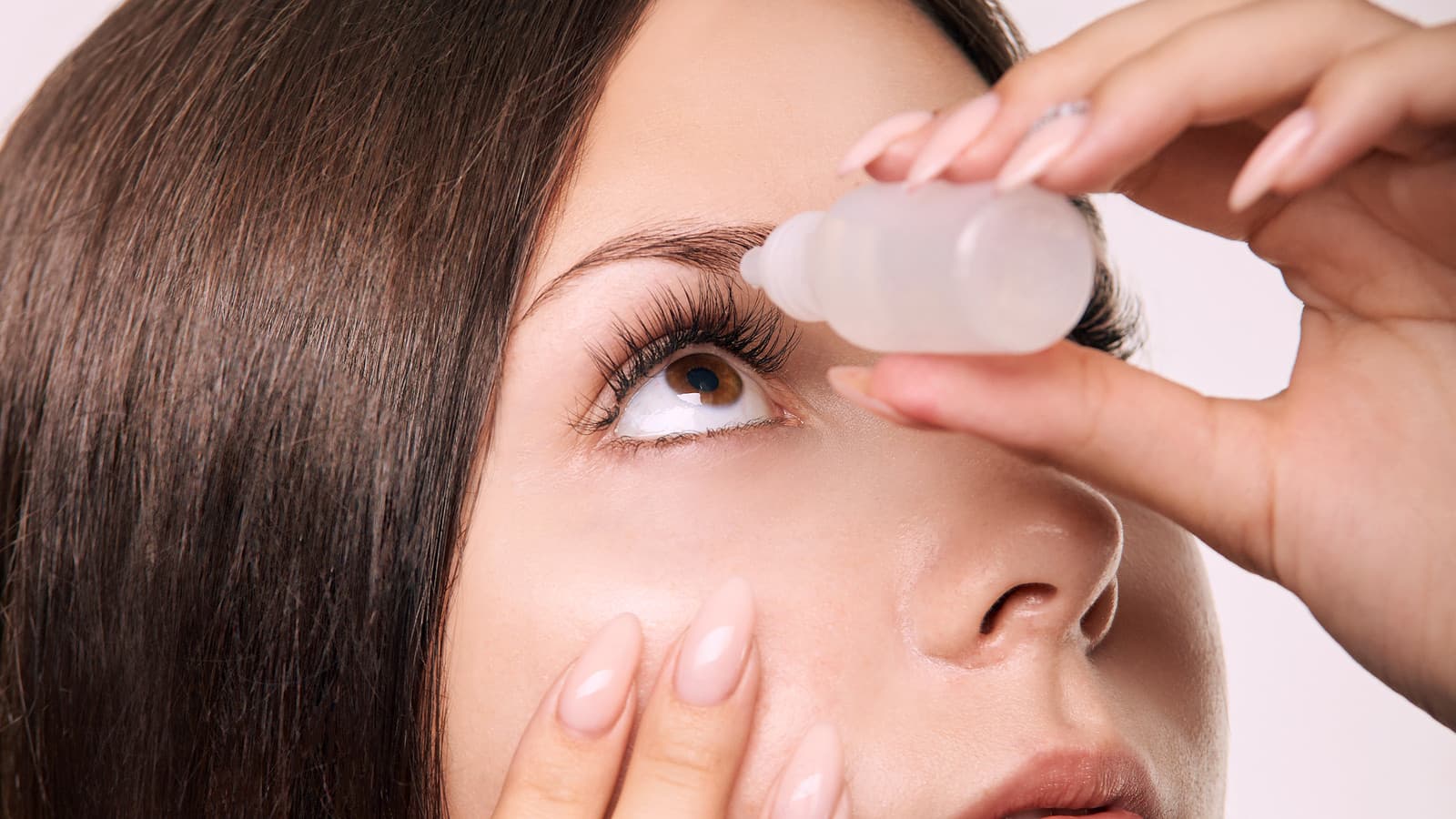
One of the most common complaints is dry eyes. This condition is uncomfortable as well as common, affecting up to half of adults in the US. What are the causes? Are there treatments? People often use eye drops to alleviate the discomfort. Which ones work best?
What can a person do if they have severe dry eye problems and are referred to a dry eye specialist with an appointment months in advance? Is it dangerous to postpone dry eye care?
What to Do About Blepharitis
When the problem is more the eyelid than the eye itself, doctors call it blepharitis. One typical symptom is crust on the lids, which may feel itchy or scratchy. Some people find that applying warm compresses morning and evening is helpful. Others need medication. You may have seen ads for Xdemvy, which is aimed at reducing the population of Demodex mites living in the follicles of the eyelashes. Mites are not the only problem, however. Sometimes bacterial infections are the underlying cause of blepharitis. Rosacea and seborrheic dermatitis that affect skin elsewhere on the face may also show up with the same symptoms. Topical ivermectin cream has been used off-label on the eyelid margins and may help reduce Demodex mites, but it is not an FDA-approved eye treatment and should only be used under an eye clinician’s direction because it is not intended for instillation into the eye.
How Will the Doctor Diagnose Glaucoma?
Glaucoma is generally understood as a condition in which pressure inside the eye rises and damages the optic nerve. This disease can lead to vision loss. That’s why intraocular pressure measurement should always be part of the eye exam. But this simple diagnostic technique alone may be incomplete. We’ll ask Dr. Fekrat about additional approaches that might pick up normal-pressure glaucoma. How is it treated?
Age-Related Macular Degeneration Deserves Treatment
Another of the vision problems that can cause serious impairment is age-related macular degeneration. In this disorder, the central part of the retina, the macula, loses its ability to focus. Patients may notice that the central part of the vision is blurry, and it may be harder to see under low light conditions. Ophthalmologists now have a range of medications to inject to slow the progression of macular degeneration. Dr. Fekrat can describe the difference between “dry” and “wet” macular degeneration and the drugs used to treat them.
What Other Vision Problems Are Troubling You?
This is a chance to ask questions and get answers about vision problems from an expert. You can send email to radio@PeoplesPharmacy.com or call in your questions to 888-472-3366 between 7 and 8 am EDT on Saturday, June 20, 2026.
This Week’s Guest
Sharon Fekrat, MD, is a retina surgeon at the Duke Eye Center of the Duke Health Integrated Practice and vice chair of faculty affairs and the Robert Machemer MD Distinguished Professor of Ophthalmology at the Duke University School of Medicine. She is associate chief of staff at the Durham VA Healthcare System and past interim chief of surgery there. She is Director of Duke iMIND Research Group and Chief Editor of the book All About Your Eyes as well as the Digital Journal of Case Reports of Ophthalmology. Dr. Fekrat is past President of the NC Society of Eye Physicians and Surgeons.
The People’s Pharmacy is reader supported. When you buy through links in this post, we may earn a small affiliate commission (at no cost to you).
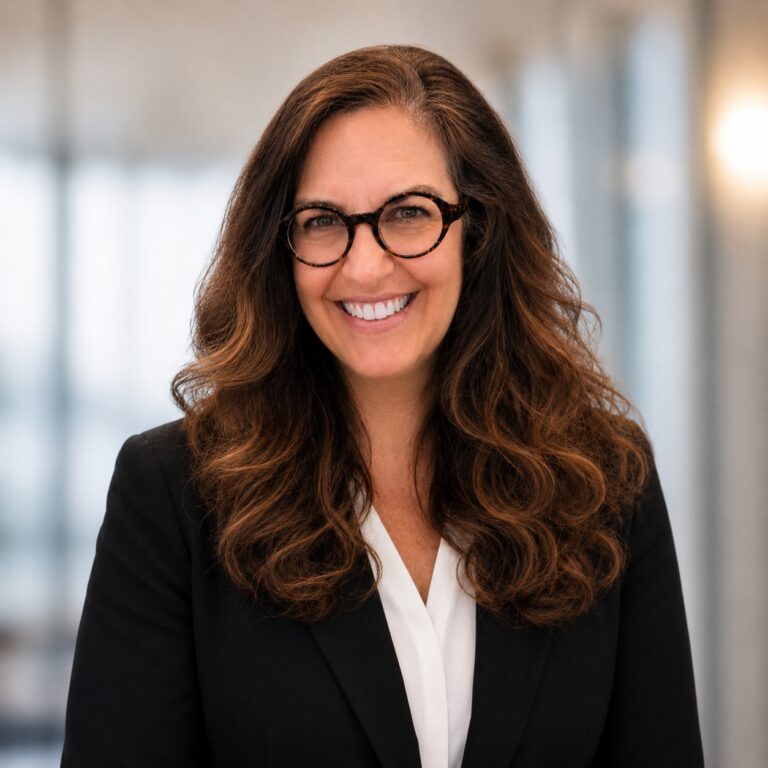
Sharon Fekrat, MD, FASRS, Duke Eye Center
Listen to the Podcast
The podcast of this program will be available Monday, June 22, 2026, after broadcast on June 20. You can stream the show from this site and download the podcast for free.
Download the mp3, or listen to the podcast on Apple Podcasts or Spotify.
Citations
- Rudnicka AR et al, "Global variations and time trends in the prevalence of childhood myopia, a systematic review and quantitative meta-analysis: implications for aetiology and early prevention." British Journal of Ophthalmology,, July 2016. DOI: 10.1136/bjophthalmol-2015-307724