Your Allergy Survival Guide
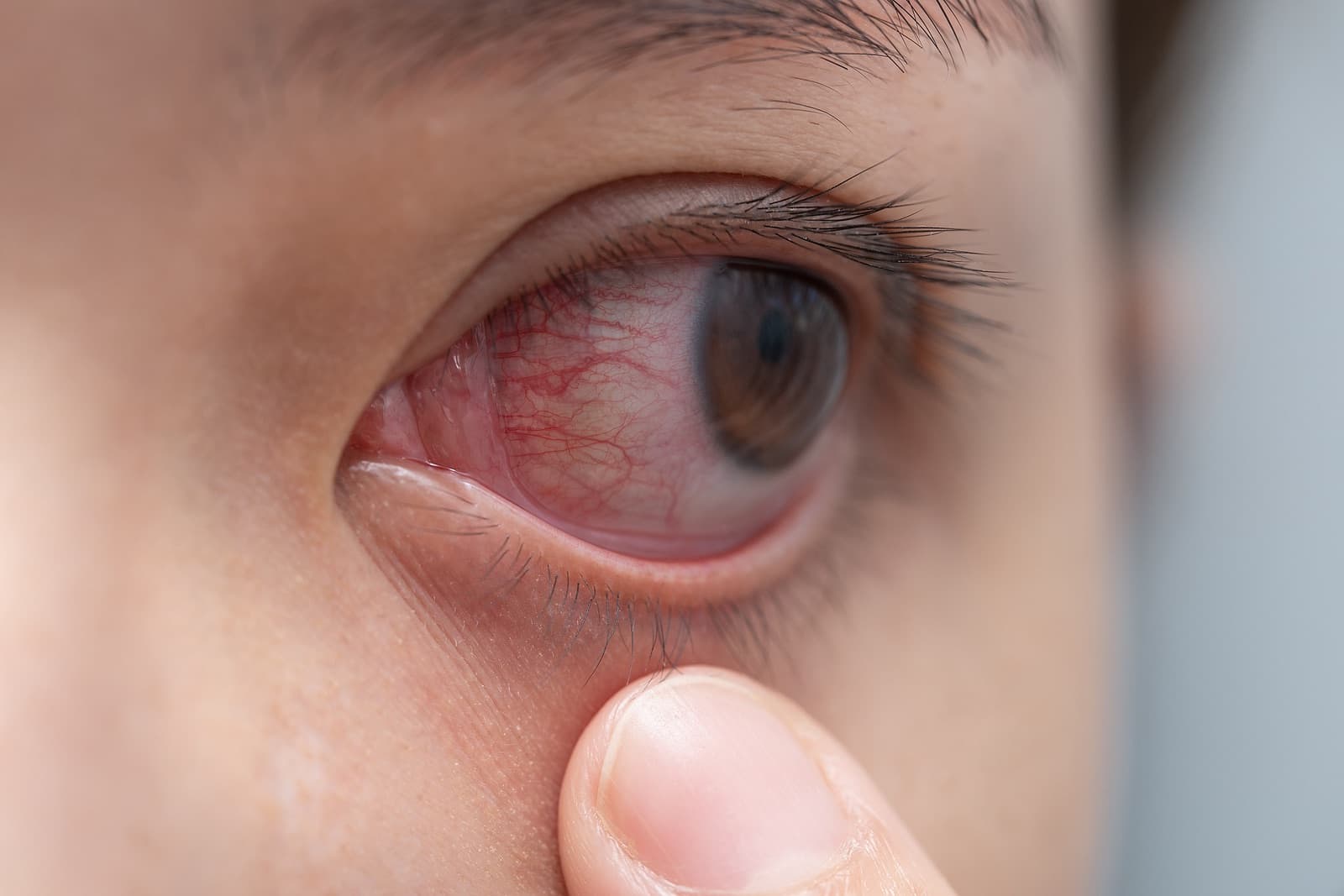
You may think of allergies as causing sniffly noses and congestion in the spring or fall. But allergies can go far beyond that. As Dr. Kari Nadeau points out in this episode, allergies can affect us from head to toe, including eyes, nose, throat, lungs, sinuses, skin and gut. In the most dangerous instances, the whole body is threatened with an anaphylactic reaction. That’s a medical emergency! One in three Americans will develop allergies at some point in our lives, so it’s important to know what works to control them.
At The People’s Pharmacy, we strive to bring you up to date, rigorously researched insights and conversations about health, medicine, wellness and health policies and health systems. While these conversations intend to offer insight and perspective, the content is provided solely for informational and educational purposes. Please consult your healthcare provider before making any changes to your medical care or treatment.
How You Can Listen
You could listen through your local public radio station or get the live stream at 7 am EST on Saturday, June 6, 2026, through your computer or smart phone (wunc.org). Here is a link so you can find which stations carry our broadcast. (Welcome, Huntsville, Alabama!) If you can’t listen to the broadcast, you may wish to hear the podcast later. You can subscribe through your favorite podcast provider, download the mp3 using the link at the bottom of the page, or listen to the stream on this post starting on June 8, 2026.
What Are Allergies?
We begin our discussion of your allergy survival guide with an explanation of what is happening during an allergic reaction. The immune system perceives some foreign compound, usually a protein, as dangerous even though normally it would not be. So it reacts by trying to flush the invader out by producing extra mucus. The turbinate sinuses can make one to two gallons of mucus a day, and naturally, it has to go somewhere. That’s why you might be congested. Having all that mucus in the sinuses can also encourage bacterial growth, so if the allergic reaction persists, some people have to deal with sinus infections.
Emergency Treatment
In determining what works, you need to know the nature of the reaction. If you have two or more organs involved, if you are having trouble breathing or if you feel dizzy, you may be in the midst of an anaphylactic reaction. What works for that is an epinephrine injection and immediate medical attention. This is potentially life-threatening, so you will want to figure out what triggered the reaction so you can avoid it in the future. Once someone has suffered one anaphylactic reaction, they should keep epinephrine with them at all times in case of another episode. Epinephrine comes as a self-injector pen or a nasal spray (neffy).
Can You Spot Drug Allergies?
In the warnings that are rattled off as part of a TV ad for a pricey new drug, we often hear viewers cautioned not to take the medicine if they are allergic to it. That sounds like simple common sense, but it also has a Catch 22 quality. How do you know you are allergic to a medication unless you take it–and experience an allergic reaction for which you might need treatment. Most of these presumably are immune system-mediated reactions, in which the body produces IgE. That is how allergies to penicillin or sulfa drugs work.
Some drugs cause a different type of reaction, not IgE-mediated but dangerous nonetheless. Lisinopril is the most commonly prescribed blood pressure medicine in this country. Like other ACE (ACE is short for angiotensin-converting enzyme) inhibitor medications, lisinopril can trigger angioedema. This swelling can affect the face, lips, tongue and throat, where it can compromise breathing. The most insidious aspect of this reaction is that it can occur after the person has been taking the drug without problems for weeks, months or even years. “Red man syndrome” or infusion reactions in people taking vancomycin can likewise occur without warning.
The last type of drug reaction is not actually an allergy at all, although people occasionally use that terminology. It is better described as sensitivity. For example, a stomachache is a common reaction to the antibiotic erythromycin. Some people are disabled by this abdominal pain and try to limit their exposure to erythromycin thereafter.
What Works and What Doesn’t?
Since the immune system is acting inappropriately to cause allergic reactions, treatment should involve immunotherapy. Eye drops can help eyes feel less itchy and irritated. Likewise, OTC nose drops or nasal sprays can often help the nose. The corticosteroid Flonase (fluticasone) and the antihistamine Astepro (azelastine) are good examples. During allergy season, some people find that a daily nasal wash (with a neti pot or NeilMed device) can help reduce the mucus and remove the allergens such as pollen causing the reaction. There are also oral antihistamines and inhalers for asthma. For decades now, allergists have offered their patients shots to help desensitize them to the allergen causing their trouble. Joe had these as a child and teenager and has been largely free of allergies since. Not everyone gets such lasting relief.
Complications from Current Therapies
Medications have side effects, and that is true of allergy medicines as with other drugs. Antihistamines, especially the older ones like Benadryl (diphenhydramine), are notorious for causing drowsiness. That’s one reason it is often included in nighttime pain relievers as the “PM” in drugs like Advil PM. We worry about regular use of such antihistamines because it has been linked to a greater risk for dementia.
A second-generation antihistamine such as Allegra (fexofenadine) is much less likely to make someone feel sleepy. However, Dr. Nadeau has seen patients on antihistamines suffer worse allergies if they stop suddenly. The People’s Pharmacy has received hundreds of reports from people who experienced unbearable itching upon discontinuing Zyrtec (cetirizine) or Xyzal (levocetirizine). This can last for weeks.
Doctors don’t usually worry much about steroid nasal sprays like Flonase because they are topical. Presumably, nasal tissues pick up most of the dose. Just the same, using such a nose spray day after day for a long time could result in systemic steroid exposure that is not trivial.
Stronger Medicine
Dr. Nadeau is enthusiastic about the benefits of two potent prescription medicines. One is Xolair (omalizumab). It was originally developed to prevent asthma, but is now approved for chronic sinusitis, food allergies and chronic hives. Paradoxically, Xolair is one of those medicines that could cause a severe allergic reaction even on the first dose, so the FDA warns that the initial injection should be given in a healthcare setting prepared to treat anaphylaxis. This is uncommon, though, occurring in 0.1 to 0.2% of patients.
The other medication Dr. Nadeau is prescribing for allergy patients who don’t respond well to other treatments is Dupixent (dupilumab). The FDA has approved this medicine to treat a wide range of conditions, including eczema, asthma, chronic sinusitis, allergic reactions affecting the esophagus and chronic hives, among other things. Most insurance companies will not cover this pricey injection unless the patient has failed all other therapies.
Fighting Air Pollution: What Works
Air pollution makes allergy symptoms worse, so using an effective air filter inside the home is a good step. A HEPA (high-efficiency particulate-arresting) filter is ideal, especially as part of the air-handling system. If that’s not possible, utilizing a MERV 13 in the part of the home where you spend the most time is a good second choice.
Sonu
One new option for treating allergies is acoustic resonance therapy with the SoundHealth Sonu headband. It uses vibration from sound to loosen mucus from the sinuses so that they can clear. The FDA has approved its use for children as well as adults. New research was just published demonstrating its helpfulness in treating children with nasal congestion (Oto-Open, April-June 2026).
SoundHealth has underwritten The People’s Pharmacy podcast. Dr. Nadeau has also been compensated for her role in conducting studies of this device (International Forum of Allergy & Rhinology, Dec. 2025). Since it does not employ medications, there are no drug side effects.
This Week’s Guest
Kari C. Nadeau, M.D., Ph.D., is Dean of the UCLA Fielding School of Public Health ( starting July 1 2026). Until then, she holds many other positions. At Harvard T. H. Chan School of Public Health she is: John Rock Professor of Climate and Population Studies; Chair of the Department of Environmental Health; and Director of the Allergy, Extreme Weather, and Exposomics Lab. Dr. Nadeau is Professor of Medicine at Harvard Medical School and serves in the Division of Allergy and Inflammation at Beth Israel Deaconess Medical Center. She is an Adjunct Professor at Stanford Medical School. Dr. Nadeau is also the co-author of The End of Food Allergy, which provides strategies for treating and preventing food allergies in children. Here is a link to the research underway in her Harvard laboratory.

PHOTO CREDIT: STACY GEIKEN
Taken in April 2017 at Kari Nadeau’s professorship dinner
The End of Food Allergy: The Science-Based Plan That Turns Food into Medicine
The People’s Pharmacy is reader supported. When you buy through links in this post, we may earn a small affiliate commission (at no cost to you).
Listen to the Podcast
The podcast of this program will be available Monday, June 8, 2026, after broadcast on June 6. You can stream the show from this site and download the podcast for free. This episode has additional information about Nasalcrom (cromolyn sodium nasal spray) and its effect on mast cells; alpha gal allergy to red meat; and the latest thinking on preventing peanut allergy among young children.
Download the mp3, or listen to the podcast on Apple Podcasts or Spotify.
Citations
- Khanwalkar AR et al, "Acoustic vibrational therapy for the treatment of pediatric rhinitis." Oto-Open, April-June 2026. https://doi.org/10.1002/oto2.70247
- Levi L et al, "The influence of nasal cavity dimensions on frequency of treatment for rhinitis symptoms." International Forum of Allergy & Rhinology, Dec. 2025. DOI: 10.1002/alr.70060