Can You Disagree Without Fighting? Building Bridges, Not Battles!
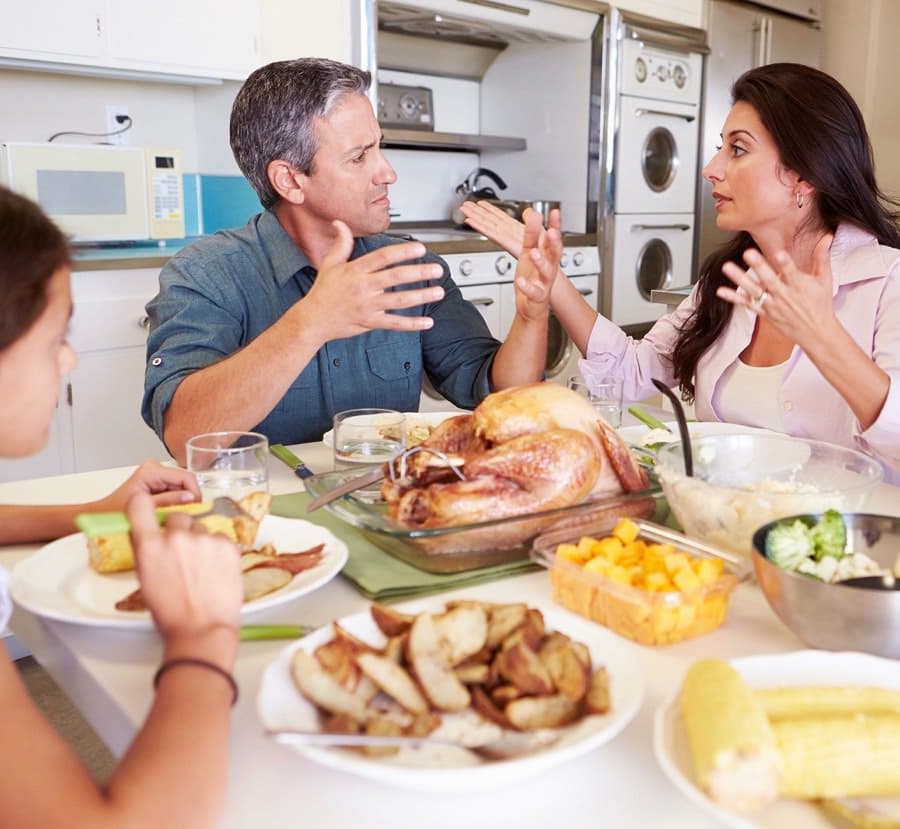
A chance encounter with a stranger on an airplane offers lessons for all of us in how to disagree without fighting. Infectious disease expert Morgan Goheen, MD, was wary when the person in the seat next to hers struck up a conversation with questions about the origins of Lyme disease and the value of being vaccinated against COVID. His views were quite different from hers. Yet they managed, in the course of the flight, to exchange perspectives in a respectful manner. Can we all learn how to do that?
At The People’s Pharmacy, we strive to bring you up to date, rigorously researched insights and conversations about health, medicine, wellness and health policies and health systems. While these conversations intend to offer insight and perspective, the content is provided solely for informational and educational purposes. Please consult your healthcare provider before making any changes to your medical care or treatment.
How You Can Listen
You could listen through your local public radio station or get the live stream at 7 am EST on Saturday, March 28, 2026, through your computer or smart phone (wunc.org). Here is a link so you can find which stations carry our broadcast. If you can’t listen to the broadcast, you may wish to hear the podcast later. You can subscribe through your favorite podcast provider, download the mp3 using the link at the bottom of the page, or listen to the stream on this post starting on March 30, 2026.
Can You Disagree Without Fighting?
Dr. Goheen did her best to answer the questions her seatmate had. She also listened carefully to his description of life during the pandemic, particularly his objections to mandatory vaccination and his fears of a reaction to the vaccine. As a health care provider, she had been working in a hospital that was overwhelmed with COVID-19 patients. Far too many of them died, and at the height of the pandemic, most died alone rather than with family nearby. She was able to recognize that this had colored her perception of the pandemic and had led her not to give enough attention to the real economic hardship some public health mandates triggered.
The Value of Vaccines
Before the polio vaccine was developed, parents lived in terror of polio epidemics that would tear through communities, leaving some children paralyzed and a few dead. We no longer have to fear polio, pertussis, diphtheria or measles because vaccines can protect children from these common diseases. In a sense, though, their very success has led to skepticism of their value. Most Americans do not know anyone who has died of pertussis (aka whooping cough) because the majority of children have been vaccinated against this pathogen. Recently, there have been few birth defects caused by rubella because pregnant women can be protected from the infection.
Can Trust Be Regained?
During the pandemic, opinions became polarized. People who would once have trusted the FDA or the CDC became suspicious. Public health messages about masking were initially based on conjecture, because no one had conducted actual studies until later in the pandemic. The nature of this new virus and its transmission was not yet well understood. Yet authorities occasionally made dogmatic pronouncements, possibly out of fear. Some opportunities to build trust were squandered, and it will take time and patience to get it back. Learning to disagree without fighting is a great place to start.
Learning to Disagree Without Fighting
After talking with Dr. Goheen, we turn to Dr. Laura Gilliom. She is a clinical psychologist active in the Braver Angels movement. This organization brings people together to bridge the partisan divide. The volunteers run workshops in which people with divergent viewpoints discuss issues of the day. They model basic approaches to good communication, including treating the other person in the conversation with respect.
It is important to listen for understanding of the intellectual and emotional bases for their perspective. After all, people have reasons for their opinions. Even if you don’t understand them, those reasons make a lot of sense to them and are usually the result of significant life experiences. When you speak, the aim is not to win the argument, but to be heard and understood. That is also the goal as you listen–to understand where the other person is coming from.
When Braver Angels bring people together, all agree to state their views freely and without fear. That isn’t always the case in other situations. Sometimes people fail to speak out because they are afraid of the possible reaction. Another rule for Braver Angels interactions is that people treat each other, including those who disagree, with honesty, dignity and respect.
Curiosity and kindness are also critical when we talk with people whose views are very different from ours. In some situations, it may be appropriate to reflect back what you have heard and ask if that is a fair representation of what they said. Before sharing your own ideas, you might ask permission. One other point to keep in mind: humans sometimes make mistakes. That might apply to those on “our side” as well as to those on a different side. Humility can help.
This Week’s Guests
Morgan Goheen, MD, PhD, serves as faculty Instructor in the Section of Infectious Diseases within the Department of Internal Medicine at Yale School of Medicine. As a physician scientist, her current research focuses on the mosquito vector’s role in malaria transmission dynamics and drug resistance spread in sub-Saharan Africa with lab work based in the Epidemiology of Microbial Diseases Department in the Yale School of Public Health. Within her clinical specialty of infectious diseases, Dr. Goheen has specific interest in tropical medicine and helped start the Travel and Tropical Medicine Clinic at the Yale Center for Infectious Diseases. Dr. Goheen is a Public Voices Fellow of The OpEd Project in Partnership with Yale University.
https://www.theopedproject.org/fellowships.
https://www.huffpost.com/entry/infectious-disease-doctor-anti-vaccine-airplane_n_68d2e961e4b03fb4d93463e7
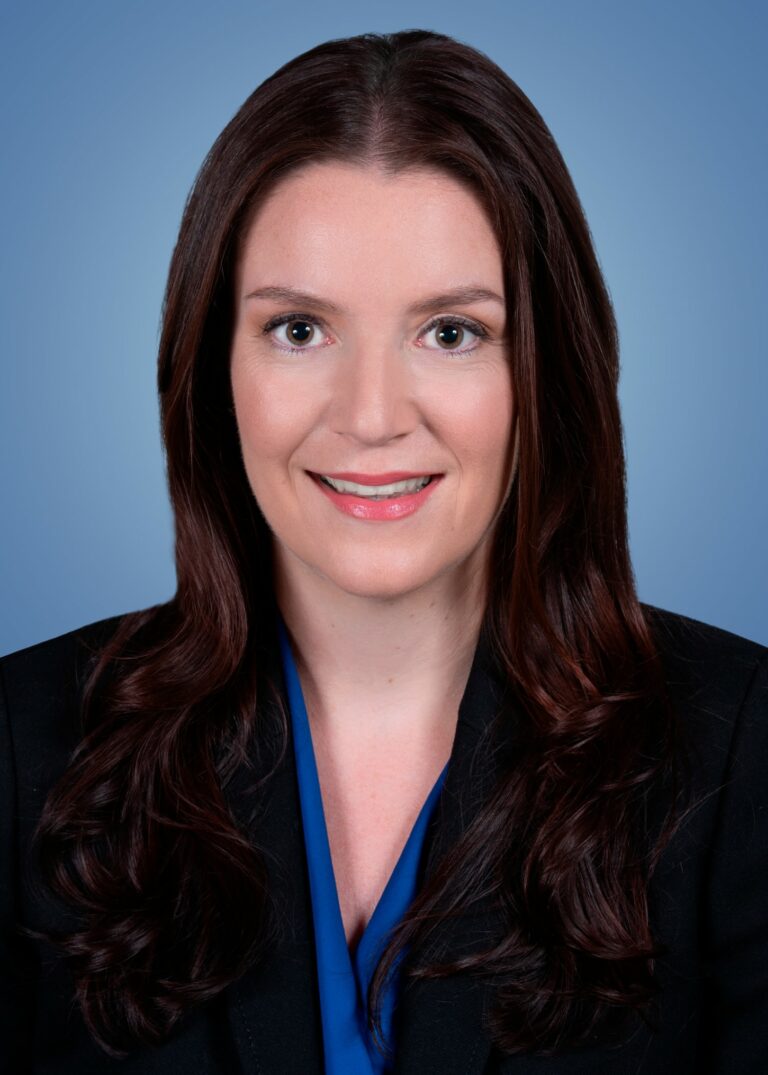
Laura Gilliom, PhD, is a licensed clinical psychologist in Chapel Hill, North Carolina, a State Coordinator for Braver Angels, and a member of the Central NC Alliance of Braver Angels.
https://nc.braverangels.org/
Listen to the Podcast
The podcast of this program will be available Monday, March 30, 2026, after broadcast on March 28. You can stream the show from this site and download the podcast for free.