Calming Chronic Inflammation Without Medication
Inflammation is a double-edged sword. When you have a sudden injury or infection, your body responds by calling immune cells to the site of the problem. It may become red, swollen and painful, but all that is supposed to be part of the healing process. What happens with chronic inflammation is more insidious. Many serious diseases, such as diabetes, depression or heart disease, feed off chronic inflammation. Anti-inflammatory drugs can control the problem temporarily, but they have drawbacks if they must be used continuously. How can we go about calming chronic inflammation without medication?
At The People’s Pharmacy, we strive to bring you up‑to‑date, rigorously researched insights and conversations about health, medicine, wellness and health policies and health systems. While these conversations intend to offer insight and perspective, the content is provided solely for informational and educational purposes. Please consult your healthcare provider before making any changes to your medical care or treatment.
How You Can Listen:
You could listen through your local public radio station or get the live stream at 7 am EST on Saturday, Jan. 31, 2026, through your computer or smart phone (wunc.org). Here is a link so you can find which stations carry our broadcast. If you can’t listen to the broadcast, you may wish to hear the podcast later. You can subscribe through your favorite podcast provider, download the mp3 using the link at the bottom of the page, or listen to the stream on this post starting on Feb. 2, 2026.
How Inflammation Works:
One of the hallmarks of modern life is the impact of stress on the digestive tract. Excess weight, unrelenting stress and environmental toxins can all contribute to an immune system that goes into overdrive. Sometimes the consequence will be an imbalance in the microbiota, with the result that the tight junctions of the gut are disrupted. That can lead to “leaky gut,” more respectably termed “intestinal permeability.” When pathogens or toxins that should be confined to the gastrointestinal tract start circulating elsewhere, the immune system reacts. If the process continues, the consequence is chronic inflammation. Are there natural approaches to calming chronic inflammation?
Calming Chronic Inflammation:
When we want to help our immune system so that it doesn’t have to be hypervigilant all the time, we should start with our diet. If dysbiosis contributes to leaky gut and inflammation, the best approach might be to feed our gut microbes what they need. In most cases, that means increasing our fiber. Gut microbes thrive on fiber, and most Americans don’t get close to eating enough. Another important aspect, of course, is to avoid foods that might cause trouble. According to Dr. Low Dog, fructose degrades tight junctions in the intestines and could contribute to intestinal permeability and inflammation. To reduce fructose, we just need to cut back on sweets
Finding Fiber in our Food:
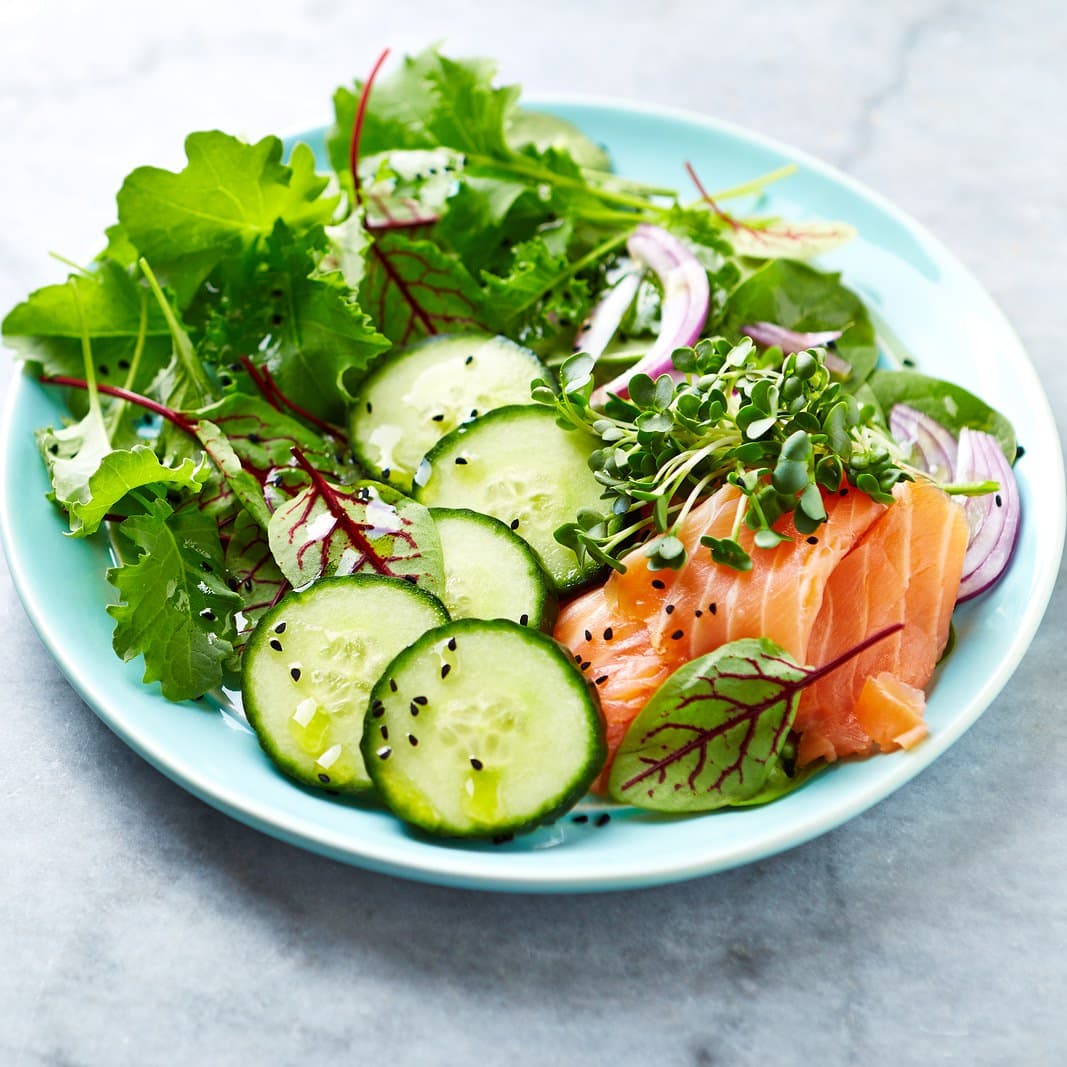
Where can we find fiber in our diet? Starting with breakfast, a lot of folks enjoy cold cereal, pancakes or pastries. There’s not much fiber in any of those, unless you’ve chosen bran cereal. But even a choice as simple as eating an apple with the skin on can provide a good amount of fiber. Do you like salmon for breakfast? That’s a very anti-inflammatory choice.
One worrisome development is the spread of microplastics throughout our diet. As a result, most of us have microplastics in our bodies. Some of the compounds in these little particles of plastic are endocrine disruptors that contribute to inflammation.
Maintaining Healthy Barriers:
The colon is not the only part of the digestive tract that provides an important barrier. The mouth is also susceptible. Brushing, flossing, dental care and a low-sugar diet are important steps to protecting our bodies against chronic inflammation. Periodontal disease contributes in a major way.
To maintain good tight junctions, we need to eat about 20 grams of insoluble fiber and 8 grams of soluble fiber daily. Beans and vegetables are great sources of both. Nuts and seeds like sunflower seeds or walnuts are also good sources. So are whole grains. And if we have any trouble reaching our fiber goals with diet, there is nothing wrong with adding a daily dose of psyllium, which is mostly soluble fiber. It lowers cholesterol and can reduce the risk of diabetes as well as promote regularity.
Herbs to Ease Inflammation:
In addition to paying attention to a high-fiber anti-inflammatory diet, we can benefit by using certain herbs or spices to calm chronic inflammation. Green tea, garlic, onions, hot peppers and other flavorings all have anti-inflammatory power. Turmeric, the yellow spice in curry, is a potent anti-inflammatory. To get the best benefit from adding turmeric to food, it should be used to spice a meal with some fat in it. Black pepper as part of the spice profile also helps with the absorption of compounds from turmeric. Dr. Low Dog cautions us all to vet our turmeric carefully, though. Some brands are high in lead. She suggests that Simply Organic and McCormick are both brands that were relatively free of lead when tested by ConsumerLab.com or Consumer Reports.
One supplement that may be unfamiliar to most listeners is nattokinase. It is derived from natto, a fermented soybean dish that is very popular in Japan. People who are taking anticoagulants should probably avoid nattokinase, even though it has anti-inflammatory activity. It could interact with anticoagulants and increase the danger of bleeding. We would add that precaution should also hold for curcumin supplements derived from turmeric. They should not be taken by anyone on an anticoagulant.
Other Natural Approaches to Calming Chronic Inflammation:
When we asked Dr. Low Dog about her favorite way to calm chronic inflammation, she mentioned walking in nature. High cortisol levels drive chronic inflammation, but green spaces reduce stress and help bring cortisol down. Other marvelous approaches include seeking out ways to embrace contentment and joy and humor. For some people, that will mean meditation. For others, it will mean hanging out with good friends or going for a run. Nourishing our mental and spiritual health with art and poetry help connect us with meaning and purpose in our lives.
This Week’s Guest:
Tieraona Low Dog, MD, is a founding member of the American Board of Physician Specialties, American Board of Integrative Medicine and the Academy of Women’s Health. She was elected Chair of the US Pharmacopeia Dietary Supplements/Botanicals Expert Committee and was appointed to the Scientific Advisory Council for the National Center for Complementary and Alternative Medicine.

Tieraona Low Dog, MD, author of Fortify Your Life
Her books include: Women’s Health in Complementary and Integrative Medicine; Life Is Your Best Medicine and Fortify Your Life: Your Guide to Vitamins, Minerals and More. Dr. Low Dog’s latest is eBook is Healing Heartburn Naturally. Physical copies are available for purchase via Amazon: Click here. Her websites are drlowdog.com and https://www.medicinelodgeranch.com/
The People’s Pharmacy is reader supported. When you buy through links in this post, we may earn a small affiliate commission (at no cost to you).
Listen to the Podcast:
The podcast of this program will be available Monday, Feb. 2, 2026, after broadcast on Jan. 31 You can stream the show from this site and download the podcast for free.
The podcast is supported in part by Superpower.com. For a limited time, our listeners get an additional $20 off with code PPOD.
Download the mp3, or listen to the podcast on Apple Podcasts or Spotify.
Transcript of Show 1460:
A transcript of this show was created using automated speech-to-text software (AI-powered transcription), then carefully reviewed and edited for clarity. While we’ve done our best to ensure both readability and accuracy, please keep in mind that some mistakes may remain. If you have any questions regarding the content of this show, we encourage you to review the original audio recording. This transcript is copyrighted material, all rights reserved. No part of this transcript may be reproduced, distributed, or transmitted in any form without prior written permission.
Joe
00:00-00:01
I’m Joe Graedon.
Terry
00:01-00:05
And I’m Terry Graedon. Welcome to this podcast of The People’s Pharmacy.
Joe
00:06-00:26
You can find previous podcasts and more information on a range of health topics at peoplespharmacy.com. Immune reactions are both helpful and harmful. Immune cells fight infection, but they can also trigger inflammation. This is The People’s Pharmacy with Terry and Joe Graedon.
Terry
00:34-00:47
Dr. Tieraona Low Dog is a medical doctor and an expert in botanical medicine. She explains the complexity of the immune system, how it can heal in the short term, and what happens when inflammation persists.
Joe
00:48-00:57
Tens of millions of people take non-steroidal, anti-inflammatory drugs every day. Is there a downside to quelling inflammation?
Terry
00:58-01:05
Ongoing inflammation is behind many serious diseases, including cancer, diabetes, and heart trouble. Can we address it naturally?
Joe
01:05-01:10
Coming up on The People’s Pharmacy, calming inflammation without drugs.
Terry
01:14-02:44
In The People’s Pharmacy Health Headlines: Appendicitis, an acute inflammation of the appendix, is a surprisingly common problem, affecting an estimated 7 to 8 percent of people over their lifetimes. Until about 10 years ago, appendicitis was nearly always treated as a surgical emergency.
In 2015, scientists published a randomized clinical trial comparing surgery to antibiotic treatment. A large majority of patients who got antibiotics did not require surgery for a recurrence of appendicitis within one to two years after treatment. That study included 273 people undergoing surgery and 257 taking antibiotics.
Over the years, some of those who were initially treated with antibiotics did require surgery. Five-year follow-up showed that 39% who got antibiotics later required surgery. Now the same scientists are reporting the results of 10 years of follow-up. They were able to check in with 253 of the original 257 patients. More than half of them did not require surgery.
The researchers conclude, among patients initially treated with antibiotics for uncomplicated acute appendicitis, the rate of recurrence in appendectomy at 10-year follow-up supports the use of antibiotics as an option for uncomplicated acute appendicitis in adult patients.
Joe
02:44-03:37
High blood pressure contributes to heart attacks, strokes, congestive heart failure, and kidney damage. Accurate measurement is important for diagnosis and treatment. Researchers at Harvard and Brigham and Women’s Hospital in Boston recruited over 3,000 patients with uncontrolled hypertension. All participants were given a free home blood pressure monitor that could send data electronically to the research database. They also received personalized coaching and reminders to monitor blood pressure.
One-third failed to take their blood pressure even once, and only about a third managed the 24 to 28 weekly measurements the researchers were hoping for. The authors conclude that the, quote, low engagement rates observed highlight the need for alternative approaches that are more convenient for patients.
Terry
03:37-05:02
There are several medications used to treat type 2 diabetes. A new study compares the effects of two different classes with respect to their effects on kidney function. People with diabetes are vulnerable to developing acute kidney disease.
Now, Danish researchers have analyzed health records to compare how two classes of diabetes drugs affect the kidneys. The SGLT inhibitors include drugs like empagliflozin, better known by its brand name Jardiance. GLP-1 receptor agonists are medicines like semaglutide, known as Ozempic. The population included people with type 2 diabetes who were taking metformin.
When an additional drug was needed, 36,000 plus took one of the gliflozin drugs, while more than 18,000 took a GLP-1. Over five years, 6.7% of those on SGLT-2 drugs developed chronic kidney disease. In comparison, 8.2% of those on GLP-1 drugs had that outcome.
The investigators conclude collectively these findings support a lower risk of acute and chronic kidney outcomes with SGLT2I versus GLP-1RA, especially among individuals with a low a priori risk of kidney disease.
Joe
05:02-05:58
There was a time, not so long ago, that if you wanted to know if you had the flu, you had to make an appointment with your physician to be tested. That could cost precious time. But now, pharmacies sell over-the-counter flu and COVID tests for rapid detection at home.
The FDA has approved another test. The new four-in-one home test called FlowFlex Plus can detect RSV as well as influenza A and B and COVID-19. RSV, an abbreviation for respiratory syncytial virus, is dangerous in babies and young children and accounts for many hospitalizations.
This test may be used in infants as young as six months old and could help parents manage this serious infection at the earliest possible stage.
And that’s the health news from the People’s Pharmacy this week.
Terry
06:14-06:17
Welcome to The People’s Pharmacy. I’m Terry Graedon.
Joe
06:17-06:33
And I’m Joe Graedon. When you hear the word inflammation, what comes to mind? We have frequently been told that inflammation is our enemy. Tens of millions of people take anti-inflammatory drugs every day to overcome pain.
Terry
06:33-06:45
But inflammation is an essential process for healing injuries, infections, and other acute problems. It’s part of the immune system’s initial response to a wide range of threats.
Joe
06:46-07:29
To find out how inflammation can be both our friend and our enemy, we are talking today to Dr. Tieraona Low Dog. She is a founding member of the American Board of Physicians Specialties, American Board of Integrative Medicine, and the Academy of Women’s Health.
She was elected chair of the U.S. Pharmacopeia Dietary Supplements Botanicals Expert Committee and was appointed to the Scientific Advisory Council for the National Center for Complementary and Alternative Medicine.
Her books include: “Women’s Health in Complementary and Integrative Medicine,” “Life is Your Best Medicine,” and “Fortify Your Life: Your Guide to Vitamins, Minerals, and More.”
Terry
07:30-07:34
Welcome back to The People’s Pharmacy, Dr. Tieraona Low Dog.
Dr. Tieraona Low Dog
07:34-07:37
Oh, thank you for having me back. It’s so good to be with you.
Joe
07:38-07:48
Well, Dr. Low Dog, you are perhaps the most frequent guest on The People’s Pharmacy and one of the longest. We have been talking to you for so many years.
Terry
07:49-07:49
And our favorite.
Joe
07:50-07:50
And our favorite.
Terry
07:51-07:52
Don’t tell anybody else.
Joe
07:52-07:54
But don’t share that information.
Dr. Tieraona Low Dog
07:55-07:56
Thank you.
Joe
07:56-08:29
So, Dr. Low Dog, we’re going to talk about a couple of things today on The People’s Pharmacy. But we’d like to take advantage of your expertise as both a medical doctor and a natural healer. And we’re going to start with inflammation because it seems to be at the center of so many health problems.
First of all, can you tell us when we say inflammation, what are we talking about? And why does it play such an important role both in healing and harming our bodies?
Dr. Tieraona Low Dog
08:31-10:39
Oh, you know, the inflammatory response is absolutely crucial for our survival, right? So we’ve recognized sort of the five hallmarks of inflammation for a long time, right? You know, 2000 years ago, they were writing about heat, redness, swelling, pain, and loss of function, right? So those are kind of the five cardinal pieces. And that really was speaking a lot to like an acute inflammatory reaction.
So you are out running and you fall down and you skin your knee and you break the skin and it’s kind of bloody and messy and you go home and clean it. Well, if you feel it, it will be warm because you’re bringing more blood flow to the area. It will be red because of the heat and the increased blood flow. Swelling as you’re trying to bring in all your good white blood cells and all of your, you know, warriors to come and clean out any debris, pain and loss of function because we’d like you, you know, to kind of favor that knee for a little bit so that we give the body opportunity to heal it.
This inflammatory response is absolutely necessary for cleaning out debris, dead cells, making sure there’s no infection taking place, and also then stimulating, in that case, collagen and wound repair. So a lot of times it’s easiest for people to think about inflammation because everybody’s had a wound and they’ve all experienced that pain and swelling, redness and recovery.
I think what a lot of people don’t realize is that you can have similar inflammatory responses that are acute, like when you get a fever, that’s your body’s opportunity, right, to generate heat and activate your white blood cells and fight off infection, and then you get better.
But you can also have inflammation that becomes more chronic, and I think that’s something that’s much newer on the scene, this understanding that there can be a low-grade chronic burn going on in the body that is driving a lot of chronic disease.
Terry
10:40-11:09
Let’s talk a little bit about some of those chronic diseases, because when we talk to various experts over the years about diabetes or Alzheimer’s disease or arthritis, all kinds of problems that people have, various types of digestive problems, we say, well, what’s behind it? And they say inflammation.
So tell us a little bit about chronic inflammation and how it affects the body.
Dr. Tieraona Low Dog
11:10-13:15
So, you know, the whole thing with chronic inflammation and the fact that it is the uniting, underpinning root cause of all the conditions you just talked about, the progression of cancers, metabolic diseases, type 2 diabetes, depression, you know, mental health challenges, heart disease.
You know, when I went to medical school, heart disease was just cholesterol, right? It’s all cholesterol. And now we know that cardiovascular disease is really a disease of inflammation.
So, you know, when we look at these diverse things like depression, pain, periodontal disease, how do those all connect? They connect through this thing we call systemic inflammation. And, you know, today we do so many things that drive that inflammation. We put on weight around the midsection, right? So visceral fat or tummy fat, and I don’t mean the kind you can pinch. I’m talking about the deep fat that develops around our organs, high fructose, high saturated fat diets, that combination pattern, Western diets, not exercising, not moving, prolonged stress, you know, just chronic physiologic or psychosocial stress.
And then, of course, environmental exposures, endocrine disrupting chemicals and toxins in the environment. And an area that I have been mostly focused on lately is alterations in the oral and gut microbiota, the bugs that live there, and then leaky gums and leaky gut and how that drives this systemic inflammation.
Hippocrates said more than 2,000 years ago that all disease begins in the gut. And if we’re going to think about chronic inflammation, we really have to focus on what’s happening in the mouth and what’s happening in the gut.
Joe
13:16-13:26
Well, Dr. Low Dog, I want to talk just a moment about that leaky gut. The gastroenterologists have a very nice terminology for it.
Terry
13:26-13:42
Oh, yes. They call it intestinal permeability, which sounds a lot more respectable than leaky gut. Actually, some gastroenterologists laugh at leaky gut, but they don’t laugh at intestinal permeability, which is actually the same thing.
Joe
13:42-14:24
And, you know, tens of millions of Americans swallow a non-steroidal anti-inflammatory drug every single day. Maybe it’s for their arthritis or their headache, whatever. And that’s whether it’s Advil or Aleve, that’s to say ibuprofen or naproxen.
And these drugs that we just take as if they were, you know, a vitamin can have a profound impact on our digestive tract and can contribute a bit to leaky gut. But I suspect our diet and other things can as well.
Can you just describe quickly what this intestinal permeability is all about and why it might lead to chronic inflammation?
Dr. Tieraona Low Dog
14:24-17:21
Sure… and I think intestinal permeability is the medical term that we do use. But when I speak to many audiences, what they’ve heard of is leaky gut. And I think that, you know, in many ways, it allows people to visualize what’s happening. The intestine, I mean, think about all the food that we’re digesting and everything that goes along with that coming into the stomach, into the small bowel and the large intestine.
And we all know what comes out the other end, right? So there is a critical need for the intestinal, the cells inside of the intestine, to be able to have the selective ability, you know, to decide when water or nutrients or electrolytes are being, you know, absorbed from food out into the systemic circulation, right? And keeping harmful substances inside the intestine, right? So it has to be able to act like a gatekeeper.
Well, inside of those cells, the things between the cells are something called tight junctions. And think of these as just like tightly fitting bricks, right? And when we need to absorb things, these proteins open up and they allow the body from the inside of the intestine, things to move out into the lymphatics and the bloodstream, keeping things that need to stay in the intestine inside.
The problem is there are a lot of things, including what you just mentioned, like the continuous use of nonsteroidal anti-inflammatories that disrupt those tight junctions. And they allow larger molecules, endotoxins, and even some viable bacteria to pass through that lining out into the bloodstream. And that is a problem. These endotoxins, mostly they’re coming from gram-negative bacterial membranes and walls. When those get out into the bloodstream, they’re highly immunogenic.
They trigger an immune response. And that then just drives this systemic inflammation. Now, if it happens once in a while, that’s not really a big problem. When this is occurring on a regular basis, it’s driving this ongoing inflammation that affects insulin regulation. It affects the blood brain barrier, you know, causing neuroinflammation. It affects metabolism.
I mean, it is the great unifier, if we think about it, of what is driving this slow burn inside of us. This dysbiosis, anything that disrupts those bacteria and other microbes inside of the intestine also will disrupt those tight junctions and they lead to inflammation. So there’s a lot on this. This is not a mystery. It’s pretty well defined. It’s just biology.
Terry
17:23-17:49
You’re listening to Dr. Tieraona Low Dog, a founding member of the American Board of Integrative Medicine and the Academy of Women’s Health. She has served on the Scientific Advisory Council for the National Center for Complementary and Alternative Medicine.
Her books include: “Life is Your Best Medicine” and “Fortify Your Life: Your Guide to Vitamins, Minerals, and More.” Her latest book is “Healing Heartburn Naturally.”
Joe
17:49-17:57
After the break, we’ll learn what to do to help the immune system so it doesn’t feel like it has to be vigilant every second.
Terry
17:57-18:03
If fiber is a great way to support the immune system by supporting the gut, what should we eat?
Joe
18:03-18:14
I love talking about breakfast because too many of us rely on high-carb, low-fiber options like pancakes or pastries. What would be better?
Terry
18:14-18:20
We do worry about microplastics. We all have them in our bodies. Could they be triggering inflammation?
Joe
18:21-18:29
Might brain inflammation be a reaction to infection? Could it lead to Alzheimer’s disease?
Terry
18:39-19:09
You’re listening to The People’s Pharmacy with Joe and Terry Graedon.
Joe
20:54-20:57
Welcome back to The People’s Pharmacy. I’m Joe Graedon.
Terry
20:57-21:46
And I’m Terry Graedon. Today, we’re learning how to calm chronic inflammation. It’s been estimated that one in three adults has inflammatory markers in their bloodstream. Inflammation contributes to conditions such as rheumatoid arthritis, lupus, psoriasis, cardiovascular disease, and metabolic conditions.
Joe
21:47-22:05
We’ve been talking about the gastrointestinal tract. How does inflammation in our GI tract affect organs in the rest of our body? What’s your favorite breakfast? Do you find a bagel and cream cheese keeps you going? What about oatmeal or bacon and eggs?
Terry
22:06-22:12
We should be paying attention to what’s on our plates for sure, but we should also know what to avoid.
Joe
22:12-22:45
To learn more, we turn back to Dr. Tieraona Low Dog. She is a founding member of the American Board of Physician Specialties and was elected chair of the U.S. Pharmacopeia Dietary Supplements Botanical Experts Committee.
Her books include “Women’s Health in Complementary and Integrative Medicine,” “Life is Your Best Medicine,” and “Fortify Your Life: Your Guide to Vitamins, Minerals, and More.” Her latest is an e-book, “Healing Heartburn Naturally.”
Terry
22:46-23:21
Dr. Low Dog, it sounds as though the inflammation that we’re talking about, chronic inflammation, is really a consequence of sort of chronically putting the immune system on alert. So not letting it relax and then jump to attention and then relax again. What can we do to help the immune system not have to feel like it’s always on patrol?
Dr. Tieraona Low Dog
23:21-25:00
Well, it starts by making sure that you ensure barriers are not being disrupted. Barriers are important. In the mouth, it’s important to reduce the amount of sugar intake and to regularly get your oral cleanings. While we focus a lot on intestinal permeability, the number of diseases that are associated with high oral permeability, meaning through the gums, is also enormous. And it’s something we seldom talk about.
So I do want to just note that that’s the beginning of the GI tract. So making sure you’re, you know, keeping down the sugar, you’re brushing, flossing, and you’re seeing your dentist every six months. And then when it goes to the gut, how do we maintain tight junctions?
One, probably the biggest thing you can do other than cutting back on sugar, because fructose just definitely degrades that barrier, high consumption of sugars, is to increase your consumption of fiber. Fiber’s huge. And, you know, forever we’ve been telling people to increase their fiber and high fiber diets.
We know they increase the health of the bugs, the microbes that are inside of our intestines, especially those that produce the food or the short chain fatty acids that are necessary for the intestinal cells to remain healthy. High fiber diets decrease intestinal permeability.
That’s why, you know, we say that eating high fiber diets can help reduce the risk of colorectal cancer, can help lower cholesterol, you know, all of these amazing things.
Terry
25:01-25:21
It does all those amazing things. But I think that a lot of people hear high fiber diet and they don’t really know what to eat. So Dr. Low Dog, if I were to go out to lunch today, what should I choose to make sure I’m getting a high fiber meal?
Dr. Tieraona Low Dog
25:21-25:55
Absolutely. So, you know, we want both soluble and insoluble fibers, right? So, you know, how much do you need? You know, somewhere around 20 grams a day of the insoluble fibers and about eight per day of soluble. Those are the prebiotics. Those are the ones that lower cholesterol, regulate blood sugar, and help maintain those good tight junctions.
So maybe this morning you got up and you had an apple with the skin on. That just gave you almost six grams of fiber and half of the soluble fiber you need for the day. One medium-sized apple, right?
Terry
25:55-25:56
Okay.
Dr. Tieraona Low Dog
25:56-28:24
I mean, so that’s great. If you’re going out for lunch, have your nice salad, but make sure you also put some beans on it, right? If you’re at a place where you can put, you know, garbanzo beans, black beans, a half a cup of cooked black beans is essentially seven grams of fiber, a half a cup. And almost four grams of that is soluble fiber, right? Pinto beans. I live in New Mexico. Pinto beans is another great place. A half a cup gives you five and a half grams of soluble fiber.
So add some sunflower seeds. Put some walnuts on your salad, right? Make sure you’re adding more vegetables to the diet. The whole point is that all of the recommendations that we have for a plant forward diet, where we’re wanting people to increase their intake of fruits, vegetables, nuts, seeds, whole grains is because they’re rich in dietary fiber.
And dietary fiber feeds the good bugs that we have inside of our gut, and it decreases intestinal permeability, which decreases inflammation. They have beneficial effects for lowering cholesterol, regulating blood sugar, you know, helping to reduce the risk of colorectal cancer. I mean, you name it. Even there’s data showing that higher fiber diets decrease the risk of respiratory infections and also increase our lives, our lifespan, our health span.
So, you know, if you’re going to invest in one thing, that would be it. And for some people who are like, you know, I just, I just can’t eat that much fiber. I would say that psyllium, our old friends, psyllium seed and psyllium seed husks, which have been used forever, is a very good, you know, supplement that you can just take. It’s predominantly soluble fiber and it’s, you know, seven to three soluble to insoluble fiber roughly. And it’s the only fiber that is recommended by the American College of Gastroenterology for treating irritable bowel syndrome and chronic constipation (American Journal of Gastroenterology, Jan. 1, 2021). And the reason for that is it doesn’t tend to cause as much gas and bloating as some of the other fibers do.
The FDA has actually allowed two health claims also for psyllium. It can reduce the risk of type 2 diabetes and it can lower cholesterol and reduce the risk of heart disease. So just think about that.
Terry
28:24-28:34
Yeah, that’s what I was just going to jump in to say is there’s actually quite good research showing that it lowers cholesterol. And so that’s why I take it every day.
Joe
28:33-29:15
Well, you know something about our favorite breakfast, as Terry will attest, my favorite breakfast is refried beans with lots of onions and peppers and, of course, olive oil. And then we put an egg on top, and it’s just fabulous.
And then today we had Terry’s whole wheat bread, which, by the way, is absolutely fabulous. Terry has become the best bread baker you can imagine. And on top of that, we had avocado. So it was avocado toast and salmon. And it was just delicious. And it felt like, well, we were getting our fiber, and it tasted good, too.
Terry
29:15-29:21
And I think actually salmon probably qualifies as an anti-inflammatory food too, doesn’t it, Dr. Low Dog?
Dr. Tieraona Low Dog
29:21-29:33
It’s one of the most of the anti-inflammatory foods when we rank them, you know, by actually what they do in the body. So all I’m saying is me and all the other listeners are wanting to know when we’re coming over for breakfast.
Joe
29:35-30:01
Come on down. But here’s the problem, Dr. Low Dog. I’ve been paying attention, as Terry will attest, to plastic for the last 50, 60 years. And, you know, when we saw the movie “The Graduate” and Dustin Hoffman is told plastic is the wave of the future, I had shivers up and down my spine.
Terry
30:01-30:40
Well, Joe actually was paying attention when a grad school classmate of mine, we all got together and his girlfriend had been working for the plastic industry as a newsletter editor. And this is so long ago, back when I was in graduate school. We’re talking, you know, 1970. And she said, the industry is concerned because these compounds leach out of the plastic and into the stuff that the containers are holding.
Joe
30:41-31:04
But now we even see microplastic or nanoparticles of plastic in our brains, and not just in our brains, like a lot of them, these little tiny plastic particles. But they’re in our blood vessels, they’re in our sexual organs, they’re just all throughout our body. And I can’t help but think that’s not good for us.
Terry
31:04-31:06
It might even be inflammatory.
Dr. Tieraona Low Dog
31:06-33:14
Oh, they’re very inflammatory. They definitely disrupt, you know, the microbiome. They alter signaling pathways. They alter immune responses. Yeah, it’s interesting because my mother never liked plastic. She would never, or cans actually, she didn’t like aluminum. She didn’t like the way cans things tasted. She didn’t like, um, she didn’t like anything in plastic. She never stored things in plastic, uh, cause she said that she could taste it.
Now, I don’t know, you know, if she could taste it or not, but she certainly thought she could. And so I grew up just never having things, you know, in plastic. And, and I could never get the kids to not want to microwave in plastic when they were younger. And so I just got rid of everything that was plastic and bought glass containers for food storage.
And, you know, and I learned from my grandmothers to save every pickle jar and everything else and recycle the glass, you know, and use them over and over again. But this is concerning even down to tea bags, right? Just even your brands of teas that have microplastics that you’re leaching out every morning and from your tea bags. So this is a huge issue and it’s going to be a challenge because it’s so woven into food delivery, you know, fast food packaging, food storage.
But I would agree with you. And Joe, you were just way ahead of the crowd. Maybe my mom was too, just not wanting plastics. But it is very inflammatory, highly inflammatory, and they’re accumulating everywhere. And we do know that they cause neuroinflammation. So think about this with young children and a lifetime of having these microplastics in their liver driving inflammation and in their brains.
And what happens when you’ve exposed a central nervous system as well as other areas of the body to 60 years of neuroinflammation?
Joe
33:14-34:17
Well, speaking of neuroinflammation, you know, there is a growing theory that Alzheimer’s disease and other forms of dementia may be in part neuroinflammation. And some people are suggesting maybe a reaction to an infection, you know, like herpes simplex is reactivated, perhaps because of COVID or perhaps because of some other problem that stimulates, as we know, herpes is lingering in the brain for long periods of time.
And now people are starting to look at anti-inflammatory approaches and maybe even antiviral approaches to dealing with the neuroinflammation. And what we’re hearing is that some of the medications that have been used and are so super expensive to deal with amyloid may not really be solving the problem.
Dr. Tieraona Low Dog
34:17-38:01
Yeah. Well, you know, it is interesting. There was there was a review that was done, a meta-analysis looking at Alzheimer’s and then mild cognitive impairment, right? So looking at both. And they were looking at a variety of things. But in this case, they really found a very strong connection with oral inflammation, with periodontal disease. And those who had severe periodontal disease, you know, the risk for Alzheimer’s was almost five-fold more likely, an odds ratio of almost five. It was kind of shocking.
So if we step back again and go, okay, so in the gut and in the oral cavity, when there’s this permeability, when there’s inflammation in the mouth and there’s leakage or there’s dysbiosis and there’s increased intestinal permeability, these endotoxins from these gram-negative bacteria are getting out.
These are what we call lipopolysaccharides, right? So you’re going to see that word everywhere. But we know that when those are in the circulation, they degrade the blood-brain barrier and they turn on these cells, these little cells inside the brain called microglia that are normally just resting and happy and they’re there to clean up things or take care of an infection if it happens. But this turns it on. LPS, there’s little receptors for them and they turn on these microglia and we know that they drive neuroinflammation. And when you measure lipopolysaccharides in people with depression or animals with depression versus healthy animals or people that are healthy without depression, lipopolysaccharides are quite high.
And so, you know, it’s, I agree, active infection, lingering infection, latent infection, but I would also have to say, step back, root cause, you know, root cause drives the inflammation down by making sure barriers, including the blood brain barrier is nice and strong. The gut barrier is nice and strong. Um, I think that for so long, so long, we keep just, you know, like that saying is we keep pulling people out of the river and keep finding new ways to, you know, dry them off and to get them on their way. But nobody’s really going upstream to figure out why they keep falling in the first place.
That’s why I’m excited with the new data looking at what’s driving, what connects a bad diet, obesity, chronic stress, poor sleep, bad digestion, poor digestion. What connects all of these things to heart disease and metabolic problems and Alzheimer’s and depression and anxiety, even osteoporosis, cancer, aggravation of autoimmunity? It’s inflammation.
And how do we tamp that down? And it starts with how we’re born. It starts with how we’re fed at birth. It starts with how many antibiotics we take when we’re young, the diets that we eat, the way we manage our stress, and the health of our gut. So, you know, it’s a big topic. And you all have covered so many of these subjects over the years. And I would just say, you know, all roads are sort of leading back. They’re leading back to this root cause, which is this persistent inflammation and, you know, now microplastics, endocrine disruptors in the environment.
I mean, there’s just a lot of things. So we’re going to have to figure out how are we going to protect those barriers? How are we going to protect the gut and ultimately then the mind?
Terry
38:02-38:37
You’re listening to Dr. Tieraona Low Dog. She’s a founding member of the American Board of Physician Specialties, the American Board of Integrative Medicine, and the Academy of Women’s Health.
Dr. Low Dog has served on the Scientific Advisory Council for the National Center for Complementary and Alternative Medicine.
Her books include “Women’s Health in Complementary and Integrative Medicine,” “Life is Your Best Medicine,” and “Fortify Your Life: Your Guide to Vitamins, Minerals, and More.” Her latest book is “Healing Heartburn Naturally.”
Joe
38:38-38:45
After the break, we’ll learn about herbs that can help fight inflammation. There are a surprising number of them.
Terry
38:46-38:51
What’s the best way to get the benefits of turmeric? You know, that yellow spice in curry.
Joe
38:52-39:07
It’s become one of the most popular herbs in the health food store and pharmacy. And we’ll get a golden milk recipe. That’s really terrific. Most people have never heard about golden milk in the U.S. It’s very popular in India.
Terry
39:08-39:16
You do have to be a bit careful with turmeric or curcumin supplements. If you’re taking anticoagulants, there could be an interaction.
Joe
39:16-39:26
Yes, it could increase your risk for bleeding. We’ll also discuss something you’ve probably never heard of, nattokinase. Why is it beneficial?
Terry
39:27-39:45
We’ll also find out about other ways to calm inflammation, like meditation, massage, or magnesium supplements. You’re listening to The People’s Pharmacy with Joe and Terry Graedon.
Joe
39:54-39:57
Welcome back to The People’s Pharmacy. I’m Joe Graedon.
Terry
39:57-40:17
And I’m Terry Graedon. Today we’re considering calming chronic inflammation and we may need to learn about some supplements that might not be entirely familiar. You’ve probably heard of turmeric, which is a potent natural anti-inflammatory, but perhaps you’ve never heard of nattokinase derived from fermented soybeans.
Joe
40:18-40:46
Our guest today is Dr. Tieraona Low Dog. She is a founding member of the American Board of Physician Specialties and was elected chair of the U.S. Pharmacopeia Dietary Supplements Botanicals Expert Committee.
Her books include “Women’s Health in Complementary and Integrative Medicine,”
“Life is Your Best Medicine,” and “Fortify Your Life: Your Guide to Vitamins, Minerals, and more.”
Terry
40:46-41:30
Dr. Low Dog, you’ve given us all very good advice about how to keep our intestines in shape and keep those tight junctions tight and how to take care of our oral health. And what we want to do is make sure we cut back or eliminate the sugar and we increase the fiber and more fresh fruits and vegetables are going to be better along with beans and maybe some whole grains.
But what about herbs? We’ve talked to you before about herbs, but I don’t remember which herbs might be most helpful for fighting chronic inflammation.
Dr. Tieraona Low Dog
41:30-43:16
Oh, my gosh. There’s so many. There’s so many. So I’ll go into detail into a few. But, you know, just having that, you know, tea in the morning is good, especially green tea. Adding more spices to your diet. I think I heard you say about onions this morning. So onions are highly anti-inflammatory and so is garlic, you know, cilantro, basil, you know, cinnamons, all of these beautiful spices are so anti-inflammatory. And if Americans could just learn to cook a bit more with more culinary herbs and spices, we would begin to really start to see a shift in our inflammation.
Speaking of spices, I know you know what I’m going to say. Turmeric, turmeric obviously is one of my favorite herbs and second really only to salmon when it comes to anti-inflammatory power. And when we look at turmeric, adding that to the diet, you know, putting it in your rice, adding it to your tomato soup, or for some people taking a supplement, but the data, you know, why does turmeric seem to, you know, when people eat turmeric over a lifetime, why does it seem to reduce Alzheimer’s?
You know, why are studies showing that turmeric seems to help with depressed mood, you know, and memory? How can it reduce inflammation in the gut? Well, we think it’s because it’s a pretty powerful anti-inflammatory and it feeds good microbes in the gut and it reduces intestinal permeability. So turmeric does all kinds of amazing things. So I would say definitely increase turmeric.
Joe
43:17-43:54
Well, hang on just a sec, because I know you’ve been to India recently, which seems like the origins of turmeric and, of course, the active ingredient curcumin. And in India, I’m guessing that a lot of people are cooking with turmeric and they’re using some ghee, some fat with that turmeric to get it to absorb better and maybe a little black pepper. You know, Americans love pills. And I keep seeing all these commercials about the best turmeric on TV.
Terry
43:55-44:00
But curry tastes so much better than a pill. And probably you’re absorbing it better.
Joe
44:00-44:05
Exactly. So tell us a little bit about cooking with turmeric.
Dr. Tieraona Low Dog
44:05-46:10
Oh, yeah. Well, you know, we cook with turmeric probably three, four times a week. You mentioned a couple of the most important pieces, some sort of fat, right? So rather that’s your, you know, olive or coconut or ghee or butter, putting that turmeric in and letting it be absorbed with some fat. I love it. I love it in tomato soup. I love cooking with turmeric and a little black pepper saffron in my tomato soup.
And of course, for many people, just making a golden milk, it’s so simple, right? You just take a little bit of ghee, [clarified butter], you know, or a little butter, and you just cook the turmeric in there for a minute or two and then add your milk or your non-dairy milk. Let that kind of simmer.
If you’d like, put a pinch of cardamom, some dates, chop a date up. Cook that all up, put a sprinkle of black pepper in at the end and drink. I serve it here all the time for our classes and guests and people that visit our ranch. And they’re like, this is so delicious. So cooking, adding it to curries.
One thing I would say for your listeners is that we do know that there’s been problems with lead and turmeric in the spices, right? So you do want to, Consumer Labs and Consumer Reports, there’s been a number of groups that have tested them. So just making sure that you’re buying really good turmeric to use in the kitchen. A couple that came out really good, you know, obviously McCormick is very good, which is available, but Simply Organic. Their range of spices also came in exceedingly clean.
But I was concerned out of 31 different turmeric spices that were taken off the shelves around Boston, many of them exceeded all safe lead levels. So making sure you’re buying a good curry powder or a good turmeric powder to use at home with your cooking.
Joe
46:10-46:36
One word of caution. We have heard from a lot of people who are taking pills, supplements, that they end up with nosebleeds or sometimes other bleeding problems, especially if they’re also taking an anticoagulant like warfarin at the same time. So apparently turmeric does have the ability to quote unquote thin the blood.
Terry
46:37-46:53
Or perhaps interact with warfarin. So somebody on warfarin needs to be cautious, I would say, especially with supplements, but possibly also make sure that you don’t overdo on the curry.
Dr. Tieraona Low Dog
46:53-47:13
Yeah. You know, but I would say this about warfarin just as a physician. Changing your diet in a dramatic way will affect warfarin, you know, just the way the kinetics work. And, you know, I used to tell the med students, if you have four answers and one of them’s warfarin for an interaction, always choose it because it’s so finicky.
Terry
47:13-47:15
It interacts with a lot of things.
Dr. Tieraona Low Dog
47:15-47:45
It interacts with a lot of things. So I would tell any listener who’s on something like a Coumadin or something like, you know, for platelet aggregation and blood clots, you just have to be very careful with even any really dramatic changes in diet or adding supplements.
Make sure you’re working with your practitioner because we can always adjust your dose of your warfarin to accommodate your diet. It’s just changing your diet around a lot can be problematic.
Joe
47:46-48:00
I do have a quick question that’s completely off the subject, but it has been reminded in my brain because of the conversation about turmeric as an anticoagulant in part. And that’s something called nanokinase.
Terry
48:01-48:02
Nattokinase.
Joe
48:02-48:20
Nattokinase. So what is nattokinase and why would it be beneficial? We heard from an internist, you know, mainstream medical doc, highly placed at one point at Duke, and he said he and his wife are now using nattokinase to prevent clots.
Dr. Tieraona Low Dog
48:20-49:39
Yeah. So when you boil… natto’s made from boiled soybeans, right? You ferment them with bacteria and it creates, nattokinase is the enzyme that comes from NATTO, N-A-T-T-O, right? We looked at this when I was at the USP, at the United States Pharmacopeia, looking at it from a safety perspective, because it definitely does seem to have the ability to help with blood pressure, help prevent blood clots, etc.
The problem with it is, you know, when we’re putting you on something to reduce blood clots and somebody who really has a high risk for them. We can control the dose so that we make sure you’re not under or over coagulated. That’s more challenging. It’s just, it’s more challenging. If you’re looking at something, you know, that can just kind of help with blood pressure and, you know, maybe even brain health or things like this, you know, having some of it in the diet isn’t really a problem because, I mean, there’s a food. Natto is a food. So I’d say that was fine.
Where I would be cautious is if you were told you need to be on an anticoagulant because you have a high risk of throwing clots, I would say that this is not reliable because you can’t keep a steady state.
Terry
49:40-50:03
Right. So for that, you need a medication. It might be warfarin or it might be one of the others. Dr. Low Dog, other approaches to calming inflammation. Is there any room for things like mindfulness meditation, massage therapy, acupuncture? What are your favorite modalities?
Dr. Tieraona Low Dog
50:05-50:08
Walks in nature. You knew that would be my favorite.
Terry
50:08-50:12
That is great. Tell us a little bit more about that.
Dr. Tieraona Low Dog
50:14-52:28
You know, just being out wherever is like a place for you. So if it’s around a lake or near the beach or walking in a park if you live in a city, green spaces we know have a very beneficial effect on blood pressure, on mood, on our overall sense of well-being. And of course, you know, we know that when we let little kids, there were some beautiful studies done looking at little children in daycares where they’re out playing in the dirt or like planting plants.
When we looked at their risk of infections, like respiratory infections, and also looked at their stool, their microbes, they are just much healthier than kids that don’t get to play outside in the dirt. So I love being out in nature. I think it’s one of the best things we can do for our health and our well-being. I do, I meditate. I meditate also when I’m walking, but mindfulness can be very powerful for reducing stress and cortisol.
Remember that this high cortisol that many people have from persistent stress, cortisol, you know, also causes disruption of our gut bacteria, drives systemic inflammation. So, you know, helps us put on more weight in our tummies. So doing things that reverse that are important. Exercise can do that too, right? Physical activity, relationships, the power of connections and friends, finding ways, you know, whether that’s art or music, poetry or affirmations, things that can help connect us to meaning and purpose in our lives.
All of these things not only drive down inflammation in our bodies and help our brains and help us from a physical health, but they also nurture and nourish our emotional and our spiritual selves. And when those three are in balance with each other, when we’re addressing all three of those is when we experience contentment and joy. And that’s really what’s so wonderful about being human.
Joe
52:30-53:14
Many of your colleagues, Dr. Low Dog, prescribe what we would call anti-inflammatory drugs. And we’ve already talked a little bit about the non-steroidal anti-inflammatories. But as you said, the body has its own cortisol. And doctors like to prescribe drugs like prednisone or methylprednisolone. And there are certainly times for those medications.
When I lost my hearing temporarily, they brought my hearing back. I loved the drugs. But Terry will attest to the fact that I wasn’t much fun to be around on big doses of prednisone.
Terry
53:15-53:15
Joe gets weird.
Dr. Tieraona Low Dog
53:16-53:17
So do I.
Joe
53:18-53:36
And rather irritable. Yes, it wasn’t fun. How do we create our own, shall we say, more natural approaches to calming inflammation rather than relying on prednisone for weeks, months, and for some people, years, especially when it’s a condition like osteoarthritis?
Dr. Tieraona Low Dog
53:37-56:40
Well, I mean, I think there’s so much that can be done. There’s so much with herbal medicines that can help with, you know, with like arthritis. And like turmeric, we just mentioned a little while ago, but there was a review done by Tufts researchers (Seminars in Arthritis and Rheumatism, Dec. 2018). They did a systematic review looking at all the studies, and they found that both turmeric and curcumin, more specifically, and Boswellia, which is also known as Indian frankincense, that both of those were very effective at relieving arthritis pain and recommended it as another way of thinking about treating osteoarthritis without having all of the side effects, right?
So, you know, I think fish oil, also omega-3s, increasing your omega-3s, which, you know, trying to drive towards a higher omega-3 index, that’s something that can just be measured. A lot of my chronic pain patients. I try to increase their, you know, their omega-3 index to seven to eight percent over time so that we’re, you know, that we’re driving down inflammation and also helping with pain.
But there’s a number of things that, you know, that you can do for chronic pain. I’m saddened by how many people live with persistent pain. And if you have, you know, vitamin D, can I just even throw out vitamin D? We know that when vitamin D gets too low, when those levels get too low, you know, that that actually causes pain, causes, it worsens arthritis pain and muscle pain and widespread chronic pain, like people with fibromyalgia.
So making sure that people are getting adequate amounts of vitamin D is really important. Some people may, you know, may need things like, you know, CoQ10 or magnesium.
Can I just share a quick story? When I had my hip replaced in 2022, I went up to the floor after my surgery and they kept coming in asking how my pain was and rating my pain. And my pain was great. And family came to visit and it was eight, 10 hours later and I saw them coming in and they were hanging magnesium with my IV. And I said, oh, was my magnesium low? And they said, no, it’s just your orthopedic surgeon likes to use magnesium during and after your surgery because he finds it reduces pain and how much opiate you need. Right now, I just had a huge surgery. I didn’t have a single opiate for more than 30 hours after having a hip surgery. Just for magnesium. So I’m fascinated by this.
And so magnesium, we know, helps with migraines. It can help with a variety of things. But, you know, magnesium is another one that can relax muscles, can relax muscles in the jaw, in the neck, just so many things we can do for chronic pain. And also magnesium drives down inflammation, reduces C-reactive protein.
Terry
56:40-57:59
Well, I think we’ll need to leave it there. And it sounds like there are quite a few modalities that people could use to address inflammation, to address pain. Dr. Tieraona Low Dog, thank you so much for sharing that with us today on The People’s Pharmacy.
Tieraona Low Dog
56:59-57:01
Thank you. It was a pleasure.
Terry
57:01-57:38
You’ve been listening to Dr. Tieraona Low Dog. She is a founding member of the American Board of Physician Specialties, American Board of Integrative Medicine, and the Academy of Women’s Health.
Dr. Low Dog has served on the Scientific Advisory Council for the National Center for Complementary and Alternative Medicine. Her books include “Women’s Health in Complementary and Integrative Medicine,” “Life is Your Best Medicine,” and “Fortify Your Life: Your Guide to Vitamins, Minerals, and More.” Her latest work is an e-book, “Healing Heartburn Naturally.”
Joe
57:39-57:48
Lyn Siegel produced today’s show. Al Wodarski engineered. Dave Graedon edits our interviews. B.J. Leiderman composed our theme music.
Terry
57:49-57:57
This show is a co-production of North Carolina Public Radio, WUNC, with the People’s Pharmacy.
Joe
57:58-58:13
Today’s show is number 1,460. You can find it online at peoplespharmacy.com. That’s where you can share your comments about this episode. You can also reach us through email, radio at peoplespharmacy.com.
Terry
58:14-58:22
Our interviews are available through your favorite podcast provider. You’ll find the podcast on our website on Monday morning.
Joe
58:23-58:52
At peoplespharmacy.com, you could sign up for our free online newsletter to get the latest news about important health stories. When you subscribe, you also have regular access to information about our weekly podcast.
We’d be so grateful if you would write a review of The People’s Pharmacy and post it to the podcast platform you prefer. If you find our topics interesting, please share them with friends and family. In Durham, North Carolina, I’m Joe Graedon.
Terry
58:52-59:31
And I’m Terry Graedon. Thank you for listening. Please join us again next week. Thank you for listening to the People’s Pharmacy Podcast. It’s an honor and a pleasure to bring you our award-winning program week in and week out. But producing and distributing this show as a free podcast takes time and costs money.
Joe
59:31-59:41
If you like what we do and you’d like to help us continue to produce high-quality, independent healthcare journalism, please consider chipping in.
Terry
59:41-59:46
All you have to do is go to peoplespharmacy.com/donate.
Joe
59:46-59:59
Whether it’s just one time or a monthly donation, you can be part of the team that makes this show possible. Thank you for your continued loyalty and support. We couldn’t make our show without you.
Citations
- Lacy BE et al, "ACG Clinical Guideline: Management of Irritable Bowel Syndrome." American Journal of Gastroenterology, Jan. 1, 2021. DOI: 10.14309/ajg.0000000000001036
- Bannuru RR et al, "Efficacy of curcumin and Boswellia for knee osteoarthritis: Systematic review and meta-analysis." Seminars in Arthritis and Rheumatism, Dec. 2018. DOI: 10.1016/j.semarthrit.2018.03.001