
Food Is Medicine
One of the most basic pillars of health is good nutrition. A range of eating patterns might all be considered balanced diets, but in general people do better when they eat less processed foods and more whole foods. Vegetables and fruits play a starring role in at least two diets that have been studied extensively, the DASH diet and the Mediterranean diet. Americans might be healthier if we followed these eating plans, but fresh veggies can be pricey. If your doctor were prescribing produce, would your insurance plan cover it? Might this make healthful eating more of a practical possibility?
At The People’s Pharmacy, we strive to bring you up to date, rigorously researched insights and conversations about health, medicine, wellness and health policies and health systems. While these conversations intend to offer insight and perspective, the content is provided solely for informational and educational purposes. Please consult your healthcare provider before making any changes to your medical care or treatment.
How You Can Listen
You could listen through your local public radio station or get the live stream at 7 am EST on Saturday, Jan. 24, 2026, through your computer or smart phone (wunc.org). Here is a link so you can find which stations carry our broadcast. If you can’t listen to the broadcast, you may wish to hear the podcast later. You can subscribe through your favorite podcast provider, download the mp3 using the link at the bottom of the page, or listen to the stream on this post starting on Jan. 26, 2026.
Food Is Medicine
Increasingly, healthcare providers are recognizing the critical role of diet in the development of chronic disease. An entire movement is organizing around the concept of Food Is Medicine, both for prevention and for treatment of conditions like diabetes, obesity and heart failure. Scientists have shown that diet makes a difference. Studies have confirmed what many of our grandparents or great-grandparents intuited. On the other hand, translating that knowledge into action that benefits patients has been difficult. One important barrier is the cost of groceries. Our interview with Peter Skillern and Dr. Seth Berkowitz focused on access to fresh fruits and vegetables for lower-income people in North Carolina. Since we spoke with them, we read about an intriguing effort to provide culturally and medically appropriate food for heart failure patients in Navajo Nation.
Traditional Foods for Better Heart Health
Food insecurity goes hand in hand with medical complications, as the authors of a new study note (JAMA Internal Medicine, July 27, 2026). The results demonstrate that making sure people with heart failure have the food they need can cut hospitalizations. The Diné (Navajo) community helped design the intervention, named Medically Utilized Tailored Traditional Foods to Optimize Nutrition in Heart Failure (MUTTON-HF, probably a reference to a favored food among the sheep-raising Navajo).
According to the investigators,
“We partnered with local Navajo farmers and ranchers to source meat and produce and with Tocabe, a Native-run kitchen, to produce the medically tailored frozen meals, practicing whole animal utilization and Native first supply chain when possible.”
The study provided intensive support, including refrigerators and microwaves to families that did not have them. The researchers recruited 206 heart failure patients at two Indian Health Service sites in Navajo Nation to participate. A total of 206 patients were randomly assigned to receive culturally and medically tailored meals along with their healthcare or to get usual care without meals. The meals were designed to follow DASH (Dietary Approach to Stop Hypertension) sodium-restricted guidelines. For example, one breakfast provided consisted of blue corn meal, blueberries, bison sausage, potatoes and butternut squash. A sample lunch included mutton, steamed corn, blue corn meal and wild rice. People in the control group, who got no meals during the trial, could opt for an equivalent number of meals to be provided after the study assessment was completed. This was deemed fair by the community.
By the end of the two month trial, 40% of those getting meals had needed emergency care or hospitalization. In comparison, 57% of those who did not receive meals needed hospitalization or emergency intervention. The rate of hospitalization for heart failure was sharply different, 4% vs. 13%.
The authors conclude:
“Community-based interventions that leverage protective assets of Native communities are needed to advance Indigenous health.”
What Should We Learn from the MUTTON-HF Trial?
An editorial (JAMA Internal Medicine, July 27, 2026) pointed to some of the unusual features of the experiment that contributed to its success:
“Success required collaboration between local Diné (Navajo) community-based organizations, kitchens and food producers, working alongside Indian Health Services, clinicians, and academic partners.
“Importantly, the study team prioritized listening to community and prepared meals using foods foundational to Diné cuisine.”
The editorialists note that this food is medicine approach has the potential to be even more powerful than some potent medications:
“The second takeaway is that healthy, Indigenous foods and a community-centered approach resulted in larger reduction in HF-specific hospitalizations than a recent trial of glucagon-like peptide-1 (GLP-1) receptor agonists,2 a medication now driving a $100 billion industry. A medication with trial evidence showing the same results as this meal study, particularly one with such a favorable adverse effect profile, would be a major therapeutic achievement and likely covered by insurance. This framing is not to pit medically tailored meals and GLP-1 drugs against each other, but rather to highlight the scale of improvements observed in this study. Meals and other treatments such as GLP-1 drugs are not mutually exclusive and can have complementary benefits, as GLP-1 drugs do not necessarily improve dietary intake. One treatment represents a marvel of pharmaceutical innovation; the other reflects the power of healthy meals rooted in cultural celebration.”
Doctors Prescribing Produce
In North Carolina, the approach was different. In former times, people could get healthful food in a variety of ways. Past generations often had gardens and grew much of their own produce. That’s not always practical in urban settings or for families with multiple jobs struggling to make ends meet.
Our guests today have tested two ways to get fresh food into people’s hands. One is a debit card that can be used to buy any WIC-approved food at more than 66,000 retail outlets across the country. WIC is the USDA supplemental nutrition program for Women, Infants and Children. WIC-approved foods include fresh fruits and vegetables with no added sugar or salt. In this model, the healthcare provider arranges for certain patients to get access to this debit card, providing $40 worth of purchasing power for healthy foods each month. They are essentially prescribing produce. The idea is to use a business model that supports good food and saves the health system money. This is termed a healthy food subsidy.
The other approach is a food box. This includes vegetables and fruits, and possibly other foods, that providers decide the patients should get. In some initiatives, the person or agency deciding what goes in the food box might also take into account what is available from local farmers. The box may be distributed weekly, every two weeks or every month, but the individual who is going to be eating the food does not choose what is in it.
How Does a Healthy Food Subsidy Compare to Food Boxes When Providers Are Prescribing Produce?
When people don’t know if they will be able to pay for the groceries they need, they are said to be “food insecure.” This complicates a range of chronic conditions, making diabetes more challenging, for example. People with food insecurity have a harder time keeping their blood pressure under control. Our guests collaborated with other colleagues on a recent comparing the food box approach to the healthy food subsidy among North Carolina resident with high blood pressure and food insecurity (JAMA Internal Medicine, Dec. 1, 2025).
The study enrolled 458 individuals. Everyone in the study had a provider prescribing produce. Half the volunteers got the food subsidy debit card and half were provided with food boxes. Those getting the food subsidy had moderately lower blood pressure after six months compared to those getting food boxes. Their blood pressure was also lower after a year and a half. Food insecurity decreased in both groups over time.
Tackling Food Insecurity
One of the outcomes of food insecurity is that people are more likely to need emergency department services. This costs the insurance company dearly. If improving food security and diet quality could reduce ED visits, insurers might become quite interested in the food subsidy approach. This is currently being tested for participants with heart failure.
Special Populations Who Might Need Providers Prescribing Produce
During this conversation, we expressed concern about vulnerable populations that might suffer especially from cuts in government spending. We asked about school lunches and we learned about pilot programs focusing on expectant mothers. Children in foster care are especially vulnerable; a food subsidy program taking a Food Is Medicine approach could be helpful for them.
This Week’s Guests
Seth A. Berkowitz, MD, MPH, is Associate Professor of Medicine at the University of North Carolina School of Medicine. He is also Section Chief for Research, General Medicine and Clinical Epidemiology.
Dr. Berkowitz is a general internist and primary care doctor, studying how food and nutrition interventions can improve health. Dr. Berkowitz is the deputy scientific director of the American Heart Association’s Food is Medicine initiative, Health Care by Food initiative. He is also the author of the recent book, ‘Equal Care: Health Equity, Social Democracy, and the Egalitarian State.’
The People’s Pharmacy is reader supported. When you buy through links in this post, we may earn a small affiliate commission (at no cost to you).
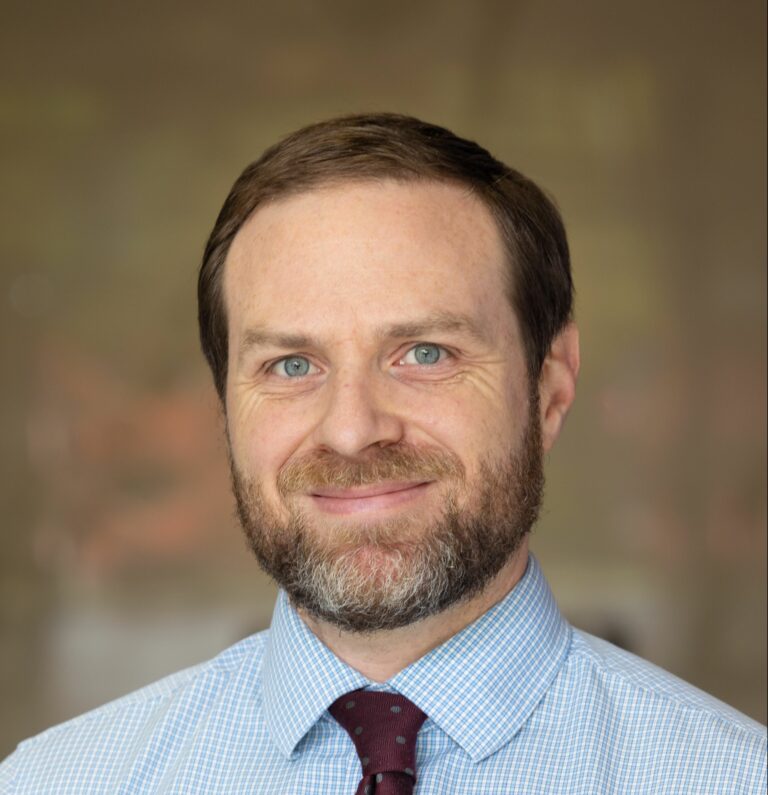
Dr. Seth Berkowitz of UNC promotes Food Is Medicine
Peter Skillern has pursued a career dedicated to creatively and effectively addressing poverty and inequality in North Carolina and the nation. He serves as the CEO of Durham-based Reinvestment Partners, an innovative nonprofit that works with people, places and policy to foster healthy and just communities. Reinvestment Partners advocates for financial and health reforms to improve people’s lives. The agency has won numerous accolades and is considered a state and national leader in its field.
In recognition of his leadership, he was selected as a William Friday Fellow for Human Relations and as an Eisenhower Fellow for International Relations. He holds North Carolina General Contractor and Real Estate Broker licenses. He received his B.A. from the University of California Santa Cruz with Highest Honors. A 1991 graduate of the Department of City and Regional Planning at UNC Chapel Hill, he was recognized as a Distinguished Alumni by the UNC
faculty in 2020.

Peter Skillern, CEO of Reinvestment Partners
Listen to the Podcast
The podcast of this program will be available Monday, Jan. 26, 2026, after broadcast on Jan. 24. You can stream the show from this site and download the podcast for free.
Download the mp3, or listen to the podcast on Apple Podcasts or Spotify.
Transcript of Show 1459
A transcript of this show was created using automated speech-to-text software (AI-powered transcription), then carefully reviewed and edited for clarity. While we’ve done our best to ensure both readability and accuracy, please keep in mind that some mistakes may remain. If you have any questions regarding the content of this show, we encourage you to review the original audio recording. This transcript is copyrighted material, all rights reserved. No part of this transcript may be reproduced, distributed, or transmitted in any form without prior written permission.
Joe
00:00-00:01
I’m Joe Graedon.
Terry
00:01-00:05
And I’m Terry Graedon. Welcome to this podcast of the People’s Pharmacy.
Joe
00:06-00:27
You can find previous podcasts and more information on a range of health topics at peoplespharmacy. com.
Good nutrition is an undisputed pillar of health. Sadly, it seems to be out of reach for too many Americans. This is the People’s Pharmacy with Terry and Joe Graedon.
Terry
00:34-00:40
What if modern medicine made nutrition a priority? How would that change what we eat?
Joe
00:40-00:54
The food industry has learned how to make ultra-processed food tasty and accessible, even in food deserts. But is it contributing to our epidemic of obesity, diabetes, and heart disease?
Terry
00:55-01:00
How is the Food is Medicine movement changing our approach to fresh fruits and vegetables?
Joe
01:01-01:06
Coming up on The People’s Pharmacy, should your doctor be prescribing produce?
Terry
01:14-02:11
In The People’s Pharmacy Health Headlines: The CDC is reporting that the flu season might have peaked. Laboratory testing suggests a downward trend in flu cases. That said, this federal agency is estimating that 18 million people have caught the flu so far and 230,000 patients have been hospitalized. We’re also nearing an approximate 10,000 deaths from the flu.
The CDC has classified children as experiencing high severity influenza this season and adults moderate severity. Some experts are challenging the CDC’s numbers. That’s because the data are delayed by about two to three weeks. We may still be in the early stages of this influenza outbreak. Australia’s flu season, for example, started early and lasted a long time. In the U.S., February is often our peak month for flu.
Joe
02:11-02:55
A report in JAMA Internal Medicine suggests that older people who get high-dose influenza vaccines are better protected against infection. Over 300,000 Danish citizens participated in a study that randomized to either high-dose or standard-dose flu shots. The investigation covered three flu seasons.
This analysis considered how well the vaccination protected against heart failure and other cardiovascular complications, as well as influenza. Those who got the bigger dose had fewer hospitalizations for cardiorespiratory problems. People with diabetes also fared better on the high-dose vaccine.
Terry
02:56-03:53
Measles continues to spread at an alarming rate. Earlier this year, there was a large, long-lasting outbreak that started in Texas. While that one has calmed, South Carolina is now in the midst of a serious outbreak.
Cases have doubled over the past week or so, and the total number is above 560. While most cases have been seen among children, at least two university populations are also experiencing cases. Both Clemson University and Anderson University are dealing with confirmed measles cases in the student body. There are also cases being reported in North Carolina that seem to be linked to the South Carolina outbreak.
Public health authorities point to vaccination rates below 90%, which is not enough to provide herd immunity for people unvaccinated against this extremely contagious and potentially dangerous disease.
Joe
03:54-04:20
Last fall, the administration warned pregnant women to avoid acetaminophen because of concerns about autism. A new systematic review in the British journal The Lancet included 43 studies. The authors concluded that there’s no evidence that taking acetaminophen during pregnancy significantly increases the risk for autism spectrum disorder, ADHD, or intellectual disability.
Terry
04:21-06:17
Falls are dangerous for older people and can result in injury, limited mobility, and even death. For decades, scientists have wondered whether vitamin D might help with muscle strength and balance and thus prevent falls. The results of studies have been inconsistent.
Finnish researchers took advantage of an existing study called the Finnish Vitamin D trial to investigate this question. Nearly 2,500 healthy older participants were assigned to take vitamin D3 at 1,600 international units or 3,200 international units a day or placebo. The investigators collected data on falls and injuries at baseline and at 1, 2, 3, and 5 years. Blood levels of 25-hydroxyvitamin D increased among the individuals taking vitamin D supplements.
Over 5 years, just over half of the volunteers had taken a fall and 11% had sustained injuries. Those proportions did not vary much between any of the groups, including those on placebo. The scientists concluded five-year vitamin D supplementation of 1,600 international units a day or 3,200 international units a day did not affect the overall risk of falls or fall injuries among generally healthy, largely vitamin D-sufficient men and women.
And that’s the health news from The People’s Pharmacy this week. Welcome to The People’s Pharmacy. I’m Terry Graedon.
Joe
06:17-06:43
And I’m Joe Graedon. Our topic today is food. And I have to admit that I’m biased. My earliest years were spent on a dairy farm in eastern Pennsylvania. Even after we moved, visiting Uncle Leo was a highlight because of the vegetables and super fresh whole milk. Uncle Leo and my mom, Helen Graedon, lived into their 90s and prized real food.
Terry
06:43-06:55
Good fresh food is a delight that’s not available to everyone. Should we also be thinking of food as medicine? If so, how could we make it affordable and accessible?
Joe
06:56-07:02
We have two distinguished guests today who are at the forefront of the food as medicine movement.
Terry
07:03-07:37
Dr. Seth Berkowitz is Associate Professor of Medicine at the University of North Carolina School of Medicine and Section Chief for Research, General Medicine, and Clinical Epidemiology. He’s a general internist and primary care doctor studying how food and nutrition interventions can improve health.
Dr. Berkowitz is the Deputy Scientific Director of the American Heart Association’s Food is Medicine Initiative. His book is “Equal Care: Health Equity, Social Democracy, and the Egalitarian State.”
Joe
07:38-08:03
We’re also talking with Peter Skillern, CEO of the nonprofit agency Reinvestment Partners, an innovative nonprofit that works with people, places, and policy to foster healthy and just communities. In recognition of his leadership, Peter was selected as a William Friday Fellow for Human Relations and as an Eisenhower Fellow for International Relations.
Terry
08:04-08:06
Welcome to The People’s Pharmacy, Peter Skillern.
Peter Skillern
08:07-08:08
Thank you so much, Terry. It’s good to be here.
Terry
08:09-08:12
Welcome to the People’s Pharmacy, Dr. Seth Berkowitz.
Dr. Seth Berkowitz
08:12-08:13
Thank you. I appreciate the invitation.
Joe
08:14-08:25
We are delighted to be able to talk about one of our favorite topics, which is food. And, you know, Terry’s grandparents were very involved with food a very long time ago.
Terry
08:26-08:41
That’s true. My grandfather was the butcher in the little town in western Nebraska where they lived. And my grandmother had a huge garden and raised chickens. I mean, it wasn’t a hobby. It was just, you know, what you did.
Joe
08:41-09:09
And my grandfather, at the early part of the 20th century, was a back-to-the-land kind of guy. He bought a farm in Pennsylvania, and my uncle Leo ran that farm for decades. He was a dairy farmer. And my mom and dad were always very big on gardening. They had a huge garden, and they prized their fresh vegetables. Like you would eat them in the garden because they were so delicious.
Terry
09:10-09:43
Well, you know, most people today don’t have that experience. They don’t have the space. They don’t have the time to do a garden. They may not have the knowledge. So how can people get the food? What they do is they rely on supermarkets, but produce is expensive. So when budgets get tight, often what people do is they cut back on the fresh fruits and fresh vegetables and they look for food that’s cheaper, which often is more processed.
Joe
09:44-10:05
And not very good for you. So let’s go back a couple thousand years to Hippocrates, who is reported to have said, let food be thy medicine, let medicine be thy food. So let’s start at the very beginning. Peter Skillern, what is the Food is Medicine movement?
Peter Skillern
10:05-10:21
It’s an initiative that’s nationwide of practitioners, health care providers, insurance companies, and I think most importantly patients who are asking that the health care system assist them with their health by helping them pay for food.
Joe
10:22-10:24
How did you get interested?
Peter
10:24-10:49
Well, I run an anti-poverty organization, and we’re committed to helping improve people’s lives, their health, and their food security. But an important component of that is to find a business model that sustains it. We have to move beyond simply grant-based or charity. We need to find a business model where the health care system says it’s in our financial interest and in our obligations for good health care to help provide food.
Terry
10:49-10:51
Tell us a little bit more about that business model.
Peter Skillern
10:53-11:18
Well, ideally, we’re trying to show that we can save the health care industry money. About 80% of health care costs are created by this treatment of chronic diseases related to unhealthy food, diabetes, cardiovascular, liver disease. So if we can help show an improvement in those conditions, reducing costs, we hope that the health care system will pay for food like it pays for medicine.
Terry
11:18-11:24
So going to another old aphorism, an ounce of prevention being worth a pound of cure.
Peter Skillern
11:25-11:27
It’s both prevention and it’s treatment.
Joe
11:27-11:56
Well, let’s turn to Dr. Berkowitz. Dr. Berkowitz, you have a medical degree and a PhD. You’re an internist. You see people with cardiovascular disease and diabetes and all sorts of other conditions. Are there any studies, any science to support what we’ll call the food is medicine movement that fruits and vegetables actually make a difference in people’s outcome?
Dr. Seth Berkowitz
11:56-12:41
Yeah, I think there are a lot of studies, actually. So one of the things that we think about for food as medicine is how can we use various ways of providing healthy food resources to overcome barriers people might have to healthy eating.
And as we were alluding to, there are a lot of different conditions where that might be relevant. And so there’s been a real burgeoning of studies across a number of different clinical populations that try to use food as medicine principles to improve health outcomes.
That could be improving things like blood pressure or blood sugar. That could be improving things like a reduced need for emergency department visits or hospitalizations and really a number of different clinical outcomes that might be affected by food is medicine study or food is medicine intervention.
Joe
12:41-12:59
It sounds like medicine is, I’ll say, rediscovering what our great, great grandparents knew, you know, almost intuitively from the time they were young kids until the time they died. It was like, yeah, food, food is essential for good health.
Dr. Seth Berkowitz
12:59-13:59
Yeah. I mean, I think there’s no doubt that nutrition is, you know, a key part of health. An analogy that I sometimes like to use for food as medicine is with physical activity and exercise. So we know that physical activity and exercise are also key parts of health. They go on throughout our lives and are not necessarily connected to health care or the health system, even though they help make us healthy.
But there are certain circumstances, say after an injury where you might get physical therapy or after a heart attack where you might have cardiac rehab, that physical activity and the health care system intersect to promote health. And I see food as medicine analogously. Food means lots of different things, lots of different people. It’s culture, it’s celebration, it’s nutrition. And some of that might not be in any conjunction at all with the healthcare system, and that’s totally fine.
But there are certain situations, maybe with high blood pressure or with diabetes or other things, where the intersection of food and the healthcare system might produce a health benefit in a way that’s analogous to how physical therapy can produce health benefits.
Terry
13:59-14:20
You’ve mentioned high blood pressure a couple times, and Joe asked about research. And we know that there is a diet that can help people lower their blood pressure. It’s called the DASH diet. Tell us a little bit more about that and the pretty robust research backing that it has.
Dr. Seth Berkowitz
14:20-15:10
Yeah, so the DASH diet, I think, is one of the best studied dietary interventions. It focuses on things like having lower sodium content in the diet, higher potassium content, which generally comes from eating fruits and vegetables, using healthy fats, not having a lot of refined grains or carbohydrates, and things like that. It’s been shown to lower blood pressure in a number of randomized trials. It’s an overall healthy dietary pattern and likely has impacts on other types of cardiometabolic disease, things like heart attacks or strokes or things like that, even though it was originally designed for high blood pressure.
And if there are ways to help people follow a DASH diet, then that’s likely to have very big health impacts. Also just to say, I think that’s one example of a healthy dietary pattern, but there are lots of diets that is not something that is preferred or culturally appropriate or things like that.
Joe
15:11-15:43
Peter, we have all been told by every healthcare professional that we’ve ever interviewed, don’t smoke, exercise, and eat a well-balanced diet. It’s sort of like a mantra. And yet it doesn’t mean much to people.
It’s sort of like, ‘Oh, yeah, okay, I’ve heard that a dozen times, a hundred times. How do I implement that in my life? How do I make that part of my real-world experience?’
Terry
15:44-15:48
Can I balance my diet with potato chips in one hand and chocolate cake in the other?
Joe
15:49-16:00
So how do you make it possible for people who are on the edge sometimes in terms of their finances to be able to get really healthy food?
Peter Skillern
16:02-16:20
The biggest obstacle to eating healthy for low-income people is the cost of the food. And our program in providing a $40 benefit or $80 on a card that’s restricted for healthy fruits and vegetables at almost any retailer allows them to choose and buy that healthy food.
Joe
16:20-16:22
How does it work? Tell us about that card thing.
Peter Skillern
16:23-16:45
Yeah, so we do a debit-restricted card that can purchase any WIC-approved fruits and vegetables at almost any retailer in the country. So it empowers people both the purchasing power, but also the choice of where they purchase it, what they purchase, when they purchase it.
And that high agency that’s been given those participants leads to higher compliance with eating healthy.
Terry
16:45-16:52
Now, Peter, you said WIC approved. WIC, I think that stands for women, infants, and children. What does it mean?
Peter Skillern
16:53-17:03
It means that you can do produce that does not have any additives to it. So it could be canned or frozen as long as there are no salts or sugars added.
Joe
17:03-17:11
So let me see if I understand this. You get a card, a debit card, and you can go anywhere?
Peter Skillern
17:12-17:31
We have this particular card. It is recognized at 66,000 retail outlets across the country. So most food as medicine efforts are very locally based, perhaps food boxes from locally grown food. And what we’re trying to do is to reach the scale and impact that the health care system needs.
Joe
17:31-17:32
Do people like it?
Peter Skillern
17:33-17:40
They love it. We have a 95% net promoter score, which means that they would refer it to their family and friends.
Terry
17:42-18:11
You’re listening to Peter Skillern, CEO of Reinvestment Partners, a nonprofit based in Durham, North Carolina, working to foster healthy, just communities. The agency is a state and national leader in its field.
We’re also talking with Dr. Seth Berkowitz, Associate Professor of Medicine at the University of North Carolina at Chapel Hill. He is the author of the recent book, Equal Care, Health Equity, Social Democracy, and the Egalitarian State.
Joe
18:12-18:17
After the break, we’ll find out if getting rid of the cost barrier can make people healthier.
Terry
18:18-18:23
Doctors are accustomed to prescribing medications; they might not be used to prescribing produce.
Joe
18:24-18:32
When you compare produce debit cards to a food box, what are the differences? And what is food insecurity and how does it affect health?
Terry
18:39-18:47
You’re listening to The People’s Pharmacy with Joe and Terry Graedon.
Terry
20:37-20:40
Welcome back to The People’s Pharmacy. I’m Terry Graedon.
Joe
20:40-20:49
And I’m Joe Graedon. The topic today is food is medicine. That’s a message we’ve been preaching for decades here on The People’s Pharmacy.
Terry
20:50-20:58
Americans spend more on health care than any other nation, but we lag far behind most other developed countries when it comes to longevity.
Joe
20:59-21:14
Many health professionals praise the Mediterranean diet because of its fresh produce and emphasis on real food. But many Americans find it difficult to afford fruits and vegetables. How can we change that?
Terry
21:14-21:36
Peter Skillern is CEO of the nonprofit agency Reinvestment Partners, an innovative nonprofit that works with people, places, and policy to foster healthy and just communities. In recognition of his leadership, Peter was selected as a William Friday Fellow for Human Relations and as an Eisenhower Fellow for International Relations.
Joe
21:37-22:00
We’re also talking with Dr. Seth Berkowitz, Associate Professor of Medicine at the University of North Carolina at Chapel Hill. Dr. Berkowitz is the Deputy Scientific Director of the American Heart Association’s Health Care by Food Initiative. His recent book is Equal Care, Health Equity, Social Democracy, and the Egalitarian State.
Terry
22:02-22:56
Dr. Berkowitz, I am assuming, and I should never do that, that in order for people to embrace this idea of food is medicine, you have to be able to prove it. If we want people to start eating more fruits and vegetables, we have some evidence already that eating more fruits and vegetables is good for you.
We talked about the research on the DASH diet. There’s research on the Mediterranean diet. Both of those diets are very heavy on produce. So what we’ve got are barriers. And Peter has mentioned that the big barrier is cost. How do we prove that getting rid of that cost barrier can actually make people healthier?
Dr. Seth Berkowitz
22:57-24:44
I think that’s a great question, and I think that’s a great way to frame it as well. I don’t think we need any more research that a healthy diet is healthy. I think we generally know what healthy foods are and what it will do for us. But the question is, how do we overcome those barriers to following a healthy diet that so many people face? Some of those barriers are knowledge-based, and so things like educational programs and things like that make sense.
But as you point out, affordability is a key barrier for a lot of people in the United States. And I think that’s the key innovation of Food is Medicine programs, is there’s not only the sort of knowledge and skill building that educational programs have been providing for a while, but there’s the provision of healthy food resources that make it easier for people to overcome that affordability barrier. But also, as you say, overcoming the affordability barrier means that there’s going to be an input of financial resources into the health care system or through the health care system to an organization like Peter’s to run programs and those kinds of things.
And so people are going to be looking for strong evidence that doing that really will improve people’s health. And that’s a lot of the work that I do. So I’m a physician by training. I’m a practicing primary care doctor. But I also do research. Some of that is observational research, but a lot of it is interventional research, randomized clinical trials, evaluations of interventions that are being done across our state in North Carolina and really across the country now, and looking for that evidence that shows, all right, this is the right interventional approach in the right population for the right duration of time to make it a truly covered benefit in the same way we might say that, oh, if you have a certain type of infection, you don’t just need antibiotics broadly. You need some type of antibiotics in a certain dose for a certain period of time. And that’s what turns it into a real medical intervention that can be covered through insurance benefits or things like that. And similarly, there’s a body of research that’s being built around food as medicine interventions to do that same kind of thing.
Joe
24:45-25:50
Well, Terry said that everybody knows that food as medicine is good for you and making the right choices. But I would actually take an exception to that because I think our grandmothers great-grandmothers knew that. I’m not sure that everybody recognizes how powerful food is, especially, and I hate to say this, Dr. Berkowitz, your colleagues, because a physician is trained, let’s be honest, to write a prescription. They’re trained to look for double-blind, randomized, placebo-controlled trials in the New England Journal of Medicine or fill in the blank journal.
And so the idea of spending any time at all with a patient talking about food choices seems like a waste of time. You know, I’m busy. I’ve got 10 minutes to see this person. Let me just write a prescription for, I know, atorvastatin. That’s the answer, because it’s got science behind it.
Terry
25:50-25:55
And possibly the physician is assuming that the patient knows how to eat.
Joe
25:56-26:13
There are a lot of assumptions that are made. So, you know, how do you, as a health care provider, help your colleagues begin to embrace the idea that, you know, you could perhaps help people lower their blood pressure with a food-as-medicine approach?
Dr. Seth Berkowitz
26:14-27:39
I think that’s a very fair question. I think your description of the constraints that people are facing in practicing medicine is very accurate. I think there are these time constraints. I think there is a historic focus on pharmaceutical treatments and, you know, surgical interventions and those kinds of things, but for what physicians are doing.
But I don’t think that means that the healthcare system overall is not able to do this. For example, you know, we have professionals who have a lot of expertise in doing exactly what you’re saying, registered dietitian nutritionists. And I think we could be doing a lot more to bring those folks into the care team even more than they already are. Expand the number of situations in which they’re being used.
But I do think physicians need to recognize the importance of diet for both preventing and managing chronic disease. And I think there are gains being made in that area, but it’s not exactly where we want it to be. I also think we need to recognize the complementarity between a lot of these different interventional approaches. I think we’re fortunate to have the amazing science that we have that has brought medications that can lower cholesterol or lower blood pressure or lower blood sugar.
But we also are fortunate to have the science that is proving that there are ways to use diet to do similar things. And it’s not an either-or situation. You’re probably even better off, at least in the appropriate circumstances, using both approaches to get as much benefit as possible.
Terry
27:40-27:54
Well, let me ask. You all have recently collaborated on a couple of publications showing your research. Would you tell us about that, please?
Dr. Seth Berkowitz
27:58-28:38
Sure. I’m happy to start and let Peter join in. So there have been two recent, you know, sort of studies that I think are worth talking about. One is a randomized trial where we compared two different types of food as medicine approaches. One approach used a food subsidy provided by reinvestment partners and compared it to the delivery of a food box and looked at whether one was better than the other in terms of lowering blood pressure.
And we found that people in both groups had their blood pressure go down from baseline. But the food subsidy had blood pressure, the people in the food subsidy group, I should say, had blood pressures that went down even more than in the food box group.
Joe
28:39-28:45
Let me ask you to pause there. Peter, tell us the difference between these two groups because a food box, I don’t understand.
Peter Skillern
28:46-29:04
A food box is typically put together with the provider determining what goes in the box, produce or meats, proteins, dairy or not. Maybe it’s just the produce. And it’s typically whatever is in season at the time in that region. And then they deliver that to the client.
Terry
29:04-29:08
So it’s a little bit like your CSA box.
Joe
29:08-29:09
Which stands for?
Terry
29:10-29:41
Community Supported Agriculture. And that is a program in which you pay the local farmer up front. You pay him $100, $200, and every week for the next four or five weeks during the season, you get a box of whatever it is he or she has grown. But what you’re saying is for this food box, it isn’t whatever the farmer has available, which is how the CSA usually works. It’s whatever the doctor says you need to have, huh?
Peter Skillern
29:41-29:42
No, actually, I’m not saying that.
Terry
29:43-29:43
Okay.
Peter Skillern
29:43-30:16
Ideally, you would have kind of a detailed nutritional prescription for which vegetable, for what diagnosis, for what dosage, for what duration, for what demographic, and it’s very specific. A food box is typically an anti-poverty, anti-hunger program where it’s also trying to support local farmers and local food system.
Even if all the food is bought from a retailer, someone else other than the participant is making the decisions. So the recipient receives collards or cauliflower or lettuce or whatever vegetable they may or may not choose.
Terry
30:16-30:25
I was going to say, I can already see that there could be some problems with that, because if you get collards and you don’t like collards, it doesn’t help.
Peter Skillern
30:26-30:34
And so the card, the food subsidies, allows and empowers the participants to choose which produce they want them to buy.
Joe
30:34-30:45
Okay, so we’ve got the food box and we’ve got the card that allows me to make the decision what I’m going to buy. It’s a debit card, basically. What’s the result of the study again?
Dr. Seth Berkowitz
30:45-31:06
Yeah, so again, we found that blood pressure went down in both groups. So both interventions, or at least people who received both interventions, had lower blood pressure by the end of the study. But it went down even more amongst people who had the card, the food subsidy, suggesting that maybe that element of choice and being able to match your preferences for what you’re getting could be providing some extra benefit.
Joe
31:06-31:10
And how did you feel about the results of the study, Peter?
Peter Skillern
31:10-32:33
You know, I never felt like the comparison between food boxes and the card were the essential element. The essential element was, are we reducing hunger? Are we improving blood pressure? Are we able to do that at an affordable rate that makes sense for the healthcare sector?
And I think that’s what was so powerful about this study was that our initiative reduced blood pressure of 5.4 over 6.8, which is very significant. It reduced hunger. Both interventions reduced hunger by 40%. And, you know, we were able to do that for about $40 a month. The benefits lasted beyond the intervention. And so while we provided the food for six months or 12 months, it would last 18 months.
You know, the comparison I would offer is what is our traditional medical interventions, such as blood pressure, how could this complement those pharmaceutical interventions? How can we help change behavior with this so that people aren’t needing blood pressure medicines? So those are some of kind of the bigger opportunities and questions.
To the extent that we’re helping address people’s food needs, let’s give them either source of food, boxes or cards that’s available that there’s support for. But if we’re looking to have it prescribed as an intervention, then we need to look at it for it to work across all requirements.
Joe
32:33-32:37
And it sounds like you’ve made a really good first step.
Peter Skillern
32:38-32:47
I think very significant first step. Dr. Berkowitz’s research which is unparalleled, and having it published in JAMA is kind of building the body of evidence.
Joe
32:48-32:50
And what do your colleagues say, Dr. Berkowitz?
Dr. Seth Berkowitz
32:50-33:31
I think people are excited about these findings. I mean, one of the reasons I got into this line of work or this line of research as a primary care doctor is seeing the problems that unhealthy diets cause, seeing the problems that lack of affordability of healthy foods cause, people who want to make changes to improve their health but are just unable to, but feeling like I didn’t have a lot of clinical tools to offer. And a lot of my colleagues feel the same.
So now, you know, as we’re seeing, well, hey, maybe there are some interventional programs that can make a difference, that can address these issues, that can address both hunger and food insecurity, along with improving the clinical outcomes and reducing the numbers and those kinds of things. And I think people are very excited about that.
Terry
33:32-33:35
Let me ask you, what do you mean by food insecurity?
Dr. Seth Berkowitz
33:36-34:09
It’s a great question. So food insecurity is uncertain access to the food needed for an active, healthy life. It’s considered a leading public health indicator. So up until recently, at least, it’s been tracked in the United States every year annually for the last 25-ish years or so. And it’s a way to look at what percentage of people in the population in the U.S. have a secure, a stable source of food and aren’t worrying about where their next meal is coming from or whether they’re going to be able to put food on the table at the end of the month.
Terry
34:09-34:11
What are the outcomes associated with food insecurity?
Dr. Seth Berkowitz
34:12-34:56
Food insecurity is associated with a large number of negative outcomes very consistently across a very large body of research. So it’s associated with greater prevalence of diet-related diseases like more diabetes, more high blood pressure, more heart attacks. It’s associated with more complications of those conditions once you have them.
So not only might it lead to diabetes, but it might lead to diabetes that’s out of control and results in, say, an amputation or needing to go on dialysis. It’s associated with worse mental health because it’s a very aversive condition. So stress, depressive symptoms, anxiety. It’s associated with worse learning outcomes in children. So you can think of lifelong impacts there. Essentially, almost any condition you can think of adding food insecurity into the mix just makes things worse.
Peter Skillern
34:57-35:30
One of the key indicators is the usage of the emergency room services, which is expensive for both the hospital and the insurers. We did a study with Atrium Health, which showed that with our intervention, the odds of high utilizers, visitations of three times more in six months, was reduced by 36 percent.
You know, that’s a better health care outcome. That’s a better financial outcome. And it’s a better quality of life for the health of those individuals who aren’t spending their time in the ER. And almost all of that is directly related to food insecurity. Wow.
Joe
35:30-36:08
Well, emergency department usage is unbelievably expensive. I mean, if you had to pay out of pocket for a visit to the emergency room, it would be very challenging. And it’s not good care in the sense that if you could prevent that emergency room visit, you’d be way ahead.
So you’re actually suggesting, am I hearing this right, that food security and good choices can reduce emergency department visits? Is that even possible?
Peter Skillern
36:08-36:31
That’s what our study found, but other studies as well. I think most importantly was a study that Dr. Berkowitz did on the Section 1115 Medicaid waiver, Healthy Opportunity Pilots, where food was provided to Medicaid members. And he evaluated the health outcomes and savings and found that there was significant savings primarily in the ER usage. How do your colleagues feel about that?
Joe
36:31-36:36
I mean, that’s, you know, reducing the number of visits to the emergency room. That’s huge.
Dr. Seth Berkowitz
36:37-37:21
Yeah, I think it’s a really important indicator of people being in better health when issues like food insecurity are addressed. There’s very strong evidence that food insecurity is associated with more acute health care utilization, emergency department visits, hospitalizations, higher health care spending. On average, someone who has food insecurity, their health care spending will be something on the order of $1,500 per year, more than a similar person who was food secure.
And we now have interventional evidence that programs that address food insecurity and other health-related social needs like housing and transportation barriers can have exactly these impacts that Peter is talking about. Fewer emergency department visits, fewer inpatient hospitalizations, lower spending on health care services.
Joe
37:21-37:29
You would think that health insurers would be totally on board with this project because they’re trying to cut costs.
Peter Skillern
37:30-38:26
Well, the particulars matter. You know, for which population do we need to provide this service to? What other related services need to go with it? What diagnosis are we trying to treat? So as an example, we’ll be running a randomized clinical trial with Duke Health to look at those who have cardiovascular failure and have recently been admitted to the hospital. That’s a very specific population. They have a very high cost associated with their treatment, and we believe will be very sensitive and responsive to a healthier diet.
So those are the types of questions. I think we have to, more broadly, food is medicine, more specifically, for whom? Underneath what conditions? With what additional services? Gets us to the health care outcomes that help us to save money in our system. We can’t really afford to continue our current trajectory on health care costs. And this is a new, innovative approach to help us solve a bigger problem.
Terry
38:29-38:57
You’re listening to Peter Skillern, CEO of Reinvestment Partners, a nonprofit based in Durham, North Carolina, working to foster healthy, just communities. The agency is a state and national leader in its field.
We’re also talking with Dr. Seth Berkowitz, Associate Professor of Medicine at the University of North Carolina at Chapel Hill. Dr. Berkowitz is the Deputy Scientific Director of the American Heart Association’s Food is Medicine Initiative.
Joe
38:58-39:07
After the break, we’ll talk about some of the highly processed foods that also seem highly addictive. How does the idea of food as medicine combat that?
Terry
39:08-39:13
When we look at cutting government spending on food programs, we wonder how that affects children in particular.
Joe
39:13-39:15
Will it affect school lunches?
Terry
39:24-39:43
you’re listening to The People’s Pharmacy with Joe and Terry Graedon. Welcome back to The People’s Pharmacy. I’m Terry Graedon. and I’m Joe Graedon there used to be a
Joe
39:43-39:49
potato chip commercial that challenged viewers with the slogan, betcha can’t eat just one.
Terry
39:49-39:55
Nobody says that about apples or carrots, but chips can be addictive.
Joe
39:56-40:10
Ultra-processed foods are designed to be tasty and affordable, but not particularly nutritious. What is the Food is Medicine movement doing to counteract the appeal of junk food?
Terry
40:10-40:42
We have two guests today who have worked together on some important projects. One is Dr. Seth Berkowitz, Associate Professor of Medicine at the University of North Carolina at Chapel Hill. Dr. Berkowitz is the Deputy Scientific Director of the American Heart Association’s Healthcare by Food Initiative.
Our other guest is Peter Skillern, CEO of the nonprofit agency Reinvestment Partners, an innovative nonprofit that works to foster healthy and just communities.
Joe
40:44-42:04
This is a question for both of you because the food industry has spent an awful lot of time, money, and research into making foods addictive. And I’m talking about snack foods. I’m talking about this vast majority of foods in the middle of the supermarket that is so tasty that you just want more and then more still.
And a lot of those foods have chemical names that you couldn’t possibly pronounce or understand. And they’re high in salt and they’re high in sugar and they’re high in all kinds of seed oils, which is a particular issue for us because we’ve just recently talked to some experts who say those seed oils may be pro-inflammatory and therefore increase the risk for heart disease and diabetes and maybe even cancer.
So in a sense, you’re fighting this massive and very successful food industry that has packaged foods to taste great. And we, as people, are always susceptible to yummy tasting foods, even if they’re not good for us. How do you combat that with the food is medicine idea?
Dr. Seth Berkowitz
42:05-44:23
So I think this is a great question, and I think it’s worth thinking about both the problems and the solutions at multiple levels. A lot of what we’ve been talking about in food as medicine I see as essentially treatments, things that come in after the fact, after people are already existing and have lived maybe a lot of their lives in an unhealthy food environment, in a society where economic resource distribution is not very equal, and so they experience food insecurity and things like that. And you’re trying to use food as medicine interventions to treat the consequences of that, or at least mitigate them to the extent you can. And these are effective treatments for that.
But as you said earlier, you know, we all know that prevention is probably better than treatment. And so then you get into this higher level question of how do you sort of create a system of social relations, a structure of society, so that people are in environments that promote their health. You know, we focus, I think, too much in medicine on individual solutions. The individual should resist with willpower those tasty treats or those kinds of things. And to a certain extent that that can happen.
But I think we also need to think structurally. Why is it that those foods, which have a lot of different labor inputs and other things like that, why are they more affordable than foods that seem simpler to produce in some ways, right? You know, an apple or grapes or something like that. Why is it that so many people are, you know, struggling to make ends meet and really have to choose, you know, to get their 100 calories through soda rather than 100 calories of broccoli, because it’s a lot cheaper to get your calories through soda than it is through broccoli.
And so then these structural questions, I think, really get at bigger questions around social policy and how you might use social policy to promote people’s health overall. And that will involve an element of programs that, what you might call incomes policy, distributing resources so that people have income they need to be healthy. That will involve elements of policies that target what you might call the commercial determinants of health, the ways that food industry and other industries will create products and affect people’s health in that way, and I think really is a bigger picture question that’s ultimately the really important question to be asking for what you might call population health, the overall health of the American people.
Joe
44:25-44:26
Peter, thoughts?
Peter Skillern
44:26-45:19
What problem are we solving here? Are we solving the commercial production of food and how that’s regulated and distributed? Or are we looking for this particular food as medicine about helping to address people’s individual health and then scaling that up so that it can affect our population health? That we’re using the health care system for payment, for enrollment, for treatment. And that’s a really more narrow problem to solve.
And I think that one of the challenges our food is medicine movement faces is there are so many interrelated challenges that we have. We’ve got to stay focused on what are we solving today for this type of initiative. So through providing a food is medicine food subsidy, we’re enabling individuals at scale and millions of folks to be able to make better choices. But we still have to make their… they have to make those choices and the industry has to respond.
Joe
45:20-45:21
And who’s paying?
Peter Skillern
45:21-45:44
Well, so in the publicly insured healthcare space, it’s Medicaid and Medicare and the Veterans Administration. But the majority of people are covered by commercial plans through their employers or through the American CARES Act. So that’s kind of different payers all have different standards for who will pay for this, underneath what conditions.
Joe
45:45-46:01
Because you kind of could imagine an insurance company saying, you know, if I can keep people out of the emergency department, I’m going to save money. And if it’s what, $40, $50 a month, is that how much you said for your debit card?
Peter Skillern
46:01-46:01
That’s right.
Joe
46:02-46:23
That’s a huge investment. But I’m also wondering about the government. You know, we’re continuing to hear, well, we need to slash these programs. And what will happen when that is implemented, especially with a food is medicine type program like yours?
Peter Skillern
46:23-47:07
Yeah. We say that we’re trying to meet the business regulatory and health care requirements of the health care sector. We also have to meet the political requirements, which is a broader issue. We think that this intervention addresses some concerns around efficient use of resources, emphasizing individual choice, showing greater returns. And as this research, it’s evidentiary that it’s making a difference. This food is medicine movement is not a simple task.
It is a cultural change. It’s a political change. It’s a technology change. It’s a medical practice change. It’s an individual change. And so let’s recognize the complexity of it and stay focused on those things that we can affect through this strategy.
Joe
47:08-47:37
What about kids? Because, Dr. Berkowitz, you said prevention. And prevention is always better than trying to catch up and deal with treatment. I think a lot of school lunches are, you know, what are tasty, you know, pizza, macaroni and cheese. Maybe the broccoli is not as popular.
How do we begin to get kids involved in the food is medicine movement?
Dr. Seth Berkowitz
47:37-49:38
I think getting kids involved is very important, but I’ll actually point to the National School Lunch and School Breakfast Program as an area where we’ve made a lot of improvements, actually. So throughout the 2010s, there’s been a change in the nutritional standards for school meals. Again, anytime you’re cooking at large scale for lots of people on, you know, very tight budgets, things might not be, you know, exactly what everyone would want. But a lot of studies show that the meal that kids get at school is often the healthiest meal of the day they get compared with home cooking.
And the bigger picture point, even though I think there is still room to improve, is that there has been real progress there. And so it’s been a win in a lot of ways and points to the fact that if we do make a concerted effort to change these things, we can improve the nutritional quality of the food that’s being provided.
And I think there’s a lot that the food is medicine movement can learn from the way that policy has been used in the national school lunch and school breakfast program. But to your larger point of, you know, should be should kids be involved in food is medicine programs? I think there’s a lot of potential for that.
However, the evaluation of it, I think, needs to be a little bit different for an adult with heart failure, or someone who is currently on dialysis, their short-term consequence of eating an unhealthy diet is very high. And so the healthcare costs associated with that in a couple months span is very high. And so if you’re doing a study that follows people for a few months, you’re likely to be able to see a difference between a healthier diet and a less healthy diet.
Kids, you’re talking about years, are really preparing them for adulthood and maybe their older age and things like that. And so if you use the same standards and say, well, I want to, you know, if I’m going to, you know, choose the adult program over the child program because the adult program saves me money in six months, but the child program doesn’t, you’re going to, you know, not take advantage of what could be a very large long-term impact because you’re being a little bit short-sighted about it.
So very important to include children in food as medicine interventions, but you also have to think about the specifics and the nuance of the situation when you’re evaluating it.
Peter Skillern
49:39-49:55
One area that we found is we did a pilot with Atrium in Mecklenburg County with expectant mothers, you know, and the response that mothers gave as far as the impact of food security on themselves and their newborns, you know, it was pretty tremendous.
Terry
49:57-50:10
And this is a wonderful place to do an intervention because expectant mothers mostly are very interested in doing whatever they can to promote the health of their growing fetus.
Peter Skillern
50:10-51:01
And it’s a particular area where the insurance is involved, right, with medical experience. Another population of youth are those in foster care who are often covered by Medicaid insurance underneath the behavioral health sections. That’s a Medicaid expense. 70% of young women 13 to 21 become pregnant underneath the foster care system, right? Food insecurity is extremely high among foster care children.
There’s an area for where we can provide Medicaid-provided food assistance that will help the direct health outcomes of foster care children. So there are different ways of looking at this problem of how can we intersect between the health care sector, insurance, the providers, and the patient. You know, it’s got to work for all three, and I think we can solve those problems.
Terry
51:01-51:19
Dr. Berkowitz, I’m wondering how the food is medicine movement would compare or compete or possibly complement the conventional pharmaceutical approaches to problems like you have diabetes, you want to get your A1C level down, or how about GLP-1s?
Joe
51:22-51:25
Explain GLP-1s, Dr. Berkowitz.
Dr. Seth Berkowitz
51:25-52:07
Sure, yeah. So GLP-1s are a group of medicines that work in receptors for a hormone called incretins–the hormone is called incretin–and they have a lot of effects on the body, but in particular, they have large effects on appetite and satiety and tend to result in a large amount of weight loss, and for people with diabetes, large drops in the blood sugar. And so have been a really important category of medicine over the last decades or so, the last about a decade, and really kind of taking off in the last few years for use beyond people with diabetes, but also as a weight loss medication.
Terry
52:08-52:17
And so the question is, food is medicine. How does it interact with the use of these potent pharmaceuticals?
Dr. Seth Berkowitz
52:17-53:31
Yeah, I think there’s a lot of complementarity to it. And there are a few issues involved. The GLP-1 medicines are very powerful, but they’re sort of blunt appetite suppressants. And so the quality of what you eat, even though you’re eating less overall, is still very important. And if you only use GLP-1s but don’t pay any attention, let’s say, to the quality of what you’re consuming, you know, maybe you’re only having 1,200 calories a day, but it’s only a milkshake or something like that, then that’s going to have bad health impacts, even though there might be some benefits from the weight loss overall.
The actual components of what you’re consuming will have health impacts in other ways. And so I think there’s complementarity in using food as medicine interventions for people who are on GLP-1s to promote better diet quality for the foods that people are eating. A number of people have side effects with GLP-1s and so can’t tolerate them long-term.
And so food as medicine interventions might be an alternative. And a lot of people may want to stop taking a GLP-1 at some time. They might have lost the amount of weight that they’re looking to lose and would like to sort of stay at that weight or, you know, slow the regain of weight to the extent possible. And so food is medicine interventions can be helpful in that situation as well, I think.
Joe
53:31-53:57
I’d like you both to look into your crystal ball and say, okay, if we were in charge, if they gave us a lot of money to make food is medicine kind of the primary way that both the public as well as health professionals would look at this whole process, what would the future look like for you and how would you implement it?
Terry
53:57-53:59
And you each have one minute.
Joe
54:01-54:03
Starting with you, Dr. Berkowitz.
Dr. Seth Berkowitz
54:03-55:03
Okay. Well, maybe this will be my curveball. So I think food as medicine programs are very important and I think it’s important that they have a place in the healthcare system. But I really don’t think that we can lose sight of the question of why are food as medicine programs needed for so many people.
And so if I really have a lot of control and everything, though, so if I really have the control that you’re giving me, while one aspect of that would be making sure that evidence-based food as medicine interventions are available as insurance benefits for people, another piece would be to really sort of question, well, why is it that, you know, so many people find it so difficult to follow a healthy diet?
And are there things that we can do to address income and resource distribution in the U.S.? Are there things we can do to address commercial determinants of health? Are there things that we can do to address the reasons that people find it difficult to follow a healthy diet so that maybe they don’t even need a food as medicine intervention in the first place? But if they need it, I do want it to be there.
Joe
55:04-55:04
Peter?
Peter Skillern
55:06-56:22
Again, I focused around where the health care sector aligns with food support, around the health outcomes, around the financial incentives. You know, as a person who’s trying to address poverty at scale, I certainly support a broader safety net, right, to help people purchase that.
But within that, where does health care find its motivation? And it’s motivated by patients asking for it from providers like the clinicians saying this is needed. There is research that shows it’s impactful. And for health insurers to say we have an incentive to do this at scale.
And it may not be for everyone. Even a small population as a percentage, when you scale it across all of America and our population, we serve millions of people. Those with uncontrolled diabetes or cardiovascular failure or even smaller issues. It makes a difference at an enormous level.
So I’m not looking for the revolution. I’m looking for the incremental difference that we can make in people’s lives, but do it at a systems level across this country. So I think food is medicine has huge potential for both political and practical reasons.
Terry
56:22-56:30
Peter Skillern, Dr. Seth Berkowitz, thank you both so much for talking with us on The People’s Pharmacy today.
Peter Skillern
56:31-56:33
Thank you so much for having us.
Dr. Seth Berkowitz
56:33-56:34
Yeah, it was great to be here. Thank you.
Terry
56:35-57:04
You’ve been listening to Dr. Seth Berkowitz. He’s Associate Professor of Medicine at the University of North Carolina School of Medicine and Section Chief for Research, General Medicine, and Clinical Epidemiology. Dr. Berkowitz is a general internist and primary care doctor studying how food and nutrition interventions can improve health. He’s also the author of the recent book, “Equal Care: Health Equity, Social Democracy, and the Egalitarian State.”
Joe
57:05-57:30
You’ve also heard Peter Skillern, CEO of the nonprofit agency Reinvestment Partners, an innovative nonprofit that works with people, places, and policy to foster healthy and just communities.
In recognition of his leadership, Peter was selected as a William Friday Fellow for Human Relations and as an Eisenhower Fellow for International Relations.
Terry
57:30-57:40
Lyn Siegel produced today’s show, Al Wodarski engineered. Dave Graedon edits our interviews. B.J. Leiderman composed our theme music.
Joe
57:40-57:47
This show is a co-production of North Carolina Public Radio, WUNC, with the People’s Pharmacy.
Terry
57:48-58:05
Today’s show is number 1,459. You can find it online at peoplespharmacy.com. That’s where you can share your comments about this episode. You can also reach us through email, radio at peoplespharmacy.com.
Joe
58:05-58:13
Our interviews are available through your favorite podcast provider. You’ll find the podcast on our website on Monday morning.
Terry
58:13-58:34
At peoplespharmacy.com, you could sign up for our free online newsletter, and that way you get the latest news about important health stories. When you subscribe, you also get regular access to information about our weekly podcast. We’d be grateful if you’d write a review of the People’s Pharmacy and post it to the podcast platform you prefer.
Joe
58:35-58:38
In Durham, North Carolina, I’m Joe Graedon.
Terry
58:38-59:14
And I’m Terry Graedon. Thank you for listening. Please join us again next week. Thank you for listening to the People’s Pharmacy Podcast. It’s an honor and a pleasure to bring you our award-winning program week in and week out. But producing and distributing this show as a free podcast takes time and costs money.
Joe
59:14-59:24
If you like what we do and you’d like to help us continue to produce high-quality, independent healthcare journalism, please consider chipping in.
Terry
59:24-59:29
All you have to do is go to peoplespharmacy.com slash donate.
Joe
59:29-59:42
Whether it’s just one time or a monthly donation, you can be part of the team that makes this show possible. Thank you for your continued loyalty and support. We couldn’t make our show without you.
Citations
- Eberly LA et al, "An indigenous Food Is Medicine intervention: The MUTTON-HF randomized clinical trial." JAMA Internal Medicine, July 27, 2026. DOI: 10.1001/jamainternmed.2026.2879
- Berkowitz SA et al, "Food insecurity interventions to improve blood pressure: The Healthy Food First Factorial randomized clinical trial." JAMA Internal Medicine, Dec. 1, 2025. DOI: 10.1001/jamainternmed.2025.5287