
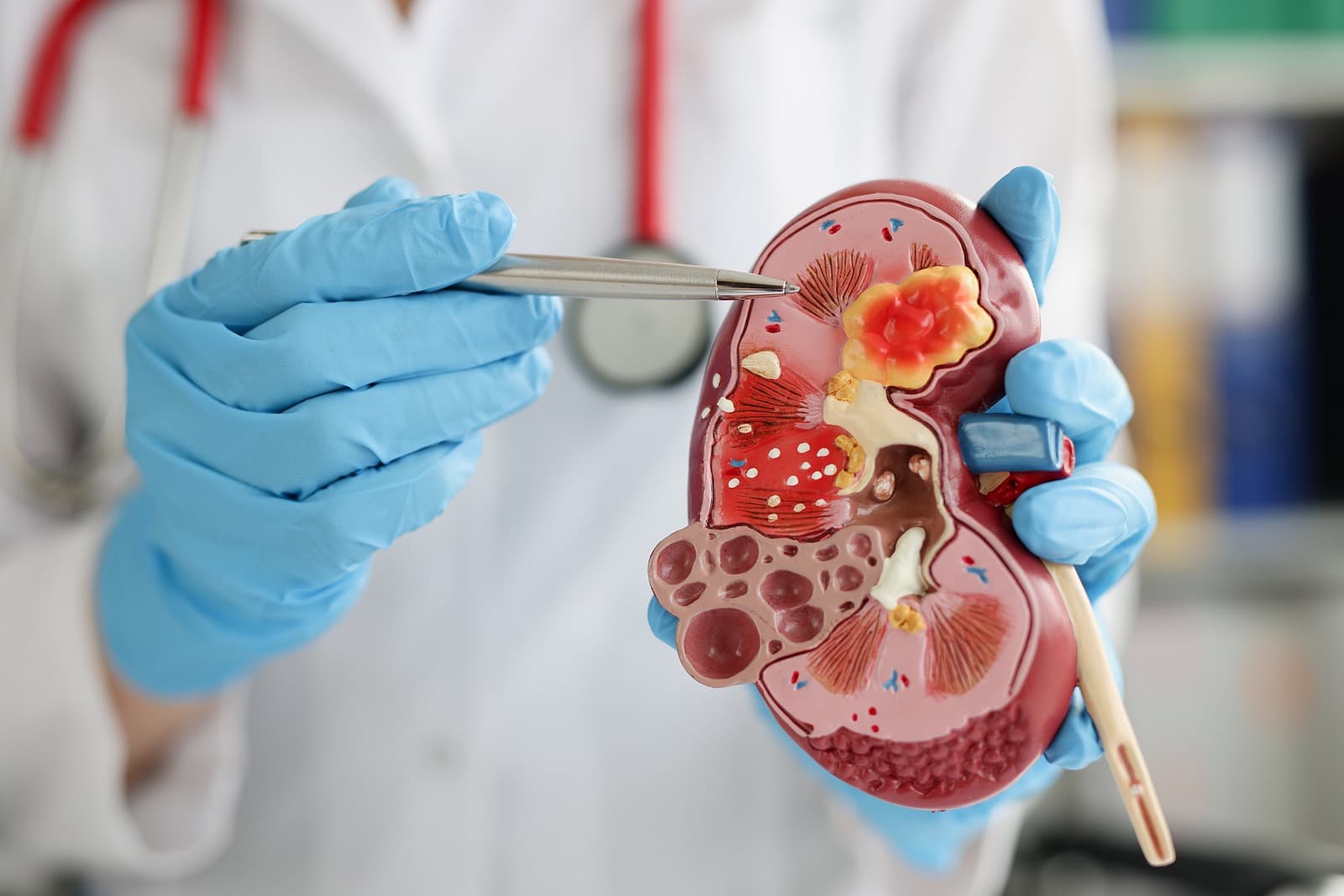
Could Your Kidneys Be Failing You? The Hidden Epidemic Affecting Millions (Archive)
This week, our guest discusses how to prevent and treat a surprisingly common condition, chronic kidney disease. One in three Americans faces the risk factors for kidney disease; one in seven is actually living with the condition, although they may not be aware of it.
At The People’s Pharmacy, we strive to bring you up to date, rigorously researched insights and conversations about health, medicine, wellness and health policies and health systems. While these conversations intend to offer insight and perspective, the content is provided solely for informational and educational purposes. Please consult your healthcare provider before making any changes to your medical care or treatment.
How You Can Listen:
You could listen through your local public radio station or get the live stream at 7 am EDT on your computer or smart phone (wunc.org). Here is a link so you can find which stations carry our broadcast. If you can’t listen to the broadcast, you may wish to hear the podcast later. You can subscribe through your favorite podcast provider, download the mp3 using the link at the bottom of the page, or listen to the stream on this post starting on December 29, 2025.
Could Your Kidneys Be Failing?
According to the CDC, 36 million American adults have some form of chronic kidney disease. There are six stages of this condition, with stages 1 and 2 so mild that they don’t warrant treatment. Doctors start paying attention to stages 3a and 3b. Dr. Emily Chang describes how kidney disease is diagnosed and why we need to pay attention. In the earlier stages, kidney disease does not cause symptoms, so doctors rely on blood and urine tests to monitor function.
What Do Your Kidneys Do?
Most people are aware that the kidneys produce urine, primarily by filtering the blood and removing chemicals that are not needed. However, the kidneys also have numerous other functions that are critical for our health. They are vital to blood pressure control, and they regulate hormones essential to the preservation of bone strength.
Main Risk Factors for Kidney Disease:
We wondered why the rates of chronic kidney disease are increasing. The answer is fairly simple. More people have one or more of the factors that increase a person’s probability of experiencing kidney problems. These include high blood pressure and diabetes.
In addition, there are numerous medications that can contribute to trouble for your kidneys. Just imagine how many of us take an NSAID such as ibuprofen or naproxen multiple times a week. That can put a significant strain on the kidneys. If ibuprofen upsets your stomach–as it could–you might turn to a PPI such as omeprazole (Prilosec) or lansoprazole (Prevacid). These medications can also pose challenges for the kidneys.
“Sick Day” Meds:
In general, blood pressure medicines are a help to the kidneys, because blood pressure control is so important. But certain blood pressure meds, especially ACE inhibitors like lisinopril or ramipril or ARBs like losartan or irbesartan, are considered “sick day meds.” They should not be taken on days when a person is under the weather and may be dehydrated. Under those circumstances, they might do as much harm as good.
Another potential hazard for the kidneys is the contrast medium used in medical imaging. Sometimes this can be tough on the kidneys. That’s especially true for cardiac catheterization where the doses are higher and the exposure longer.
Staying Hydrated to Protect Your Kidneys:
Besides controlling risk factors, we can all help protect our kidneys by making sure we stay hydrated. What and how much should you drink? Plain water is always great. Caffeinated soft drinks are not particularly helpful, and neither are dark sodas or tonic water. As for how much, that is individual. Most people can rely on thirst, but as we age, thirst may be a less sensitive indicator. Older people may need to make sure they are drinking enough fluid to produce a reasonable amount of light-colored urine.
What Diet Is Best for Your Kidneys?
According to Dr. Chang, most of us don’t need to obsess about the amount of protein in our diets. Except at the most severe stages of chronic kidney disease, your kidneys can handle the protein you need for good nutrition. She recommends that people follow a DASH diet or a Mediterranean diet. Both are loaded with fresh produce, low in salt and sugar, and rich in whole grains. Scientists have studied the effects of the DASH diet thoroughly, and they know that it can help with blood pressure control. Likewise, following a Mediterranean diet can also promote healthy blood pressure and blood sugar management.
New Medications for Kidneys:
Doctors are adopting a type of medicine called SGLT-2 inhibitors to treat chronic kidney disease. One example is dapagliflozin (Farxiga), a drug initially developed to treat type 2 diabetes. It may keep kidney disease from worsening. Other drugs in the same category may also prove helpful. Scientists are also looking at GLP-1 agonists like semaglutide (Ozempic, Wegovy) to see if they might also benefit your kidneys.
The podcast includes a discussion with Dr. Glenn Preminger of Duke University Health System about a related topic, preventing and managing kidney stones.
This Week’s Guests:
Emily Chang, MD, is Associate Professor of Medicine in the
UNC School of Medicine Division of Nephrology and Hypertension. In addition, she is Co-director of the Kidney Palliative Care Clinic. Her research focuses on the application of ultrasound in all aspects of care for patients with chronic kidney disease.

Emily Chang MD
Glenn Preminger, MD, is the James F. Glenn, M.D. Distinguished Professor of Urology at Duke Medicine.
Listen to the Podcast:
The podcast of this program will be available Monday, December 29, 2024, after broadcast on Dec. 27. It was originally broadcast on Dec. 14, 2024. You can stream the show from this site and download the podcast for free.
Download the mp3, or listen to the podcast on Apple Podcasts or Spotify.
Transcript of Show 1411:
A transcript of this show was created using automated speech-to-text software (AI-powered transcription), then carefully reviewed and edited for clarity. While we’ve done our best to ensure both readability and accuracy, please keep in mind that some mistakes may remain. If you have any questions regarding the content of this show, we encourage you to review the original audio recording. This transcript is copyrighted material, all rights reserved. No part of this transcript may be reproduced, distributed, or transmitted in any form without prior written permission.
Joe
00:00-00:01
I’m Joe Graedon.
Terry
00:01-00:04
And I’m Terry Graedon. Welcome to this podcast of The People’s Pharmacy.
Joe
00:05-00:14
You can find previous podcasts and more information on a range of health topics at peoplespharmacy.com.
Joe
00:15-00:27
How well are your kidneys working? How would you know? Most people with chronic kidney disease are unaware of it. This is The People’s Pharmacy with Terry and Joe Graedon.
Terry
00:34-00:45
Diabetes and high blood pressure are important risk factors for kidney problems. Epidemiologists say that one in three of us face such risk factors.
Joe
00:45-00:51
Are there common over-the-counter medications that could make kidney function worse? Are you taking one of them?
Terry
00:52-00:58
We’re talking with a kidney specialist about what you can do to avoid damaging your kidneys.
Joe
00:58-01:06
Coming up on The People’s Pharmacy, could your kidneys be failing you? The hidden epidemic affecting millions.
Terry
01:14-02:08
In The People’s Pharmacy Health Headlines: influenza cases continue to spread. Holiday travel and family gatherings will almost assuredly intensify this already worrisome flu season. The CDC has been running behind in reporting this year and won’t publish its next Flu View update until December 30th.
Hospitalizations for flu and its complications doubled in the past week. The majority of sick people seem to have some form of influenza A. Despite fears that it would turn out to be a super flu, the BBC reports that subclade K, the new flu variant, is behaving a lot like other influenza A strains in previous years.
Experts remind us to stay home when we’re sick, avoid crowds, especially indoors, and wear a well-fitted mask such as an N95 if you must venture out into crowded spaces.
Joe
02:09-03:11
Saturated fat has long been public enemy number one. Nutrition experts and cardiologists have warned us that saturated fat clogs coronary and carotid arteries, and that leads to heart attacks and strokes. But two recent studies, one in the Annals of Internal Medicine and the other in the Journal of Neurology, have created consternation in the public health community.
An analysis of 17 controlled trials found that people consuming saturated fat from foods like butter or cheese were no more likely to develop cardiovascular disease. The other study followed over 27,000 Swedish people for about 25 years. It found that those who ate the most high-fat cheese were less likely to develop dementia than those consuming the least cheese. The lead author says that eating lots of high-fat cheese may not protect against Alzheimer’s disease, but such foods may not be as dangerous as previously believed.
Terry
03:12-04:16
Healers started using French lilac, known by the scientific name Gallego Ficinalis, in the Middle Ages. In the 1920s, researchers discovered that this herb could help control blood glucose levels in animals. Eventually, they developed a pharmaceutical called metformin, with similar activity, to treat type 2 diabetes.
A new study published in the journal Precision Clinical Medicine explores the various cellular pathways by which metformin can calm inflammation and reduce the risk of cancer. Certain immune cells become more active in the presence of metformin.
Moreover, intestinal flora that has been exposed to metformin is more sensitive to glucose and produces short-chain fatty acids that discourage the development of cancer. One cohort study, including nearly 500,000 participants and a randomized controlled trial of 19,000 volunteers with diabetes, demonstrated a lower incidence of cancer among people taking metformin.
Joe
04:16-05:02
A new report from ProPublica reveals a glaring deficiency at the Food and Drug Administration. 90% of the medicines we take are generic, and most are made abroad. The FDA does almost no testing to verify foreign drugs meet quality standards.
ProPublica tested several versions of widely prescribed generic drugs and found two samples that did not dissolve at the same rate as their brand-name counterparts. One sample of the antidepressant bupropion failed to dissolve properly. So did a sample of the heart drug metoprolol. When generic medications don’t dissolve appropriately, patient safety may be compromised.
Terry
05:02-05:49
The FDA has just approved a new version of Wegovy for weight loss. Until now, this GLP-1 agonist was available only as a once-a-week injection. Now it will be available in a pill. Some people are squeamish about shots, so the idea of a pill to help with weight loss could seem much more appealing. The top dose will be 25 milligrams.
In a study published in the New England Journal of Medicine, the average weight loss over more than a year was 14%. The new Wegovy pill may be challenging for some people to take. It must be swallowed on an empty stomach, and patients need to wait at least 30 minutes before eating or drinking anything.
And that’s the Health News from the People’s Pharmacy this week.
Joe
06:15-06:17
Welcome to The People’s Pharmacy. I’m Joe Graedon.
Terry
06:17-06:32
And I’m Terry Graedon. According to the CDC, more than one in seven American adults could have chronic kidney disease. The overwhelming majority of these people are unaware that there’s anything wrong with their kidney function.
Joe
06:33-06:50
Unless people undergo testing, they may not realize their kidneys are starting to fail. By the time symptoms develop, significant damage may have been done. The CDC estimates that 360 people begin treatment for kidney failure every day.
Terry
06:50-07:06
Why has kidney disease become so common? Although one in seven of us could already have kidney disease, one in three may have risk factors for this common condition. What can be done to protect the kidneys from a downward spiral?
Joe
07:07-07:33
To help us get answers to those questions, we turn to Dr. Emily Chang. She’s Associate Professor of Medicine in the Division of Nephrology and Hypertension at the University of North Carolina School of Medicine. In addition, she’s co-director of the Kidney Palliative Care Clinic. Her research focuses on the application of ultrasound in all aspects of care for patients with chronic kidney disease.
Terry
07:35-07:38
Welcome to the People’s Pharmacy, Dr. Emily Chang.
Dr. Emily Chang
07:39-07:41
Thank you so much. I’m delighted to be here with you today.
Joe
07:42-07:49
Dr. Chang, are kidneys essential for good health? How do they work?
Dr. Emily Chang
07:50-08:06
Well, the number one thing that they do that most people know about is that they filter your blood, meaning they clean the bad stuff out and get rid of it through your urine. But they do a lot of other things, too. But that’s kind of the big essential thing that keeps you alive.
Joe
08:07-08:11
I want to know about some of those other things. What else do they do? A lot.
Dr. Emily Chang
08:11-08:46
So let’s start. People are always surprised when I ask them, you know, all the other things I’m talking about because they say, “Oh, kidneys do that too?” So they participate in control of your blood pressure, maintaining how much water your body needs to hold on to and how much it needs to get rid of, controlling your electrolytes so you have the right pH balance in your blood for all your organs to work, control of your blood counts.
They make a hormone that tells your bone marrow how much blood cells to make. And then the big surprise is the bone health. They’re very involved in your bone health as well.
Terry
08:47-08:51
Oh, that is definitely something I did not know.
Dr. Emily Chang
08:52-08:53
Most people don’t.
Terry
08:53-08:55
There you go. How do they affect bone health?
Dr. Emily Chang
08:56-09:16
There is a complicated pathway of communication that involves the gut, the bones, these four glands in your neck, and the kidney. And they all talk to each other in this very complicated back and forth way to regulate the calcium, the phosphorus, and other lesser known hormones to keep your bones healthy.
Joe
09:17-09:29
Well, we’re going to talk about parathyroid in a bit and calcium and phosphorus because I don’t think people realize how important they are. But first, Terry, you have a question for Dr. Chang.
Terry
09:29-09:49
You know, when we talk about what’s important for being healthy, if you talk to a French person, they’re going to say, oh, the liver, it’s so important. And if you talk to Americans, mostly they say, it’s your heart. So is there someplace, a group of people who really focus on the kidney?
Dr. Emily Chang
09:50-10:04
Oh, definitely. Absolutely. If you ask a nephrologist, we’ll say the kidney because we make sure all those other things can work appropriately. But I wouldn’t say geographically there’s a place.
Joe
10:06-10:16
So, Dr. Chang, why has kidney disease become so common, not just in the United States, but in other countries as well?
Dr. Emily Chang
10:17-10:48
So part of the reason is that it is very hard to detect. There are no symptoms until very late. And people don’t realize they need to go get it checked out, what risk factors they might have. So people could prevent it, but they just don’t know. So that’s one thing.
Another thing is that we’re getting better at detecting it. So it may have been that people who didn’t know before they have kidney disease now know. And we’re getting better and better. We still have quite a ways to go on that.
Terry
10:48-10:53
Can you tell us a little bit about those risk factors? What should people be paying attention to?
Dr. Emily Chang
10:53-11:40
Yeah, there’s quite a few. So first of all, the two most common causes of kidney disease are high blood pressure and diabetes. So if you have either of those, you absolutely need to have your kidney function checked periodically. And your regular doctor knows how to do that.
If you have any family history of kidney disease, that is also a risk factor. As you age, aging is a risk factor. It doesn’t mean that everyone who’s aging will necessarily have kidney disease that’s severe, but it is certainly a risk factor. The older you get, the more likely you are to have it. And then obesity, the more obese you are, the higher your risk of kidney disease. And then there’s certain medications that if you use, for example, non-steroidal.
Joe
11:41-12:04
Okay, we’re going to get to those drugs in a minute. But first, how common is kidney disease? You said that nephrologists like yourself and your colleagues think that the kidneys is number one. You’ve got to really pay attention to them. But if we were to start looking at some of the statistics, what’s the deal?
Dr. Emily Chang
12:05-12:13
Well, the most common one that I like to tell you is that one in three people is at risk of kidney disease.
Joe
12:14-12:14
Whoa.
Terry
12:15-12:16
That is very common.
Joe
12:16-12:17
That’s scary.
Dr. Emily Chang
12:17-12:30
So if I’m looking, if I’m talking to a crowd, I say, look to your left, look to your right. One of you is going to be at risk. It doesn’t mean you’ll have it, but you’re at risk if you don’t get it checked out, if you don’t get to see a doctor regularly and get it treated.
Joe
12:31-12:32
So it is increasing.
Dr. Emily Chang
12:33-12:45
It is increasing. And we have the increasing epidemic of diabetes, high blood pressure, obesity. And with all those risk factors, yes, they’re contributing to an increasing risk of kidney disease.
Terry
12:45-12:50
How would you know if your kidneys were starting to not work as well as they should?
Joe
12:50-12:51
Yeah, what symptoms?
Dr. Emily Chang
12:52-13:18
So that is, unfortunately, you really don’t have symptoms till you’re in the severe stage. And that’s one of the difficult parts about it. When you get to very severe, you start to feel nauseous, vomiting. You might have extreme itching, dry skin, a funny taste in your mouth, like it’s sort of a metallic taste. But if you get to that point and you haven’t had kidney care, it’s…
Joe
13:18-13:19
You’re in trouble.
Dr. Emily Chang
13:20-13:21
Yeah. It’s not a good thing.
Joe
13:22-13:35
So let’s talk about testing because I’ve heard that, as you just said, that the diagnosis often doesn’t occur until somebody’s already at stage four. And there are four stages, if I’m not mistaken.
Dr. Emily Chang
13:35-13:36
Actually, six.
Joe
13:36-14:01
Six. Oh, my goodness. Okay. Well, we’ll get you to describe those six stages in a moment. But if you go to your doctor for an annual checkup, there’s a very good chance that you’re going to have your cholesterol measured, LDL in particular, and you’ll have your blood pressure monitored. And you might get a blood test.
Terry
14:01-14:03
They’ll probably put you on the scale first.
Joe
14:04-14:17
Yeah. But what about that blood test? What should be tested and what should you be asking for perhaps in addition to the quote unquote standard stuff?
Dr. Emily Chang
14:18-15:18
All right. So, yes, those things are usually checked. And the kidney, the kidney, the way we check the kidneys, there’s two ways. One is with a blood test and one is with a urine test.
The blood test is on a basic panel. It’s called like a chemistry panel. It’s not always drawn. The older you get, the more likely your doctor is to check it. But that’s one thing. And the test we’re looking at on that panel is called a creatinine. And we use that creatinine to… putting it through a calculation, a formula. We get what’s called an estimated GFR. And we like to explain that as a percentage of kidney function.
And then your question about what test should you ask for, it’s the urine test. So a lot of times primary doctors forget to get the urine test because they’re so focused on the creatinine. And so we often remind people one of the things we’re out there telling people who may be at risk, ask for the urine test.
Joe
15:18-15:21
So what are you looking for in the urine test?
Dr. Emily Chang
15:22-15:42
The most important thing we’re looking for is protein in the urine. It should not be there. And so we’re looking for hopefully absence of protein. We’re also sometimes looking for blood in the urine. But the protein in the urine for your standard chronic kidney disease is very important as far as predicting your risk of getting worse over time.
Joe
15:42-15:57
Now, you mentioned calculating the glomerular filtration rate. I’ve heard from someone in the biz who says, yeah, you should do that glomerular filtration rate.
Terry
15:57-15:59
Just use the abbreviation, Joe.
Joe
15:59-16:04
GFR, GFR with Cystatin C. What’s that about?
Dr. Emily Chang
16:05-17:31
Okay, so this is an evolving area in our field and really quite interesting. So historically, it’s been done with creatinine, and there have been a number of calculations and formulas over time that have evolved as we’ve learned more. And just a few years ago, I want to say in 2021, there was a big change in the field where we used a new equation because it used to be race based. And we’ve now moved, there was a big task force, a lot of very smart people who got together to figure out how to remove that race variable because it wasn’t we found it wasn’t accurate.
So all of that goes to say we do all those formulas currently with creatinine. But there are problems with the creatinine. Creatinine is based on muscle mass. People who have abnormally high or abnormally low muscle mass, it’s not very accurate. Children, it’s difficult.
So in comes Cystatin C, the new guy. And Cystatin C is not based on muscle mass. It’s not quite ready for prime time because a lot of labs aren’t equipped for it. But when you’re not sure, you don’t believe the creatinine, or there’s reasons to not believe it, we do like to check a Cystatin C. And we are moving the field slowly towards doing a formula that includes both of them.
Terry
17:31-17:52
You’re listening to Dr. Emily Chang, Associate Professor of Medicine in the Division of Nephrology and Hypertension at UNC School of Medicine. In addition, she’s co-director of the Kidney Palliative Care Clinic. Her research focuses on the application of ultrasound for the treatment of patients with chronic kidney disease.
Joe
17:53-18:00
We need to take a short break. When we return, we’ll learn about the different stages of kidney disease.
Terry
18:00-18:06
You might have seen a number called GFR on a lab report. What does it mean?
Joe
18:07-18:13
Nonsteroidal anti-inflammatory drugs like diclofenac, ibuprofen, and naproxen may not be kind to the kidneys.
Terry
18:14-18:18
Do the heartburn medicines we call PPIs also harm the kidneys?
Joe
18:19-18:32
ACE inhibitors and ARBs are blood pressure pills that are thought to help the kidneys, but can they also cause damage? How can you make sure to stay hydrated? Just how much should people drink every day? What’s the best beverage?
Terry
18:39-18:54
You’re listening to The People’s Pharmacy with Joe and Terry Graedon. Welcome back to The People’s Pharmacy. I’m Terry Graedon.
Joe
18:54-19:16
And I’m Joe Graedon.
Terry
19:17-19:32
Today, we’re talking about the hidden epidemic of kidney disease. The CDC estimates that 36 million Americans have this condition, but most of them are unaware that their kidneys are not functioning as they should.
Joe
19:32-19:43
There are numerous stages of kidney disease. What should we know about them? What should you ask your doctor to test in order to track your kidney function?
Terry
19:43-20:00
Many popular medicines can have an impact on the kidneys, for better or for worse. Tens of millions of people take non-steroidal anti-inflammatory drugs like ibuprofen or naproxen daily to ease inflammation and pain. How do such medicines affect kidney function?
Joe
20:00-20:24
Our guest today is Dr. Emily Chang, Associate Professor of Medicine in the Division of Nephrology and Hypertension at UNC School of Medicine. In addition, she’s co-director of the Kidney Palliative Care Clinic. Her research focuses on the application of ultrasound in all aspects of care for patients with chronic kidney disease.
Terry
20:24-20:34
Dr. Chang, I hope that you’ll be able to tell us about the different stages of kidney disease. And then I have a follow-up question.
Dr. Emily Chang
20:34-21:26
All right. So stages one and two, we don’t really… they’re very hard to detect, partly because that GFR formula we talked about before, it doesn’t calculate that well at very high levels of GFR.
So one and two, you’re pretty healthy. Three and four is when you start worrying, depending on your age and your risk factors, you might start to see a kidney doctor like myself.
And three is actually split into two stages. So technically there’s seven, but there’s 3A and 3B. And they’re all based on your GFR, what we talked about before, the glomerular filtration rate. And then five is when you’re pretty much needing dialysis, but you’re not yet on dialysis. And then stage six is when you’re on dialysis.
Joe
21:26-21:34
So let’s go back to that GFR thing, glomerular filtration rate. What does it mean?
Dr. Emily Chang
21:34-22:07
So at the beginning, I had said that the kidney’s primary job that everyone knows it for is filtering. And that’s that filtration, the F in the glomerular filtration rate. And the glomerulus is the name of the part of the kidney. It’s a very small structure in the kidney where the filtering happens.
So essentially, it’s filtering at the glomerulus and the rate at which it happens. So if you’re filtering at a higher rate, that’s good. If you’re filtering at a lower rate, your kidneys have slowed down and they’re not doing well.
Joe
22:07-22:41
So let me ask you one other question before Terry follows up. I had a test in the middle of the summer, and it was just part of the regular panel, and it suggested, I think it was my BUN was elevated. And I asked my doctor, oh, are my kidneys going bad? What’s going on?
He said, “Oh, don’t worry. You’re probably dehydrated. Drink more water.” It worked.
Terry
22:37-22:27
Amazing, hunh?
Joe
22: 38-22:41
So what’s the BUN anyway? And what does that have to do with your kidneys?
Dr. Emily Chang
22:42-23:27
So we do look at the BUN as well. We don’t look at it as hard and as chronically as the creatinine because the BUN can be affected by a number of things, including medicines you’re on, other diseases. If you’re taking steroids, there’s things that are not necessarily related to the kidneys. But when the story fits with the dehydration, so you’re at the beach, you were probably out in the sun sweating a lot, and you notice that the BUN is elevated. Sometimes the creatinine goes up a little with it. Sometimes it doesn’t.
But you’re kind of looking at the ratio between the two, you get a hint that dehydration is the issue. So you have to put the labs together with the story the patient gives you and understand what’s going on with them. But it is a piece of the puzzle.
Terry
23:28-23:46
So you have just described the six or seven different stages of kidney problems. Is it possible to reverse if you’re at, say, stage 3B, can you go back to stage 3A or stage 2?
Dr. Emily Chang
23:46-24:52
I love that question because I get it all the time because everybody wants to get better. Yeah. Yeah. So it’s complicated. So in addition to what we’ve been talking about, which is chronic kidney disease, there is also something called acute kidney injury. And when you look at the labs, you don’t necessarily know which one you have. You need the whole picture and you need people like me to look at the whole picture and decide whether we think it’s acute or chronic.
If it’s acute, there is a chance you will reverse. So you might assign it a GFR number and a stage, but that’s not accurate. If it’s acute, you can’t really assign that, but the creatinine can improve.
If it’s chronic, true chronic, only chronic disease, the chances of it reversing are basically none. Sometimes there is an acute component, so it’s partially acute and partially chronic. So you can improve a little the acute part, but the chronic part cannot. And the reason is the chronic kidney disease is scarring, so you can’t reverse scarring.
Joe
24:53-25:40
So we’ll talk about the things that you should and should not be doing in a minute. But I do want to go back to the medication issue. There are a lot of drugs that can be nasty to the kidneys. And let’s just start with, I think, America’s number one favorite over-the-counter medication, the non-steroidal anti-inflammatory drugs.
You knew the question was coming. Ibuprofen, naproxen, the rheumatologists, your colleagues, they love these drugs. They prescribe them in pretty high doses. If you’ve got a pain in your knee or your back hurts or your shoulder’s giving you trouble. And people think, oh, well, if it’s over-the-counter, no worries. If one’s good, two’s better. If two’s working, I need four. Tell us about NSAIDs.
Dr. Emily Chang
25:41-26:21
Yes, this is a big area in our field, and they are really good medicines. I mean, they reduce inflammation. They’re good for a lot of things. The problem for the kidneys comes when you use high doses for long periods of time. And we’ve sort of swung the pendulum from one end to the other.
We used to say, no, don’t use them at all. But we’re now moving more towards depending on your kidney function, you may be able to use some or sporadically here and there and not super high doses. But they can hurt your kidneys in high doses and taken for long periods of time in a number of ways. And they can also raise your blood pressure, which then hurts your kidneys.
Joe
26:21-27:07
Number two in the popularity, and they kind of go together because the NSAIDs like ibuprofen and naproxen and their whole bunch of prescriptions often damage the digestive tract. So you get a little, you know, heartburn. You might even get an ulcer. And then what you do is you go to the pharmacy and you buy what is now available over the counter, PPIs, proton pump inhibitors. And of course, we’re talking brand names like Nexium and Prilosec and Lansoprazole, which is Prevacid.
So all of a sudden in the last couple of years, we’ve been seeing articles about kidney damage and PPIs. What’s the deal?
Dr. Emily Chang
27:08-27:41
So those can also damage your kidneys in a couple different ways. We don’t fully understand all of them. But one is you can get an allergic reaction to the kidneys. I mean, sorry, to those medicines. And that can cause kidney problems because the allergic reactions happens in your kidneys. And then there’s some signal that they can just contribute to chronic kidney disease.
It’s a small signal, and not everyone is convinced. But if a patient doesn’t need it, I try to get them off of them unless they’re truly indicated.
Terry
27:42-28:05
Are there any other medications that we should be thinking about when it comes to kidneys? For example, I know that some people are told that they need to take an ACE inhibitor for their blood pressure because that will benefit their kidneys. But I have also heard that for some people, sometimes the ACE inhibitor is not good for kidneys. What’s going on?
Dr. Emily Chang
28:05-28:13
Yes. I also love that question because I have to deal with that a lot. ACE inhibitors and ARBs, they’re two groups that are closely related.
Joe
28:13-28:15
And give us a couple examples.
Dr. Emily Chang
28:15-28:27
So ACE inhibitors: lisinopril, enalapril, ramipril. ARBs: losartan, irbesartan, telmisartan. You see they sound a little similar.
Terry
28:27-28:28
They do. They do.
Dr. Emily Chang
28:29-29:04
So long-term, very good for the kidneys. We have decades and decades of data, especially in patients who have diabetes or that nasty protein in the urine. However, in the short term, on sick days, let’s say you have diarrhea or you have a pneumonia, then it can be harmful. And so they have to come off temporarily.
And that’s when they can hurt the kidneys when you’re sick. So we’ve evolved to calling them sick day medicines. And the more we actually have more and more of those, the more medicines we’re using these days that are sick day medicines.
Terry
29:04-29:07
So they’re sick day medicines that you should not take on your sick day.
Dr. Emily Chang
29:08-29:20
Correct. And so we sometimes will advise our patient, if you get sick, you can call me, but you also can just temporarily hold X, Y, and Z medicines because we know they’re not going to be good for you. You don’t need them in the short term.
Joe
29:21-29:52
Let’s talk about another category of medications. More often than not, people have to go in and get a scan. So it might be a CT scan. It might be an MRI. It might be some other kind of imaging to diagnose something that might be quite serious. And the doctor orders contrast. And that contrast is often iodine. But there are other contrast materials as well.
Terry
29:53-29:54
Gadolinium.
Joe
29:55-30:03
So tell us a little bit about what happens to the kidney when it gets a big dose of iodine or one of these other materials.
Dr. Emily Chang
30:04-30:51
We have a long history with these contrast agents, and it, again, has evolved over time. So we do worry most about the super high doses, like the doses you get when you do a cardiac catheterization. We worry less about the doses you get with a CT scan of your abdomen or of your brain. But if you get a really large dose and you’re already having an acute kidney injury or have bad chronic kidney disease, it does put you at risk of things getting worse.
But if you’re only mild or moderate kidney disease, the risk is low and we have ways, which is basically hydration, to try and reduce that risk. And if the indication or the reason to do the test is high, we recommend to do it.
Joe
30:51-30:54
So what do they usually use for cardiac cath?
Dr. Emily Chang
30:55-30:58
The contrast agent, you mean? It’s an iodinated contrast.
Joe
30:59-31:38
And is there something that the patient can say in advance like, oh, I’ve got some issues with my kidneys? Because, you know, we kind of all live in silos today, and that’s especially true in medicine.
So the cardiologist may not be thinking kidneys. And the nephrologist may not think to warn the patient who has chronic kidney disease. If you need a cardiac cath, you may need to talk to your cardiologist about how to prepare.
Are there alternatives that are safer, for example, than iodine? Or is just the fluid intake the key factor?
Dr. Emily Chang
31:39-32:18
We definitely like to do the fluids before and after. Cardiologists also have other tools that aren’t as good. So the best thing about the catheterization, it’s direct visualization and you can intervene. You can do something while you’re there.
But they do have other tools if you’re lower risk that they can use to diagnose the heart disease without using contrast. But if someone shows up at the ER with chest pain and they’re having an active heart attack, it is helpful if the patient or family member tells the doctor, I do have kidney disease. They can try and hydrate as they’re running you down to the cath lab. But you will die if you don’t get that catheterization.
Joe
32:18-32:28
Sure. One other quick question. I’m sure there are other medications. It’s a fairly long list. What about a diabetes drug called metformin?
Dr. Emily Chang
32:29-33:10
I wrote that down to talk about it. I love talking about metformin. So I often hear the false statement from patients, whether they heard it wrong or was told wrong, I often hear metformin hurt my kidneys, so I had to stop it. And that is not true.
I have had my whole career to try and dispel that myth. It doesn’t hurt the kidneys. What happens is when your kidneys deteriorate, when that GFR gets lower, you have to either lower the dose or stop it at some point because it can cause a buildup of something called lactic acid in your blood, which can cause problems.
Terry
33:10-33:16
And there you get into that lactic acidosis, which is the most serious complication of metformin.
Dr. Emily Chang
33:15-33:33
Yes, right, exactly. And so that’s why you have to stop it, not because it hurt the kidneys. We really like metformin because it’s very good for diabetes, and controlling the diabetes is really good for the kidneys. It’s just that at certain levels, you can’t use it anymore.
Terry
33:33-33:49
There’s something else that’s very common and over-the-counter, but that when you have kidney function problems, you probably shouldn’t take it. And that would be milk of magnesia. Can you tell us anything about that?
Dr. Emily Chang
33:49-34:11
It’s the… so the milk of magnesia is the buildup of magnesium that can happen when you have chronic kidney disease. And it’s just you can’t, you shouldn’t take a lot of it.
The other thing is that it has calcium and the whole bone issue. You don’t want to take too much milk too sometimes when you have advanced kidney disease.
Terry
34:11-34:26
Well, that brings us up to diet, and what should we be looking at in terms of diet as we’re trying to find the best diet for our kidney disease?
Dr. Emily Chang
34:27-35:04
The number one thing, number one thing, almost all my patients can adhere to is low salt. Americans eat way too much salt. So just about everyone can lower the salt in their diet.
And then most people, hydration. And then beyond that, it’s very individualized. So I try not, I mean, there’s general kidney things, but you should really talk to your doctor about what’s best for you. Because what applies to your friend who has CKD-3, when you have CKD-3, may not apply to you.
Joe
35:05-35:13
So when you say hydration, I’m assuming that some beverages are better than others, like maybe water is number one.
Dr. Emily Chang
35:13-35:16
Water is number one. Water is absolutely the best.
Joe
35:17-35:21
And soft drinks with artificial sweeteners?
Dr. Emily Chang
35:22-35:43
Soft drinks with caffeine I don’t like. Dark sodas for advanced kidney disease I don’t like. And sweetened [sodas] for diabetics I don’t like. So when it comes to sodas, my favorite would be ginger ales and diet ginger ales or the lighter colored sodas without caffeine.
Joe
35:43-35:45
Or water.
Dr. Emily Chang
35:45-35:49
Or water. And the seltzer water I prefer to the sodas, too.
Joe
35:49-35:53
Okay. And what about quinine, tonic water? Is that a problem?
Dr. Emily Chang
35:53-35:59
It is with interaction with certain medicines, but not usually until you get to more complicated medicines.
Joe
35:59-36:05
And how much should people be drinking? I mean, we hear all the time, oh, you need to drink eight glasses of water a day.
Terry
36:06-36:06
Eight eight ounce glasses.
Joe
36:07-36:17
Right. And then other people say, no, no, no, that’s not nonsense. You don’t need eight. And then other people say, no, no, you need 10. So is there any goal that you should strive for?
Dr. Emily Chang
36:19-36:34
Just for the basic person, it’s make sure you listen to yourself and drink when you’re thirsty.
Sometimes my older patients need more guidance because they won’t listen to themselves. But your basic is just make sure you’re listening to your body.
Terry
36:35-36:57
You’re listening to Dr. Emily Chang, Associate Professor of Medicine in the Division of Nephrology and Hypertension at UNC School of Medicine. In addition, she is co-director of the Kidney Palliative Care Clinic. Her research focuses on the application of ultrasound for the treatment of patients with chronic kidney disease.
Joe
36:58-37:14
It’s time for a short break. After that, we’ll find out if a keto diet puts too much strain on the kidneys. What kind of diet is especially healthful for the kidneys? Parathyroid hormone is important and under-appreciated.
Terry
37:14-37:18
How does that hormone interact with phosphorus to affect kidney health?
Joe
37:19-37:23
We’ll also hear about Farxiga and other medicines that might be helpful to the kidneys.
Terry
37:24-37:29
These pricey drugs were originally developed for another purpose, but they appear to support the kidneys as well.
Joe
37:30-37:32
What is the future for kidney disease?
Terry
37:39-37:54
You’re listening to The People’s Pharmacy with Joe and Terry Graedon. Welcome back to The People’s Pharmacy. I’m Terry Graedon.
Joe
37:54-38:13
And I’m Joe Graedon.
Terry
38:14-38:33
There is a hidden epidemic of kidney disease that affects tens of millions of Americans. We are looking at ways to keep our kidneys healthy. How does diet affect kidney function? Are there some dietary patterns you should avoid if you want to keep your kidneys healthy? Is the Mediterranean diet beneficial?
Joe
38:34-38:59
And what role does baking soda, sodium bicarbonate, play in kidney health? Why is the parathyroid gland important when it comes to kidney health? We’ll get answers to those questions from our guest today, kidney specialist Dr. Emily Chang. She is Associate Professor of Medicine in the Division of Nephrology and Hypertension at the University of North Carolina School of Medicine.
Terry
39:01-39:37
Dr. Chang, earlier we were talking about what doctors look for when they’re trying to figure out if your kidneys are functioning. And you mentioned a urine test in which you’re trying to make sure that there is no protein in the urine. Does that have any implications for what people are eating?
In other words, if I say I know that obesity is bad for my kidneys, so I’m going to try to lose weight and I’m going to go on a keto diet. Is that a bad idea?
Dr. Emily Chang
39:38-40:04
So for the kidneys, we do think a lot about protein. Keto diet is not necessarily my favorite, but I don’t have a big problem with it. But the tie-in to the urine protein is really interesting because this is another very common question because it’s natural to think if I’m looking for the protein in the urine, does that mean I need to eat less?
Terry
40:04-40:12
And sometimes we do hear that. People say, oh, I’ve been told I shouldn’t be eating any protein because I have kidney problems.
Dr. Emily Chang
40:12-41:00
So right now, we do not believe that’s true. So right now, our thinking is eat the same protein requirements as for not patients without kidney disease. So there’s no benefit to lowering the protein. And in fact, there can be risks if you become malnourished. Now, when you get to your later, very late stages, I’ve had a patient who was trying to stay off of dialysis in time for family to come visit. And for that reason, he kept his protein intake low to not need dialysis. And then he went on to hospice.
So, you know, in your very late stages, you can do some things with it. But in general, protein requirements, just like non-patients without kidney disease.
Joe
41:01-41:33
Do you have a kidney healthy diet that you recommend? Because, you know, we hear so much now about ultra processed foods and we hear a lot. You’ve already mentioned sodium, but there are all kinds of other artificial ingredients.
So if you were going to come up with a dietary program for someone who has the beginning stages of kidney disease before they reach the four or five level. So maybe they could prevent things from getting worse. What would that look like?
Dr. Emily Chang
41:33-42:14
So we have, you know, for patients looking up diets, there’s two diets that we like the most and they are proven to benefit patients with kidney disease, high blood pressure, heart disease. And that’s the DASH diet and the Mediterranean diet. And the Mediterranean diet, I know you’ve talked about this on your show before I’ve heard it, has lots of good things for your heart, your kidneys, your blood pressure, everything.
And we tend to just give those general recommendations. I like to tell patients in general, shop from the outside of the grocery store, try to avoid too much from the inside. Lots of fruits and vegetables, unprocessed meats, things that you make fresh.
Terry
42:15-42:23
And of course, the differences between the DASH diet and the Mediterranean diet are pretty small. They resemble each other quite a lot.
Dr. Emily Chang
42:23-42:26
Yes. And low salt is a part of both of them.
Joe
42:27-42:56
So we have heard from some functional doctors that restoring alkali reserves are important for kidney function. And they’re talking about sodium bicarbonate and calcium carbonate to reduce phosphorus. What are your thoughts about this alkali issue with sodium bicarbonate, baking soda, and calcium carbonate to reduce phosphorus?
Dr. Emily Chang
42:56-43:39
So I’ll start with the sodium bicarbonate. There was thought that keeping your blood less acidic, meaning more alkali, was helpful towards preventing kidney disease. And there was good indication that was so.
But in some large trials recently done in the last three years or so, that’s not borne out to be as true as initially predicted. So we have recently changed our guidelines to being a little bit less aggressive towards using sodium bicarbonate. Basically gave patients a little more leeway. And it means for some patients less medicines, which is nice.
Joe
43:39-43:41
And what about calcium carbonate?
Dr. Emily Chang
43:42-44:03
So that’s of a group that is among these other things that we call the phos binders [phosphate binders]. We have other ones too. There’s other prescription ones, and they’re all to lower the phosphorus.
And it’s not entirely clear for early… We don’t use them in early kidney disease. They’re more from moderate to severe to lower your phosphorus, which is a very important thing to do.
Joe
44:03-44:16
And the parathyroid. We talked earlier about how important it is to have those glands working. What can you do to normalize parathyroid hormone levels?
Dr. Emily Chang
44:17-45:00
So most of the parathyroid issues come in later kidney disease. So for early kidney disease, it’s less of an issue, but we do check it to track its trajectory. When you get to the later stages, what happens is the parathyroids get too active because they’re trying to do too much to make up for what the kidneys unable to do as far as the phosphorus. And when they get too active, they can cause problems in your bones. And that’s where you can get the bone disease.
So our job is to try and quiet them down by getting rid of the phosphorus other ways by not having you absorb it so your kidney doesn’t have to deal with it. And we have other tricks in our tool belt, too.
Terry
45:01-45:11
Dr. Chang, is there anything else that we need to keep in mind as we’re thinking about the parathyroid hormone and the phosphorus?
Dr. Emily Chang
45:12-45:38
Yes. In addition to the bone health, they also contribute to cardiovascular health. Because when you have too much phosphorus, it binds with the calcium. And you can get deposits on all your vessels, which can put you at increased risk of heart attack and strokes. They can also deposit on your vessels in the skin and cause very bad skin conditions. So this phosphorus PTH axis is really important because it can cause problems throughout your body.
Joe
45:39-45:40
And what can you do about that?
Dr. Emily Chang
45:41-45:54
The most important thing is lowering the phosphorus and then all the other little tricks we have to help keep the PTH down. But lowering your phosphorus by a low phosphorus diet and the binders that we talked about.
Joe
45:54-45:56
And the binders being calcium carbonate primarily?
Dr. Emily Chang
45:56-46:08
Calcium carbonate is kind of the early one. We have calcium acetate, which is Foslo. We have Renvela. Now newer ones are Eryxia… I’m leaving one out.
Terry
46:08-46:20
I would like to ask you about the new drugs that you are using now for people with kidney problems. Can you tell us about, for example, Farxiga and maybe some others?
Joe
46:20-46:28
And please spell Farxiga because it’s being advertised quite commonly on television, but it’s not exactly spelled the way it sounds.
Dr. Emily Chang
46:29-46:42
It’s F-A-R-X-I-G-A. And that is probably the one I see the most ads for now. There’s also Invokana and Jardiance. And then Brenzavvy, too.
Joe
46:43-46:45
And what are they, and why would they be good for the kidneys?
Terry
46:46-46:49
They’re called SGLT2 inhibitors.
Joe
46:49-46:51
Oh, that’s a mouthful.
Terry
46:51-46:57
And I’m glad we’re abbreviating it, because if we weren’t abbreviating it, it would take us the rest of the time.
Dr. Emily Chang
46:57-47:24
Yes. So they were originally found as diabetes medicines because the way they work is you pee out sugar. And that makes sense. Lower your sugar. But it turns out that we found that they were protective to the kidneys and very much in the same way that the ACE inhibitors and ARBs were, and maybe even more so.
And we found that patients who were put on them had a lower risk of progression of kidney disease over time.
Joe
47:26-47:27
They’re pricey.
Dr. Emily Chang
47:27-47:52
They are, but there are more and more insurances that are covering them. And the nice thing is, beyond diabetes now, we’ve even found that they’re beneficial to patients who have kidney disease and protein in their urine, but no diabetes. So we’re learning more and more about them. And we’re now looking into whether they can be beneficial for patients with kidney disease who don’t have diabetes or protein in their urine.
Terry
47:52-47:59
Are there any risks that people should be aware of with these medications? I mean, most medicines do have side effects.
Dr. Emily Chang
47:59-48:11
Yes. So the biggest side effect of these are that it makes you pee. And so just like the ACE inhibitors and the ARBs, they are sick day medicines. So when you are sick, we ask people to hold them.
Joe
48:11-48:18
Any other medications that might be beneficial to the kidney when you’re up around that chronic kidney disease 4 or 5?
Dr. Emily Chang
48:19-48:36
So one of the other ones that we, newer ones that we’re thinking about when you get the ACE inhibitors and the ARBs on and the SGLT2 is called a finerenone or the brand name is Kerendia. And that is a non-steroidal mineralocorticoids receptor antagonist.
Terry
48:37-48:37
Woo!
Dr. Emily Chang
48:39-48:47
And it’s the only one of its class. And it also has been shown to reduce the progression of kidney disease currently only for diabetics.
Joe
48:47-48:54
Now, what about the hottest drugs in the pharmacy these days? These are the drugs that are…
Terry
48:54-48:56
GLP-1 agonists.
Joe
48:56-49:08
Yes. And of course, people are more familiar with the brand names than semaglutide, which is the generic name, Ozempic and Wegovy. We’re hearing some rumors they might be helpful.
Dr. Emily Chang
49:09-49:30
Yes. The rumors are starting to come out and they’re being looked at more and more, but there was a large trial done recently called the FLOW trial that showed a benefit to patients with kidney disease who were taking these medicines.
So the list of the benefits from these medicines just keeps growing. So more to come on that, but it looks to be promising.
Joe
49:32-49:51
When everything fails and you’ve done everything you possibly can to prevent kidney disease from getting worse, the next stage is dialysis and the possibility of a kidney transplant. Tell us a little bit about that and also about kidney donation.
Dr. Emily Chang
49:54-50:50
So dialysis is the dreaded D word. And just about every new patient I have, first thing they want to hear from me is, do I need dialysis? And it’s basically where we’re trying to replace the work of the kidneys. We can’t do it nearly as good as the organ that was developed in your body, but it’s our best attempt at it. We can do it through your blood or through your belly. You can do it at home or at a clinic. It’s not something people like to do, but it does keep you alive.
Transplant is a great option if you are healthy enough to get one and if you are lucky enough to get one. And most people have to wait years on the waiting list if they are healthy enough to get one, which is why donation is so important. And we are constantly asking kidney transplant potential recipients if they have living donors because most people have two kidneys and you only need one.
Terry
50:51-51:24
So if you had someone in your family, your extended family, who was in a position to need a transplanted kidney, and you say to yourself, I’ve got two kidneys and I only need one, what are the considerations that a potential donor might make?
What should they be looking at in terms of their own health to see whether they’re healthy enough to donate a kidney? And what are the consequences after they donate a kidney?
Dr. Emily Chang
51:25-52:24
There have been lots of studies looking at health of kidney donors because we certainly want to protect these people who are so generous to give their kidneys. And there really has not shown a detriment as far as lifespan or mortality.
There is an increasing rate of high blood pressure, but it’s not affected the mortality. And people who give living donations, if they end up on the very small chance having kidney failure later in life, they are prioritized on the list.
And then consideration. So it is important for the donor to be healthy, not be at risk of kidney disease. So if you have difficult to control blood pressure or diabetes, you may be excluded. If you have a family history of kidney disease, that may or may not exclude you. It will depend on the center where you’re evaluated, what they take. But most every center goes through a very stringent evaluation process to make sure the donors are healthy enough.
Joe
52:25-52:34
Dr. Chang, your crystal ball: what is it telling you? What is the future for kidney disease and how can we better prevent it?
Dr. Emily Chang
52:36-53:08
I don’t think there’s one. I think there’s many different ones. And one is prevention. Well, detection and prevention. And then another is treatment for progression. And that’s what all these new drugs are.
But then there’s the newer stuff we haven’t talked about, like artificial wearable kidneys or potentially transplants from non-human animals. And these are all things that are way down the line. But if we hit it from all these different directions, we really can make inroads into this devastating disease that hits so many people.
Joe
53:08-53:27
Tell us again, if you would, what symptoms people should be alert for, recognizing that in the early stages it may not be very apparent, and what tests people should specifically be asking their primary care provider that they should undergo to prevent or be aware of kidney function.
Dr. Emily Chang
53:27-53:54
The late-stage symptoms are nausea, vomiting, itching, funny taste in your mouth. Those are kind of some of the early signs. If you stop making so much urine, that’s not good either. And then the tests you want to ask for are, of course, the usual blood pressure check, weight, those kind of things. But then the urine test for protein and then a creatinine to calculate your GFR.
Terry
53:57-54:09
Dr. Chang, you mentioned that prevention might be the first thing that all of us are looking for. What should we be thinking about in terms of preventing kidney disease, keeping our kidneys as healthy as possible?
Dr. Emily Chang
54:10-54:24
I think the best ways to prevent are to control your blood pressure and monitor for and control diabetes because those are our two biggest causes. And if we can get those things under control, we would make big headway.
Joe
54:24-54:40
And I’m assuming good night’s sleep, exercise, drinking a reasonable amount of water, not too little, not too much, and also being thoughtful about what kinds of sweets we are putting in our body.
Dr. Emily Chang
54:41-54:43
Absolutely. Definitely. All those things you said.
Terry
54:44-54:48
Dr. Emily Chang, thank you so much for talking with us on The People’s Pharmacy today.
Dr. Emily Chang
54:49-54:51
You’re welcome. It was a pleasure to be here.
Terry
54:51-55:11
You’ve been listening to Dr. Emily Chang, Associate Professor of Medicine in the Division of Nephrology and Hypertension at UNC School of Medicine. In addition, she is co-director of the Kidney Palliative Care Clinic, which provides specialized palliative care services for patients with kidney disease.
Joe
55:11-55:25
We have also spoken with Dr. Glenn Preminger, professor of urological surgery and director of Duke’s Comprehensive Kidney Stone Center. He has information on kidney stones.
Terry
55:27-55:30
Welcome back to the People’s Pharmacy, Dr. Glenn Preminger.
Dr. Glenn Preminger
55:31-55:33
Terry, thank you. It’s great to be here again.
Joe
55:34-56:14
Dr. Preminger, when I think about the body, you know, the organs that get all kinds of attention the heart, the brain, the stomach. But our livers and our kidneys, they don’t seem to get the respect that they deserve. We kind of take those organs for granted, and yet they’re absolutely essential for good health.
You’re a kidney expert. Can you please give us a little perspective on how the kidneys work, why they’re so important, and why we don’t want them to go bad.
Dr. Glenn Preminger
56:15-57:07
Well, I share the opinion that kidneys are important. And in fact, my children will smile when I say that to pee is to live. And it’s because the kidneys have a tremendous responsibility to regulate our bodies, to get rid of waste, get rid of excess electrolytes that we might eat, like salt or calcium, for example.
And they also, the kidneys supply enzymes to increase the blood count. And so they’re essential to what we do and how we maintain a normal homeostasis or regulation within the body.
Terry
57:07-57:19
Obviously, occasionally, things go wrong with the kidneys. What are the most common problems that you as a kidney specialist would see?
Dr. Glenn Preminger
57:19-58:02
Well, most people, when they think about problems in the kidney, they think about renal failure and its varying degrees, whether people might be told that they have renal insufficiency where the kidneys are not working or filtering as well as they normally do, going all the way to chronic renal failure, where the patient might need to be placed on dialysis or even have a renal transplant if the kidneys have failed. This can be a common problem in patients that have diabetes or other issues.
Terry
58:02-58:10
How would you know that you were developing, let us say, renal insufficiency, which is a term you just used?
Dr. Glenn Preminger
58:11-59:24
Well, the basic blood tests that we all get if you go see your primary care doctor or go up, go for a follow-up visit, we call it a basic metabolic panel. It has different names at different institutions, but basically it’s measuring the electrolytes within the body in addition to a substance called creatinine.
And creatinine is probably the most sensitive blood test to suggest that a patient might have a damage to the kidney. Creatinine is a breakdown product of muscle. And as this creatinine gets filtered by the kidney, the creatinine level in the body is maintained at hopefully at a certain level.
And if the creatinine value in the blood in the serum goes up, then further investigation needs to be done to assess what’s called the glomerular filtration rate or the GFR. This is the actual way that the nephrologist or the internist can assess the kidney function.
Joe
59:26-01:00:11
Now, I’m curious about fluids because this seems to be an ongoing controversy in medicine. Eight glasses of water a day, two liters or three liters or half. I mean, we hear all the time, you’re supposed to drink a lot of water.
And if you’re dehydrated, your GFR, your glomerular filtration rate may actually go up because your kidneys aren’t getting enough fluid. Help us understand what this whole business of how much fluid you’re supposed to be consuming in a day and why that affects the kidneys.
Dr. Glenn Preminger
01:00:11-01:00:51
Well, there’s no doubt that having an adequate amount of fluid per day will keep you well hydrated and also helps to protect the kidney, as you suggest.
If we’re talking about kidney stones, we recommend that our patients take at least 100 ounces a day of fluid. And it doesn’t have to be only water. It can be mainly everything that you like to drink unless you’re found to have a specific problem from a kidney stone standpoint. There are certain beverages that might increase the risk of kidney stone.
Joe
01:00:51-01:00:51
Such as?
Dr. Glenn Preminger
01:00:52-01:01:03
Such as foods [and beverages] that contain a high amount of oxalate, such as spinach, tea, nuts, some other leafy green vegetables.
Joe
01:01:03-01:01:11
And I’m assuming alcohol would be problematic if you were relying on it as one of those important sources of liquids.
Dr. Glenn Preminger
01:01:12-01:01:36
Well, my patients always ask me, can I drink alcohol as part of the 100 ounces? And I said, of course you can, but I don’t think I’d make it the 80% of your 100 ounces a day. So in moderation, I think alcohol is absolutely fine. But we don’t rely on alcoholic beverages as our main source of hydration.
Joe
01:01:36-01:02:04
Dr. Preminger, how would somebody begin to sense that there’s a problem? I mean, you mentioned that a metabolic panel that a doctor could order, a blood test, would be really important.
But a lot of people don’t go in for an annual physical. Let’s just be honest about that. Or they may not get a blood test on a regular basis. How would they detect that their kidneys are not functioning optimally?
Dr. Glenn Preminger
01:02:07-01:02:30
One of the top symptoms is being thirsty all the time, or some patients will notice that they have an increased frequency of urination or perhaps making more urine than they normally do. In addition, the color of the urine can change, as well as…
Joe
01:02:30-01:02:31
From what to what?
Dr. Glenn Preminger
01:02:32-01:03:05
[It] usually will get darker because they’re over-concentrating the urine, trying to absorb more fluid and leaving less fluid available to come out as urine. And some people might see blood in the urine. Uh, [it] could be another factor that might indicate renal damage, not necessarily renal failure, but it could be a sign of some other problems within the kidney.
Terry
01:03:05-01:03:13
I’m assuming that if you see blood in your urine, it doesn’t belong there, and you should get in touch with your primary care provider.
Dr. Glenn Preminger
01:03:14-01:04:15
Definitely. And also, when you see your primary care provider, normally, in addition to getting basic blood work like a basic metabolic panel and perhaps a CBC or a complete blood count, a urinalysis will be performed. And during the urinalysis, in most cases, a microscopic examination of the urine is performed to look at the number of red blood cells and white blood cells in the urine.
And so some of our patients, we see them in our urology office because they’ve been found to have what we call microscopic hematuria. And this is meaning that it’s blood in the urine that can only be seen under the microscope as opposed to the patient coming in and saying, oh, I’ve noticed blood in the toilet the last time I’ve urinated. That is what we call gross hematuria.
Terry
01:04:15-01:04:27
Now, what would that signal if you saw blood in the toilet? As I said, obviously, it doesn’t belong there. Something’s wrong. What sorts of things might be wrong?
Dr. Glenn Preminger
01:04:28-01:05:15
Well, the American Urological Association has very specific guidelines [for] what to do if you see gross, or if a patient has microscopic hematuria. And basically what we need to do at that point is to rule out bad things going on, bad things such as cancer of the kidney, cancer of the bladder, or perhaps a benign growth either in the kidney or the bladder.
Or it could be due to a kidney stone could be one of the first identification, identifying factors of someone who has formed a kidney stone, the blood in the urine.
Terry
01:05:16-01:05:26
Now, when we talk about kidney stones, what I think about is pain. But you’re saying even before the pain shows up, there might be another symptom or two.
Dr. Glenn Preminger
01:05:27-01:06:04
No doubt. And in fact, we have many patients who will present with either vague discomfort in the back or no symptoms at all. And it’s picked up that the patient has blood in the urine or the patient is found to have a urinary tract infection. And then during imaging, which is part of our protocol to assess why the patient is having blood in the urine, we notice that there’s a stone or a number of stones in the kidney.
Terry
01:06:05-01:06:06
So what is a kidney stone?
Dr. Glenn Preminger
01:06:07-01:07:01
So a kidney stone is when minerals within the urine come together and crystallize and come together to form a stone. So it’s the crystallization of various minerals, calcium oxalate or calcium phosphate. There are also stones that are based on whether the urine is too acidic, such as uric acid stones. And occasionally patients can form stones because of persistent infection. And these are usually called struvite stones.
So stones come in different flavors, different sizes, but really depends on what the irregularity or abnormality is within the urine that’s causing the stone.
Joe
01:07:01-01:07:20
Let’s talk a little bit about diet. You were talking before about the risk of having a kidney stone from certain kinds of foods. And tell us what those foods are, why they pose a problem, and what to avoid.
Dr. Glenn Preminger
01:07:20-01:08:08
So like most other dietary recommendations, we recommend moderation for a number of foods. Salty foods are probably the biggest. Foods that contain calcium, dairy products, milk, yogurt, cheese, and ice cream. We do want patients to take two or three dairy servings per day to maintain normal calcium levels in the body, and especially in women, postmenopausal women, and even older men need calcium to maintain bone strength and bone density. And we also try to limit the foods that are high in oxalate, as we mentioned earlier.
Joe
01:08:08-01:08:11
Give me a list, please. What are some of the worst offenders?
Dr. Glenn Preminger
01:08:12-01:09:30
The three biggest offenders are spinach, tea, and nuts. These are specific foods that people will eat routinely, especially if you live in our part of the world here in the Southeast, a lot of iced tea, which can cause a problem with urinary oxalate and higher oxalate in the urine can increase the risk for kidney stones.
Joe
1:08:41-1:08:43
What about lemonade?
Dr. Glenn Preminger
1:08:43-1:09:30
Now, lemonade, on the other hand, has been demonstrated to increase citrate excretion. And citrate is one of the factors that we examine when we do a 24-hour urine looking at the patient’s risk factors for stones.
And studies have demonstrated that either a homemade mixture of lemonade with two ounces of reconstituted lemon juice with water, and we usually recommend sweetened to taste with an artificial sweetener, or things like crystal light lemonade or other over-the-counter lemonades have been shown to raise the citrate level and to potentially decrease the risk of kidney stones.
Terry
01:09:31-01:09:34
It sounds as though if you like iced tea, you might want to put lemon in your tea.
Dr. Glenn Preminger
01:09:36-01:09:46
Lemon juice is actually a great thing to put not only in your iced tea, but in just plain water or make your own lemonade.
Terry
01:09:49-01:10:03
Dr. Preminger, when someone has a kidney stone, we mentioned there might be blood in the urine. There might be pain, actually quite significant pain. What do you do if you have an attack?
Dr. Glenn Preminger
01:10:05-01:11:26
So, Terry, the patient that has the acute onset of flank pain, that’s what we call renal colic. And renal colic occurs when usually a small stone that’s trying to pass from the kidney into the bladder gets stuck in the ureter and causes an acute obstruction of the kidney.
When that happens, the kidney continues to make urine, but the urine can’t get by the stone into the bladder. And so the kidney actually becomes dilated. And there are a set of nerves that cover the outside lining of the kidney that gets stretched. And this stretching of these nerves causes what we call renal colic.
And patients usually not only will have severe pain, but sweating, nausea. Many times you can tell that a patient’s having colic because they’re the ones that are writhing on the ground, on the floor. And so we can make the diagnosis from across the room in an emergency room in someone that we think has colic. But of course, we need to document this with imaging.
Joe
01:11:26-01:11:58
Dr. Preminger, we’ve heard people say the pain of a kidney stone is worse than having a baby, than being in labor, which sounds pretty awful, to be honest with you. So what do you do? What kind of treatments can a medical center like Duke or any other medical center, how do you help people who are in that kind of pain deal with a kidney stone that’s stuck?
Dr. Glenn Preminger
01:12:00-01:12:27
So the main treatment option would be pain medication to try to get the pain under control and make sure that the individual can take in fluid. And if they can’t, we would start an intravenous fluids. And perhaps some anti-emetics or anti-nausea medication would be the three main things that we would do acutely.
Joe
01:12:27-01:12:54
Well, let me hit the pause button there because it’s my memory that this pain is so acute, so powerful, that it wasn’t unusual for urologists to prescribe opioids. These days, opioids have gotten a pretty bad rap. What do you do to control that kind of pain in 2024?
Dr. Glenn Preminger
01:12:55-01:12:57
We prescribe opioids.
Joe
01:12:58-01:12:58
Okay.
Terry
01:12:58-01:12:59
There you go.
Dr. Glenn Preminger
01:12:59-01:13:11
And the reason is because opioids, for most people, are very effective in trying to manage that acute pain.
Terry
01:13:11-01:13:15
This is a short-term situation, so it would make sense.
Dr. Glenn Preminger
01:13:15-01:13:16
Exactly.
Terry
01:13:16-01:13:30
Now, one other question. I’m thinking there’s a stone sitting in a little teeny tube somewhere in your body, and it’s stuck there. Can you get it unstuck?
Dr. Glenn Preminger
01:13:31-01:14:42
So, in fact, Terry, there is a class of medications that have been proven to facilitate the passage of stones that are stuck in the ureter. These are called alpha blockers. The most common, the one that we use most commonly is Tamsulosin or Flomax. And this class of medication was originally developed to help men pass their urine. It’s been shown to relax the prostate, if you will, and men can therefore more easily empty their bladder.
But studies have been shown that these alpha receptors, which are in the prostate, also are found in the ureter, that kidney tube that connects the kidney to the bladder. And by giving an alpha blocker such as Tamsulosin, that will relax the ureter and actually facilitate its passage. And studies have shown that you can increase the rate of passage by 40 to 50 percent by taking an alpha blocker.
Joe
01:14:43-01:14:44
What happens if it doesn’t work?
Dr. Glenn Preminger
01:14:45-01:15:40
Well, if it doesn’t work, so our routine is after we start someone on an alpha blocker, we want to make sure that, A, they’re feeling better, and we would get follow-up imaging to make sure that the stone is passed. So a follow-up with the physician, with the urologist, is essential to make sure that you’re out of the woods, that the stone is at least progressing, if it’s not already passed. So we will instruct the patient, call us if you continue to have pain, or we give them some medication to take home. Perhaps a non-opioid like tramadol or ketorolac has been shown to, again, provide pain relief as not an opioid.
Joe
01:15:40-01:15:54
But what happens if it won’t pass? In other words, you’ve done everything you can think of. You’ve given the Flomax. You’ve given the fluids. You’ve given the other medications.
Terry
01:15:54-01:15:55
Pain relief.
Joe
01:15:56-01:16:13
Everything that you’re – and the person is still in egregious pain. You know, it’s, “Ah, I’m in pain, doctor.” The opioids aren’t working or they’re not working adequately. And you take a look and that image shows, uh, that stone is stuck. Now what?
Dr. Glenn Preminger
01:16:14-01:18:12
So then if we’re fairly sure that the stone is not progressing, we would recommend removal. And there are a number of different minimally invasive ways to remove stones, such as shockwave lithotripsy, which is the kidney stone machine that people might be aware of. And this is a device that sends sound waves into the body through the skin. And the sound waves are focused on the stone, causing it to break up into sand. And then people need to pass those fragments.
More commonly now, in 2024, we have minimally invasive endoscopic modalities, such as ureteroscopy, which are very small telescopes that we can pass through the bladder and up the ureter and even up into the kidney if that’s where the stone is stuck. And we can use very small laser fibers to break up the stone into small pieces.
One of the real innovations in ureteroscopy over the past couple of years has been the addition of suction during ureteroscopy because in the past, we would break up the stone into small pieces and then expect the patient to pass those fragments by themselves, similar to the treatment with shockwave lithotripsy. The problem is that not all the stone fragments pass. And even if you break the stone up into smaller pieces, they can’t, those smaller pieces could even get stuck.
But having suction incorporated into this device actually allows you to suck out all the fragments more easily than using a small basket or a grasper to pull out the individual pieces of stone that have been fragmented.
Joe
01:18:12-01:18:25
Now I’m guessing after stone removal, people do not want to experience this again. You know, once was enough. What are your recommendations post stone removal?
Dr. Glenn Preminger
01:18:26-01:19:28
So we see every patient that we see that comes through the emergency department or gets referred from an outside physician to our kidney stone center at Duke. We offer the patient ways that we can prevent stones from coming back. And basically, there’s two different roads. One is to just recommend some… what we term conservative measures, dietary recommendations, as we’ve already talked about, increasing your fluid intake, avoiding an excessive intake of animal protein, salty foods, or calcium.
And if people are able to adhere to these recommendations, change their lifestyle, change their diet, that will go a long way and reduce their chance of forming another stone by about 40 to 50 percent.
Terry
01:19:28-01:19:40
Dr. Preminger, do stones run in families? And if they do, is there anything on the horizon that would help doctors help their patients prevent them.
Dr. Glenn Preminger
01:19:41-01:21:49
Well, Terry, yes, stones do run in families. And if we use this information, assessing risk factors for people that have had their first stone. So if I see an individual who says their father and their uncle and their brother or sister all form stones as well, then they’re at a really high risk for forming another stone.
The issue we have right now is we’re just scratching the surface on looking at the genetic implications of kidney stone disease. There are certain stones where we’ve identified a gene that if you can turn that gene off, you can reduce the risk of kidney stones, for example, cystine stones. But the most perhaps impressive example has been in a condition that’s called hyperoxaluria or primary hyperoxaluria. And this is a problem usually found in children who start forming stones at an early age. And it’s due to the fact that their liver does not make the enzyme necessary to break down oxalate in the urine. And investigators have identified the gene for this problem, which in the past would result in not only kidney stones for young children and even adults, but renal failure.
But by turning off the gene with a class of drugs called SI mRNAs or specific inhibitor mRNAs, they can turn off the gene and normalize the oxalate in the urine. So there are some very exciting therapeutics that are out there.
And I look forward to the time over the next 10 to 15 years when we see genetic manipulation or medications that can manipulate the genes that will cause either calcium or other types of stones.
Terry
01:21:51-01:21:56
Dr. Glenn Preminger, thank you very much for talking with us on The People’s Pharmacy today.
Dr. Glenn Preminger
01:21:56-01:21:59
Thank you, Terry. I appreciate the invitation.
Joe
01:21:59-01:22:08
Lyn Siegel produced today’s show. Al Wodarski engineered. Dave Graedon edits our interviews. B.J. Leiderman composed our theme music.
Terry
01:22:08-01:22:14
This show is a co-production of North Carolina Public Radio, WUNC, with The People’s Pharmacy.
Terry
01:22:35-01:22:54
Today’s show is number 1,411. You could find it online at peoplespharmacy.com. That’s where you can share your comments about today’s interview. You can also reach us through email, radio at peoplespharmacy.com.
Joe
01:22:54-01:23:11
Our interviews are available through your favorite podcast provider, including YouTube Music. You’ll find the podcast on our website on Monday morning. This week, the podcast contains some extra information on kidney stones from Dr. Glenn Preminger of Duke University.
Terry
01:23:12-01:23:32
At peoplespharmacy.com, you could sign up for our free online newsletter and get the latest news about important health stories. When you subscribe, you also have regular access to information about our weekly podcast. That way, you can find out ahead of time what topics we’ll be covering.
Joe
01:23:32-01:23:35
In Durham, North Carolina, I’m Joe Graedon.
Terry
01:23:35-01:24:16
And I’m Terry Graedon. Thank you for listening. Please join us again next week. Thank you for listening to the People’s Pharmacy Podcast. It’s an honor and a pleasure to bring you our award-winning program week in and week out. But producing and distributing this show as a free podcast takes time and costs money.
Joe
01:24:16-01:24:25
If you like what we do and you’d like to help us continue to produce high-quality, independent healthcare journalism, please consider chipping in.
Terry
01:24:26-01:24:31
All you have to do is go to peoplespharmacy.com/donate.
Joe
01:24:31-01:24:44
Whether it’s just one time or a monthly donation, you can be part of the team that makes this show possible. Thank you for your continued loyalty and support. We couldn’t make our show without you.
&description=In this interview, Dr. Emily Chang of UNC discusses how to take care of your kidneys to keep them functioning well.&message=Show 1411: Could Your Kidneys Be Failing You? The Hidden Epidemic Affecting Millions (Archive)&redirect_asPath=https://www.peoplespharmacy.com/articles/show-1411-could-your-kidneys-be-failing-you-the-hidden-epidemic-affecting-millions)