Spring brings warmer days, butterflies, blooming flowers and–pollen. If your spring allergies are bothersome, you might be looking for a natural approach to alleviate itchy eyes, sneezing, headaches and congestion. Several readers recommend quercetin, based on their own experience.
Quercetin for Spring Allergies:
Q. I had such a terrible allergy attack that I couldn’t get my head off my desk to drive myself home. It was 1987, and I was very reluctant to take any medication. My boss gave me a pill she said was safe because it was plant-based. It was quercetin.
When she checked on me after 20 minutes, my headache was gone! My energy returned, and I was able to go on with my day.
I took 500 mg every day for three months that summer. I never had another attack.
Unfortunately, quercetin doesn’t help everyone. Fortunately for me, it worked. The bonus is that there are no side effects, so I didn’t feel sleepy or groggy like I used to with allergy medicine.
What Is Quercetin?
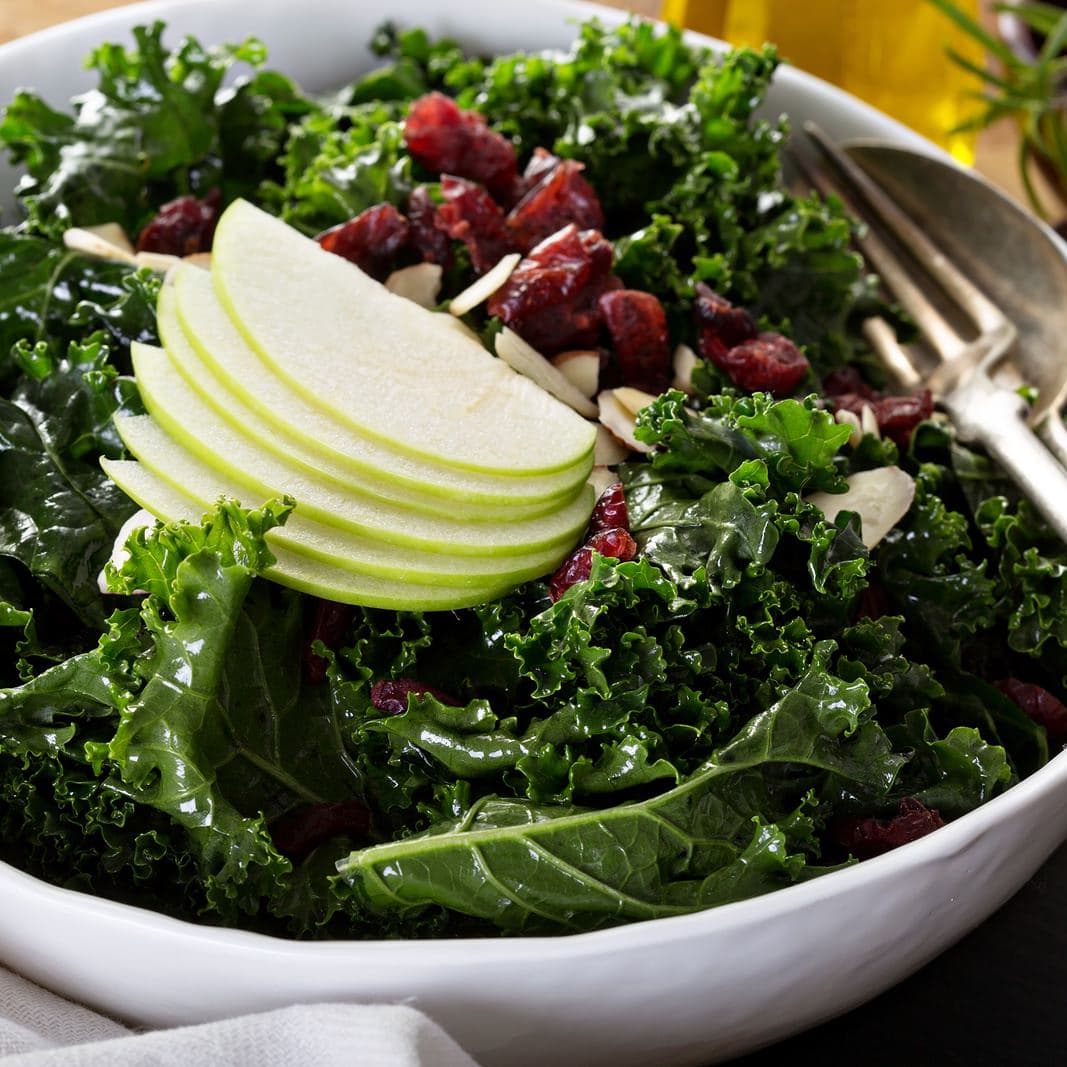
A. Quercetin is a fascinating compound found in foods such as onions, broccoli, berries, grapes, apples and tea. It has potent antioxidant activity and prevents the release of histamine from mast cells (Molecules, May 2016). One test tube study found that it is more effective than cromolyn (NasalCrom) at inhibiting histamine release from mast cells (PLOS One, March 28, 2012).
Many of our readers report that NasalCrom can be helpful for allergy symptoms. It’s nice to know that quercetin might be just as helpful for spring allergies.
Clinical Trials of Quercetin:
There are only a few clinical trials of quercetin for allergy relief. Japanese scientists have compared a quercetin metabolite, isoquercitrin, to placebo for red itchy eyes due to allergies (Allergology International, Sep. 2009). Another study of the same compound also found it helpful against allergy to Japanese cedar pollen (International Archives of Allergy and Immunology, March 17, 2009).
Luteolin, which is a flavonoid similar to quercetin, also acts to inhibit mast cell activation (Central-European Journal of Immunology, Dec. 31, 2018). We are pleased to hear quercetin worked so well for you.
Quercetin Worked for Food Allergies:
Q. There are several foods that give me a histamine reaction, with my eyes itching and swelling and severe fatigue. It took many frustrating years to figure out what was happening to cause these symptoms.
Quercetin has been amazing. If I take it when I eat high histamine foods, I have no symptoms!
A. Thank you for sharing your unique story. We have mostly heard of people using quercetin for seasonal reactions such as spring allergies.
Animal and tissue culture research shows that quercetin can block histamine release (International Immunopharmacology, July 2021). Some scientists have suggested that quercetin or other natural compounds affecting the mast cells that release histamine might be useful supplements for people with allergies (Cells, Nov. 10, 2023). We have seen no studies of this supplement against food allergies, however.
Citations
- Mlcek J et al, "Quercetin and its anti-allergic immune response." Molecules, May 2016. doi: 10.3390/molecules21050623
- Weng Z et al, "Quercetin is more effective than cromolyn in blocking human mast cell cytokine release and inhibits contact dermatitis and photosensitivity in humans." PLOS One, March 28, 2012. DOI: 10.1371/journal.pone.0033805
- Hirano T et al., "Preventative effect of a flavonoid, enzymatically modified isoquercitrin on ocular symptoms of Japanese cedar pollinosis." Allergology International, Sep. 2009. DOI: 10.2332/allergolint.08-OA-0070
- Kawai M et al, "Effect of enzymatically modified isoquercitrin, a flavonoid, on symptoms of Japanese cedar pollinosis: A randomized double-blind placebo-controlled trial." International Archives of Allergy and Immunology, March 17, 2009. DOI: 10.1159/000205582
- Shaik Y et al, "Impact of polyphenols on mast cells with special emphasis on the effect of quercetin and luteolin." Central-European Journal of Immunology, Dec. 31, 2018. DOI: 10.5114/ceji.2018.81347
- Yang C-C et al, "Quercetin inhibits histamine-induced calcium influx in human keratinocyte via histamine H4 receptors." International Immunopharmacology, July 2021. DOI: 10.1016/j.intimp.2021.107620
- Kaag S & Lorentz A, "Effects of dietary components on mast cells: Possible use as nutraceuticals for allergies?" Cells, Nov. 10, 2023. DOI: 10.3390/cells12222602