Immunotherapy is a relatively recent addition to the options for treating various cancers. One of these compounds, nivolumab, works by blocking a protein that keeps immune cells from destroying cancer cells. Such medicines are known as checkpoint inhibitors. Nivolumab belongs to the ominous-sounding category, programmed death-1 inhibitors. Doctors abbreviate this PD-1, which is quicker and less scary.
Does Nivolumab Improve Survival?
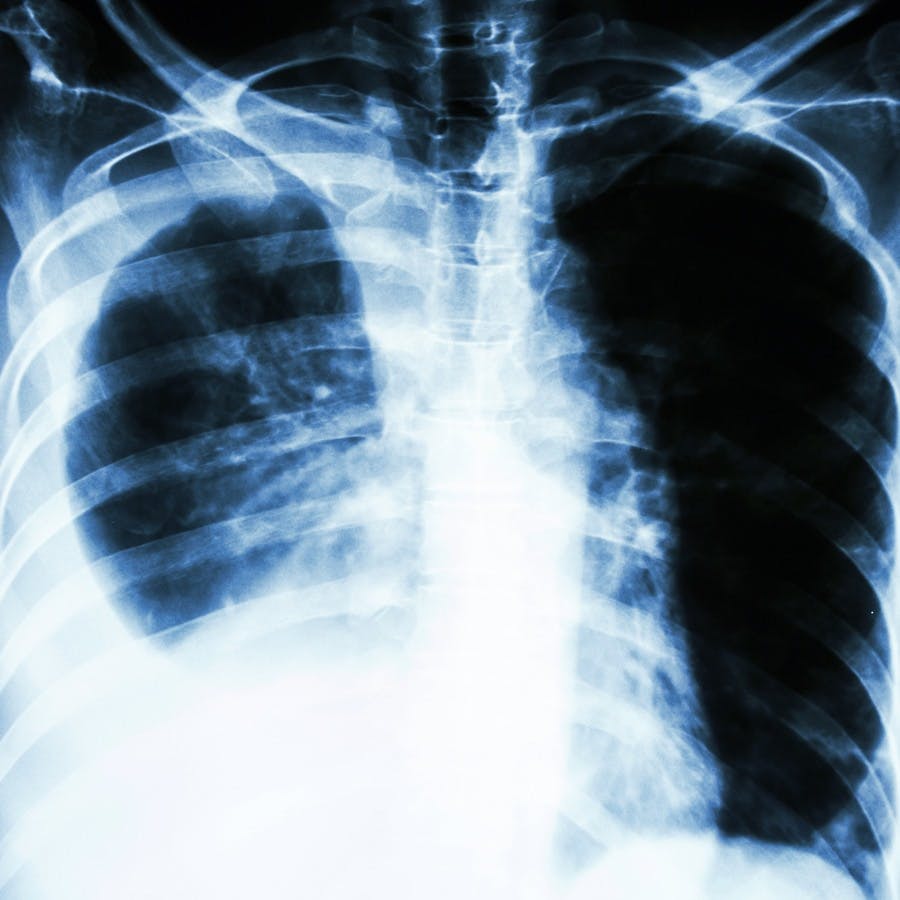
Six years ago, oncologists reported that patients with hard-to-treat lung cancer got significant benefit from nivolumab treatment (World Conference on Lung Cancer, Barcelona, Sep. 10, 2019). The study included 854 people. These individuals had non-small-cell lung cancer that had failed to respond to first-line platinum chemotherapy.
After five years, 13.4 percent of those who received the drug were still alive. In comparison, 2.6 percent of those treated with the standard chemotherapy drug docetaxel survived. The researchers point out that this makes the nivolumab survival rate five times better than chemo for this type of cancer.
Side Effects of Immunotherapy:
Because nivolumab works by affecting the immune system, people on this medication may experience infections, rash and itching, significant fatigue, diarrhea or other more serious side effects. If the immune system attacks the body, people taking this drug may suffer immune-mediated pneumonitis, colitis or hepatitis. People sometimes develop disorders of the thyroid or adrenal glands that are also difficult to treat. Despite these serious side effects, the prospect of improving survival chances five-fold may outweigh the risk for some patients.
Not Everyone Responds to Nivolumab:
Since that time, oncologists have begun using nivolumab (Opdivo) and the related pembrolizumab (Keytruda) to treat many patients with non-small-cell lung cancer. The drugs can be a real boon, but not everyone responds to them as we would wish. Now researchers report a relatively simple hack can nearly double a patient’s chance of survival.
COVID Vaccine Boosts Nivolumab Potency:
Researchers reported that patients with non-small-cell lung cancer who got an mRNA COVID vaccination when they started treatment with nivolumab were almost twice as likely to survive three years than those who remained unvaccinated. The results were presented at the meeting of the European Society for Medical Oncology. The scientists found that 55 percent of those who were vaccinated were still alive three years later, compared to 30 percent of those who did not get the vaccine. They suspect that the vaccine alerts the immune system, waking it up in a sense, and sensitizes the tumor to the PD-1 inhibitor.
These results have not been published in a peer-reviewed journal, something we always want to see before doctors adjust their treatments. But COVID vaccinations are widely available. Oncologists might find them very useful in this new context, fighting off a deadly cancer.