
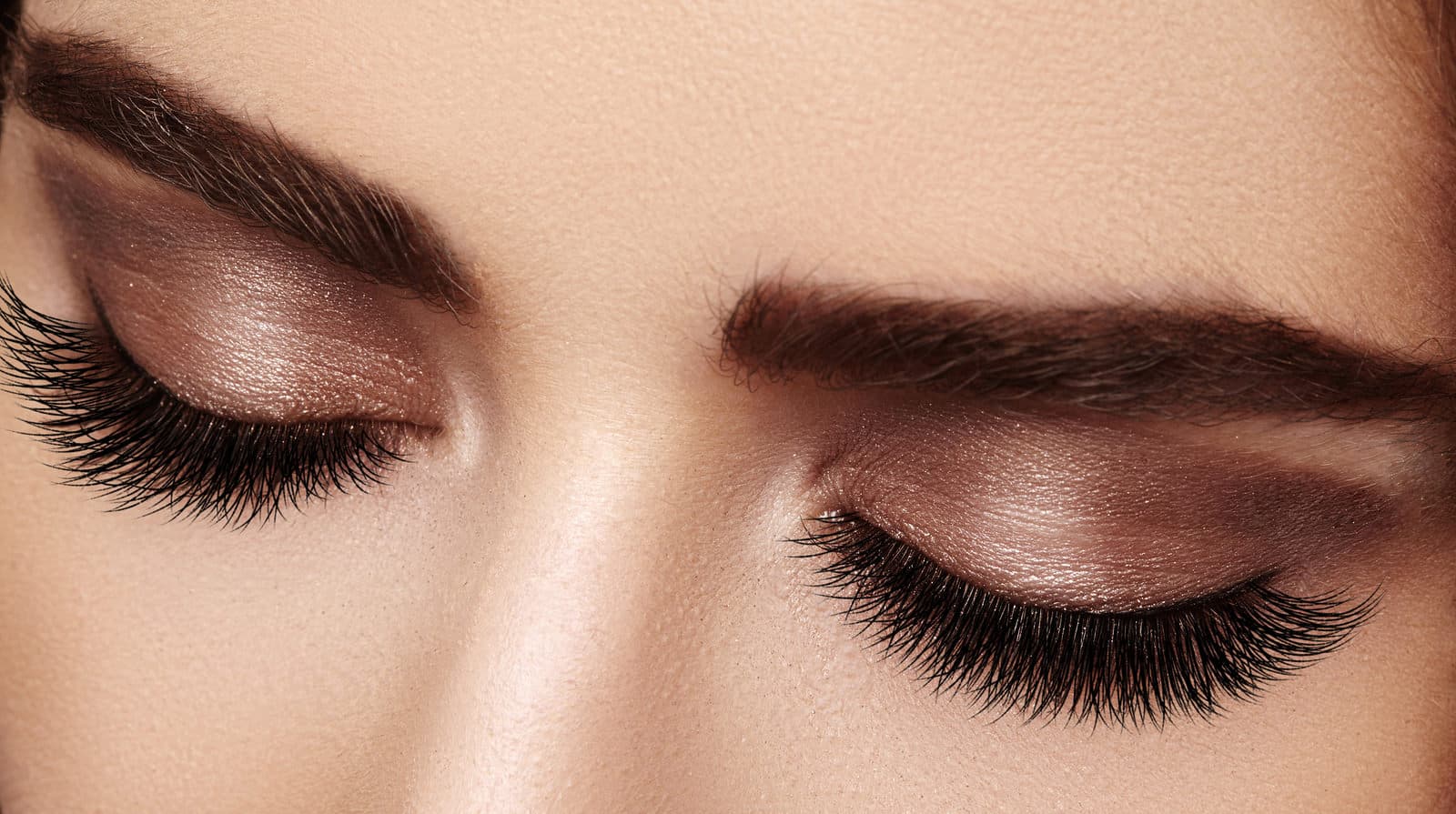
Some very interesting drug developments have happened by accident. Think Viagra, Rogaine and Botox as prime examples. These are now household brands, but they were each developed from something else. Patients helped reveal surprising new uses for sildenafil, minoxidil and botulinum toxin. In each case, the tail wagged the dog! Now add the drug bimatoprost (Lumigan). It was developed to treat glaucoma, but has become popular because lashes grow longer when people put a drop of Latisse on eyelids. Now, a reader shares a fascinating discovery about a similar drug, tafluprost (Zioptan).
When Patient Experience Leads to Drug Breakthroughs
Over the last several decades doctors have embraced the concept of “Evidence Based Medicine” or EBM for short. Drug researchers have taken it a step further. They call it translational medicine or translational pharmacology. The goal is to develop rational drug discoveries that evolve from the laboratory “bench” to the patient’s “bedside.”
I am all for such drug development. But sometimes patient experience also leads to unanticipated drug discoveries.
- Sildenafil was originally developed to treat chest pain (angina). But men in the early studies reported unexpected penile erections as a “side effect.” The rest of the Viagra story is history!
- Minoxidil was developed as a medication for serious high blood pressure. The drug produced a number of adverse reactions in patient volunteers, including bizarre hair growth (hypertrichosis). The rest of the Rogaine story is history!
- Researchers were studying botulinum toxin to treat eye misalignment (strabismus) and blepharospasm (involuntary muscular contractions around the eyes). But patients reported that their wrinkles began disappearing. The rest of the Botox story is history!
Patients Discover that Bimatoprost Helps Lashes Grow Longer
The drug bimatoprost was being developed to treat people with glaucoma. It worked by lowering intraocular pressure. It was administered as eye drops. There was, however, an interesting side effect (JAMA Ophthalmology, October, 2002):
“The most common adverse effects associated with bimatoprost were conjunctival hyperemia and eyelash growth.”
“Conjunctival hyperemia” is doctorspeak for redness of the eye caused by dilated blood vessels. “Eyelash growth” is self-explanatory. Some researchers later described this phenomenon as an “adverse event (AE).” That article was published in the Journal of Clinical and Aesthetic Dermatology, July, 2015:
“Enhanced eyelash prominence was observed in some subjects as an adverse event (AE) in clinical trials examining the ocular antihypertensive properties of bimatoprost. This finding led to evaluations of bimatoprost, a prostamide and synthetic structural analog of prostaglandin F2α, for the treatment of eyelash hypotrichosis, a condition characterized by reduced eyelash growth that can be caused by a number of factors, including aging, heredity, physical trauma, alopecia areata, and chemotherapy. Regardless of etiology, eyelash hypotrichosis may result in an increased risk of ocular injury, as eyelashes play a protective role in keeping small foreign bodies and irritants from the ocular surface.”
FDA Approval of Latisse Because Lashes Grow Longer
Eventually, this repeatedly observed ‘adverse event’ led to the development of Latisse and FDA approval in 2008:
“INDICATIONS AND USAGE
“LATISSE® (bimatoprost ophthalmic solution) 0.03% is indicated to treat hypotrichosis of the eyelashes by increasing their growth including length, thickness and darkness.”
Many years ago we received this message from a reader of our nationally syndicated newspaper column:
Q. My sister has been on Lumigan for glaucoma and her eyelashes are amazing–long and thick! What a nice side effect!
I would love to have my eyelashes grow but I think it would be irresponsible to take a prescription medication just for that.
Other readers checked in to report that lashes grow longer:
“Latisse works well for me. I wear gas permeable contact lenses and am sensitive to eye makeup, even the hypoallergenic mascaras. This product has significantly lengthened/thickened my lashes, and darkened them a bit. At first, I used Latisse nightly; now that I am pleased with my lash growth, I use it every other night or so for maintenance – so, one $100 bottle lasts me about 6 months! (Still, that’s a lot of money to spend.)
“It is crucial to take good care of your eyes. Latisse is not intended for use in the eye, but just along the lash line – it doesn’t require much product, which helps save $; also, by avoiding overly-generous “dosage” you greatly reduce the chance of getting the product in your eye. The day after use, my eyelids are a bit pink in appearance. An esthetician and an eye doctor have told me that eye redness is the most common side effect.
“As an added ‘plus,’ if there is a bit of Latisse left on the applicator brush after using it along my upper lashes, I’ll run the brush through my eyebrows.”
A. Bimatoprost (Lumigan) lowers the pressure in the eyes caused by glaucoma. FDA has also approved bimatoprost as Latisse, a solution applied to the base of the eyelashes to make them grow. Latisse is a prescription drug and rather pricey. Besides stimulating eyelash growth, it can also increase brown pigmentation of the iris, a change that may be permanent.
Side effects of Latisse include itching or redness of the eyes, darkening of eyelid skin, symptoms of dry eye and puffiness around the eyes. Please note the report from the reader that:
“…if there is a bit of Latisse left on the applicator brush after using it along my upper lashes, I’ll run the brush through my eyebrows.”
We will revisit that report momentarily!
Despite the potential for side effects, some readers are enthusiastic. Here is another report:
Q. I love Latisse. I have been using it for over a year to lengthen and strengthen my eyelashes. The plastic surgeon who prescribed it for me told me that no one with blue eyes has had eyes turn brown WHEN USED AS DIRECTED. In other words, used at the lash line and not as eye drops.
I have always had lashes that hit my eyeglasses, and that was annoying. When they grew longer due to the Latisse, my lashes actually turned up and didn’t hit my glasses anymore. I have received unsolicited compliments almost daily, but I’ll admit I have experienced drier eyes with this product.
A Reader Complains that Latisse Pooped Out
Q. Latisse works great for thicker eyelashes, until it doesn’t. There are comments online from people who used it successfully for years, then had it stop working. That’s my experience.
A. Bimatoprost (Lumigan) was originally developed as eye drops to treat glaucoma. People discovered that it also made eyelashes grow longer. That led to the development of Latisse for eyelashes.
We could not find any clinical trials that reported bimatoprost loses effectiveness over time. Side effects that have been reported include eye redness, itch, dry eyes and darkening of the iris and eyelid.
Another Glaucoma-Drug Surprise: Longer Lashes, Thicker Eyebrows
We recently received a “new” report from a reader of our newspaper column. Instead of bimatoprost (Latisse), though, this person was using tafluprost (Zioptan) for glaucoma.
“I have glaucoma and have been using tafluprost eye drops for several years to treat it. My eyelashes got longer and thicker as a side effect. Since tafluprost comes in single-use vials, there is always liquid left over.
“I had almost no eyebrows due to hypothyroidism, so I decided to try using the leftover drops from the tafluprost on my brow line and now I have thicker eyebrows. Bonus!”
Here is our answer:
A. Tafluprost is a prostaglandin-like drug in the same category as bimatoprost. You might recognize these drugs better by their brand names, Zioptan and Lumigan respectively. Doctors prescribe them to treat glaucoma. The manufacturers warn that they can make eyelashes grow longer, thicker and darker as a side effect. These drugs can also color the iris of the eye brown if it was a light color originally.
As you can imagine, thicker eyelashes appeal to many people rather than seeming an unpleasant side effect. The FDA also approved the use of bimatoprost under the brand name Latisse specifically to help grow eyelashes.
At first, we thought we had never heard of using such a drug to grow thicker eyebrows. Then we remembered that years ago another reader had reported doing exactly the same thing with leftover Latisse.
Eyebrows and Hypothyroidism
The last report from a reader of The People’s Pharmacy newspaper column mentioned that “I had almost no eyebrows due to hypothyroidism…” Many people do not realize that a sluggish thyroid gland can lead to thinning eyebrows, especially at the outer edges.
Whenever we see people with missing eyebrows in that area we want to encourage them to get their thyroid gland tested. It is not always a giveaway for hypothyroidism, but it definitely suggests that a blood test might be in order.
You can learn more about this phenomenon at this link:
Concerns About Latisse for People with Glaucoma
People already using Lumigan or another prostaglandin-type glaucoma medicine should not add Latisse without consulting their eye doctor, since it may affect their eye-pressure treatment.
Other possible side effects include eye redness and dryness. There may also be more brown pigment in the iris. Some people have reported skin darkening around the eyelids.
Final Words
Did you find this article of interest? If so, we would be grateful if you would share it with friends and family. We have always been fascinated by patient discoveries…whether they are new uses for old drugs or home remedies.
Many healthcare professionals dismiss the very idea of home remedies because they assume such old wives’ tales are unscientific. But many of these treatments have been passed down from generation to generation because people have found them helpful.
When people discover a new use for an old drug, pharmaceutical companies have learned to pay attention. After all, that is how we ended up with Viagra, Rogaine, Botox and Latisse.
Perhaps some enterprising researchers will actually test tafluprost or bimatoprost to make eyebrows thicker and fuller, thanks to readers of The PeoplesPharmacy.
We love seeing your thoughts in the comment section below. Please share your own story about eyelashes and eyebrows by clicking on the green box that says “View Comments.” You can also comment on someone else’s experience. And if you find home remedies of interest, please consider our book, The People’s Pharmacy Quick & Handy Home Remedies or our eGuide to Favorite Home Remedies in the Health eGuide section of this website. Thank you for supporting our work.
Citations
- Wirta, D., et al, "Bimatoprost 0.03% for the Treatment of Eyelash Hypotrichosis A Pooled Safety Analysis of Six Randomized, Double-masked Clinical Trials," Journal of Clinical and Aesthetic Dermatology, July, 2015, , July, 2015.
- Higginbotham, E.J., et al, "One-Year, Randomized Study Comparing Bimatoprost and Timolol in Glaucoma and Ocular Hypertension," JAMA Ophthalmology, Oct. 2002, doi:10.1001/archopht.120.10.1286

