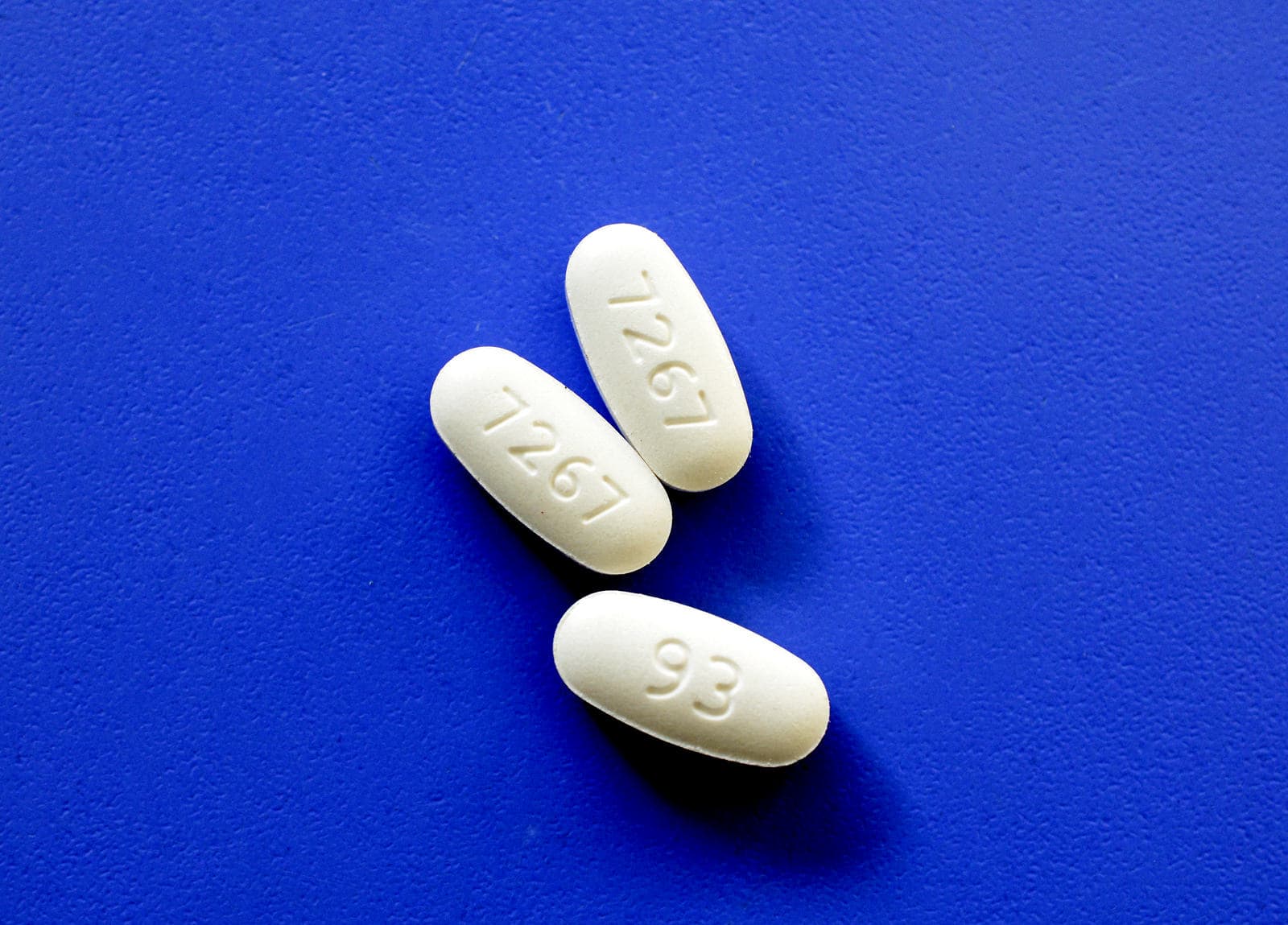
The most prescribed drug in the world for type 2 diabetes is metformin. The last time I checked, more than 20 million Americans were taking this very old and amazingly affordable medication. What has researchers excited, beyond its ability to help control blood sugar, is the drug’s anticancer activity. A brand new study may help explain why metformin slows prostate cancer growth (EMBO Molecular Medicine, April 6, 2026). It appears to create a metabolic response in the body that mimics vigorous exercise.
A Reader Reports Metformin Slows Prostate Cancer Growth:
Q. I have been treated for prostate cancer. My oncologist has recommended that I take the diabetes drug metformin and the cholesterol medication rosuvastatin to reduce my risk of recurrence.
When I told my family doctor I was taking these drugs, he was surprised. He had never heard of this use and said it was off-label. Is there any evidence that these drugs would be helpful against cancer?
A. There are studies to suggest that the diabetes drug metformin could have anti-cancer activity. An overview published in Investigative and Clinical Urology (May, 2016) noted that:
“Use of metformin has been shown to be associated with decreased incidence and improved outcomes of prostate, bladder, and kidney cancer.”
Fast Forward a Decade for an Anticancer Explanation
On April 6, 2026, a fascinating research paper in EMBO Molecular Medicine (April 6, 2026) offered a fascinating clue for why people taking metformin seemed to have lower rates of certain cancers, including prostate cancer.
How Metformin Slows Prostate Cancer Growth
Scientists have identified a molecule called Lac-Phe (short for N-lactoyl-phenylalanine) that plays a key role.
Here’s the twist:
Lac-Phe is normally produced during intense exercise and is linked to:
- Appetite control
- Weight regulation
- Improved metabolic health
The new study found that metformin dramatically increases Lac-Phe levels in men with prostate cancer—even if they are not exercising.
In fact, levels of this molecule in patients taking metformin were similar to those seen after strenuous physical activity.
Why This Matters During Prostate Cancer Treatment
Hormone therapy (androgen deprivation therapy) for prostate cancer can be lifesaving—but it comes at a cost:
- Weight gain
- Loss of muscle
- Increased blood sugar
- Higher risk of heart disease
- Reduced sex drive and erectile difficulties
Exercise can help offset some of these effects, but many patients are too fatigued or unwell to maintain a rigorous routine.
That’s where metformin may come in.
By boosting Lac-Phe, metformin may partially mimic the metabolic benefits of exercise, helping patients:
- Maintain a healthier weight
- Improve metabolic balance
- Potentially tolerate treatment better
In one clinical trial, men taking metformin were less likely to gain weight during ADT therapy compared to those who were not.
A comprehensive review of metformin’s anticancer potential concludes (International Journal of Molecular Sciences, April 6, 2024):
“A notable reduction in the cancer incidence among metformin users has been reported in an observational study, leading to a significant interest in exploring metformin’s potential for cancer prevention and treatment. Several mechanisms of action have been proposed for metformin in the context of cancer.
“Metformin has emerged as a promising candidate for enhancing cancer treatment strategies due to its multifaceted approach in combating tumor formation and overcoming resistance to chemotherapy…By targeting fundamental pathways involved in the development and progression of cancer, metformin provides a versatile tool for oncologists.
“Observational studies and meta-analyses consistently demonstrate a decrease in the cancer occurrence and mortality among individuals treated with metformin, indicating its potential as a preventive agent. Furthermore, preclinical investigations have revealed its diverse mechanisms of action, ranging from metabolic modulation to direct interference with cancer cell growth and survival pathways. These findings highlight the wide range of anticancer effects exerted by metformin, which go beyond its primary use in managing T2DM [type 2 diabetes].”
Exercise vs. Cancer
When most people think about anti-cancer strategies they probably consider screening tests and healthy diet choices. The old slogan from the Americans Cancer Society was: “A checkup and a check.”
Physical activity, however, may be one of the most powerful strategies to both prevent cancer in the first place and reduce the risk of a recurrence (Cancer Communications, Nov. 2023). The authors of this review point out that the following cancers can benefit from exercise:
- Breast
- Stomach
- Liver
- Colon
- Lung
Exercise vs. Prostate Cancer Growth:
Another study found that men with prostate cancer were less likely to die of this malignancy if they were physically active (Medicine and Science in Sports and Exercise, June 2019). A more recent review offers even more convincing evidence that exercise is crucial for improved cancer outcomes (Geroscience, June 2025).
“Exercise and survival benefit in cancer patients: evidence from a comprehensive meta-analysis”
“Cancer remains a major global health challenge, and growing evidence suggests that physical activity is a key modifiable factor that may improve survival outcomes in cancer patients.
“The meta-analysis included 151 cohorts with almost 1.5 million cancer patients. Post-diagnosis physical activity was associated with significantly lower cancer-specific mortality across all five cancer types. The greatest benefit was observed in breast cancer…followed by prostate cancer. Lung cancer patients who engaged in physical activity had a 24% lower risk of cancer-specific death, while colorectal cancer patients experienced a similar benefit.”
Does Metformin Treat Cancer?
Not exactly.
At this point, the evidence suggests that metformin’s biggest benefit may be supporting the body during cancer treatment, rather than directly shrinking tumors.
- Researchers did not find a clear link between Lac-Phe levels and PSA changes
- The drug appears to work more on metabolism than on the tumor itself
That said, better metabolic health is strongly associated with improved long-term outcomes in prostate cancer.
So while metformin may not be a “magic bullet,” it could be an important supporting player.
Metformin Side Effects: What You Should Know
Metformin has been used for decades and is generally considered safe, but like most medications, it does have some side effects.
Common Side Effects
These often improve over time:
- Diarrhea
- Nausea or upset stomach
- Gas and abdominal discomfort
- Indigestion
Taking metformin with food can help reduce digestive symptoms.
Less Common but Important Reactions
- Fatigue or weakness
- Headache
- Skin rash
Long-term use may also affect vitamin B12 levels, so monitoring is recommended.
Rare but Serious: Lactic Acidosis
This is an uncommon but potentially dangerous condition. Symptoms may include:
- Unusual muscle pain
- Trouble breathing
- Extreme fatigue
- Dizziness or confusion
- Irregular heartbeat
Anyone experiencing these symptoms should seek medical attention immediately.
The Bottom Line
So, can metformin slow prostate cancer growth?
The answer is: probably, but indirectly. It appears to simulate intense physical activity. Exercise alone is helpful. We wonder if actual exercise on top of metformin might be better than either alone.
This inexpensive, well-known drug may:
- Improve metabolic health
- Help prevent weight gain during treatment
- Mimic some benefits of exercise
- Potentially support better long-term outcomes
That’s a remarkable shift in how we think about cancer care, not just targeting the tumor, but protecting the whole patient. We will be watching closely as larger and longer studies clarify whether metformin’s role in prostate cancer continues to expand.
We look forward to the day when we have more data on the benefits and risks of metformin against prostate cancer growth. It would be very good news indeed if such drugs could prevent recurrence of this potentially deadly cancer.
Citations
- Bilusic M et al, "The anti-obesogenic metabolite, Lac-Phe, is elevated by metformin treatment in prostate cancer patients." EMBO Molecular Medicine, April 6, 2026. https://doi.org/10.1038/s44321-026-00408-6
- Sayyid RK & Fleshner NE, "Potential role for metformin in urologic oncology." Investigative and Clinical Urology, May, 2016. DOI: 10.4111/icu.2016.57.3.157
- Galal MA et al, "Metformin: A dual-role player in cancer treatment and prevention." International Journal of Molecular Sciences, April 6, 2024. doi: 10.3390/ijms25074083
- Diao X et al, "Physical activity and cancer risk: a dose-response analysis for the Global Burden of Disease Study 2019." Cancer Communications, Nov. 2023. DOI: 10.1002/cac2.12488
- McTiernan A et al, "Physical activity in cancer prevention and survival: A systematic review." Medicine and Science in Sports and Exercise, June 2019. DOI: 10.1249/MSS.0000000000001937
- Ungvari Z et al, "Exercise and survival benefit in cancer patients: evidence from a comprehensive meta-analysis." Geroscience, June 2025. DOI: 10.1007/s11357-025-01647-0