
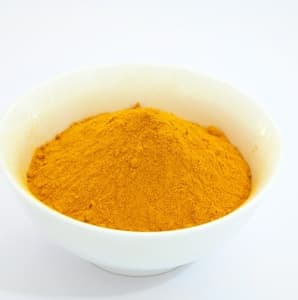
We commend any effort to control health problems with nondrug approaches such as food choice, exercise, meditation, stress relief and so on. But we caution that it is critical to understand that even natural treatments can have undesirable effects. That’s true of turmeric as well. Some unfortunate readers have discovered that for them turmeric raises the risk for profuse bleeding.
Turmeric Raises the Risk for Nosebleeds
Q. I hadn’t had a nosebleed in all my adult life until last year when I got two within four days. Then there were none for months until suddenly I got six nosebleeds in the same nostril within two weeks. The doctor cauterized the bleed and scanned for tumors, and the whole story repeated three months later.
I came to the conclusion that maybe my daily intake of curcumin (15,800 mg of turmeric) could be contributing. I’ve stopped taking it, and so far, ten weeks in, I haven’t had another bleed. I hope that cutting out the curcumin has solved the problem.
A. We have heard from other readers that taking curcumin, an active component of turmeric, can predispose people to nosebleeds. (Keep reading for another story.) Its anticoagulant potential has been confirmed scientifically (BMB Reports, April 2012). The dose of turmeric you report taking is far above the usual amount. (According to Healthline, that ranges from 500 to 2,000 mg daily.)
Violent Nosebleeds Disappeared When Turmeric Was Discontinued
Q. A few years ago, I began taking turmeric as a supplement. Within weeks I began experiencing violent nosebleeds more and more frequently. The only thing I could attribute it to was turmeric, so I stopped taking it. The nosebleeds stopped almost immediately. I have always been susceptible to nosebleeds in heat and dry weather but nothing like these.
A. Thank you for sharing your story. We have heard from other readers that turmeric can interact with the anticoagulant warfarin to increase the risk of bleeding. Only a few people have reported bleeding with turmeric alone.
Turmeric partially blocks the action of platelets that are essential for helping blood clot (Frontiers in Pharmacology, Sep. 15, 2020). That may explain why you experienced such an unpleasant reaction. In addition, other drugs that affect platelets may interact badly with turmeric or its constituent curcumin.
Another Testimonial on Turmeric and Bleeding:
Q. I started sprinkling the spice turmeric on food for its anti-inflammatory properties. One night before bed, I blew my nose and saw a lot of bright red blood. It was very hard to stop the bleeding for at least a half hour.
I continued using the turmeric for a few more days and every night at bedtime my nose would start bleeding. I usually keep a food diary and the only new thing that I had added was turmeric.
Once I stopped using this spice, my nose healed and the bleeding stopped. That was very frightening and I would like others to know that this can happen when taking turmeric.
A. Turmeric and its active component curcumin have become very popular in recent years for both anti-inflammatory activity and potential anti-cancer effects. But we have heard from others that turmeric raises the risk for bleeding.
Be Wary of Pairing Turmeric with an Anticoagulant
In most of these cases the problem occurred when turmeric was combined with another drug that increased the likelihood of bleeding.
One reader noted:
“I started taking turmeric to fight inflammation and got a nasty surprise. I began bleeding at the slightest scratch. It took me a while to figure out that the spice was interacting with the Plavix (clopidogrel) I take to prevent blood clots. I often didn’t even feel the scratch, but it would bleed profusely.”
Another reader reported:
“I have been on Coumadin (warfarin) for 15 years because of an artificial aortic valve. I had read that turmeric was effective in lowering cholesterol and began sprinkling it on broccoli. My INR [a measure of blood thinning] went up dramatically and my pharmacist said, ‘STOP!'”
Learn More:
You can learn more about the pros and cons of turmeric and other spices in our book, Spice Up Your Health: How Everyday Kitchen Herbs & Spices Can Lengthen & Strengthen Your Life.
Citations
- Kim D-C et al, "Anticoagulant activities of curcumin and its derivative." BMB Reports, April 2012. DOI: 10.5483/bmbrep.2012.45.4.221
- Sharifi-Rad J et al, "Turmeric and its major compound curcumin on health: Bioactive effects and safety profiles for food, pharmaceutical, biotechnological and medicinal applications." Frontiers in Pharmacology, Sep. 15, 2020. doi: 10.3389/fphar.2020.01021

 or clopidogrel (Plavix).&message=Turmeric Raises the Risk for Severe Nosebleeds and Bleeding&redirect_asPath=https://www.peoplespharmacy.com/articles/turmeric-raises-the-risk-for-severe-bleeding)