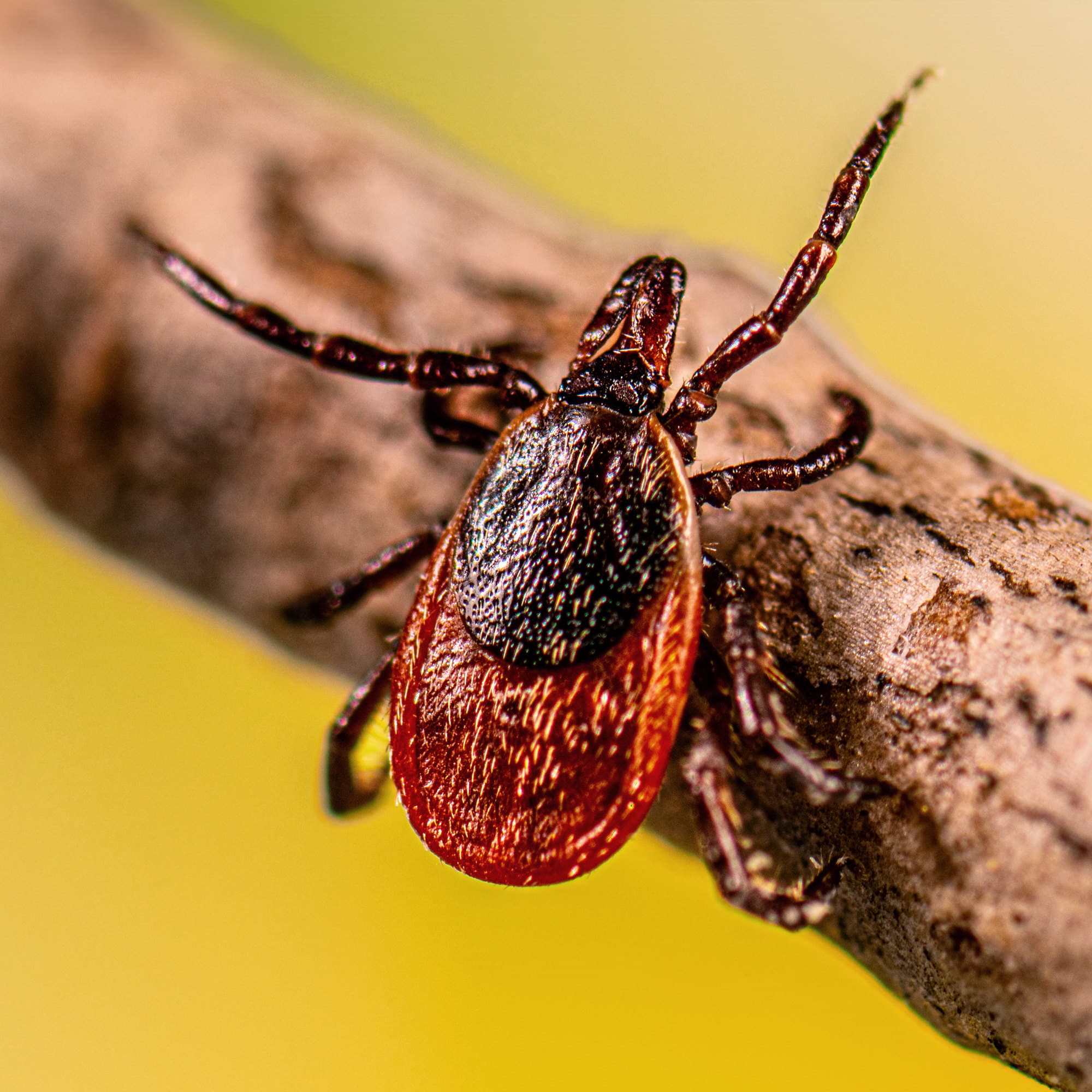
Emergency rooms across America are seeing something alarming this spring. Tick bites are sending people to the hospital at rates not seen in nearly a decade. In some parts of the country, doctors say the numbers are downright shocking. The CDC reports that tick-related emergency visits are running far above historical averages, especially in the Northeast and Midwest. The phrase Tick Bite Explosion may sound dramatic, but the data suggest this season could indeed be one of the worst in years.
Most people know about Lyme disease. Some have heard of Rocky Mountain spotted fever. But many dangerous infections carried by ticks, fleas, mites and biting flies remain almost completely off the public radar. One of the most intriguing—and controversial—is Bartonella, the bacterium best known for causing cat scratch fever. We recently talked with one of the world’s experts, Dr. Ed Breitschwerdt, about “Human Bartonellosis: An underappreciated public health problem?” We think you will want to watch our video podcast on this topic.
Why the Tick Bite Explosion Matters
Experts point to booming deer populations, shifting weather patterns, expanding tick habitats and increased human exposure outdoors as key reasons for the current surge. Some researchers worry that many infections linked to tick bites are going undiagnosed because the symptoms can mimic dozens of other conditions.
Here are some symptoms to watch out for:
- Fatigue
- Brain fog
- Joint pain
- Migraines
- Strange neurological symptoms
- Heart rhythm disturbances
- Psychiatric symptoms
- Memory problems
Could an infection acquired years earlier still be affecting health today? That is something many infectious disease experts find challenging.
But it is one of the questions explored by one of the world’s leading experts on Bartonella infections, Dr. Ed Breitschwerdt of North Carolina State University College of Veterinary Medicine.
A Stealth Infection Hiding Inside Cells?
Dr. Breitschwerdt has spent decades studying Bartonella and other vector-borne infections. His research suggests these bacteria may sometimes persist inside the body’s cells long after an initial infection appears to resolve. That possibility has enormous implications.
Bartonella has traditionally been associated with cat scratch fever, but emerging research suggests it may also be spread by fleas, ticks, biting flies and other arthropods. Diagnosis can be extremely difficult because symptoms are often vague, intermittent and easily confused with other illnesses.
Some patients may never connect their symptoms to a tick bite that happened years earlier.
Our New Video Podcast on Tick-Borne Diseases
If you are reading this article, there’s a good chance you subscribe to our People’s Pharmacy newsletter. But many readers still don’t realize that we also host a nationally syndicated public radio show heard across the country.
Joe Graedon began providing health commentaries for NPR in 1977. WUNC in Chapel Hill, NC became our home station decades ago, and The People’s Pharmacy radio show went national in 1994.
Now we are taking the next step.
We recently launched video podcasts so readers and listeners can actually watch our conversations with leading medical experts.
Watch the Podcast & Learn How to Protect Yourself from Tick Bites
In a recent video podcast, we interview Dr. Ed Breitschwerdt about Bartonella, Lyme disease, Rocky Mountain spotted fever, babesiosis and other tick-borne infections that may be overlooked far too often.
He explains:
- Why tick season may be especially dangerous this year
- How Bartonella infections can become stealthy and chronic
- Why diagnosis is frequently delayed or missed
- How pets and fleas may fit into the picture
- The symptoms families should never ignore
- Practical ways to reduce exposure to ticks and fleas
Watch the People’s Pharmacy Video Podcast Here:
If you find this interview useful, please consider subscribing to our People’s Pharmacy podcast on Apple Podcasts, on Spotify, Youtube as well as on theRSS Feed. And if you know someone struggling with Lyme disease or unexplained chronic symptoms after a tick bite, please share this interview with them.
Prevention May Matter More Than Ever
Dr. Breitschwerdt emphasizes that prevention is still our best defense.
That means:
- Using effective tick repellents
- Checking carefully for ticks after outdoor activities
- Protecting pets from fleas and ticks
- Removing ticks promptly and properly
- Paying attention to unexplained symptoms after insect or tick exposure
A simple tick bite may not always be simple. And during this year’s tick bite explosion, ignoring the danger could be a mistake.
Citations
- Cheslock, M.A. and Embers, M.E., "Human Bartonellosis: An Underappreciated Public Health Problem?" Tropical Medicine and Infectious Disease, April 19, 2019, doi: 10.3390/tropicalmed4020069