Dennis Miller, R.Ph. is a retired chain store pharmacist. His book, The Shocking Truth About Pharmacy: A Pharmacist Reveals All the Disturbing Secrets, can be downloaded in its entirety at Amazon for 99 cents.
When Hype Precedes Humility
Modern medicine has a recurring habit: it falls in love with a drug class before it has lived with it long enough. The early story is almost always the same. A disease is reframed as a manageable biochemical problem. A drug appears to interrupt the pathway. Trials show measurable benefits. Experts cheer. Investors salivate. Physicians are told they are witnessing a turning point.
Then time intrudes. Millions of bodies, unlike trial populations, begin taking the drug for years. People with multiple illnesses, multiple prescriptions, different metabolisms, different diets, and different incentives enter the experiment. Rare harms become less rare. Benefits look more conditional. The wonder drug becomes a managed risk.
The Archive of Disillusionment
History is not short of examples. Thalidomide was promoted in parts of the world as a sedative and anti-nausea drug before its catastrophic association with birth defects made it synonymous with regulatory failure. Diethylstilbestrol, once used in pregnancy with confidence, later became notorious for harms across generations. Fenfluramine-phentermine, the famous “fen-phen” weight-loss combination, was embraced as an answer to obesity before heart-valve and pulmonary-hypertension concerns destroyed its legitimacy. Rofecoxib, sold as Vioxx, was hailed as a gentler anti-inflammatory before cardiovascular risk forced its withdrawal.
These cases differ in mechanism, severity, culpability, and regulatory context. But they share a pattern. The drug entered public consciousness through the language of progress. It exited, or was sharply narrowed, through the language of caution.
The Selective Memory of Pharmaceutical Culture
The pharmaceutical establishment prefers to tell the story of penicillin, insulin, vaccines, and anesthetics. Those stories are real. They deserve respect. But they are not the whole story. The darker archive includes drugs whose risk-benefit profile changed after marketing, drugs whose harms emerged only after mass exposure, and drugs whose cultural meaning shifted from breakthrough to embarrassment.
That archive matters because drug promotion depends on forgetting. Every new class arrives dressed in the confidence of the present. Yesterday’s failures are treated as primitive mistakes made by less sophisticated regulators, less precise science, or less careful clinicians. The implication is comforting: this time is different.
The Obesity Market: A Perfect Storm for Overuse
Few markets invite exaggeration like obesity. The condition is common, visible, stigmatized, psychologically loaded, commercially enormous, and biologically complex. It is influenced by food systems, poverty, stress, sleep, endocrine biology, medications, genetics, urban design, advertising, and social norms. Yet our medical system repeatedly translates this complexity into an individual prescription.
That translation is profitable. A chronic condition treated by a chronic injectable drug is not merely a therapy. It is a business model. The ideal pharmaceutical market is large, recurring, emotionally urgent, and difficult to cure. Obesity fits all four conditions.
Enter the GLP-1 Era
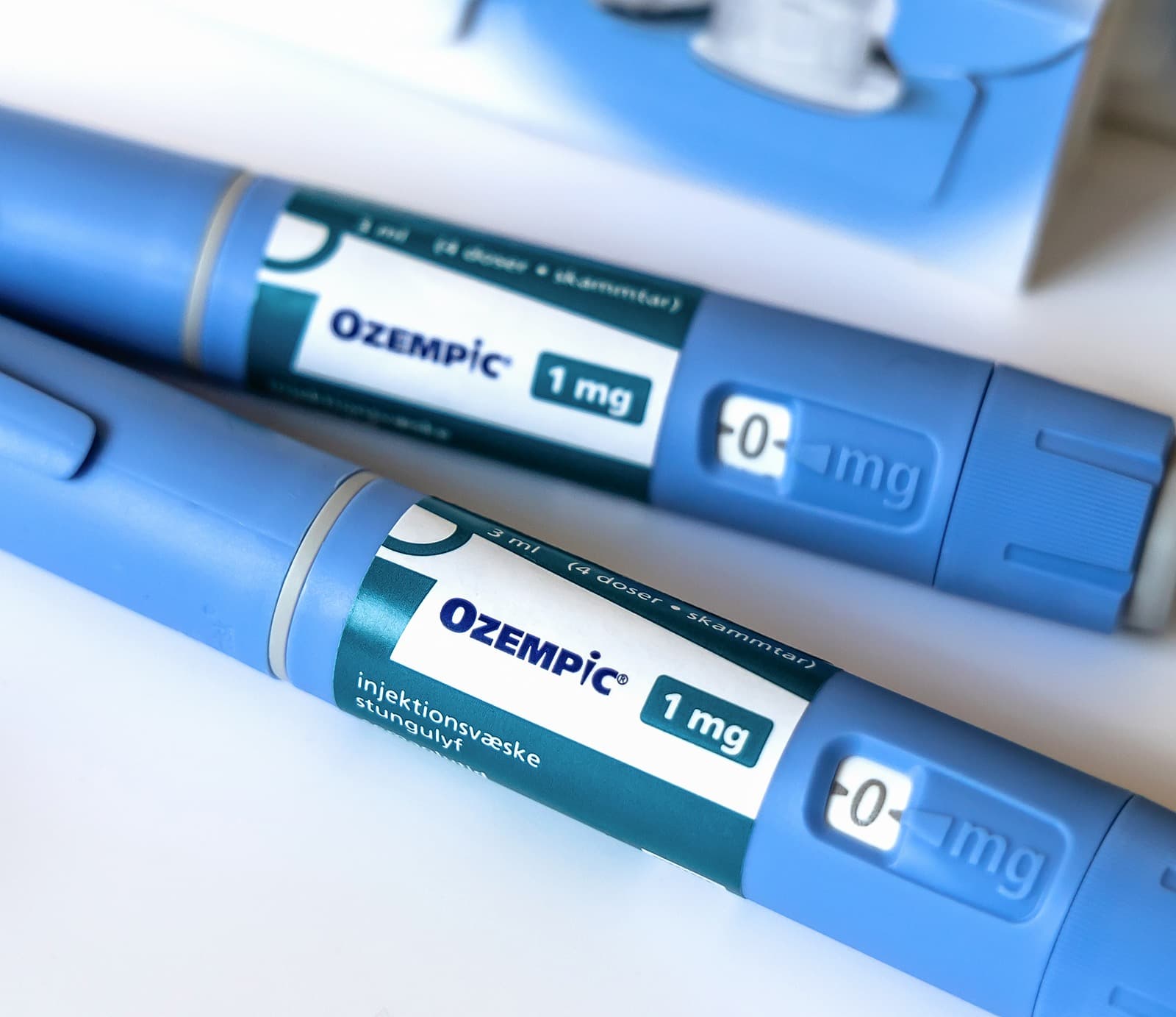
GLP-1 receptor agonists and related incretin-based drugs have undeniably changed the obesity conversation. For many patients, they produce weight loss far beyond the modest effects associated with older anti-obesity drugs. They also appear to improve glycemic control and may have cardiovascular and metabolic benefits in selected populations. To deny their efficacy would be foolish.
But the question is not whether these drugs work. The question is whether the present mood of triumph is intellectually honest. Are we seeing a rational incorporation of useful but imperfect drugs? Or are we witnessing another cycle of pharmacological intoxication, in which early visible benefits drown out long-term uncertainty?
The Side Effects Are Not Footnotes
The adverse-effect profile already deserves more skepticism than the public conversation often allows. Nausea, vomiting, diarrhea, constipation, abdominal pain, gallbladder problems, pancreatitis concerns, loss of lean mass, nutritional compromise, and drug discontinuation are not trivial details. They are part of the therapy.
Nor is the rebound question trivial. If weight returns when treatment stops, then the drug is not a short intervention but a long-term dependency strategy. That may be reasonable for some people. It may also be a stunning admission that medicine has converted a social and metabolic disorder into lifelong pharmaceutical maintenance.
The Unknowns Are the Point
The familiar defense is that these drugs have been studied and are regulated. True. But pre-approval and early post-approval evidence cannot fully answer what decades of use across enormous populations will reveal. This is precisely why post-marketing withdrawals and restrictions exist. The systematic literature on drug withdrawal shows that serious adverse reactions often become clearer only after broad exposure, and that withdrawals have historically been inconsistent across countries and sometimes delayed.
Obesity drugs deserve special wariness because the population eligible for use is so large. A rare adverse effect becomes a public-health issue when the denominator is enormous. A small average loss of muscle mass becomes meaningful if repeated across millions. A modest discontinuation problem becomes a market feature if the drug must continue indefinitely.
The Moral Hazard of the Injection
The GLP-1 boom also threatens to deepen a cultural deception: that metabolic disease can be solved downstream while the upstream machinery remains untouched. Ultra-processed food, sedentary work, stress-driven eating, sleep deprivation, aggressive marketing, and economic inequality are not side issues. They are central causes.
If the drug becomes a social escape hatch, the food industry wins. Employers win. Insurers may win if short-term numbers improve. Pharma certainly wins. But the public may lose if the root causes of obesity are made easier to ignore because a powerful injection can cosmetically and metabolically soften their consequences.
From Broad Enthusiasm to Narrower Use
The likely future may not be total disgrace. That is too simple. More often, drugs are not exposed as useless; they are demoted. The initial fantasy of broad use gives way to narrower indications, more warnings, more exclusions, more monitoring, and more candid discussions about who truly benefits.
That may be the fate of GLP-1 anti-obesity drugs. They may remain valuable for patients with severe obesity, diabetes, high cardiometabolic risk, or repeated failure of other approaches. But the current cultural fantasy—that pharmacology has finally cracked the obesity code—may look naïve in retrospect.
The Real Test Is Not the Scale
The real test is not whether GLP-1 drugs reduce weight over months. They do. The harder test is whether they remain broadly acceptable after years of use, discontinuation, cost pressure, adverse-event reporting, lean-mass concerns, pregnancy questions, pediatric expansion, off-label enthusiasm, and the moral exhaustion of treating social pathology with private injections.
Medicine should use powerful drugs when the evidence justifies them. But it should stop pretending that early efficacy equals permanent wisdom. The graveyard of overpraised therapeutics is not an argument against treatment. It is an argument against amnesia.
The Question We Should Be Asking Now
Will GLP-1 drugs be remembered as one of medicine’s durable advances, or as another episode of uncontrolled hype followed by sobering recognition of adverse effects, discontinuation problems, cost barriers, and a much narrower role than first imagined?
We do not know yet. That uncertainty should be the center of the conversation, not an afterthought. The lesson of past drug disappointments is not that every new therapy is doomed. It is that the loudest applause often comes before the longest evidence has arrived.
Dennis Miller, R.Ph. is a retired chain store pharmacist. His book, The Shocking Truth About Pharmacy: A Pharmacist Reveals All the Disturbing Secrets, can be downloaded in its entirety at Amazon for 99 cents.