After a steady stream of disappointing Alzheimer’s headlines—most recently the failure of an antiviral drug to slow the disease—it’s hard not to greet any “good news” with cynicism. So when a large, 25-year study in Neurology (January 27, 2026) reported that people who ate more high-fat cheese had a lower Alzheimer’s and dementia risk, our reaction was cautious curiosity. Cheese is hardly what most people expect to see on a list of brain-protective foods. In fact, most cardiologists and neurologists would probably say that cheese—loaded with saturated fat—would increase the risk of dementia. Yet this long-term research suggests that diet and dementia risk may be more complicated—and more confusing—than we’ve been led to believe.
High-Fat Dairy Has Been Vilified for Decades:
Let’s be honest. Modern medicine has painted a bullseye on lots of foods it considers bad. Highest on the bad food list was almost anything with saturated fat. That used to include olive oil because it contains 2 grams of sat fat per tablespoon. Other foods that were forbidden because of saturated fat content included avocados, eggs, steak and pretty much all full fat dairy products.
Such foods were supposed to clog our coronary and carotid arteries and lead to heart attacks and strokes. We were also told that high saturated fat intake would increase our risk for developing Alzheimer disease and dementia (Current Alzheimer Research, 2018).
The High Dairy Fat Flip Flop!
The study that has a great many researchers, nutrition experts and dietitians shaking their heads in despair was just published in the respected journal Neurology, (January 27, 2026). It involved 27,670 participants over 25 years of follow-up. During that period of time 3,208 volunteers developed dementia. Let’s cut right to the chase!
The authors describe their findings regarding high-fat cheese and a lower Alzheimer’s and dementia risk:
“In this Swedish population, we found that higher intake of high-fat cheese and high-fat cream was associated with a lower risk of all-cause dementia, independent of lifestyle factors, other dairy products, and diet quality. High-fat cheese intake was associated with a lower risk of AD among APOE ε4 noncarriers. The intake of other dairy products was not associated with all-cause dementia risk.“Our results are in line with findings from a Finnish cohort study, which showed a lower risk of dementia with higher cheese intake, and a UK Biobank–based study, which observed a lower risk with higher intake frequency (once a week vs no consumption”
The authors mention a Japanese study involving 946 “cases” that did not find a benefit from high-fat cheeses. But they go on to say:
“Furthermore, 4 cross-sectional studies from Japan, the Netherlands, or the United Kingdom consistently supported that higher cheese intake was associated with better cognitive function in older adults. Our study strengthens and extends previous evidence with the longest follow-up period to date and a large number of dementia cases, suggesting that the observed inverse association was mainly driven by cheese with higher fat content.”
Push Back from Nutrition Experts Who Don’t Believe High-Fat Dairy Can Lower Alzheimer’s Disease:
The New York Times (December 17, 2025) published some of the concerns of the editorialist:
“The study had several limitations and should be ‘interpreted with caution,’ said Dr. Tian-Shin Yeh, a physician and nutritional epidemiologist at Taipei Medical University in Taiwan, who wrote an editorial published alongside the new study. For one thing, the researchers assessed the participants’ diets just once, at the start of the study. People may have changed how they ate in the decades that followed.
“The researchers conducted a ‘substitution analysis’ to understand how swapping in more of one food (high-fat cheese, for example) in place of another affected participants’ risk for dementia. The results of this analysis showed that eating cheese instead of high-fat red meat or processed meat was associated with a lower risk of disease, Dr. Yeh said. That suggests that cheese may be a better option than those less healthy foods, but the study can’t show that it is ‘inherently neuroprotective,’ she said.”
Dr. Willett told CNN:
“I’m not running out to buy a block of cheese”
“Their finding for cheese was at the margin of statistical significance and they looked at multiple foods, so this might be just due to chance.”
Dr. Sonestedt told CNN:
“’Our research suggests that people who ate more high-fat cheese had a slightly lower risk of developing dementia later in life,’ said senior study author Emily Sonestedt, a senior lecturer and associate professor of nutrition at Lund University in Sweden.”
“’This does not prove that cheese prevents dementia, but it does challenge the idea that all high-fat dairy is bad for the brain’”
Which Cheeses Seemed Helpful?
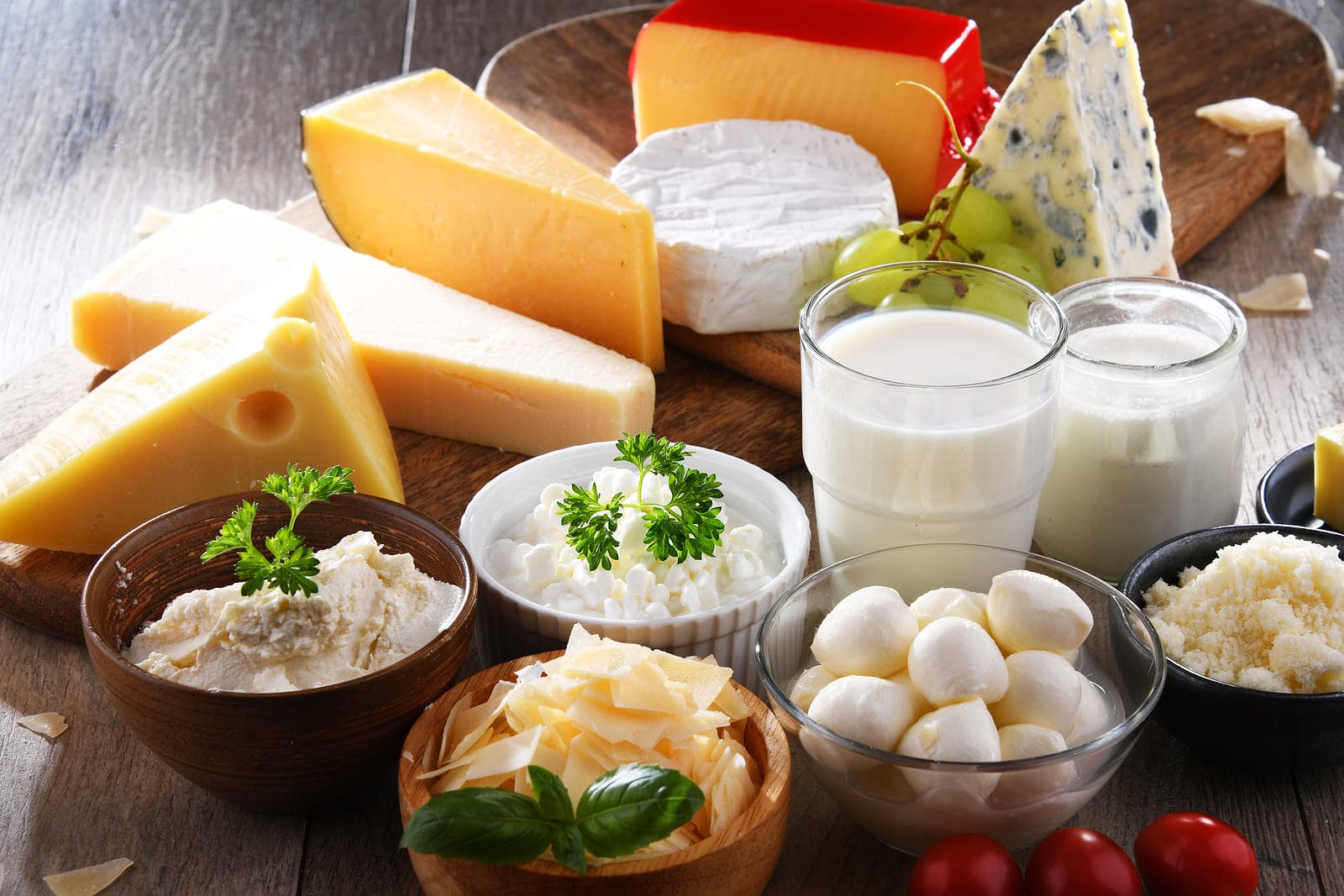
What is a high-fat cheese? To find cheese that is greater than 20% fat, you would be looking for Cheddar, Gouda and Brie for starters. Other options include blue cheese, provolone, mascarpone and cream cheese. The researchers defined high-fat cheeses and cream if they exceeded 20% fat content.
Will they protect your brain to lower Alzheimer’s and dementia risk? That is probably not resolved. There are not very many studies that last 25 years and it would take about that long to determine the impact of food on brain function.
What I do know is that saturated fat may not be the enemy. My recent article on this topic was titled:
Rethinking Saturated Fat: Were Nutrition Experts Wrong?
New research challenges long-held prohibitions—how long until nutrition experts start rethinking saturated fat restrictions? What about you?
I hope you will take a moment to read that article to get an overview on saturated fat based on recent research. You might also want to read Terry’s article this week:
Saturated Fat Reconsidered: New Research Challenges Old Dogma
Is your doctor’s nutrition advice outmoded? Many physicians still warn against saturated fat, though they need a more nuanced message.
Please take a moment to add your feedback. I know people who would love to put a little cream in their coffee, but hesitate to do so because a healthcare professional warned them that it would clog their arteries.
What Do You Think?
Could high-fat dairy help lower Alzheimer’s or dementia risk?
Or is this new Swedish study too much for you to swallow? I would love your thoughts on this study and research on saturated fat. You can add your perspective in the comment section below. If you know someone who might enjoy reading if Gouda is good or Cheddar is better, please send them a link to this article. You can do that by scrolling to the top of the page and clicking on the email or social media icons. Thank you for supporting our work.
Citations
- Du, Y., et al, "High- and Low-Fat Dairy Consumption and Long-Term Risk of Dementia Evidence From a 25-Year Prospective Cohort Study," Neurology, Jan. 27, 2026, https://doi.org/10.1212/WNL.0000000000214343
- Ruan, Y., et al, "Dietary Fat Intake and Risk of Alzheimer's Disease and Dementia: A Meta-Analysis of Cohort Studies," Current Alzheimer Research, Volume 15, Issue 9, 2018, DOI: 10.2174/1567205015666180427142350
- Yeh, T-S, "High-Fat Dairy and Cognitive Health: What Are the Alternatives?," Neurology, Jan. 27, 2026, doi: 10.1212/WNL.0000000000214587