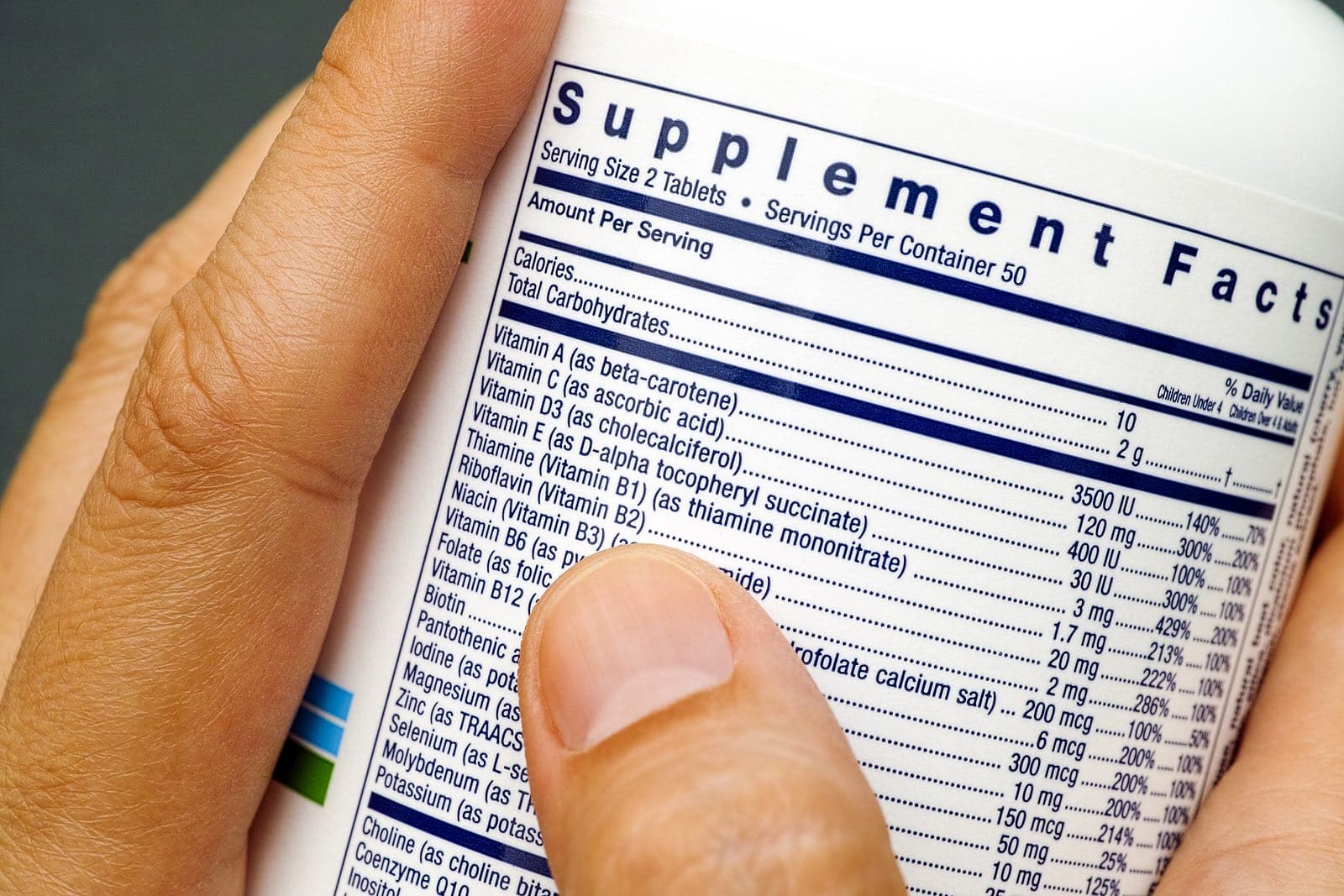
Many people think of a multivitamin as nutritional insurance—a small daily investment to protect long-term health. Maybe you are one of them. I admit that I am. But a new report from the independent testing laboratory, ConsumerLab.com, suggests that nearly one-third of multivitamins may not meet quality standards. That’s enough to make anyone wonder: what’s really in that pill? What could be missing?
Do not count on the FDA to monitor vitamin quality! They do not even do a mediocre job ensuring quality when it comes to powerful prescription medications. I would be amazed if the FDA ever tests vitamins.
We have known and respected Tod Cooperman, M.D., the founder of ConsumerLab.com, for decades and have long considered his organization’s independent testing to be among the most rigorous in the dietary supplement industry. He was instrumental in testing a generic form of the antidepressant bupropion (Wellbutrin) a long time ago. It was his research that helped us discover problems with some generic formulations. That ultimately led the FDA to pull some from the market because they were not bioequivalent.
Not All Multivitamins Are What They Claim
In its latest Multivitamin and Multimineral Supplements Review, ConsumerLab.com tested 28 popular products. It reported that nearly one-third of the multivitamins that were tested failed to meet quality standards.
Let us be very clear: These are ConsumerLab’s findings, not People’s Pharmacy’s testing. We are reporting their results because we believe independent testing is important and helpful for consumers.
Examples of Problems Found
According to ConsumerLab, some multivitamins that were “Not Approved” had problems. Among the examples cited in the report were:
- Kirkland Signature [Costco] Organic Multivitamin
- Rainbow Light High Potency Women’s One Daily Multivitamin
- Garden of Life Vitamin Code 50 & Wiser Women
ConsumerLab reported issues such as products containing much less of a nutrient than listed on the label, while others contained much more than the labeled amount, and some provided very high doses of certain nutrients that approach or exceed established upper safety limits.
Again, we want to emphasize that these evaluations were conducted and reported by ConsumerLab, not by The People’s Pharmacy.
Price Doesn’t Predict Quality
One especially interesting finding: price was not a reliable indicator of quality. ConsumerLab reported that multivitamins ranged in cost from just a few cents a day to more than $2 a day, but higher cost did not necessarily mean better quality.
ConsumerLab’s Top Pick
ConsumerLab did identify several multivitamins that passed testing and were designated as “Top Picks.” Their Top Pick for a general adult multivitamin was DEVA Vegan Multivitamin, which costs about 15 cents a day and provides key nutrients and minerals that many people may not get enough of from food alone.
The report also includes Top Picks for specific groups, including men, women, adults over 50, prenatal vitamins and children.
Do You Even Need a Multivitamin?
Research on multivitamins has produced mixed results. Some studies suggest modest benefits, while others show little effect on heart disease, cancer or longevity for well-nourished adults. However, certain groups may benefit from supplementation, including:
- People with limited or restricted diets
- Older adults
- Pregnant women (prenatal vitamins)
- People with certain medical conditions that interfere with nutrient absorption
How to Learn More
The full Multivitamin and Multimineral Supplements Review is available through ConsumerLab.com. The service is subscription-based, but it provides access not only to this multivitamin report but also to independent reviews of hundreds of other dietary supplements and health products. Here is just a tiny list of the kinds of products you will see reviewed:
- Almond Milk
- Apple Cider Vinegar
- Avocado Oils
- Beetroot Juice and Supplements
- Chia Seed
- Chocolate
- Energy Bars
- Extra Virgin Olive Oil
- Krill Oil
- Magnesium Glycinate
- Melatonin
- Quercetin
- Zinc
If you take a multivitamin—or are thinking about starting one—this report might well be worth a look. One thing is clear from the testing: not all multivitamins are created equal.