 The People's Perspective on Medicine
Herb Library Index
Learn about herbs with thought to have medicinal value and general health benefits, including important details such as background, history, active ingredients, uses, does, precautions and adverse effects.
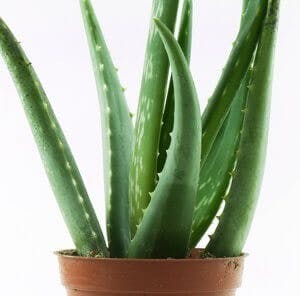
Aloe Vera
Aloe vera is a popular houseplant with medicinal potential. There are nearly five hundred species of aloe, a type of plant that originated in southern Africa, near the Cape of Good Hope. The use of aloe goes back in history. There are pictures of aloe plants on some Egyptian temples. The Greek physician Dioscorides wrote […]

Arnica
Arnica montana is a perennial flowering plant native to southern Russia and other mountainous areas in Europe. In Germany, A. montana is a protected species, so the pharmacopoeia there includes the very similar species A. chamissonis. (French and Swiss pharmacopoeias do not permit this substitution.) Vernacular names include leopard’s bane and mountain tobacco. There are also […]

Bilberry
“Bilberry” sounds a lot like “blueberry,” and for good reason. The bilberry is a European blueberry. American blueberries are Vaccinium corymbosum. Huckleberries and whortleberries are also closely related. Although blueberries in the United States are noted primarily for their excellent contributions to pies and jam, in Europe the dried fruit has long been considered an […]

Black Cohosh
This plant, native to North American forests, has a number of popular names: bugbane, black snakeroot, rattleroot, and squaw root. It sends up graceful tall spires of white flowers; the black in its common name refers to the root or rhizome, as does cohosh, Algonquian for “rough.” Native Americans prized black cohosh and used it […]
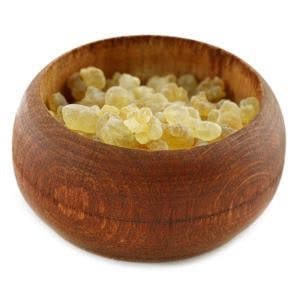
Boswellia
Frankincense, like myrrh, is featured in the Bible story about the three wise men visiting the infant Jesus. Like myrrh, frankincense is a resin from a tree in the family Burseraceae. (Guggul is another resin from Boswellia carteri, a tree in that family.) Frankincense comes from Boswellia sacra, a tree that grows in Somalia and […]

Cascara Sagrada
Cascara sagrada, Spanish for “sacred bark,” comes from the American buckthorn tree (Rhamnus purshiana) native to the western coast of North America, from California to British Columbia, and as far inland as Montana. The Spanish priests of California may have learned about it from the Indians. Its primary use has been as a laxative. In […]
Cat’s Claw
Cat’s claw, or uña de gato as it is also called, has piqued many people’s interest lately, first because it comes from remote and exotic rain forests, and second, because it is believed to act on the immune system. Both species referred to as cat’s claw are climbing woody vines (lianas) in the Amazon forest. […]

Cayenne
The Capsicum genus originated in the New World but has been adopted into cuisines around the globe. It contains as many as five species, with an untold number of variants, giving rise not only to the familiar green bell pepper, but also to paprika and a wide range of “hot peppers.” The flavors of these […]

Chamomile
Two different plants carry the common name chamomile. One of them, M. chamomilla, is sometimes referred to as Hungarian, German, or genuine chamomile to distinguish it from C. nobile, Roman or English chamomile. The older terminology for C. nobile is Anthemis nobilis. These very popular herbs are used almost interchangeably. Their chemistry is somewhat different, […]
Cranberry
Cranberries are a traditional part of the Thanksgiving feast in America, where V. macrocarpon is part of the native flora. Recent interest in cranberries, however, goes beyond sauce or relish. A traditional women’s belief (or old wives’ tale) that cranberry juice can be beneficial for urinary tract infections was discounted by doctors until a study […]
Dong quai
The term “dong quai” (a Chinese name that is sometimes transliterated tang-kuei or dang-gui) refers to a plant known either as A. polymorpha var. sinensis or simply as A. sinensis. As the name suggests, this member of the celery family comes out of the traditional Chinese pharmacopoeia. In China, it is even more widely used […]

Echinacea
Echinacea is the name of a genus of native North American plants with reddish or purplish flowers. There are nine species, but only three of them (E. angustifolia, E. pallida, E. purpurea) are used as botanical medicines. Gardeners may recognize echinacea as the purple coneflower. Echinacea was used traditionally by many Native American tribes to […]
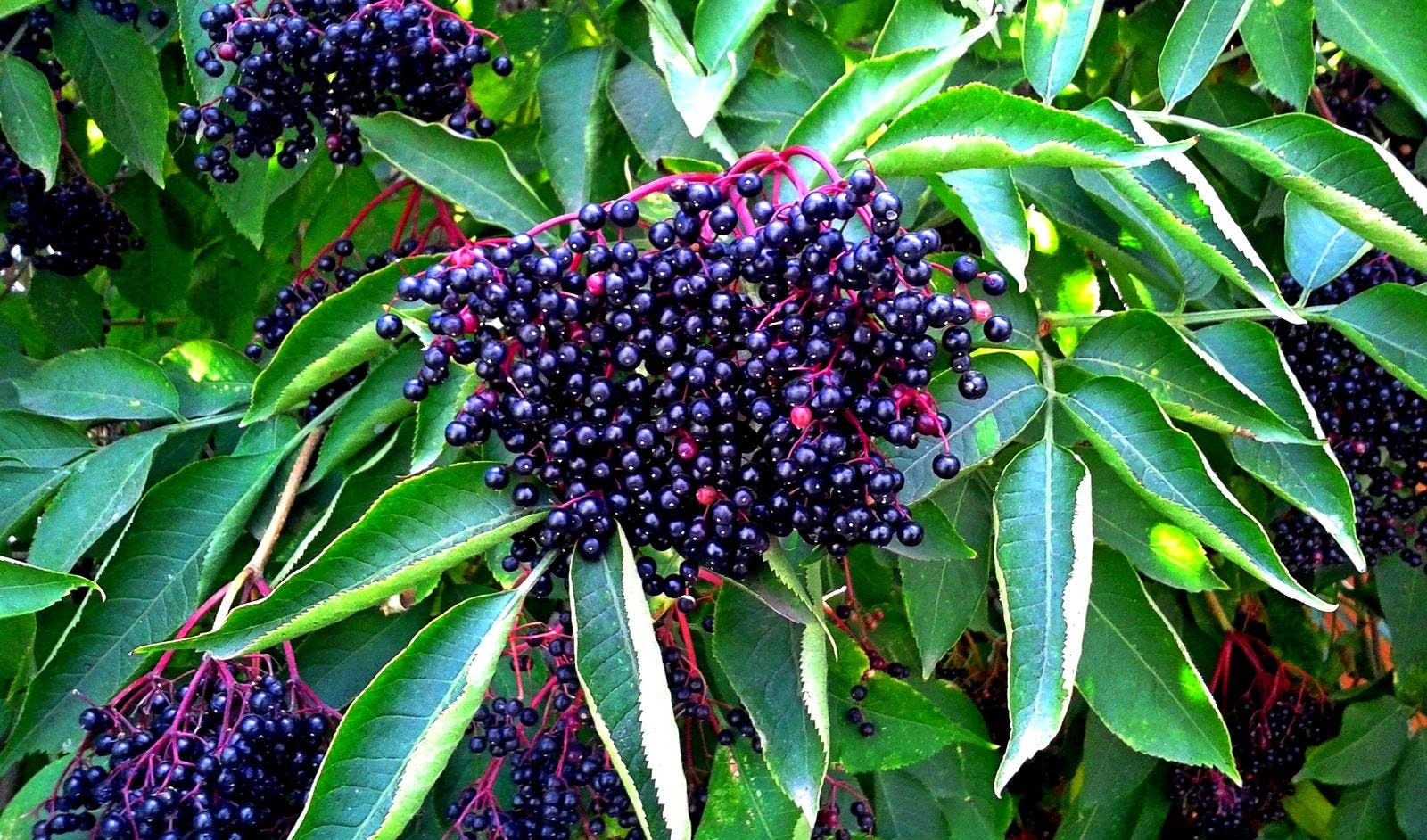
Elderberry
Sambucus canadensis, the American elderberry, is a large shrub native to much of North America. It bears white flowers early in the summer and dark, almost black, berries in the late summer. Both the flowers and the berries have been used as food and for making wine. According to James Duke, “Elder Blow [flower] wine […]

Evening Primrose
The evening primrose is native to North America, where it grows like a weed. Not really a primrose, it is sometimes called “sun drop.” The large yellow flower opens late in the day and lasts only one evening, then produces lots of small seeds. Presumably, these seeds were carried to Europe early in the history […]

Fennel
This member of the celery family is a well-known herb native to southern Europe and western Asia, but it was known in ancient China (as xiao hui xiang) as well as in India, Egypt, and Greece. In the Middle Ages it was prized as a vegetable and indeed is appreciated for its flavor today. Colonists […]
Feverfew
Feverfew was used by Greek physicians to treat “melancholy,” which may have included headaches as well as depression. The English used it into the seventeeth century for symptoms that might translate today into vertigo, depression, and headache, as well as for lowering fever. It faded from popularity after that, and during the eighteenth and nineteenth […]

Garlic
Garlic is valued in many parts of the world for its pungent aroma and flavor. It is possible that garlic’s biological activity and popularity in Mediterranean cuisines contribute to the healthful effects of the “Mediterranean diet.” Most investigations of garlic’s health benefits have considered its medicinal rather than culinary uses, however. Medicinal use of garlic […]

Ginger
Ginger (Zingiber officinale) is a popular seasoning for foods in many different cuisines. In China and Southeast Asia where it probably originated, it has also been put to a range of medicinal purposes. It is considered good for the digestion and beneficial against congestion. One of our favorite home remedies for colds is a cup […]

Ginkgo
Ginkgo biloba is one of the most popular botanical medicines in both Europe and America, but Chinese healers take the prize. They have been using this ancient tree for thousands of years to treat asthma and cold injury to fingers and toes, as well as to aid memory. The roasted seeds were traditionally used in […]

Ginseng
Ginseng has been used for more than two millennia in China, where the earliest written description of its use appeared in a medical book written during the Han dynasty, before a.d. 100. At that time, the expert recommended it for “repairing the five viscera, quietening the spirit, curbing the emotion, stopping agitation, removing noxious influence, brightening […]

Goldenseal
Goldenseal (Hydrastis canadensis) is a perennial plant that grows wild in wooded areas of North America, from New England to the southern Appalachians, and west to Arkansas and Minnesota. The Cherokee and the Iroquois had many medicinal uses for goldenseal. Settlers learned some of these traditions, but surprisingly little research has been conducted on the plant […]
Gotu Kola
This Asian species is reputed to bring long life to the user. According to the Sinhalese proverb: “Two leaves a day will keep old age away.” As the story goes, people in Sri Lanka noticed that elephants, animals known for their longevity, included Centella leaves in their diet. Extrapolation suggested that this creeping herb of […]
Grapeseed
Seeds of the fruit of the vine, once discarded as waste after the juice was pressed out for wine, have become the source of a popular dietary supplement. Grapes were first cultivated near the Caspian Sea, and their use as food and drink had spread throughout the Mediterranean world before the Bible was written. The […]

Green Tea
Until a few years ago, tea might have seemed more appropriately addressed in a cookbook than in a book about herbs. This beverage is probably the most frequently consumed in the world after plain water. To be sure, it has the requisite ancient history, with its use going back more than three thousand years in […]
Guggul
Guggul (Goo-gall) is a resin from a tree native to India. This resin has long been used in Ayurvedic medicine, which combined it with other plant products to cleanse and rejuvenate the body, especially the blood vessels and the joints. It was also used for sore throats and digestive complaints. In Chinese medicine, guggul is […]
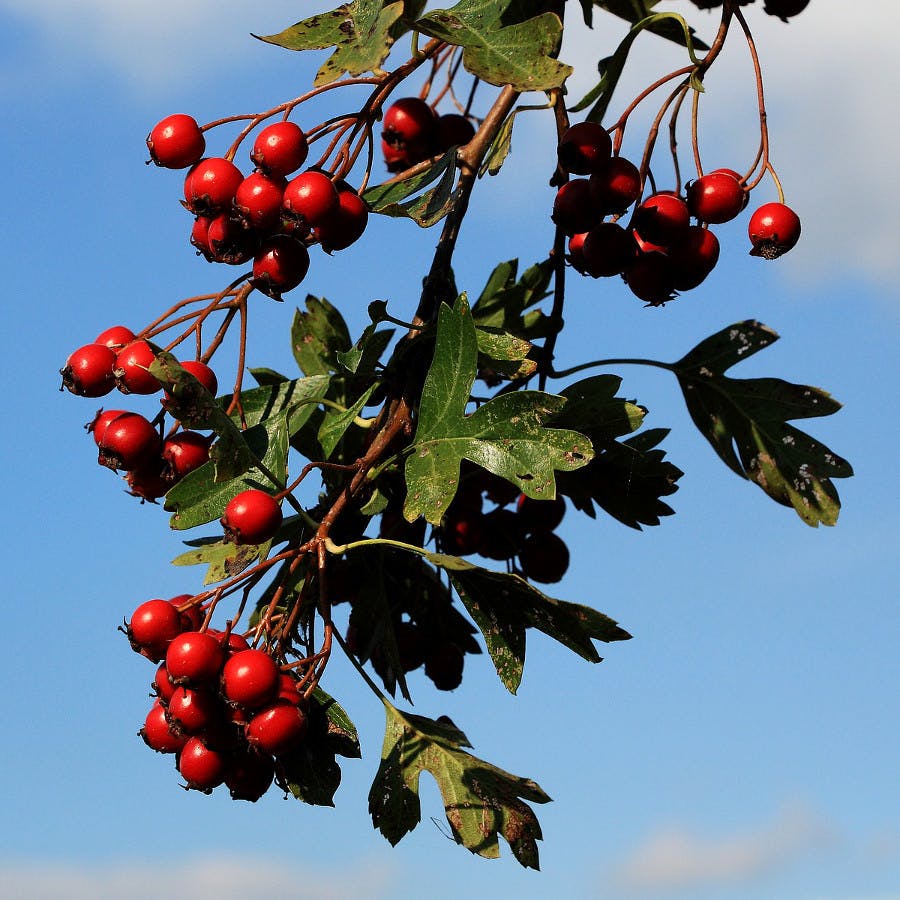
Hawthorn
Hawthorn (Crataegus laevigata) is a small thorny tree with white flowers and red berries that grows in England and throughout Europe. C. laevigata is only one species; related species have slightly different chemical profiles. Knowledgeable herbalists use them for similar purposes, however. History of Hawthorn: Although hawthorn was known and used by the Greek physician […]

Hops
Hops have been used to flavor beer for nearly a thousand years. This plant, a member of the same family as marijuana, is cultivated commercially in England, Germany, the Czech Republic, and the United States, as well as parts of South America and Australia. The part of the plant used, the cone-like fruits (technically “strobiles”) […]
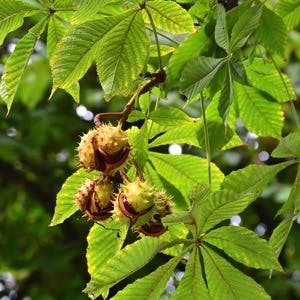
Horse Chestnut
Horse chestnut trees originated in northern India, the Caucasus, and northern Greece but have long been grown throughout Europe. Relatives in the same genus grow in the United States as California buckeye (A. californica) and Ohio buckeye (A. glabra). The seeds of these plants are toxic, however. Horse chestnut bark and leaves, as well as […]
Juniper
This small evergreen is one of several juniper species native to the northern hemisphere. It has the distinction, however, of being the principal flavoring for a commonly used alcoholic beverage, gin. The aromatic “berries” (actually cones of this evergreen) have also been used in herbal medicine for at least three hundred years and perhaps longer. […]
Kava
Kava (or kava-kava) has an important place in the cultures of many islands of the South Pacific. Traditionally, it was painstakingly prepared and consumed with great ceremony and considered a sacred drink. It was also used to greet important visitors and in other ceremonial occasions, but elders in the community also drank it in the […]
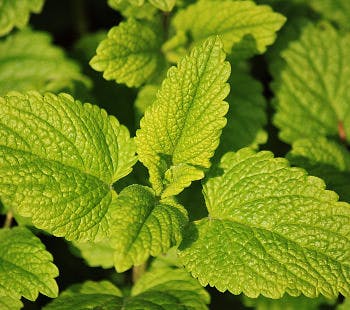
Lemon Balm
Lemon balm (Melissa officinalis) is originally a native of the Mediterranean area and western Asia, but it has long been popular in Western Europe, including England. It is frequently used as an attractive edible garnish, and it can be made into tea. The leaves give off a delightful lemony aroma when they are crushed or torn […]
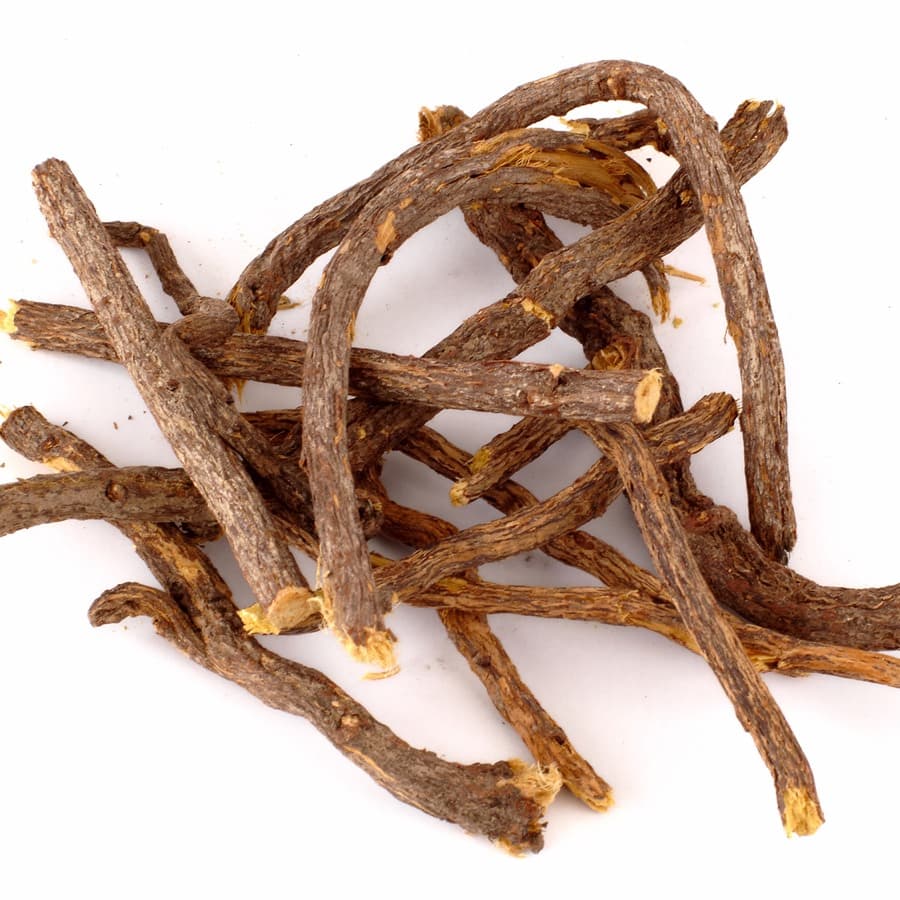
Licorice
The roots of this plant are widely used, not only in European herbal medicine but also in the traditional Chinese pharmacopoeia. In China and parts of Russia, the species used is G. uralensis; it is known in Chinese as gan cao. The scientific name for the genus refers to the sweet taste of the root. […]
Ma Huang
Ma huang, Chinese ephedra, was used to treat asthma, or at least wheezing, five thousand years ago. The Herbal Classic of the Divine Plowman described it as an herb of “middle class,” referring to its perceived usefulness rather than to a social standing. It has been part of the Chinese herbal pharmacopoeia ever since, and […]
Milk Thistle
Milk thistle, also referred to as St. Mary’s thistle, lady thistle, or holy thistle, originated in the Mediterranean region and was grown and used as a vegetable throughout Europe. It was brought to the United States and has adapted to life in the wild in California and along the East Coast. It is a tall […]
Oregon Grape
Oregon grape, also known as Barberry, B. vulgaris, was highly regarded as a useful and even necessary herb in Europe from Elizabethan times and through the eighteenth century. The English settlers brought it with them to America, where they extended the name and reputation of barberry to natives of the west and Northwest. These handsome […]

Passion Flower
Several species of Passiflora are native to the Americas, but the one generally used as a botanical is P. incarnata. This perennial vine grows wild in the southeastern United States as far north as Virginia and as far west as southeast Kansas. It is sometimes called maypop or apricot vine because of its edible fruits. […]
Pau d’Arco
Pau d’arco, known as lapacho colorado in Argentina and Paraguay and as ipe roxo in Brazil, is a good example of the lure of the exotic. This South American native has been used medicinally by several indigenous groups. There are several species of Tabebuia, and most appear to be broad-leaved evergreen trees with very hard […]
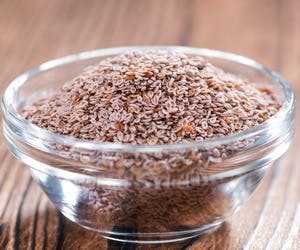
Psyllium
Psyllium seeds (also known as blond psyllium or ispaghula) are derived from a species of plantain that is native to India and Iran. The seeds are small and reddish-brown, with no distinctive aroma and almost no flavor. They absorb water and become surrounded with mucilage that has excellent emulsifying power and is prized as a laxative. Active […]
Red Clover
This familiar plant is native to Europe, northern Africa, and central Asia, but red clover is also grown for pasturage and as a rotation crop in the Americas and Australia. (Nodules on the roots fix nitrogen, enhancing the soil.) American children traditionally love hunting in a patch of red clover for a rare four-leaf specimen […]
Saw Palmetto
Saw palmetto, also called sabal palm, grows in the southeastern United States. Its dark berries were traditionally made into a tea and taken for urinary problems or sexual difficulties. During much of the nineteenth century, saw palmetto berry extract was included in the National Formulary, a list of acceptable medicines, to treat the symptoms of […]
Scullcap
Scullcap is a member of the mint family and a native of North America, where it thrives in moist woodlands. Common names for it include helmetflower, hoodwort, and mad-dog weed (from its introduction into American medicine in 1773). A physician in New Jersey, Dr. Lawrence Van Derveer, claimed it was useful in treating hydrophobia (an […]
Senna
Senna (Senna alexandrina) has a place in medical history going back to the ninth century when Arabian physicians introduced Europeans to this powerful laxative. The plant is native to the Nile in Sudan and Egypt and had been used for centuries before Europeans learned about it. The Arabic word “sena” and the Greek “cassia” both refer to the […]
Siberian Ginseng
This shrub, a Russian relative of China’s popular herb ginseng, also grows in northeast China, on the northern Japanese island of Hokkaido, and in Korea. In Russia, it occurs in forest undergrowth and margins. In China, this herb is called ci wu jia, and this name has appeared on some packaging in the United States […]
Slippery Elm
Slippery elm trees are native to North America and grow in moist but not waterlogged woods of eastern Canada and the United States. The colonists were familiar with the use of bark from other elm species to treat coughs and sore throats in England and as a poultice for broken bones or wounds. It was […]

St. John’s Wort
Overview St. John’s wort (Hypericum perforatum) has long been used in Europe for treating mood disorders and has become very popular in the United States. The plant itself is a perennial native to Europe, but it has adapted well to North America and grows as a weed in many places. (Indeed, it is sometimes called […]
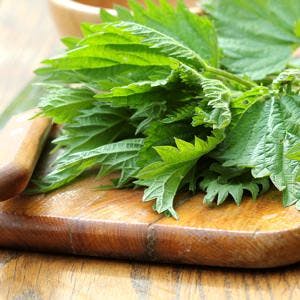
Stinging Nettle
Stinging nettle is native to Europe, but it has become established in North America and now grows in Canada and throughout the United States. It is best known for its ability to provoke an impressive rash (urticaria) that stings for up to twelve hours after contact with the tiny toxic hairs of the plant. Stinging […]

Valerian
Valerian is a perennial plant that grows readily in Europe, North America, and northern Asia. A number of related species have been used by herbalists throughout history, but the exact kinds and amounts of chemical constituents vary. Valeriana officinalis is the plant used medicinally in Europe, and it has become popular in the United States […]
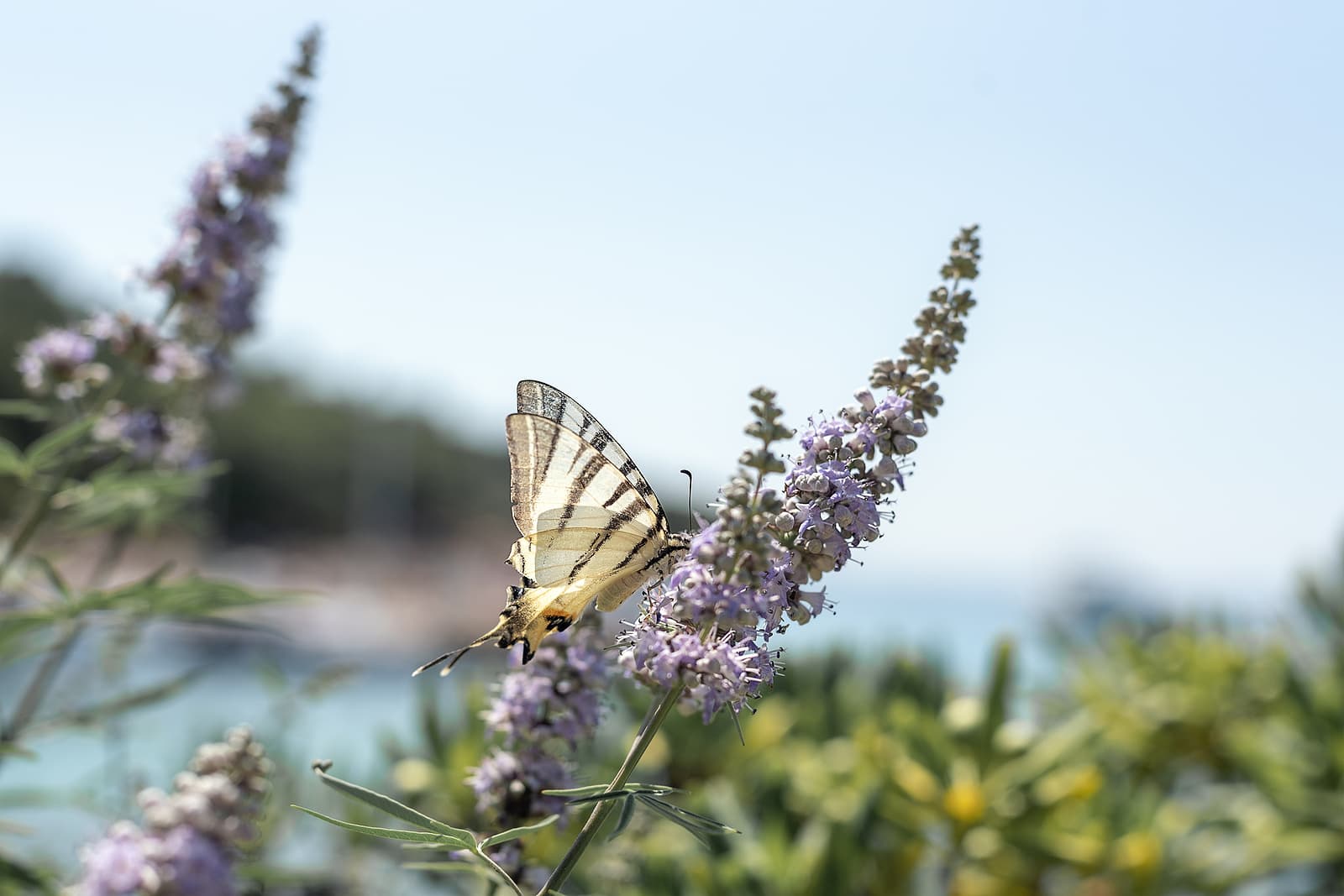
Vitex agnus-castus (Chaste Tree Berry)
Vitex agnus-castus, also known as chaste tree, is a large shrub (up to twenty-two feet tall) native to the Mediterranean and southern Europe. Although it flourishes on moist riverbanks, it is easily grown as an ornamental plant in American gardens, where its attractive blue-violet flowers are appreciated in midsummer. Why Is Vitex Called “Chaste Tree?” […]

We're empowering you to make wise decisions about your own health, by providing you with essential health information about both medical and alternative treatment options.
The People's Perspective on Medicine© 2026 The People's Pharmacy
All Rights Reserved