
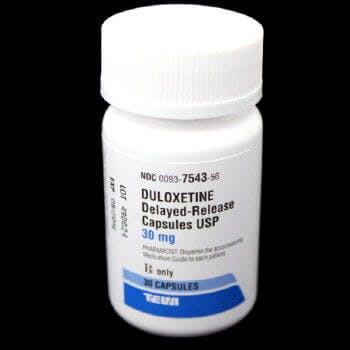
iThe Food and Drug Administration originally approved duloxetine (Cymbalta) as an antidepressant decades ago. The agency subsequently gave this drug the green light to treat diabetic nerve pain, fibromyalgia, generalized anxiety disorder and chronic musculoskeletal pain. That distinction matters because people who take duloxetine for pain may have no history of depression at all.
If patients taking antidepressants for psychological problems develop symptoms after stopping the medications, some health professionals have historically blamed the underlying depression rather than the drugs. But what happens when someone who was taking duloxetine for fibromyalgia pain, rather than depression, develops disabling symptoms while trying to stop?
That is exactly what happened to the nurse who wrote to us in this week’s nationally syndicated People’s Pharmacy newspaper column.
Duloxetine for Fibromyalgia Pain Led to Withdrawal Hell:
Q. I have taken duloxetine for three years for severe fibromyalgia. I am a nurse, so I was reluctant to start it, but my physician said that “it is the best medication we have on the market for your pain.” I looked it up and didn’t find any information about withdrawal concerns, or I would have declined.
This drug hasn’t helped my pain, but I started to have random foot and hand movements. Coming off the med is hell. I take Dramamine twice a day to help with the nausea and dizziness. I also have brain fog so bad, I can’t find the words I want to say. People talking to me sound like they are a mile away.
I wouldn’t wish fibro on anyone, but even more, I couldn’t wish duloxetine withdrawal on my worst enemy. I am taking one day at a time and hope it will get easier!
A. Duloxetine (Cymbalta) received FDA approval to treat depression in 2004. Four years later the agency approved this drug to ease symptoms of fibromyalgia.
The Cochrane Collaboration is one of the most respected organizations analyzing the benefits and risks of medications. Its review of duloxetine for the pain of fibromyalgia was disappointing (Cochrane Database of Systematic Reviews, Feb. 28, 2018). The investigators concluded:
“On average, the potential benefits of duloxetine…in fibromyalgia were outweighed by their potential harms.”
Discontinuing duloxetine can be difficult, whether it was prescribed for depression, musculoskeletal pain or fibromyalgia. It requires careful medical supervision. Symptoms may include dizziness, nausea, headache, sweating, irritability, anxiety, insomnia and fatigue.
One physician prefers to switch patients to fluoxetine (Prozac). This longer-lasting medication can gradually be discontinued. Some patients tell us that they remove a few beads from duloxetine capsules to achieve gradual dose reductions over several months to a year.
To learn more, you may wish to read our eGuide to Dealing with Depression. The discontinuation process is the same regardless of the reason you are taking duloxetine. Our eGuide discusses various strategies to accomplish this goal. The online resource may be found under the Health eGuides tab.
Why This Duloxetine Story Is So Important
We have been hearing complaints about duloxetine (Cymbalta) side effects and withdrawal for years. What makes this particular story especially revealing is that the reader was not taking duloxetine to treat depression. She was taking it for the physical discomfort of fibromyalgia.
That matters because withdrawal symptoms from antidepressants have too often been confused with a return of the psychiatric condition for which the medicine was prescribed. Imagine someone who has been taking an antidepressant for years. They reduce the dose and suddenly become anxious, irritable, dizzy or emotionally unstable. It may be tempting for a clinician to conclude: The depression or anxiety is coming back. Better stay on the medicine.
But that explanation is a lot less convincing when the drug was prescribed for fibromyalgia, diabetic nerve pain, arthritis or chronic back pain.
Researchers have specifically warned that antidepressant withdrawal can be mistaken for relapse (Journal of Affective Disorders, Nov 1, 2022). A systematic review of clinical guidelines found that withdrawal symptoms may resemble the symptoms of depression returning and that many guidelines provide surprisingly little practical detail about managing discontinuation.
The authors introduce their review this way:
“While estimates vary, withdrawal symptoms seem to occur in about half the patients who discontinue or reduce the dose of antidepressants, and half of those who experience them rate the symptoms as severe in surveys. The potential symptoms are diverse and may, among others, include flu-like symptoms, dizziness, shaking, fatigue, electric shock sensations, anxiety, emotional lability, lowering of mood, irritability, and bouts of crying. Withdrawal effects usually last for weeks, but can be long-lasting and persist for months or even years.”
“Clinical practice guidelines provide scarce and inadequate information on antidepressant withdrawal symptoms and limited guidance for distinguishing withdrawal symptoms from symptoms of relapse.”
That strikes us as an enormous problem.
A patient deserves to know before swallowing the first pill that stopping it later might be very difficult.
Doctors Now Recognize Antidepressant Withdrawal
Decades ago, doctors did not know nearly as much about how to stop medicines like duloxetine. Patients experiencing anxiety, irritability or strange sensations after discontinuing such drugs might have been told that their underlying psychological problem had returned.
We now know that withdrawal is very real (Psychotherapy and Psychosomatics, July 17, 2018). Researchers reviewing serotonin-norepinephrine reuptake inhibitors (SNRIs) concluded:
“Withdrawal symptoms occurred after discontinuation of any type of SNRI.”
The investigators went on to challenge the widespread use of SNRIs without adequate attention to withdrawal.
What are Some SNRIs?
- Desvenlafaxine (Pristiq)
- Duloxetine (Cymbalta)
- Venlafaxine (Effexor XR)
What About SSRI-Type Antidepressants?
- Sertraline (Zoloft)
- Escitalopram (Lexapro)
- Fluoxetine (Prozac)
- Citalopram (Celexa)
- Paroxetine (Paxil)
More recent research reinforces the concern. A 2025 systematic review and meta-analysis involving nearly 18,000 participants found increased discontinuation symptoms after people stopped antidepressants. Dizziness, nausea, vertigo and nervousness were among the symptoms significantly associated with stopping treatment.
Importantly, the investigators did not find that discontinuation itself was associated with increased depression symptoms in the studies that measured them. That distinction between withdrawal and relapse deserves much more attention.
Another systematic review reported that longer antidepressant exposure was associated with a higher incidence of withdrawal symptoms (Molecular Psychiatry, May 2025).
The History of Duloxetine (Cymbalta)
As mentioned, the FDA originally approved Cymbalta in 2004 for major depression. It is an SNRI-type antidepressant. In doctorspeak, that means it affects the neurotransmitters serotonin and norepinephrine. The FDA also approved Cymbalta to treat nerve pain associated with diabetes in 2004.
In 2007, the drug got a green light for generalized anxiety disorder. Then in 2008, the FDA approved it for fibromyalgia. The agency approved duloxetine in 2010 to treat chronic musculoskeletal pain, including discomfort associated with osteoarthritis and chronic low back pain.
In other words, this was a medication that might relieve your blues and your aches and pains. It became extremely popular.
But there was a catch.
Duloxetine (Cymbalta) Side Effects:
People taking duloxetine have reported a very wide range of side effects, including the following:
- Nausea, stomach pain, constipation, diarrhea, decreased appetite and vomiting
- Dry mouth
- Insomnia, anxiety and tremor
- Dizziness, fatigue and sleepiness
- Sweating and hot flashes
- Blurred vision
- Headache
- Sexual dysfunction, lowered libido, erection difficulties and difficulty achieving orgasm
- Liver injury
- Serious skin reactions
- Angle-closure glaucoma
- Blood pressure changes
- Bleeding problems
- Drug interactions, including the possibility of serotonin syndrome
- Seizures
- Suicidal thoughts and behavior, especially in younger people
The official FDA prescribing information contains a lengthy discussion of adverse reactions and withdrawal.
A list like that can make anyone’s eyes glaze over. That is why we have always believed that stories from real people help readers understand what such reactions can actually feel like.
Stopping Duloxetine (Cymbalta)
Side effects are one concern. Getting off duloxetine can be another.
The FDA acknowledges that symptoms following abrupt or tapered discontinuation can include:
- Dizziness
- Headache
- Nausea
- Diarrhea
- Paresthesia or unusual nerve sensations
- Irritability
- Vomiting
- Insomnia
- Anxiety
- Excessive sweating
- Fatigue
The prescribing information recommends a “gradual reduction in the dose rather than abrupt cessation.”
That sounds reasonable, until you think for more than 5 seconds. Unfortunately, the FDA does not tell doctors what gradual actually means.
Is it:
- A week?
- A month?
- Three months?
- A year?
Here is the official FDA prescribing information
That absence of practical guidance has bothered us for years.
Many Prescriptions but No Exit Strategy
Here is a reader who ran into trouble with duloxetine (Cymbalta) because of sexual side effects:
Q. I have been taking duloxetine DR capsules (Cymbalta) twice daily for acute anxiety for a year. No one warned me about the negative sexual side effects of the medication.
I stopped taking it cold turkey five days ago. I have strange hot flashes that make my face turn red and feel warm. I have also had other problems, including loud tinnitus and dizziness. It’s all strange, but I’m trying to fight my way through. Do you have any advice on stopping duloxetine?
A. Physicians prescribing duloxetine or many other antidepressants should warn patients about sexual side effects. These can include lower libido and inability to achieve orgasm.
Many people find it challenging to get off duloxetine. The FDA lists discontinuation symptoms but offers little practical guidance beyond recommending gradual dose reduction.
We discuss strategies readers have used in our eGuide to Dealing with Depression.
The Health eGuides can be found here.
Even Short Exposure May Trigger Withdrawal Symptoms
How long does someone have to take an antidepressant before withdrawal becomes possible? No one can answer that question precisely.
One reader reported:
Q. My psychiatrist prescribed duloxetine last month for depression. I had to stop after five days because I couldn’t sleep. My muscles hurt and clenching my jaw gave me a non-stop headache. I felt terrible.
It’s been over three weeks since I stopped and I am still having withdrawal symptoms. I can’t even shake my headache. I won’t try this class of antidepressants again.
A. Duloxetine is not the only antidepressant that can trigger unpleasant withdrawal symptoms after stopping. Patients frequently describe sweating, nausea, headaches and dizziness. Some describe electric shock-like sensations popularly called “brain zaps.”
People differ greatly in their susceptibility.
What Did the FDA Hear About Duloxetine (Cymbalta) Withdrawal?
Years ago, the Institute for Safe Medication Practices (ISMP) reviewed reports submitted to the FDA through its QuarterWatch program.
The organization reported a signal for serious withdrawal symptoms associated with duloxetine. During one quarter of 2012 alone, the FDA received 48 case reports identifying duloxetine as the suspect drug. The reports included blackouts, suicidal thoughts, tremor and nausea, with several patients requiring hospitalization.
QuarterWatch also reported that withdrawal symptoms had occurred in roughly 44% to 50% of patients who abruptly discontinued duloxetine in clinical studies.
Doctors frequently call this “discontinuation syndrome.”
We understand why that terminology appeals to health professionals. It sounds less alarming than “withdrawal.”
But for people who experience brain zaps, vertigo, vomiting, uncontrollable crying or overwhelming anxiety, the word withdrawal may feel considerably more accurate.
Antidepressant Withdrawal or Depression Coming Back?
This distinction is crucial. A person who becomes anxious or emotionally unstable after stopping an antidepressant may be experiencing withdrawal rather than a recurrence of the original illness.
That possibility is receiving increasing scientific attention. A 2024 systematic review found that health professionals themselves identified numerous barriers to stopping long-term antidepressants, including concerns about withdrawal, lack of confidence managing discontinuation and uncertainty over responsibility for helping patients get off the drugs (Journal of Affective Disorders, July 1, 2024).
Another review of antidepressant withdrawal interventions concluded that tapering duration appears to matter and criticized many studies for withdrawing medications too rapidly and potentially confusing withdrawal symptoms with depressive relapse (International Journal of Risks & Safety in Medicine, May 1, 2024).
This brings us back to our nurse with fibromyalgia.
She was not taking duloxetine because she was depressed. Consequently, blaming her dizziness, nausea, brain fog and other symptoms on a recurrence of depression makes very little sense.
Finally, Washington Is Talking About Deprescribing
Something unusual happened in Washington this year.
On May 4, 2026, the Department of Health and Human Services announced an initiative aimed at reducing inappropriate psychiatric prescribing. HHS Secretary Robert F. Kennedy Jr. specifically called for deprescribing when clinically indicated as well as greater informed consent, transparency and shared decision-making.
HHS announcement:
“The U.S. Department of Health and Human Services (HHS) today announced efforts to curb psychiatric overprescribing at a MAHA Institute summit on mental health and overmedicalization. As the closing speaker, HHS Secretary Robert F. Kennedy, Jr. laid out a new action plan to promote appropriate psychiatric prescribing and drive deprescribing when clinically indicated.
“Today, we take clear and decisive action to confront our nation’s mental health crisis by addressing the overuse of psychiatric medications—especially among children,” said Secretary Kennedy. “We will support patient autonomy, require informed consent and shared decision-making, and shift the standard of care toward prevention, transparency, and a more holistic approach to mental health.”
Whatever people may think about Secretary Kennedy or the broader MAHA agenda, those particular principles should not be controversial. Patients should know the benefits and risks of a psychiatric medication before starting it.
And if stopping the medicine can produce significant withdrawal symptoms, that information should be part of the conversation from day one.
The challenge now will be turning those promises into useful guidance at the doctor-patient level. Saying “deprescribe appropriately” is not enough.
Patients and clinicians need to know how!
Reader Stories Tell the Story Better Than Statistics
Over the years, visitors to PeoplesPharmacy.com have posted nearly two thousand comments about duloxetine. Many describe side effects or withdrawal in language far more vivid than anything you will find in an FDA package insert.
Nancy relates how hard it was to get off duloxetine (Cymbalta):
“It took me 18 months to get off Cymbalta, with no doctor’s help. I can hardly believe that doctors have no exit strategy for this dangerous drug.”
She reported that tinnitus that developed while she was taking the drug diminished after she finally discontinued it.
J.K. shares a parent’s perspective:
“My daughter experienced severe side effects when trying to come off Cymbalta – she had nausea, vomiting, lost peripheral vision for 24-48 hours, had shaking, etc. This was while she was doing a clinical in a hospital for college. Had she known she would have stayed on it until after clinical. I called the manufacturer and they acted like there were no such side effects from withdrawal.
“She too took apart the capsules and it took awhile, but finally she is free from that drug. I think it is a crime that the manufacturers don’t publish more detailed information concerning withdrawal. They could even make money selling a one-month or two-month step-down prescription so individuals aren’t taking the capsules apart themselves.”
K.T. describes “brain zaps” after trying to stop taking duloxetine (Cymbalta):
“Getting off Cymbalta is challenging but not impossible. I, too, experienced the light-headedness, dizziness, and ‘brain zaps.’ I described it as being able to ‘hear my eyes move.’”
She reported tapering over approximately a year.
M.O. describes withdrawal after only two months:
“The worst part for me is the dizziness, the brain zings and the sudden burst of tears for no reason.”
Such stories cannot tell us how frequently a reaction occurs. They are not substitutes for randomized clinical trials. But after hearing variations on the same theme from readers for years, we do not think they should be dismissed either.
Duloxetine (Cymbalta) Withdrawal Can Take Time
Here is one particularly revealing story:
“Getting off of Cymbalta was the hardest physical thing I’ve ever done in my life.”
The reader, who called herself “Hopeful,” reported opening her capsules and gradually reducing the number of beads. She said it took about three months to discontinue Cymbalta and substantially longer before she felt completely recovered.
Other readers report tapering over many months or even a year. There is no way to predict how long withdrawal symptoms will persist for any particular individual.
That is one reason we keep repeating this warning:
Never stop duloxetine suddenly or devise your own taper without discussing it with the prescribing health professional!
Unfortunately, patients frequently tell us that their prescribers have little more practical information than they do.
How Slowly Should Someone Stop Duloxetine (Cymbalta)?
The FDA tells patients and health professionals to reduce the dose gradually. What it does not provide is a detailed tapering schedule. That has left doctors and patients experimenting.
Some visitors to our website tell us that they open duloxetine capsules and remove a very small number of pellets or beads at a time. Because different formulations may contain different numbers and types of pellets, this is not something people should undertake casually or without professional supervision.
Others have worked with clinicians who employ compounded formulations or alternative dosage forms to facilitate very small reductions.
An emerging body of research suggests that very gradual tapering may be useful for some people. A 2025 systematic review and network meta-analysis concluded that among people with remitted depression, slow tapering combined with psychological support performed as well as antidepressant continuation for preventing relapse and better than abrupt or rapid withdrawal (Lancet Psychiatry, Jan. 2026).
That does not give us a one-size-fits-all duloxetine schedule. It does reinforce the idea that abruptly stopping, or rushing the process, can be a mistake.
An Alternate Approach Using Fluoxetine
Years ago, a board-certified family physician who specializes in pain and addiction contacted us with another strategy. He sometimes switched patients from duloxetine to fluoxetine (Prozac). Fluoxetine has a much longer half-life than duloxetine. Consequently, blood levels decline more slowly after it is discontinued.
The physician told us:
“The best way to stop this drug is to put the patient on fluoxetine (Prozac) for one to two weeks. You then stop the Prozac.”
We would add an important qualification.
There is no single approach that works for everyone, and changing from one antidepressant to another can create its own problems. Such a strategy requires superb medical supervision. Some patients may also need a slower fluoxetine taper than this physician described.
One potential advantage is that fluoxetine is available as a liquid. That can allow a clinician to make very small dose adjustments.
Again, this is not a do-it-yourself project!
Why Are Patients Still on Their Own?
Here is what continues to puzzle and frustrate us. Duloxetine (Cymbalta) has been on the market for more than 20 years.
The FDA recognizes withdrawal symptoms. The manufacturer recognizes withdrawal symptoms. Researchers recognize withdrawal symptoms. Patients have been reporting withdrawal symptoms for decades.
Yet the official advice still boils down largely to:
Reduce the dose gradually
That is not an exit strategy.
Imagine being told before surgery that the surgeon knows you will need postoperative care but has no protocol for providing it.
Patients starting an antidepressant deserve to know that discontinuation may sometimes be difficult. They should also know that withdrawal symptoms can be mistaken for a return of depression or anxiety. And prescribers deserve evidence-based instructions for getting patients off these drugs safely if and when the time comes.
HHS is now talking about informed consent and deprescribing. We hope that conversation finally results in practical guidance rather than another government slogan.
More Duloxetine (Cymbalta) Withdrawal Stories
You can read additional People’s Pharmacy articles here:
Stopping Duloxetine (Cymbalta) Suddenly Flipped Her Out
Stopping Cymbalta Suddenly Triggered Emotional Roller Coaster Ride
Reader Enraged by Advice About Stopping Cymbalta
Stopping Cymbalta Suddenly Led to Disaster
We also discuss antidepressants and withdrawal in:
Show 1315: Are We Medicating Normal Emotions?
And our eGuide to Dealing with Depression contains information on antidepressants and strategies people have used when discontinuing them.
You can also read about our hero, Dr. Heather Ashton. She was one of the first physicians to appreciate how challenging it can be to try and recover from benzodiazepine dependence and withdraw gradually from antidepressants. Her “Ashton Manual” is valued all over the world. Here is a link to her “Guidelines for Withdrawal of Antidepressant Drugs.”
What Is Your Duloxetine (Cymbalta) Story?
Have you taken duloxetine for depression, anxiety, fibromyalgia, diabetic nerve pain, arthritis or chronic back pain? What about a different antidepressant such as sertraline or fluoxetine?
- Did it help?
- Did you experience side effects?
And perhaps most important, if you tried to stop taking it, how difficult was the process?
Please share your experience in the comment section below. Your story may help someone else realize that they are not alone. You can read other stories and share your own by scrolling to the bottom of this page and clicking on the green box that says “View Comments.” That is where you can add your own story.
No one should abruptly discontinue duloxetine or any other antidepressant! Changing the dose should be undertaken with the supervision of a knowledgeable health professional.
Citations
- Zaccoletti, D., et al, "Comparison of antidepressant deprescribing strategies in individuals with clinically remitted depression: a systematic review and network meta-analysis," Lancet Psychiatry, Jan. 2026, doi: 10.1016/S2215-0366(25)00330-X
- Gøtzsche, P.C. and Demasi, M., "Interventions to help patients withdraw from depression drugs: A systematic review," International Journal of Risk & Safety in Medicine, May 1, 2024, https://doi.org/10.3233/JRS-230011
- Zhang, M-M., et al, "Incidence and risk factors of antidepressant withdrawal symptoms: a meta-analysis and systematic review," Molecular Psychiatry, May, 2025, doi: 10.1038/s41380-024-02782-4
- Kalfas, M., et al, "Incidence and Nature of Antidepressant Discontinuation Symptoms A Systematic Review and Meta-Analysis," JAMA Psychiatry, July 9, 2025, doi: 10.1001/jamapsychiatry.2025.1362
- Sørensen, A., et al, "Description of antidepressant withdrawal symptoms in clinical practice guidelines on depression: A systematic review," Journal of Affective Disorders, Nov. 1, 2022, doi: 10.1016/j.jad.2022.08.011
- Fava, G.A., et al, "Withdrawal Symptoms after Serotonin-Noradrenaline Reuptake Inhibitor Discontinuation: Systematic Review," Psychotherapy and Psychosomatics, July 17, 2018, doi: 10.1159/000491524
- Welsch, P., et al, "Serotonin and noradrenaline reuptake inhibitors (SNRIs) for fibromyalgia," Cochrane Database of Systematic Reviews, Feb. 28, 2018, doi: 10.1002/14651858.CD010292.pub2
- Fava GA et al, "Withdrawal symptoms after serotonin-noradrenaline reuptake inhibitor discontinuation: Systematic review." Psychotherapy and Psychosomatics, July 17, 2018. DOI: 10.1159/000491524
 Side Effects & Withdrawal: Still a Problem!&description=People taking Duloxetine (Cymbalta) or other another antidepressant may face side effects and difficult withdrawal when they try to stop.&message=Duloxetine (Cymbalta) Side Effects & Withdrawal: Still a Problem!&redirect_asPath=https://www.peoplespharmacy.com/articles/cymbalta-duloxetine-side-effects-withdrawal)