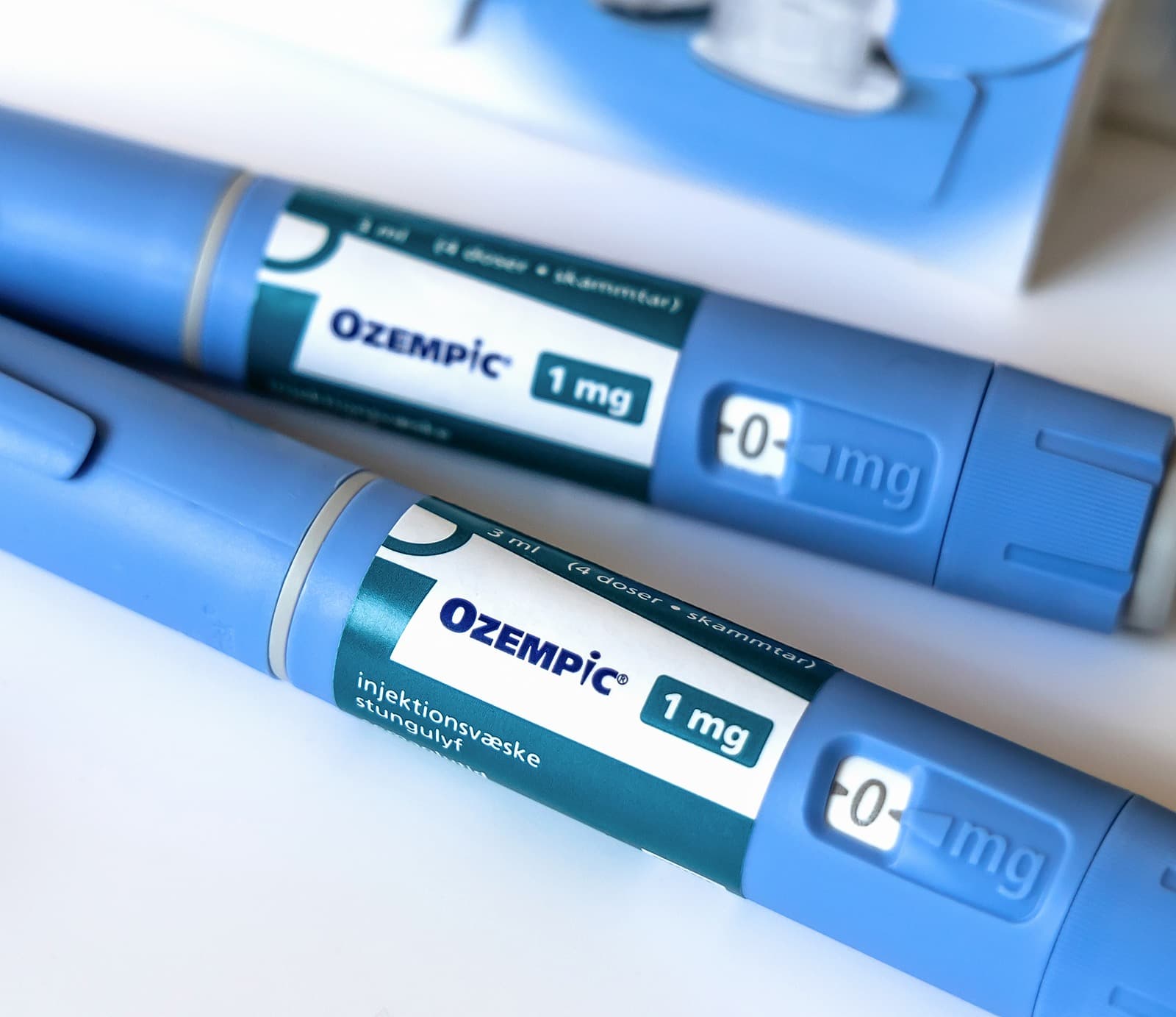
GLP-1 drugs like Ozempic, Wegovy, Mounjaro and Zepbound are transforming medicine. They help people with type-2 diabetes control blood sugar and often lead to dramatic weight loss. Researchers are also exploring whether these medications might reduce heart disease risk, improve kidney health, lessen fatty liver disease and even reduce cravings for alcohol. But the story is still unfolding. As millions take these medications for long periods of time, unexpected GLP-1 side effects are starting to emerge.
From Expected to Unexpected GLP-1 Side Effects:
Doctors are familiar with the typical complications of GLP-1 drugs: nausea, vomiting, diarrhea, constipation and generalized abdominal distress. Most patients are warned of such adverse reactions.
But now scientists are raising concerns that are likely to surprise both patients and physicians: possible bone fractures and even vision problems.
Two recent studies suggest that GLP-1 drugs could increase the risk of fragile bones in older adults. Earlier research has also linked these medicines to a higher risk of the wet form of age-related macular degeneration, a serious eye disease that can lead to blindness.
These findings do not erase the important benefits of GLP-1 drugs. For many people, the advantages may still outweigh the risks. But they remind us of a fundamental lesson in pharmacology:
Unexpected drug side effects often emerge only after years go by and millions of people begin using a medication.
Unexpected GLP-1 Side Effects May Include Bone Fractures
A large observational study published in the Journal of Clinical Endocrinology & Metabolism (Feb. 10, 2026) analyzed health records from more than 46,000 older adults with type-2 diabetes.
Researchers compared people who started GLP-1 receptor agonists with those taking other diabetes medications. Over several years of follow-up, about 8.8 percent experienced a fragility fracture.
After adjusting for other health factors, people taking GLP-1 drugs were 11 percent more likely to experience such fractures than those using other diabetes treatments.
Fragility fractures occur when weakened bones break during relatively minor trauma, such as a fall from standing height. Hip, wrist and spinal fractures are common examples.
This study cannot prove that GLP-1 drugs directly cause bone loss, but it raises important questions, especially for older adults already at risk for osteoporosis.
The authors note:
“In conclusion, initiation of GLP-1RA therapy, compared with other active antidiabetic treatments, was associated with a small but statistically significant increase in fracture risk among older adults with type 2 diabetes.”
Why Might GLP-1 Drugs Affect Bone Density?
Scientists are still trying to explain this possible unexpected GLP-1 side effect. Several possibilities are under discussion.
Rapid weight loss
Bone tissue responds to mechanical stress. When body weight drops quickly, bones experience less loading, which can reduce bone density.
Changes in nutrition
People who lose weight rapidly sometimes consume less calcium, protein or vitamin D—nutrients essential for maintaining bone strength.
Direct hormonal effects
GLP-1 receptors exist on bone cells. Some researchers suspect these drugs could influence the balance between bone formation and bone breakdown.
At this point, researchers cannot say which explanation—if any—is most important.
Exercise May Help Reduce This Unexpected GLP-1 Side Effect
There is encouraging news, though. Previous research suggests that weight-bearing exercise may help protect bone health during weight loss. Activities such as walking, resistance training or stair climbing stimulate bone remodeling and can help maintain skeletal strength.
A study published in JAMA Network Open, June 3, 2024 found that:
“In this randomized clinical trial, the combination of exercise and liraglutide [Victoza, Saxenda] was the most effective weight loss strategy while preserving bone health. Despite similar weight loss, liraglutide treatment reduced hip and spine BMD [bone mineral density] compared with exercise alone. Our findings highlight the importance of combining exercise with GLP-1 RA treatment for bone health.”
Anyone taking GLP-1 drugs, especially older adults, may want to discuss bone health strategies with their clinicians, including exercise, calcium intake and vitamin D status.
Another Unexpected GLP-1 Side Effect: Vision Problems
Bone health is not the only concern. GLP-1 agonists remain among the most sought-after drugs in the pharmacy. Doctors prescribe them for both type-2 diabetes and weight control. Semaglutide, sold under the names Ozempic, Wegovy and Rybelsus, is revolutionizing blood sugar and obesity treatment.
But new side effects keep emerging.
A study in (JAMA Ophthalmology (June 5, 2025) reported that people with type-2 diabetes using GLP-1 receptor agonists appear to have a higher risk of neovascular age-related macular degeneration (AMD)—the wet form of the disease.
AMD is a leading cause of irreversible blindness in older adults. It progressively damages central vision, which is essential for everyday activities such as reading and driving.
Researchers estimated that AMD affected about 196 million people worldwide in 2020, and that number could rise to nearly 288 million by 2040.
Because GLP-1 drugs improve blood sugar control, one might expect them to reduce eye complications. Surprisingly, the study found the opposite: patients exposed to GLP-1 receptor agonists had a substantially higher risk of developing wet AMD and were diagnosed sooner than comparable patients not taking these medications.
The absolute risk appears relatively small. Nevertheless, diabetes specialists and ophthalmologists may want to monitor patients carefully for visual symptoms. A recent review pointed out that GLP-1 drugs may reduce the incidence of glaucoma while increasing the risk for “neovascular age-related macular degeneration (BMC Ophthalmology, Jan. 8, 2026).
Gastrointestinal Problems Remain the Most Common GLP-1 Side Effects
Most patients are already familiar with the digestive complaints associated with drugs like semaglutide and tirzepatide:
- nausea
- vomiting
- diarrhea
- constipation
- abdominal discomfort
- heartburn
- bloating
Drug companies warn about these reactions because they were frequently observed during clinical trials.
But clinical trials designed to win FDA approval often miss unusual complications. Trials may not last long enough to detect delayed drug reactions, and researchers may not ask about unexpected symptoms.
That is why the “Postmarketing Experience” section of official prescribing information can be so revealing.
For semaglutide, some adverse reactions discovered after approval include:
Ileus
When the intestinal tract stops moving normally. This can become serious if surgery or anesthesia is required.
Pulmonary aspiration
When stomach contents enter the lungs during anesthesia or endoscopy.
Suicidal ideation
Interestingly, this warning appears in the prescribing information for Wegovy but not Ozempic—even though both contain semaglutide.
Hair loss
Listed as a possible adverse reaction for Wegovy but not Ozempic.
Dizziness
Reported in about 8 percent of people taking Wegovy.
Such inconsistencies raise interesting questions about how drug risks are detected and reported.
Other Drugs With Unexpected Side Effects
GLP-1 drugs are far from unique. Many widely used medications have produced surprising adverse reactions years after approval.
Diphenhydramine’s Paradoxical Effect
Antihistamines like diphenhydramine (Benadryl) usually make people sleepy. But some individuals experience the opposite reaction: agitation, restlessness or restless legs syndrome.
Many nighttime pain relievers contain diphenhydramine (DPH). Think Advil PM, Aleve PM, Tylenol PM, etc. But some people experience paradoxical excitation or restless leg syndrome (RLS) after taking diphenhydramine. We worry that some people may actually have a harder time getting a good night’s sleep after taking a pain reliever with DPH.
You can read more about this unexpected drug side effect at this link.
Antidepressants and Suicidal Thoughts
Selective serotonin reuptake inhibitors (SSRIs) such as fluoxetine (Prozac), paroxetine (Paxil) and sertraline (Zoloft) were originally expected to reduce suicide risk.
Instead, reports began emerging that these drugs could trigger suicidal thoughts, particularly in younger patients. We have been warning about this unexpected drug reaction for many decades. It took the FDA until 2004 to warn about this worrisome complication. You can read about the sad saga at this link.
Antidepressants and Bleeding
Most doctors and patients do not associate SSRI antidepressants with bleeding problems. But 19 years after Prozac entered the market, there was an article in CNS Drugs (2006).
The investigators reported:
“A literature search identified four studies of SSRI use and risk for upper gastrointestinal bleeding and a further two studies of SSRI use and bleeding in general, including upper gastrointestinal bleeding. The available evidence indicates quite convincingly that SSRI use may play a causal role in upper gastrointestinal bleeding and that these drugs may act synergistically with other bleeding risk-increasing medications such as NSAIDs or low-dose aspirin…Patients should be informed about the likelihood of possible upper gastrointestinal bleeding and high-risk patients should be followed closely.”
Psychiatric Drugs and ALS
A research team at the Karolinska Institute in Sweden announced a worrisome drug complication (JAMA Network Open, June 4, 2025). The investigators analyzed health records from Sweden, comparing those of more than 1,000 people with amyotrophic lateral sclerosis, or ALS, with those of 5,000 healthy individuals. ALS is better known in the US as Lou Gehrig’s disease. It is a progressive neurodegenerative condition that gradually robs people of the ability to move.
According to the scientists, people who took anti-anxiety drugs, sleeping pills or antidepressants were at increased risk for developing ALS. Among people who had ALS, those who had used such psychiatric drugs before diagnosis had the shortest survival time. The absolute risk of developing ALS is very small, so increasing it even by 34 percent does not result in a high risk. It is worth noting, however, since there is no cure for ALS.
Fluoroquinolone Antibiotics and Tendon Rupture
Antibiotics are generally considered to be quite safe. Doctors used to prescribe drugs like ciprofloxacin (Cipro)or levofloxacin (Levaquin) for sinus or urinary tract infections. One side effect of these medications that came as a big surprise was tendon rupture.
One reader shared this story:
“I took Levaquin to treat a lung infection. After five days I noticed tightness in my left Achilles’ tendon that hampered my ability to walk. Three days later my left ankle was so swollen I could hardly hobble. An MRI showed a completely severed Achilles’ tendon. I needed surgery and then spent six weeks in a wheelchair.”
Who would guess that a snapped Achilles’ tendon could be the consequence of treating bronchitis with an antibiotic?
Proton Pump Inhibitors and Fractures
Hundreds of drugs have unexpected side effects. Physicians once prescribed proton pump inhibitors very widely. Now, PPIs such as esomeprazole (Nexium 24HR) and omeprazole (Prilosec OTC) can be purchased over the counter.
It is unlikely that the manufacturers of this class of medicines imagined that PPIs would be linked to fractures. Because these heartburn drugs are so effective at suppressing acid, they may interfere with the absorption of certain nutrients such as calcium. Theoretically this could contribute to weakened bones.
A systematic review and meta-analysis published in Rheumatology International (Nov. 2018) concluded:
“This meta-analysis suggests that PPI user[s] have a 26% increased risk of hip fracture as compared to non-PPI user[s]. Physicians should take caution in prescribing PPI to patients who are at increased risk of hip fracture.”
The doctors who deal with patients’ heartburn symptoms usually aren’t consulted if a patient breaks a hip. The orthopedic surgeons who fix broken hips may not link such fractures to medication taken for reflux. You can read about other unexpected side effects of proton pump inhibitor heartburn drugs at this link.
Why Unexpected Drug Side Effects Take So Long to Discover
Modern medicine is highly specialized.
Psychiatrists prescribe antidepressants but rarely see patients hospitalized with gastrointestinal bleeding. Gastroenterologists treat bleeding ulcers but may not link them to psychiatric medications.
When the right hand doesn’t know what the left hand is doing, drug complications can take years—or even decades—to recognize.
Final Words
GLP-1 receptor agonists are powerful medicines. For many people they dramatically improve blood sugar control and help with weight loss. They may also offer cardiovascular and metabolic benefits.
But as these drugs are used by millions of patients, unexpected GLP-1 side effects continue to surface—from gastrointestinal distress to vision problems and now possibly bone fractures.
Staying alert to such reactions helps patients, clinicians and regulators better understand the real-world safety of these medicines.
We Would Like to Hear From You
Have you experienced unexpected GLP-1 side effects while taking Ozempic, Wegovy, Mounjaro, Zepbound or a similar medication?
Some readers have told us about:
- severe digestive problems
- hair loss
- dizziness
- changes in vision
- fatigue or muscle weakness
Others say the drugs have worked remarkably well with very few problems.
You can learn more about some unexpected GLP-1 side effects at this link:
“Are Hair Loss or Colitis Side Effects of Wegovy and Ozempic?”
What has your experience been?
Sharing your story in the comment section may help other readers recognize side effects they might otherwise overlook.
Adverse reactions can also be reported to the FDA’s MedWatch program (www.fda.gov/medwatch). Such reports often provide the first clues that lead scientists to discover unexpected drug complications.
If you found this article helpful, please share it with friends or family who may be taking GLP-1 medications. Thank you for supporting our work.
Citations
- Shor, R., et al, "Glucagon-Like Peptide-1 Receptor Agonists and Risk of Neovascular Age-Related Macular Degeneration," JAMA Ophthalmology, June 5, 2025, doi: 10.1001/jamaophthalmol.2025.1455
- Edinoff, A.N., et al, "Selective Serotonin Reuptake Inhibitors and Associated Bleeding Risks: A Narrative and Clinical Review," Health Psychology Research, Nov 3, 2022, DOI: 10.52965/001c.39580
- Dalton, S.O., et al, "SSRIs and upper gastrointestinal bleeding: what is known and how should it influence prescribing?," CNS Drugs, 2006, DOI: 10.2165/00023210-200620020-00005
- Hussain, S., et al, "Proton pump inhibitors' use and risk of hip fracture: a systematic review and meta-analysis," Rheumatology International, Nov. 2018, doi: 10.1007/s00296-018-4142-x
- Chourpiliadis, C., et al, "Use of Common Psychiatric Medications and Risk and Prognosis of Amyotrophic Lateral Sclerosis," JAMA Network Open, June 4, 2024, doi:10.1001/jamanetworkopen.2025.14437
- Meron, M.K., et al, "GLP-1 receptor agonists and the risk of fragility fractures in older adults with type 2 diabetes," Journal of Clinical Endocrinology & Metabolism, Feb.10, 2026, doi: 10.1210/clinem/dgag056
- Luo, Y., et al, "GLP-1 receptor agonists in eye disease: a comprehensive review of current research and future potential," BMC Ophthalmology, Jan. 8, 2026, doi: 10.1186/s12886-025-04559-x